Water rights
Royal grants and dues for irrigation water across the Persian empire, about 550-330 BCE
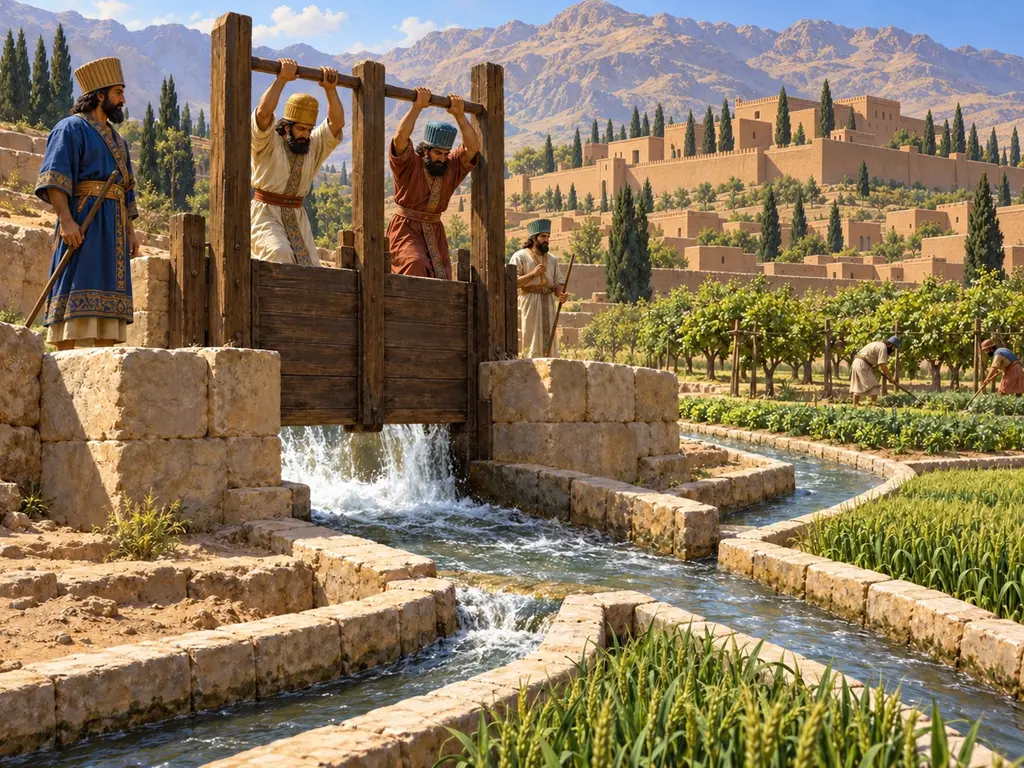
Water decided where crops could grow in the dry lands the Persian kings ruled. The Greek historian Polybius, writing centuries later, says the kings let anyone who brought water to unwatered land enjoy its use for five generations. Later Achaemenid documents from Babylonia and Egypt show water being leased, shared and paid for. Together they suggest that control of water was an important way royal government touched ordinary farmers.
In the game: A standing royal order on the Ledger's Taxes page raises harvests and lowers dues. The game's citation of Polybius 10.28 is accurate, but the order simplifies a grant of land use into a tax cut; the kings also charged for water.
The five-generation grant
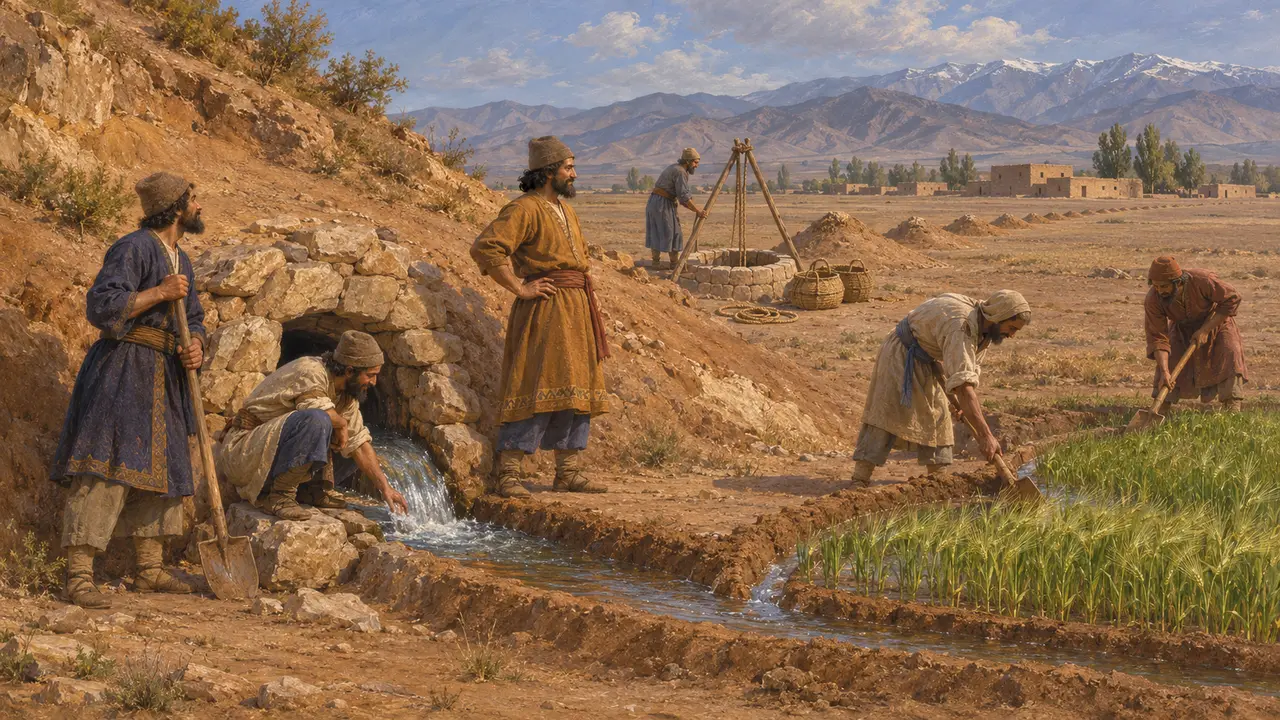
Ancient accountPolybius, writing in the 2nd century, describes the underground channels of the dry country Antiochus III crossed on his march toward Hyrcania about 209. He says that when the Persians ruled Asia, those who brought spring water to land not irrigated before were granted its use for five generations. He adds that people therefore spared no labour or expense in digging long channels underground.
Polybius 10.28
The King opens the sluices
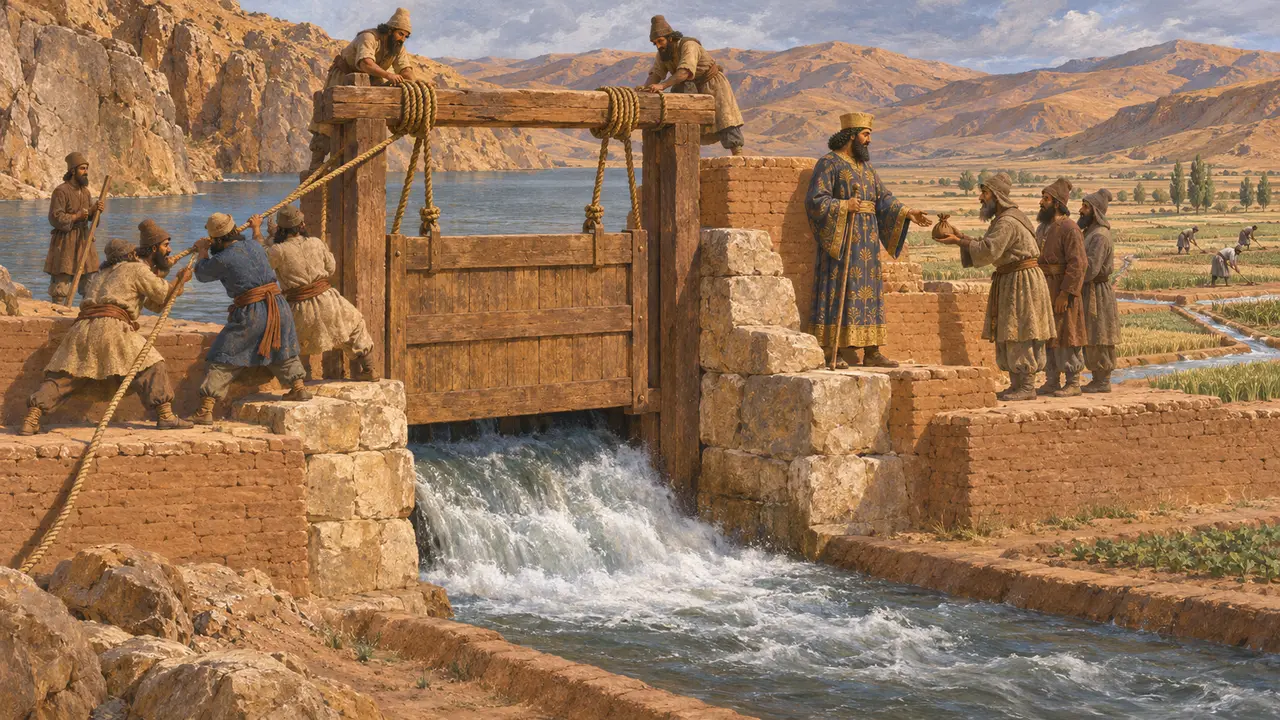
Ancient accountHerodotus tells of a plain ringed by hills and watered by the river Aces, where the King blocked the gorges with gates so that the river formed a lake. The peoples below had to go to the King in Persia and plead for water, and he had the gates opened only for a large payment beyond the tribute. Many historians doubt the details, but the story shows a Greek view of water as a source of royal income.
Herodotus 3.117
Leasing water in Babylonia
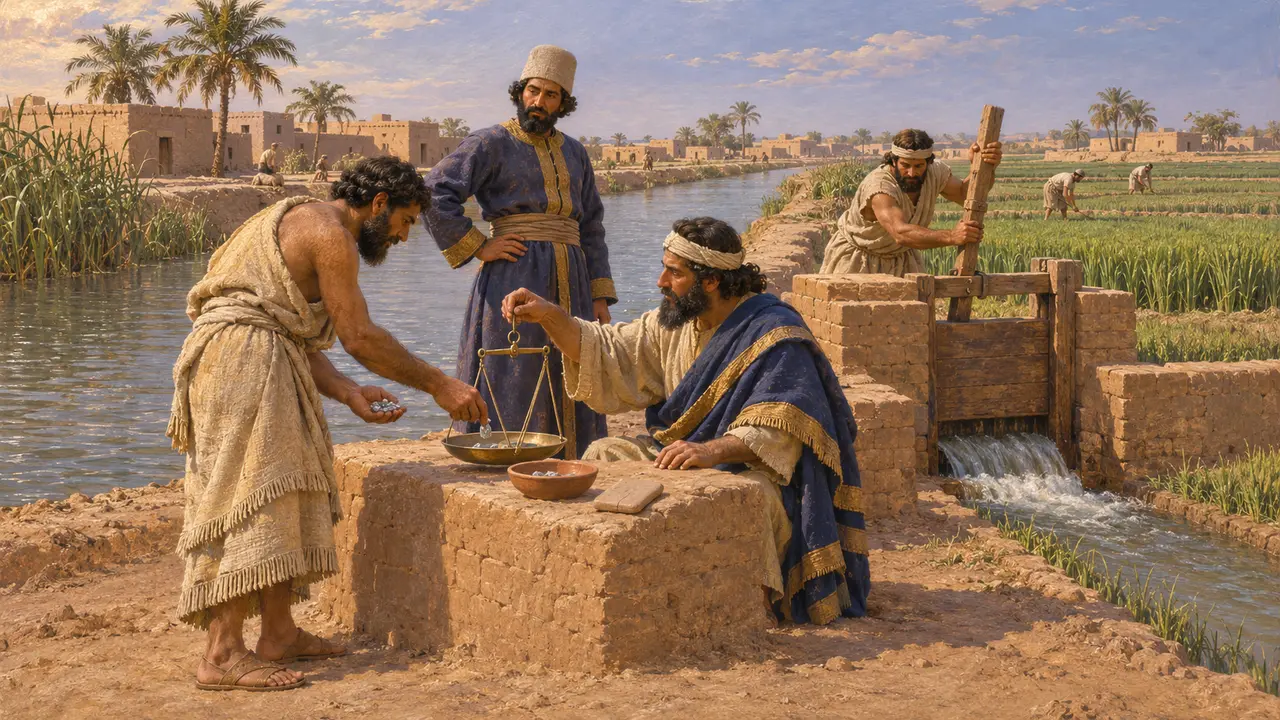
In the recordThe Murashu archive from Nippur, dating from about 440 to 415, long after the game's period, records a family firm that managed land held by royal grantees. Its tablets show fees paid for water drawn from canals run by royal officials, and irrigation organised through these managers. Water here was a resource leased and paid for, not free to whoever could reach it.
M. Stolper, Entrepreneurs and Empire, 1985
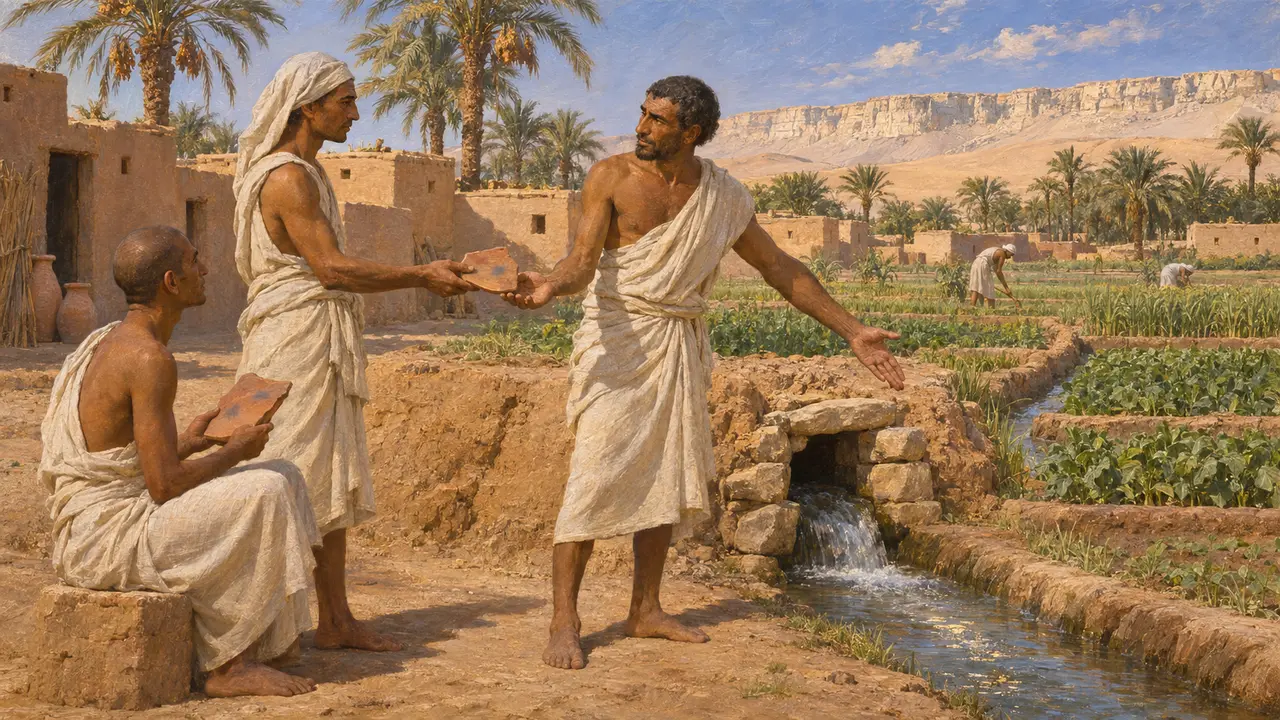
Days of water in an Egyptian oasis
In the recordAt Ayn Manawir in the Kharga oasis, demotic ostraca of the 5th and early 4th centuries record the sale and rental of shares in underground water channels; some were written after Egypt broke from Persian rule in 404. Rights were counted in days of flow and passed between villagers by written contract. These texts are among the clearest evidence for how water rights worked in this period.
M. Chauveau, in P. Briant (ed.), Irrigations et drainages dans l'Antiquité, 2001
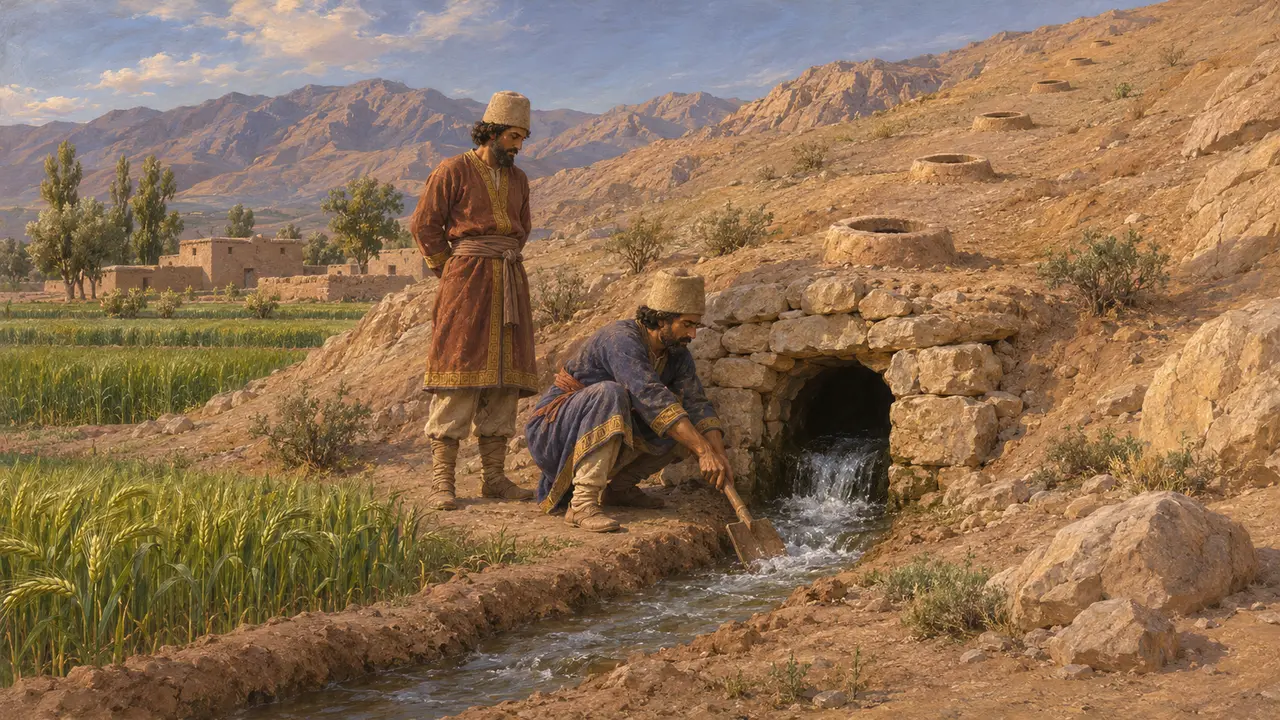
Who spread the underground channel
DisputedPolybius's channels are usually identified with qanats, tunnels that carry groundwater to the surface. Some historians credit the Persians with spreading them, while others argue they are older in places or became widespread only later. Since Polybius wrote long after the Achaemenids, how far his grant reflects general royal policy is also debated.
P. Briant, From Cyrus to Alexander, 2002
Sources
- Polybius 10.28
- Herodotus 3.117
- M. Stolper, Entrepreneurs and Empire, 1985
- P. Briant (ed.), Irrigations et drainages dans l'Antiquité: qanâts et canalisations souterraines en Iran, en Égypte et en Grèce, 2001
- P. Briant, From Cyrus to Alexander, 2002