Tax relief
Freedom from tribute and dues in the Achaemenid empire, sixth to fifth centuries BCE
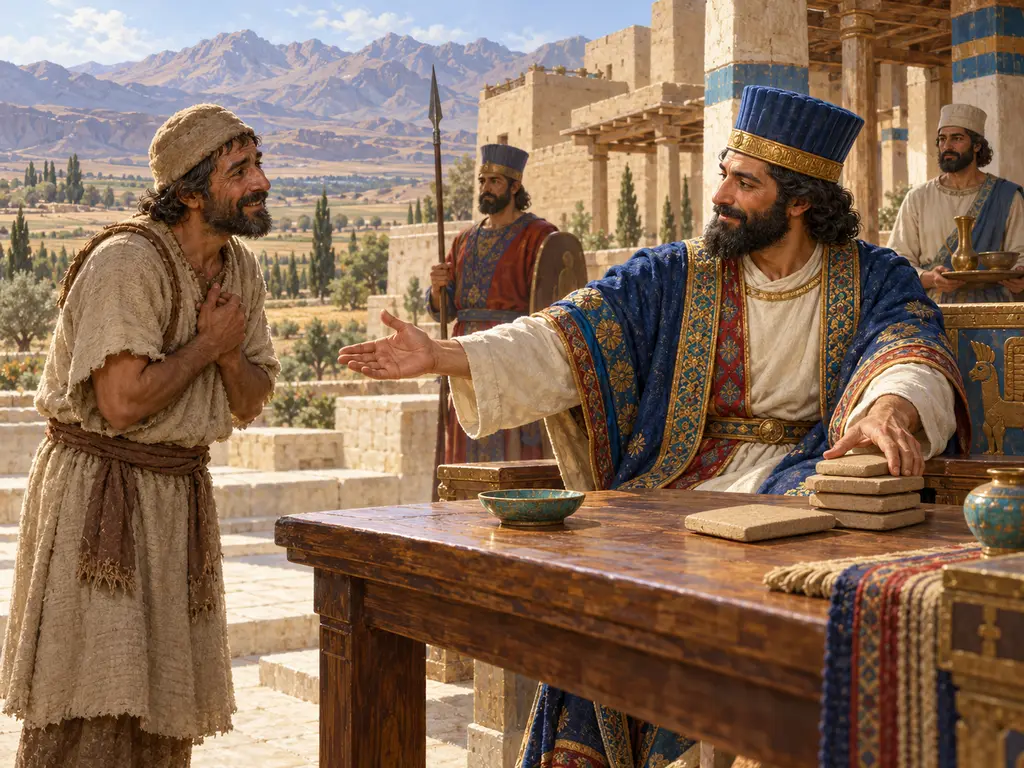
Achaemenid kings took tribute from their provinces and could also release lands and men from it. Herodotus says Darius was the first to fix each province's dues. He records that Persis paid no tribute, and that the King could grant a favoured man land free of tax. Remitting tax was a political act, used to win loyalty, reward service or mark a people's standing.
In the game: A standing order on the Ledger's Taxes page lowers the city's dues and raises the King's favour each month. This reverses history, where remission was the King's own grant and an official who cut tribute would hardly have won his favour for it.
Darius fixes the tribute
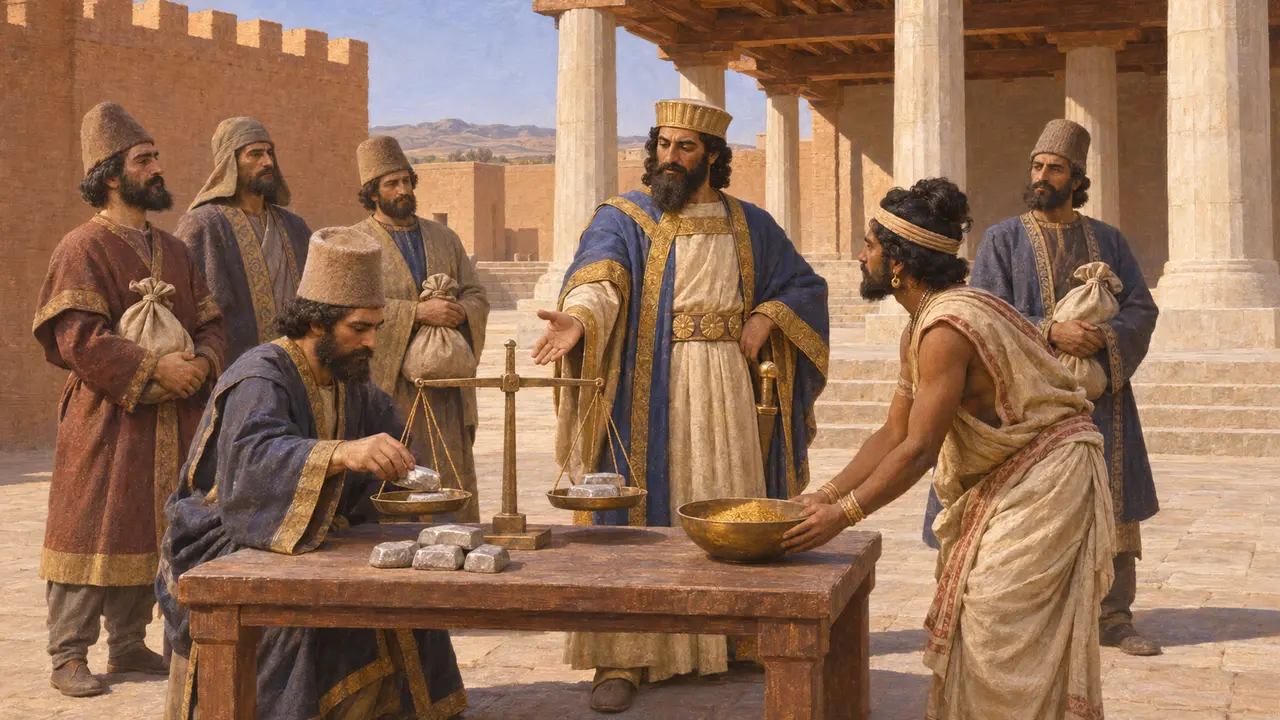
Ancient accountHerodotus says Darius divided the empire into twenty provinces, which the Persians called satrapies, and fixed the tribute each had to pay. Most paid in silver, and India paid in gold dust. Herodotus says that under Cyrus and Cambyses there had been no set tribute, only gifts. Because Darius put a price on everything, the Persians called him a trader, Cambyses a master and Cyrus a father.
Herodotus 3.89, 3.94
Gifts instead of tribute
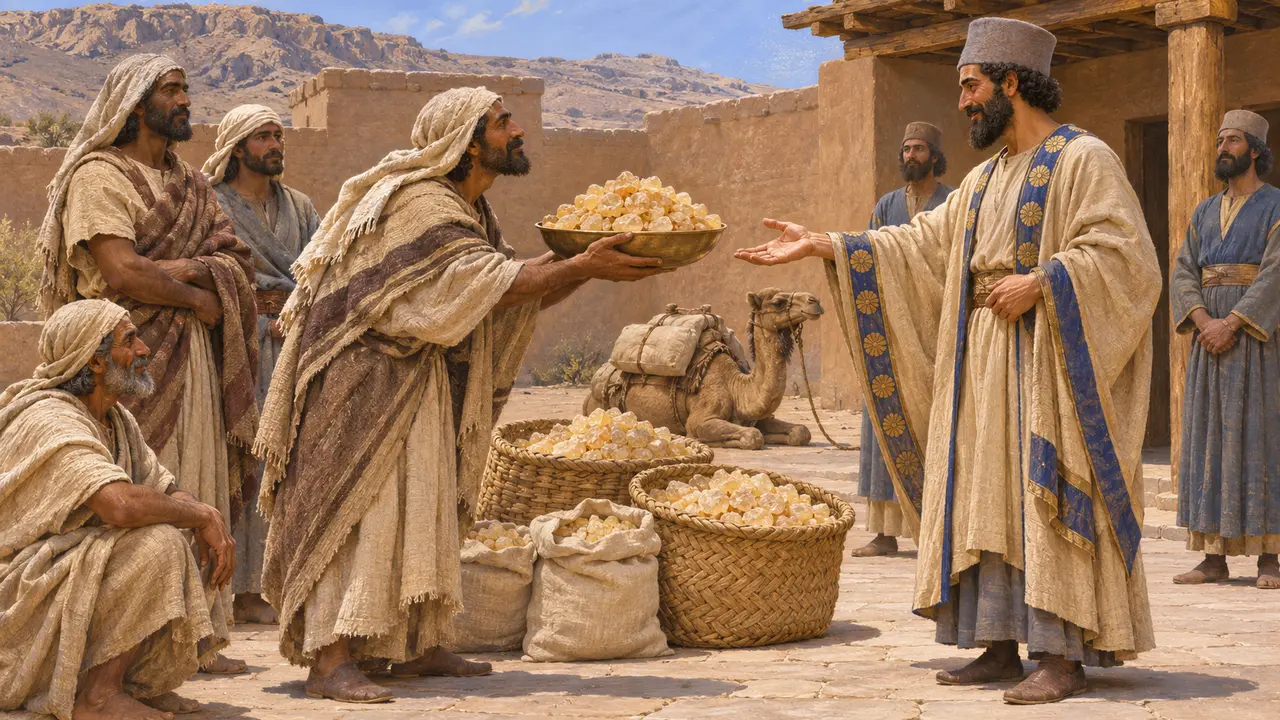
Ancient accountHerodotus names Persis as the one land that paid no tribute. Some peoples on the edges of the empire, among them the Ethiopians beyond Egypt, the Colchians and the Arabs, brought gifts instead, and he says some of them set the amount themselves. He says the Arabs sent a thousand talents of frankincense each year. Modern historians read these gifts as a sign of a special standing with the King.
Herodotus 3.97
Persis and its dues in kind
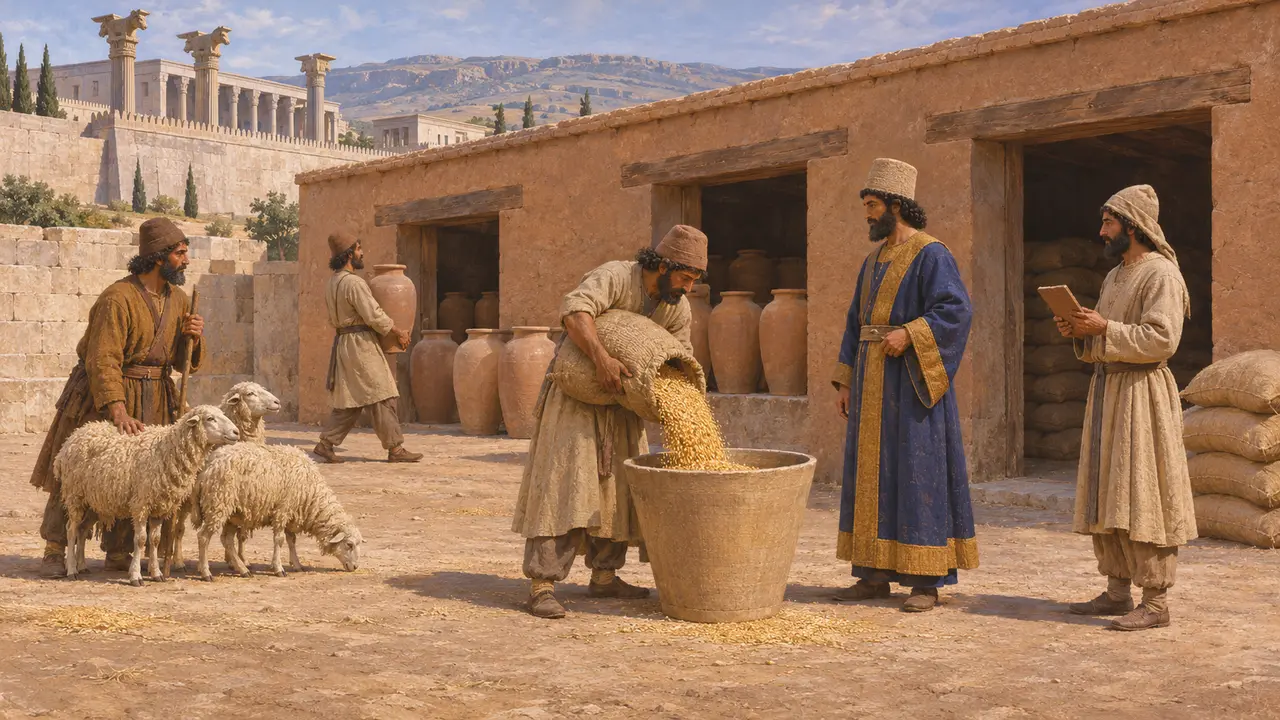
DisputedThe Persepolis Fortification tablets are mostly Elamite records from about 509 to 493 BCE. They show royal officials collecting grain, wine and livestock across Persis and neighbouring Elam, and some deliveries are recorded as a levy. Historians therefore debate what Herodotus meant by tax-free. Many think the Persians were spared the silver tribute of conquered provinces but still owed dues in kind and labour to the royal economy.
Persepolis Fortification tablets; Briant, From Cyrus to Alexander, 2002
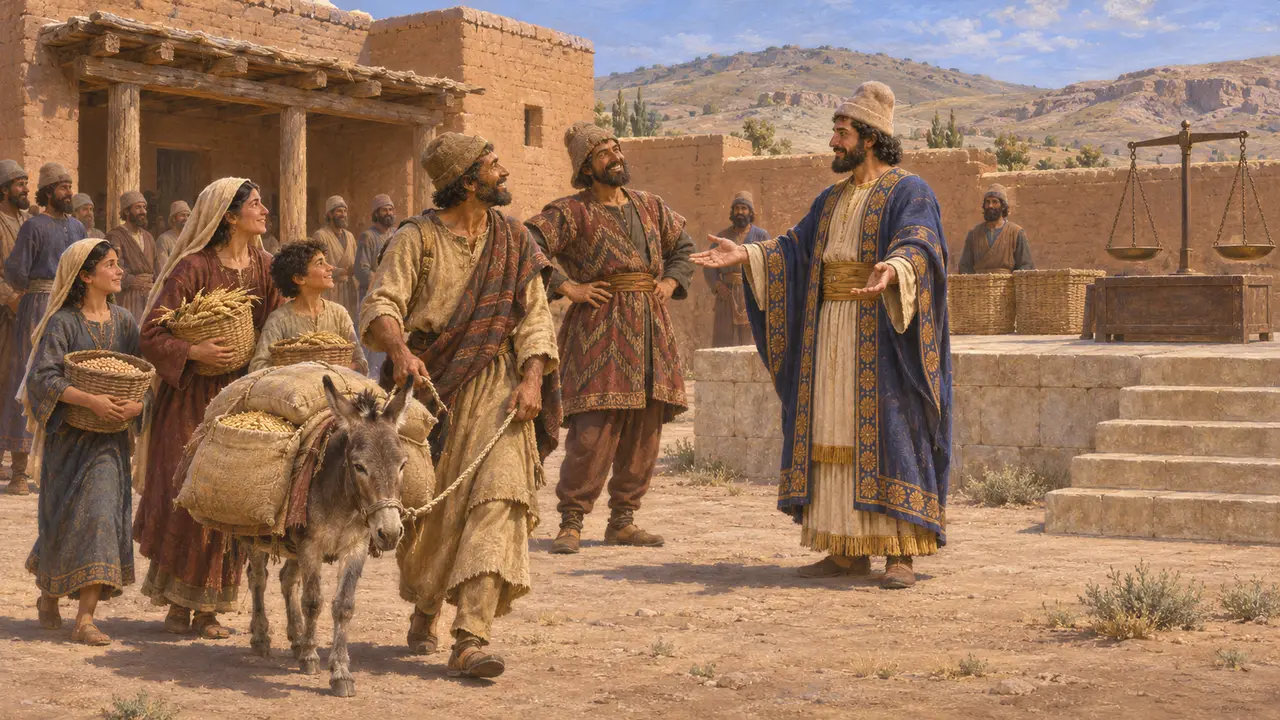
The remission of 522 BCE
DisputedHerodotus says that the man who ruled as Smerdis in 522 BCE granted every people of the empire three years' freedom from military service and tribute. He adds that after this ruler's death everyone in Asia except the Persians missed him. Darius's Behistun inscription calls him Gaumata, a magus and usurper, and says Darius restored the pastures, herds, workers and houses he had seized. Historians still argue over who this ruler was and what his measures were.
Herodotus 3.67; DB §14
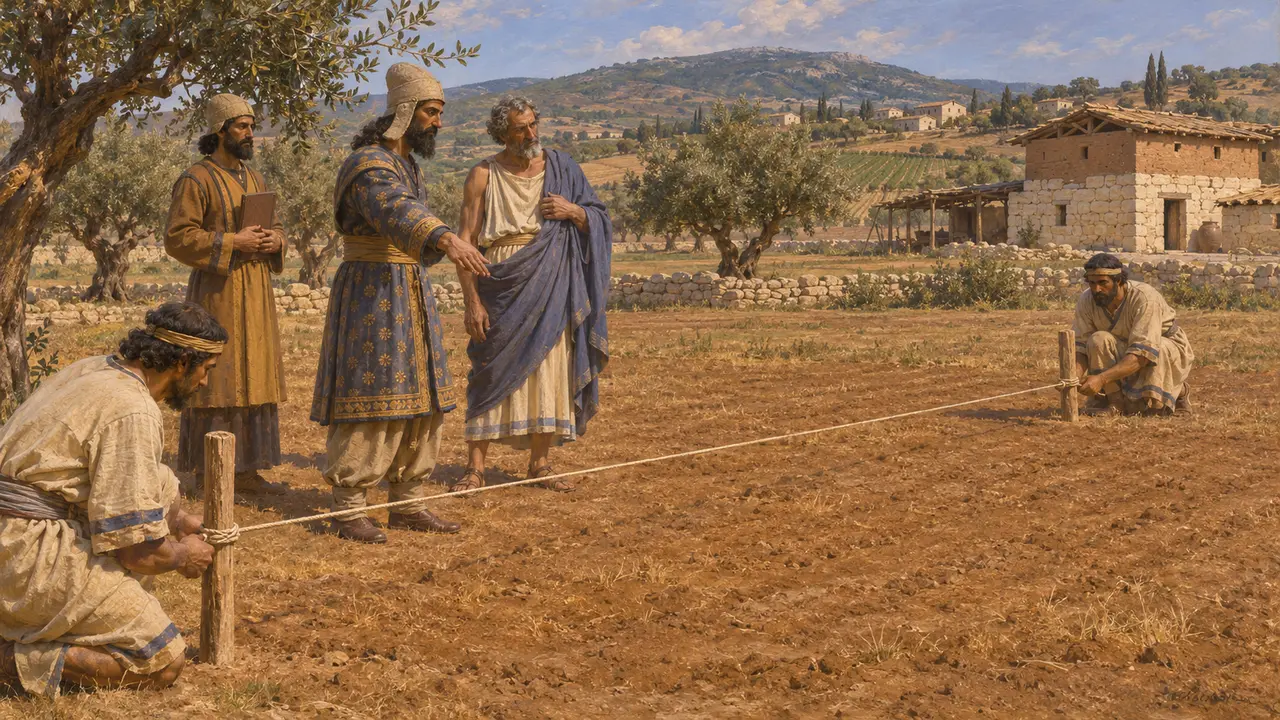
Artaphernes reassesses Ionia
Ancient accountHerodotus says that after the Ionian revolt, Artaphernes, the satrap at Sardis, had the lands of the Ionian cities measured in parasangs and set their tribute by those measurements. He adds that the new assessment was about the same as the old one and was still in force in his own day. On this account a satrap could reassess tribute, but he did not simply reduce it.
Herodotus 6.42
Sources
- Herodotus, Histories 3.89-97
- Herodotus, Histories 3.67, 3.160, 6.42
- Darius, Behistun inscription, DB §14
- P. Briant, From Cyrus to Alexander, 2002
- R. Hallock, Persepolis Fortification Tablets, 1969