Sardis
Lydian capital, taken by Cyrus in the 540s BCE, then the Persian satrap's seat in the west
In the game: Level 5: The Charter, Level 7: Sardis Burns, Level 8: The Bay of Marathon, Level 10: The Hot Gates
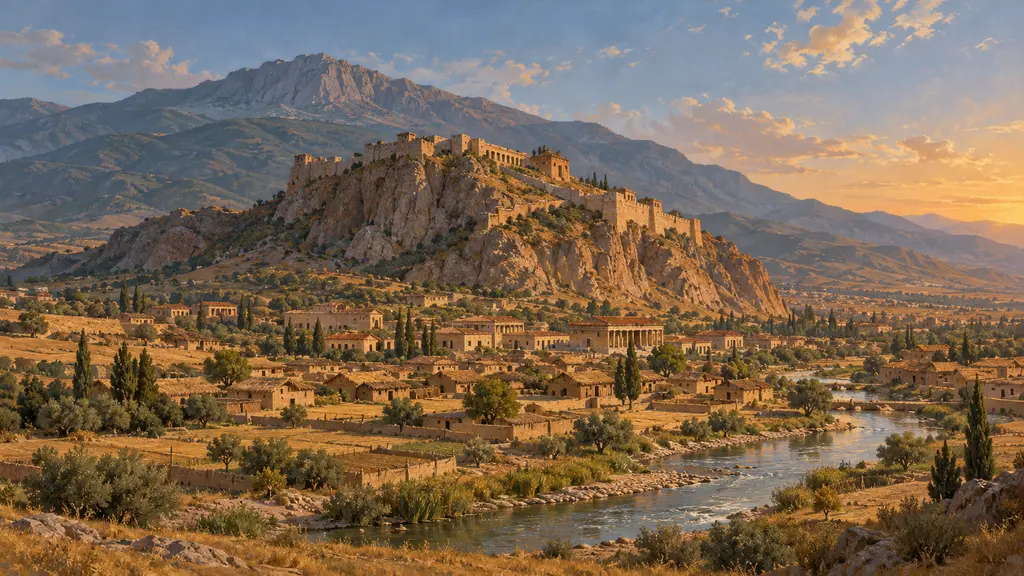
Sardis was the capital of the Lydian kings, built beneath Mount Tmolus beside the gold-bearing Pactolus. After Cyrus took it from Croesus, it became the chief Persian seat in the west, home of the satrap and the western end of the Royal Road to Susa. Herodotus treats its burning by the Ionians and their Athenian allies in 498 BCE as the start of Persia's long quarrel with Athens.
In the game: The Sardis level is set in 498 BCE, the year the Ionians burned the lower town, and presents the city as the satrap's seat and the western end of the Royal Road.
A royal city beneath Mount Tmolus
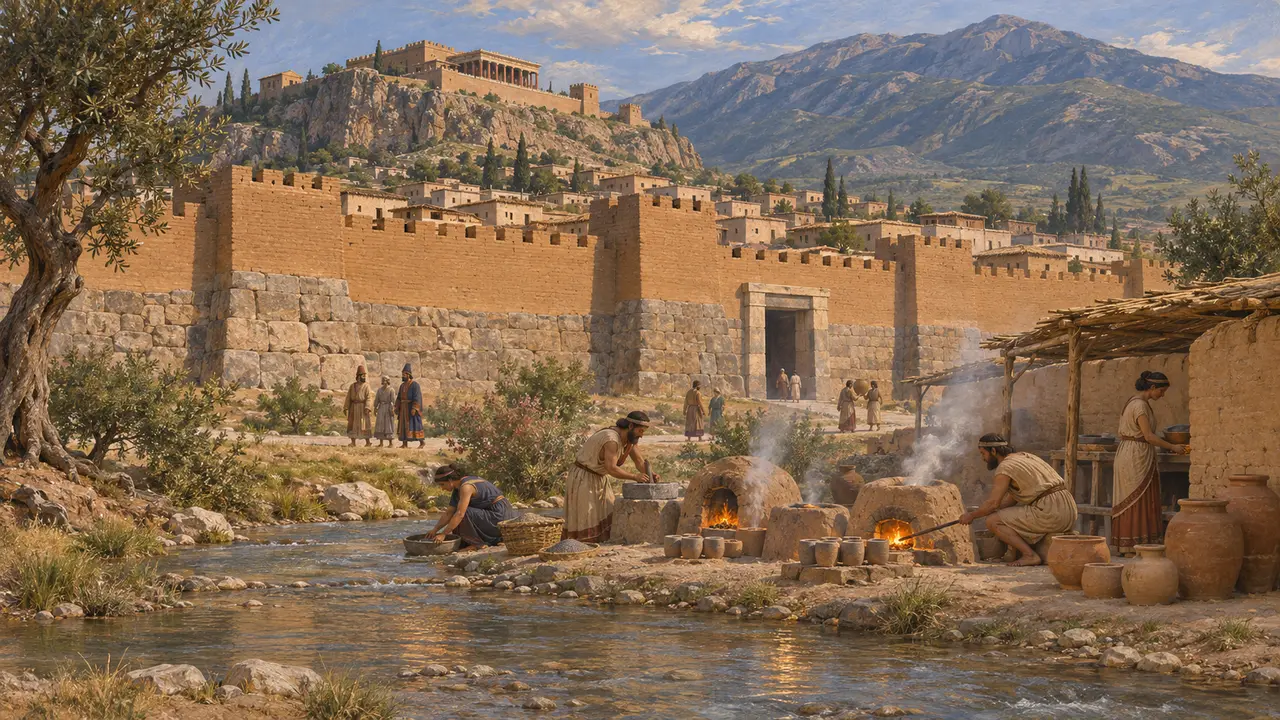
In the recordExcavations since 1958 have uncovered a massive Lydian fortification wall and houses of the lower city. By the Pactolus lay a refinery where gold was parted from the river's electrum, probably under Alyattes or Croesus. A destruction layer of the mid-500s BCE, with arrowheads and fallen soldiers, is usually linked to the Persian capture. Darius's Behistun inscription lists Sparda, the Persian name for Sardis and Lydia, among his lands.
G. M. A. Hanfmann, Sardis from Prehistoric to Roman Times, 1983; A. Ramage and P. Craddock, King Croesus' Gold, 2000; E. R. M. Dusinberre, Aspects of Empire in Achaemenid Sardis, 2003; DB §6
Cyrus takes the citadel
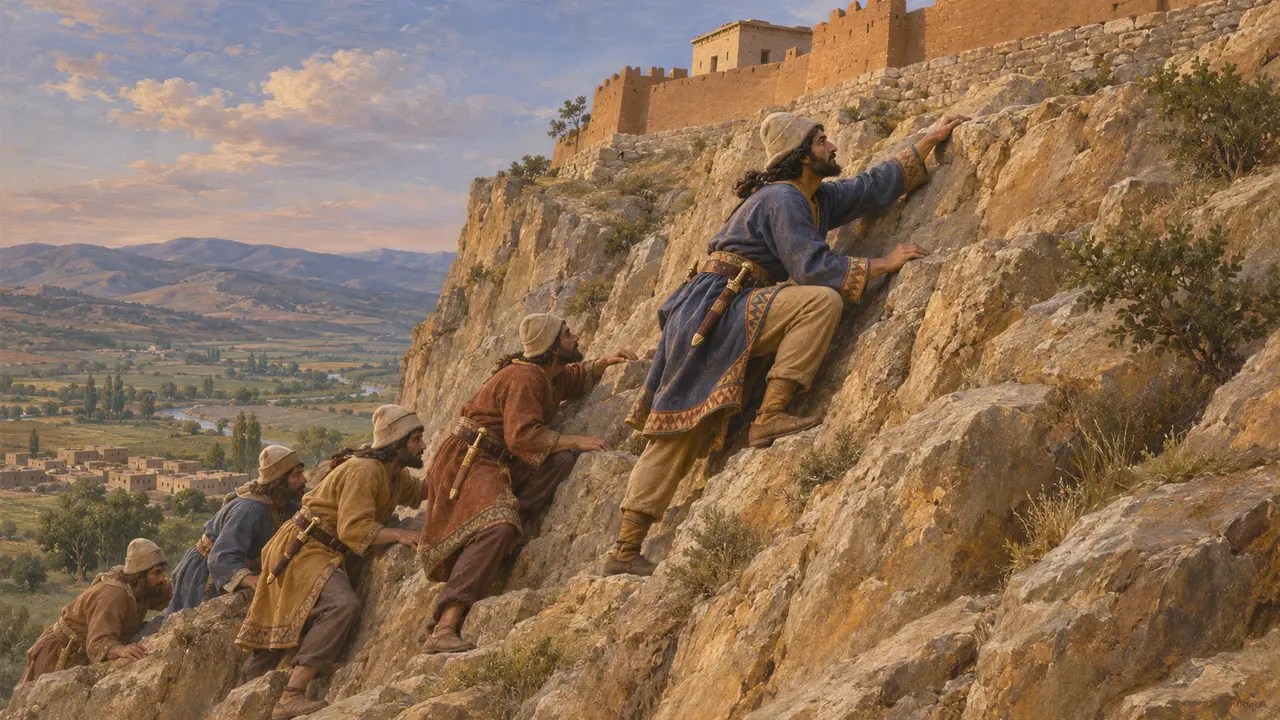
Ancient accountHerodotus says Cyrus defeated Croesus on the plain outside the city, placing camels in front so that their smell would panic the Lydian horses. Croesus then withdrew into Sardis and was besieged. On the fourteenth day a Mardian soldier named Hyroeades saw a defender climb down the sheer side of the acropolis, which had been left unguarded, and led others up the same way.
Herodotus 1.79-84
The date of the fall
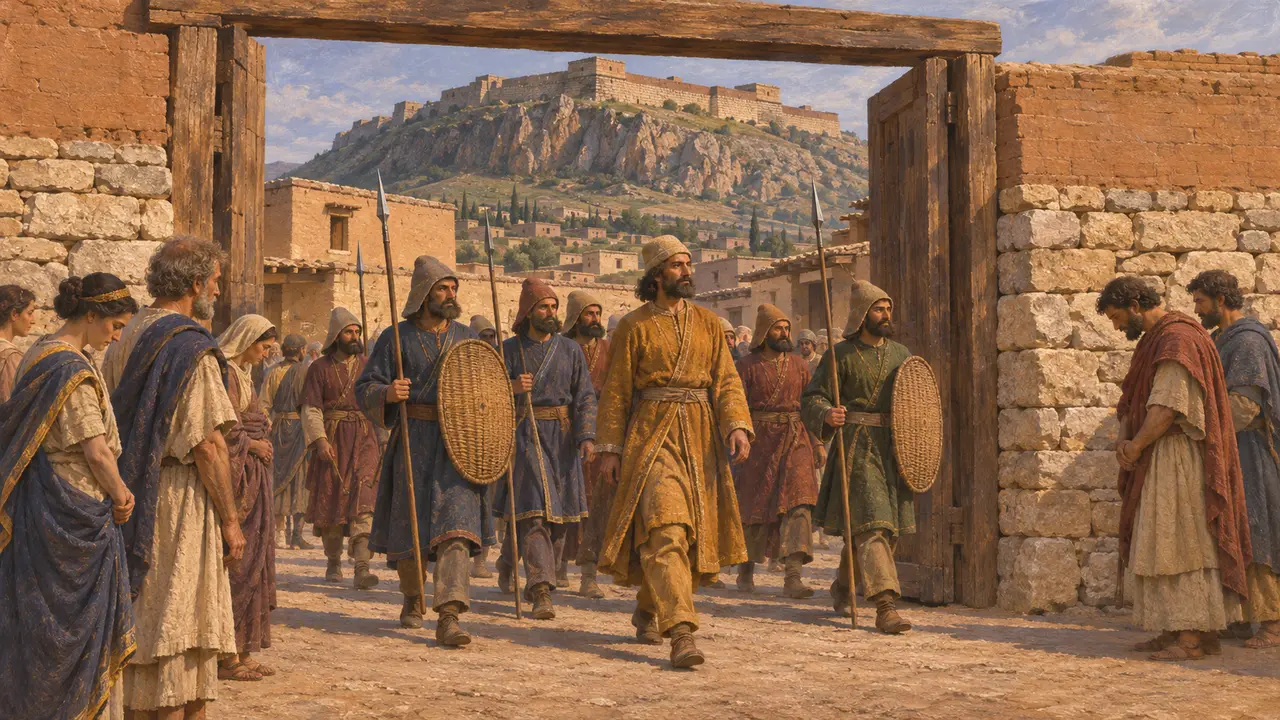
DisputedThe fall is traditionally dated to 547 or 546 BCE. That date rests largely on the Nabonidus Chronicle, whose entry for Nabonidus's ninth year (547 BCE) records Cyrus marching against a land whose name is damaged and killing its king. Older readings restored the name as Lydia, but many scholars now read Urartu instead. Without that entry, the conquest can only be placed loosely in the 540s BCE.
Nabonidus Chronicle, year 9; P. Briant, From Cyrus to Alexander, 2002
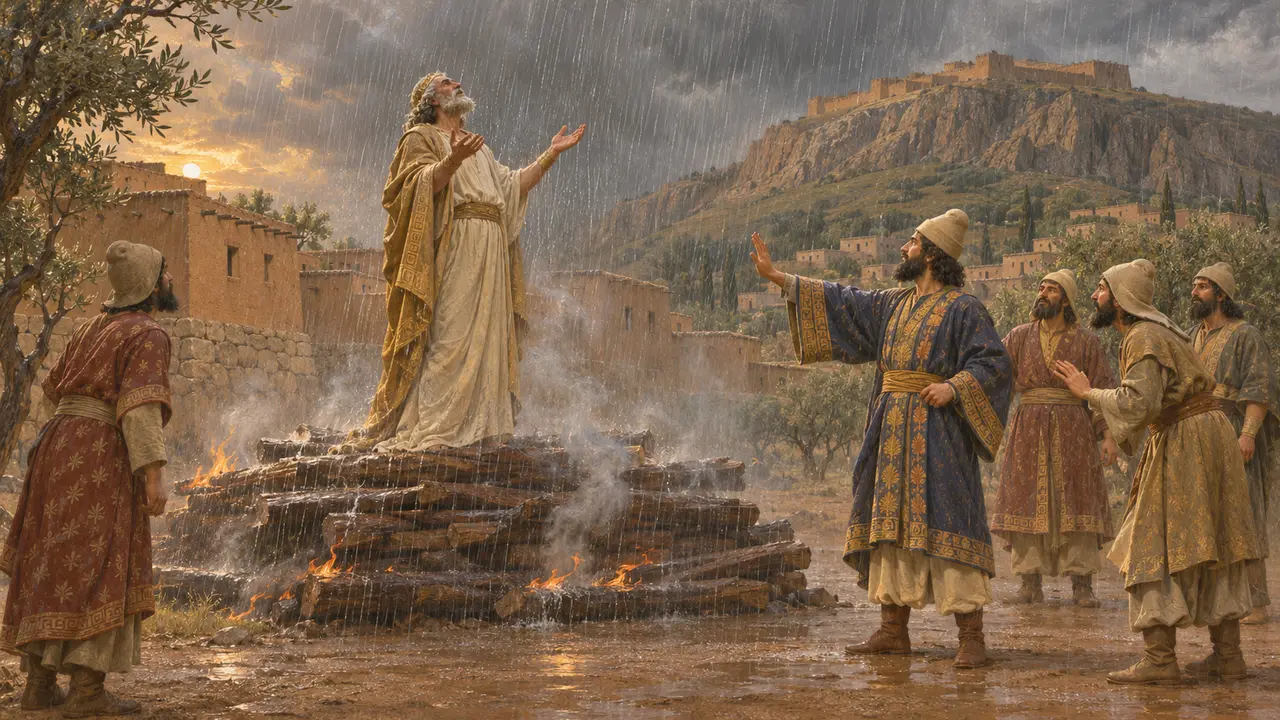
Croesus on the pyre
Later legendHerodotus tells how Cyrus placed the captured Croesus on a pyre, then relented after Croesus called out the name of Solon, and how Apollo sent rain to quench the flames. The poet Bacchylides told a different version in which Croesus mounted the pyre himself and was carried away by the god. Both are moral tales about fortune, not reliable history.
Herodotus 1.86-87; Bacchylides, Ode 3
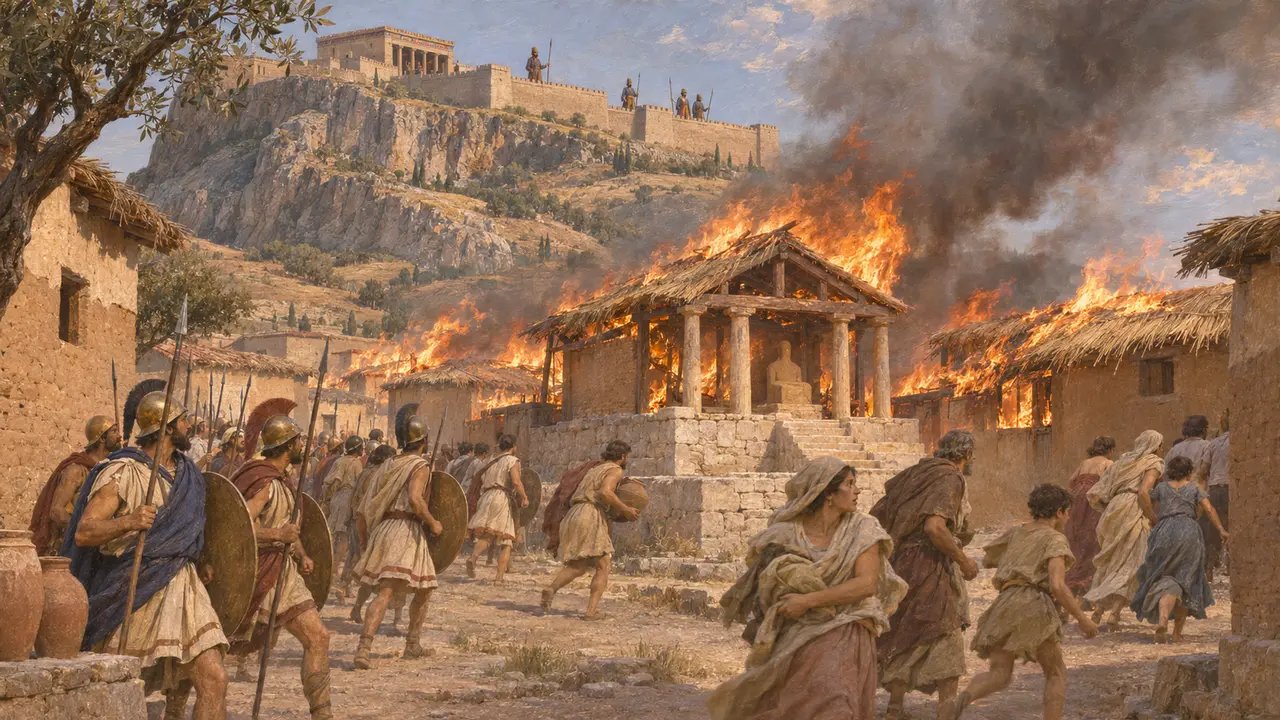
Satrap's seat and the fire of 498 BCE
Ancient accountHerodotus names Artaphernes, Darius's half-brother, as governor at Sardis and traces the Royal Road from there to Susa. In 498 BCE Ionian, Athenian and Eretrian troops seized the lower town while Artaphernes held the citadel. A fire caught the reed-roofed houses, spread through the city and burned the temple of the goddess Cybebe. Herodotus says the Persians later cited this as reason to burn Greek temples.
Herodotus 5.25, 5.52-54, 5.99-102
Sources
- Herodotus, Histories, books 1 and 5
- G. M. A. Hanfmann, Sardis from Prehistoric to Roman Times, 1983
- E. R. M. Dusinberre, Aspects of Empire in Achaemenid Sardis, 2003
- A. Ramage and P. Craddock, King Croesus' Gold, 2000
- Nabonidus Chronicle
- P. Briant, From Cyrus to Alexander, 2002