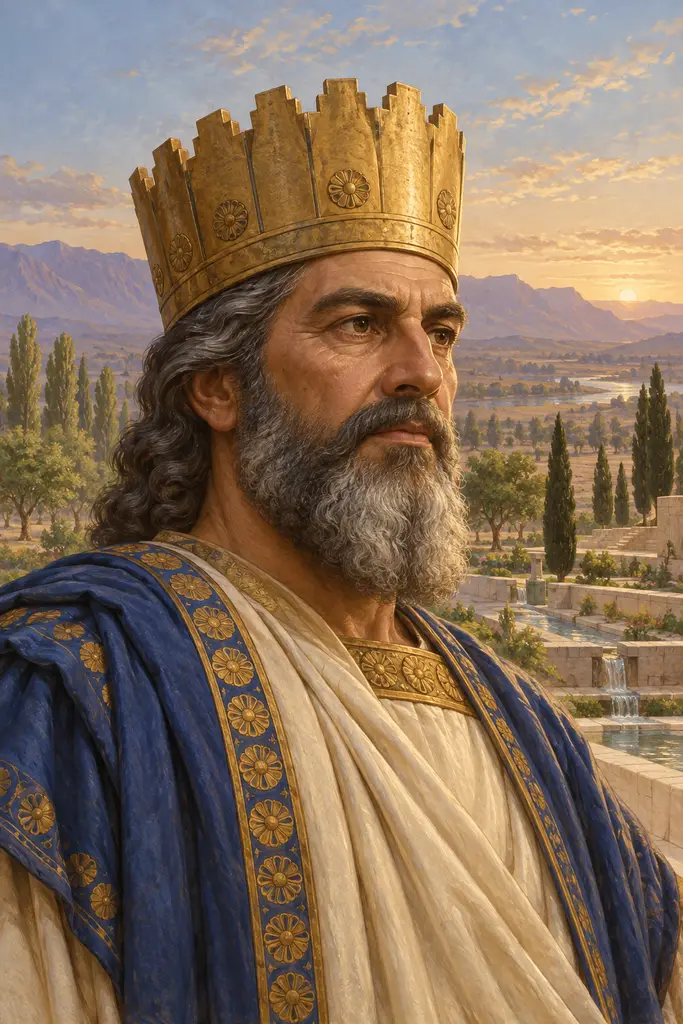
Cyrus the Great
King of Anshan and founder of the Persian empire, reigned about 559-530 BCE
In the game: Level 1: The Founder's Tomb, Level 2: The Spear-bearer, Level 4: The Terrace, Mycale
Cyrus II, king of Anshan in Persis, overthrew the Median king in about 550, then conquered Lydia and the Greek cities of western Asia Minor, and in 539 took Babylon. These conquests made the Persians rulers of the largest empire the Near East had yet seen. He founded Pasargadae, died in 530, and his stone tomb still stands there.
In the game: The Pasargadae level is set in 530, the year Cyrus died. The game's scene of Cyrus commissioning Darius is dramatized; Herodotus (1.209) says only that Cyrus dreamed the young Darius would come to rule Asia and Europe.
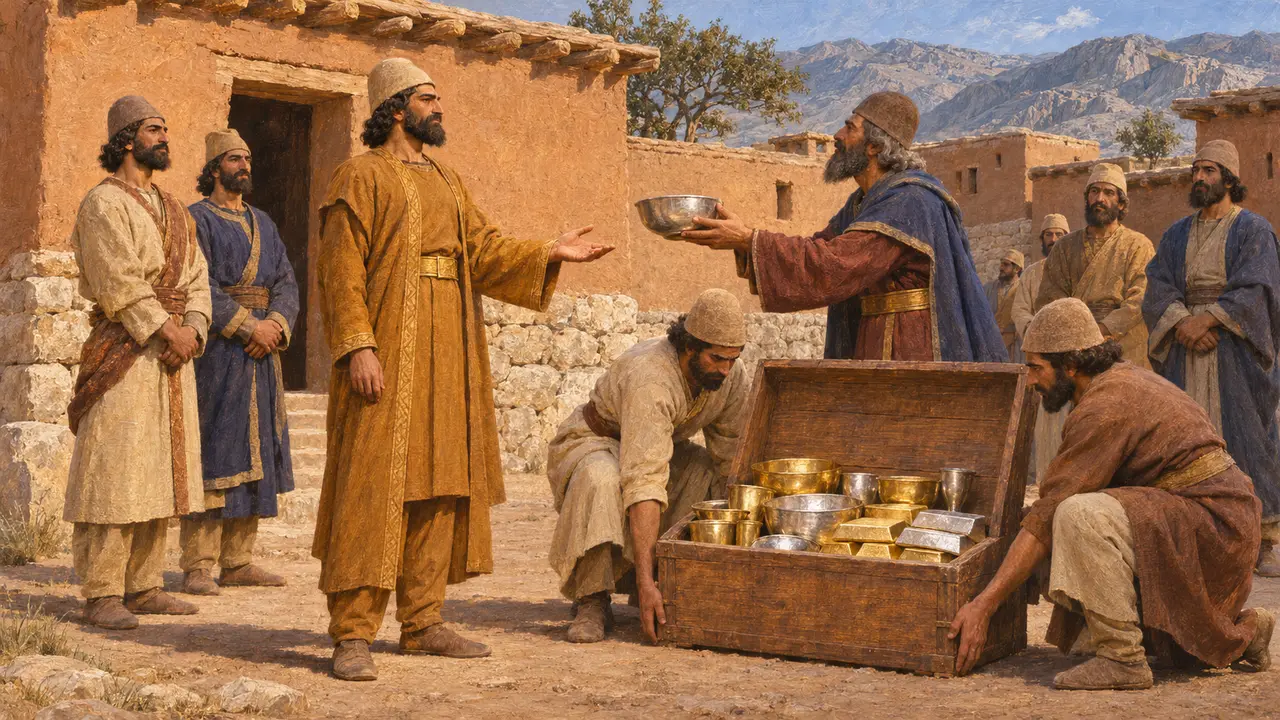
King of Anshan
In the recordOn the clay cylinder written for him at Babylon, Cyrus calls himself son of Cambyses, grandson of Cyrus and descendant of Teispes, all kings of Anshan. Anshan was the old Elamite name for a city and region in the highlands of Persis. The Nabonidus Chronicle records that the army of the Median king Astyages rebelled and handed him over to Cyrus. Cyrus then took Ecbatana and carried its silver and gold to Anshan, in about 550.
Cyrus Cylinder; Nabonidus Chronicle (ABC 7)
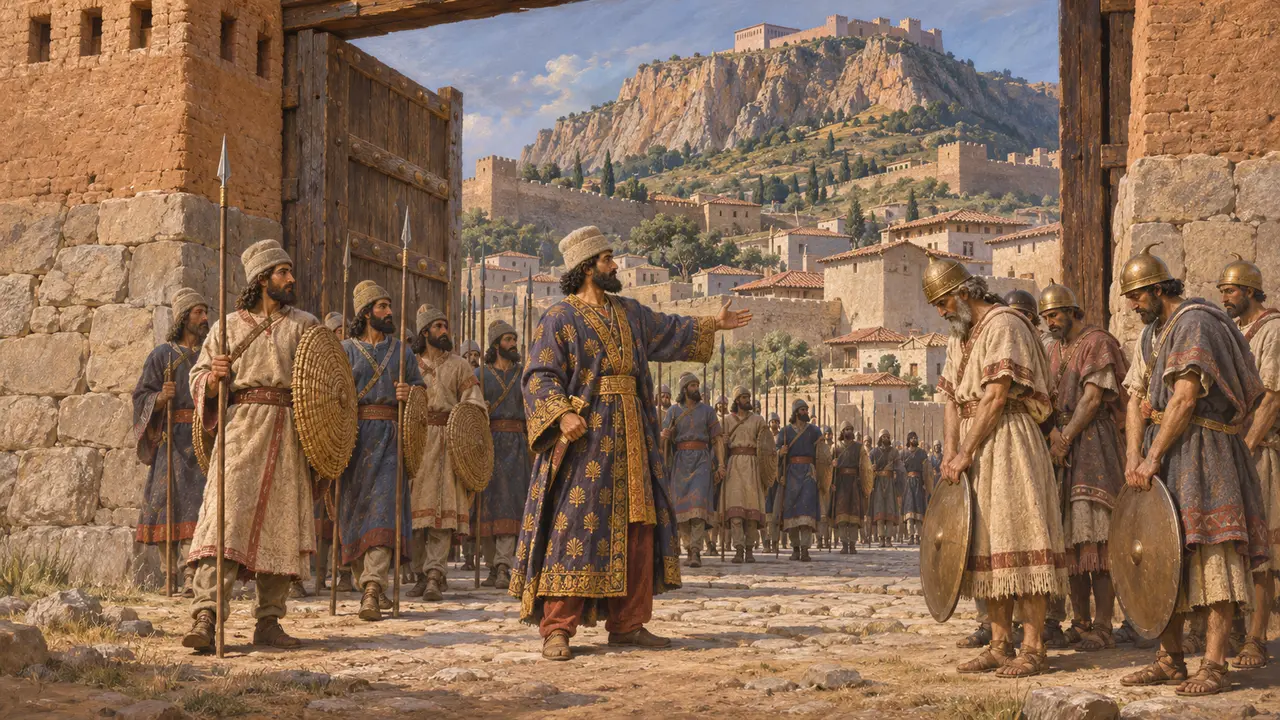
Croesus, Sardis and the Ionian cities
Ancient accountHerodotus tells how Croesus of Lydia crossed the Halys river to attack Cyrus and fought an indecisive battle at Pteria. Cyrus then followed him home, besieged Sardis and took it. Cyrus's generals, first Mazares and then the Mede Harpagus, went on to subdue the Greek cities of Ionia and Caria. The date is uncertain: a Babylonian chronicle entry for 547 was once read as naming Lydia, but the name in it is damaged.
Herodotus 1.75-91, 1.141-176
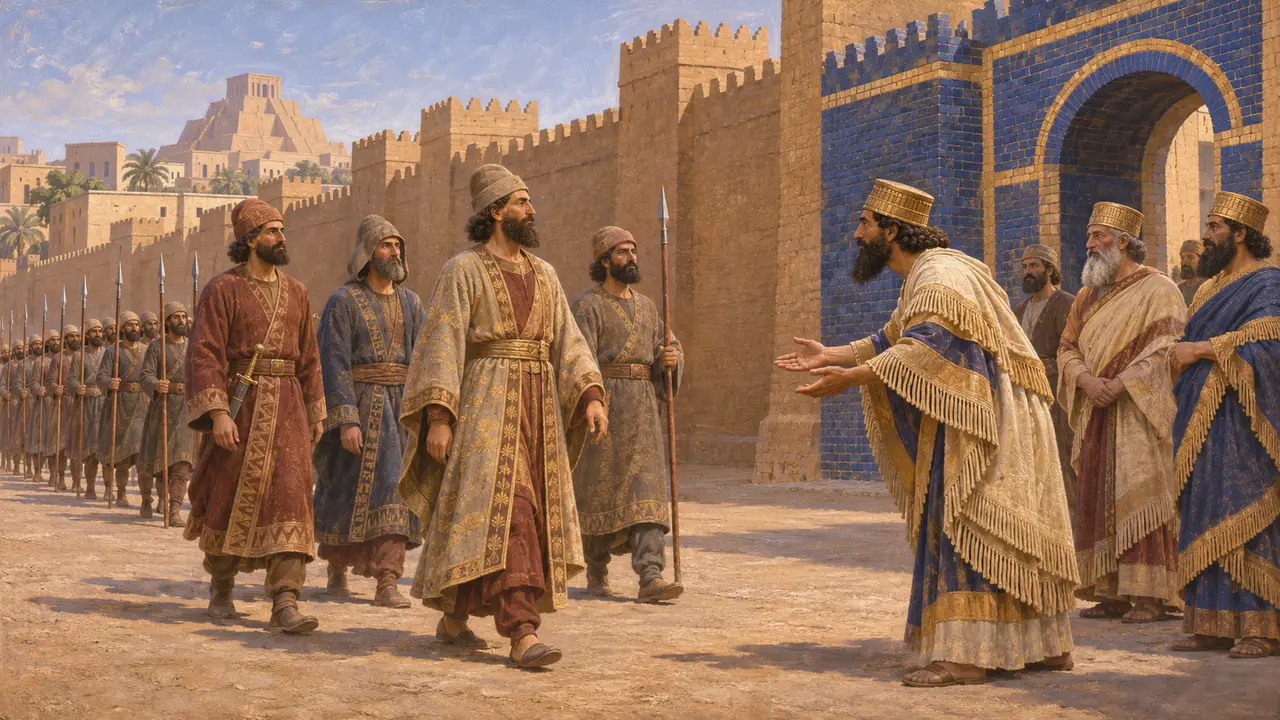
The taking of Babylon
In the recordThe Nabonidus Chronicle records a battle at Opis in 539 and the taking of Sippar without battle. Two days later Cyrus's army entered Babylon under Ugbaru, and Cyrus himself followed about two weeks after. The Cyrus Cylinder, written by Babylonian scribes, says Marduk chose him to replace a neglectful king and that he returned gods and displaced people to their homes. It is royal propaganda in an old Mesopotamian style, not a charter of rights.
Nabonidus Chronicle (ABC 7); Cyrus Cylinder
How Cyrus died
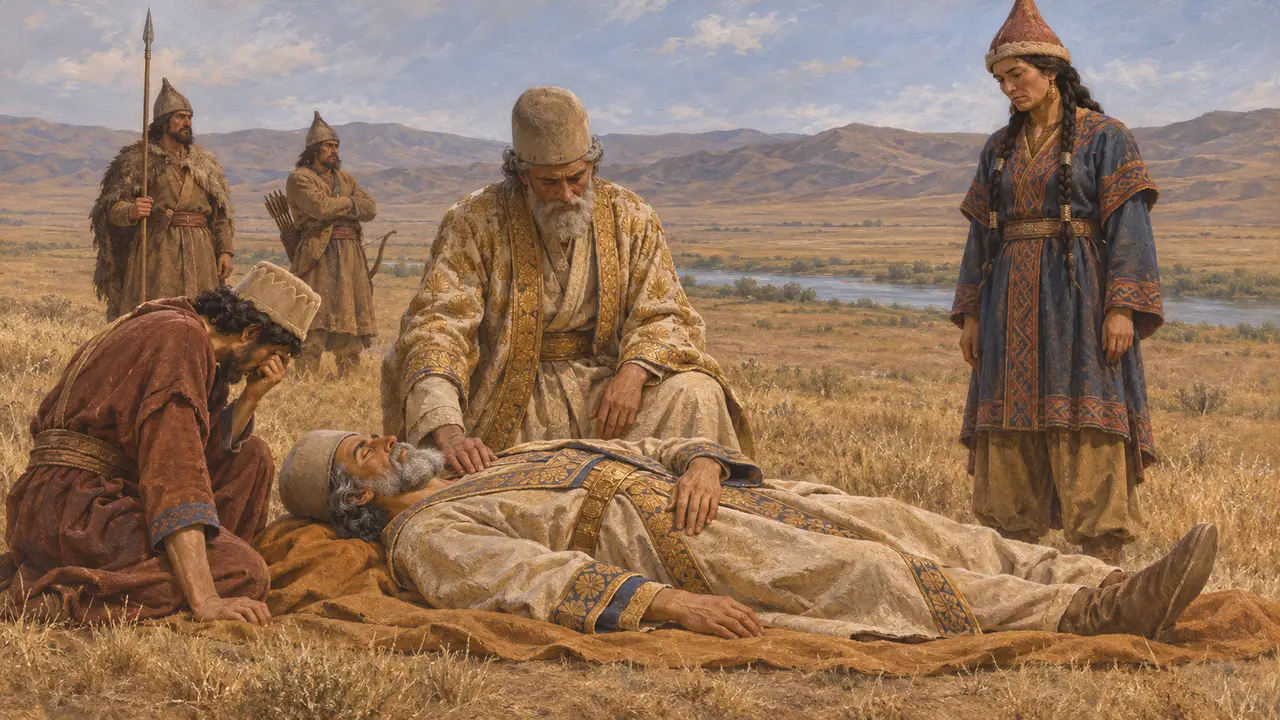
DisputedBabylonian documents show that his reign ended in 530, but no record says how. Herodotus says he fell fighting the Massagetae beyond the Araxes, and that their queen Tomyris steeped his severed head in blood. Herodotus admits that other versions existed. Ctesias has him die of a wound taken fighting the Derbices, and Xenophon makes him die peacefully at home among his sons.
Herodotus 1.201-214; Ctesias, Persica; Xenophon, Cyropaedia 8.7
The exposed child
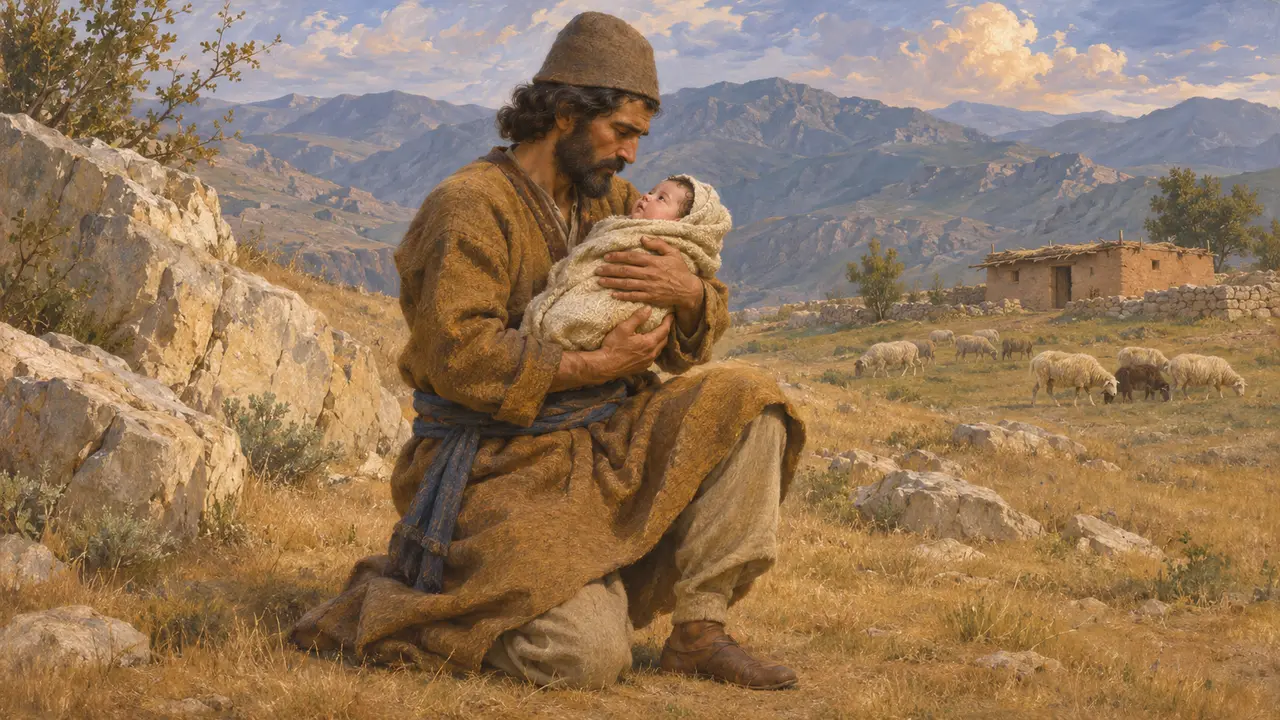
Later legendHerodotus tells that Astyages, warned by dreams, ordered his infant grandson Cyrus killed. The herdsman told to expose the child raised him instead, and at about ten the boy was recognised by his royal manner at play. Herodotus says he chose this version from several that Persians told. It follows an old pattern of tales about an abandoned future king, and Ctesias denied that Cyrus was related to Astyages at all.
Herodotus 1.95, 1.107-130; Ctesias, Persica
Sources
- Cyrus Cylinder
- Nabonidus Chronicle (ABC 7)
- Herodotus 1.95-214
- Arrian, Anabasis 6.29
- P. Briant, From Cyrus to Alexander, 2002
- D. Stronach, Pasargadae, 1978