Tomyris
Queen of the Massagetae of Central Asia, who fought Cyrus the Great in 530 BCE
In the game: Level 1: The Founder's Tomb
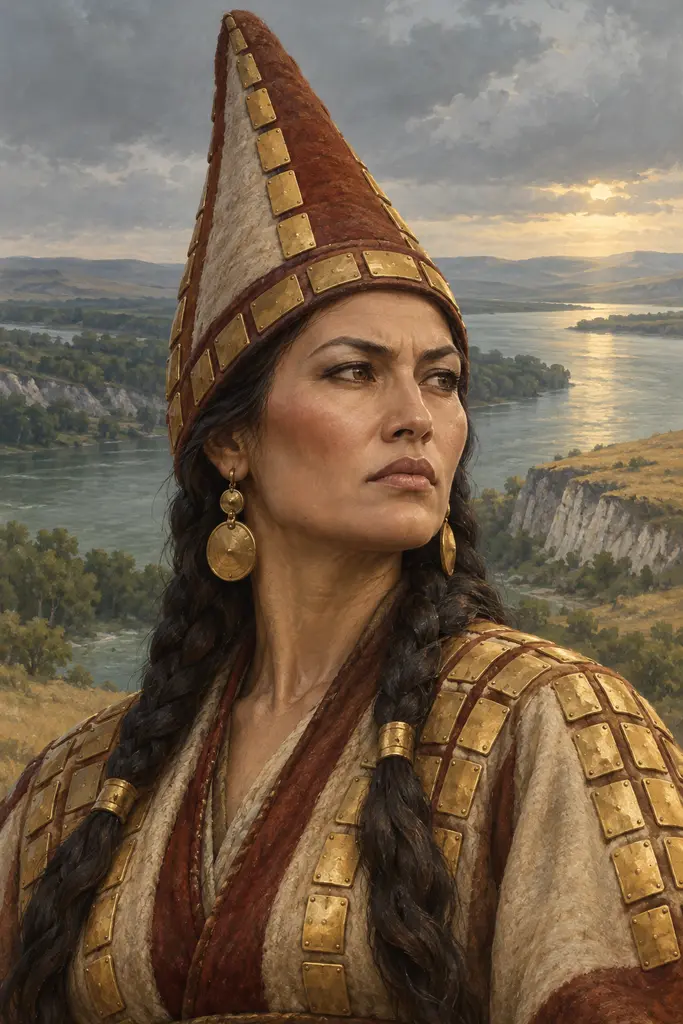
Tomyris was queen of the Massagetae, a nomadic people who lived east of the Caspian Sea. Herodotus says Cyrus the Great invaded her land in 530 and was defeated and killed there, and that she then took a cruel revenge on his body. No Persian source mentions her, and other Greek writers describe Cyrus dying in different ways. Later versions of her story, such as Justin's, follow Herodotus.
In the game: The game's Chronicle names Tomyris as the queen who, Herodotus says, killed Cyrus in 530, and it notes that other accounts differ. This is a fair summary of the sources.
A widowed queen beyond the Araxes
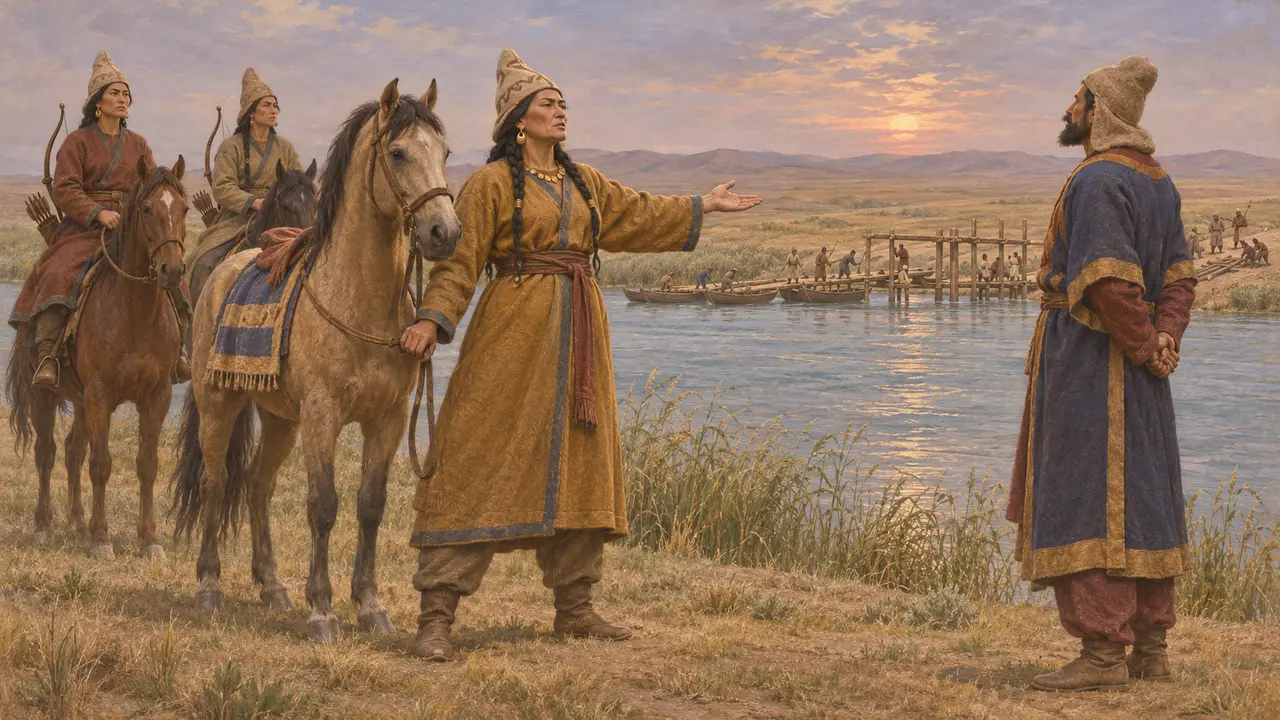
Ancient accountHerodotus says Tomyris ruled the Massagetae after her husband died. They were a horse-riding people living beyond a river he calls the Araxes. Cyrus first asked to marry her, but she saw that he wanted her kingdom and refused. When he began bridging the river, she offered to fight on either bank, either withdrawing three days' march to let him cross or crossing over herself.
Herodotus 1.201-206, 1.215
The banquet trap and the battle
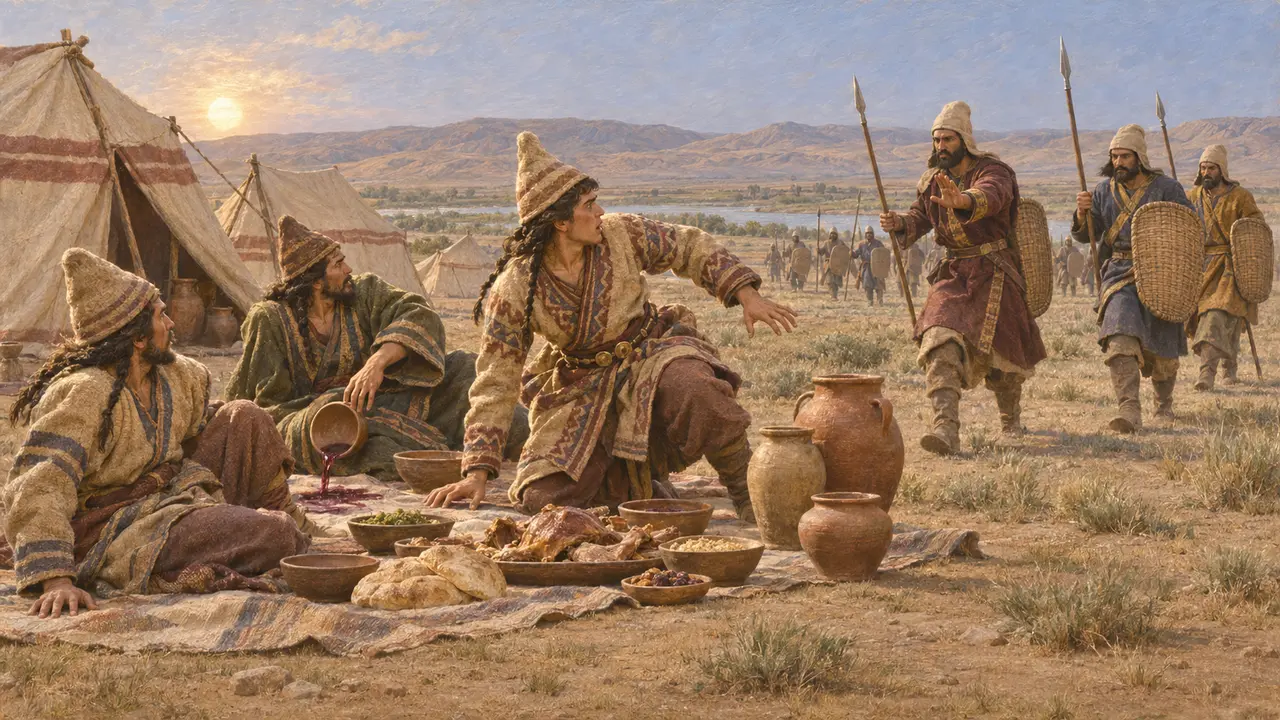
Ancient accountHerodotus says Cyrus took the advice of Croesus: cross the river, leave a camp of weak troops with wine and food, and fall back. A third of the Massagetae, led by the queen's son Spargapises, took the camp, feasted and were overrun while drunk. Spargapises later killed himself in captivity. In the battle that followed, which Herodotus calls the fiercest ever fought between non-Greeks, most of the Persian army died and Cyrus was killed.
Herodotus 1.207-214
The head in the wineskin
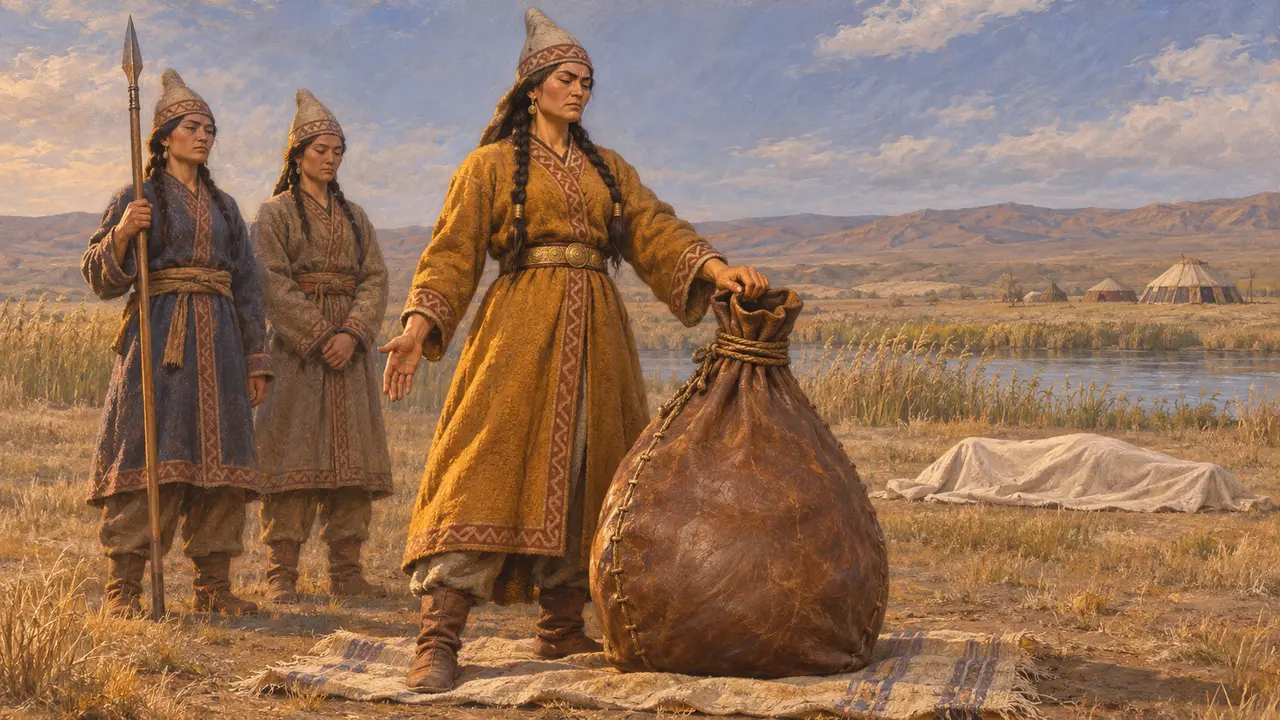
Later legendHerodotus ends the story with Tomyris searching among the dead for Cyrus's body. She put his head into a skin filled with human blood and told him she was giving him his fill of the blood he had craved. The scene answers her earlier warning to him and reads as a moral tale about a conqueror's greed. Herodotus says he had heard many versions of Cyrus's death and chose this one as the most believable.
Herodotus 1.212-214
Other accounts of Cyrus's death
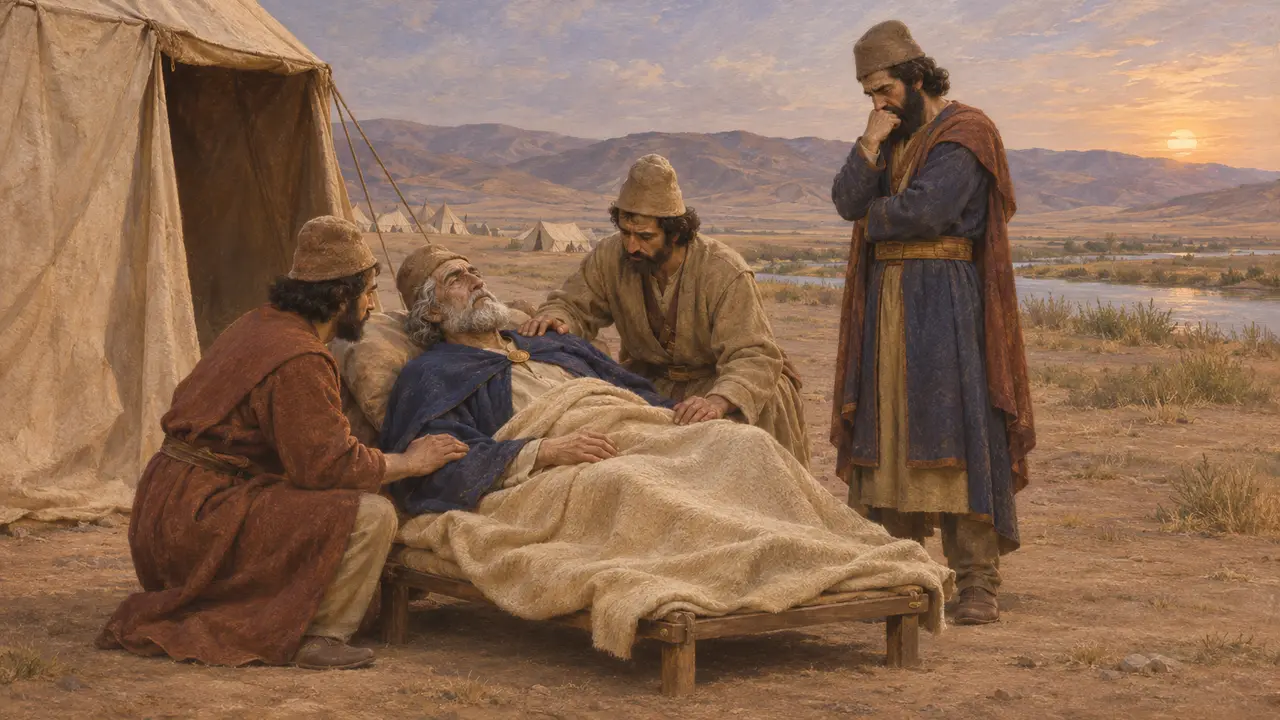
DisputedCtesias, a Greek doctor at the Persian court around 400, said Cyrus was wounded fighting the Derbices and died three days later. Xenophon has him die peacefully in Persia after advising his sons. Justin's much later Latin summary of Trogus keeps the Tomyris story with new details. Historians mostly accept that Cyrus probably died on campaign in Central Asia, but who his enemy was and which river the Araxes was remain open questions.
Ctesias, Persica, in Photius, Bibliotheca 72; Xenophon, Cyropaedia 8.7; Justin, Epitome of Pompeius Trogus 1.8; P. Briant, From Cyrus to Alexander, 2002
What the record confirms
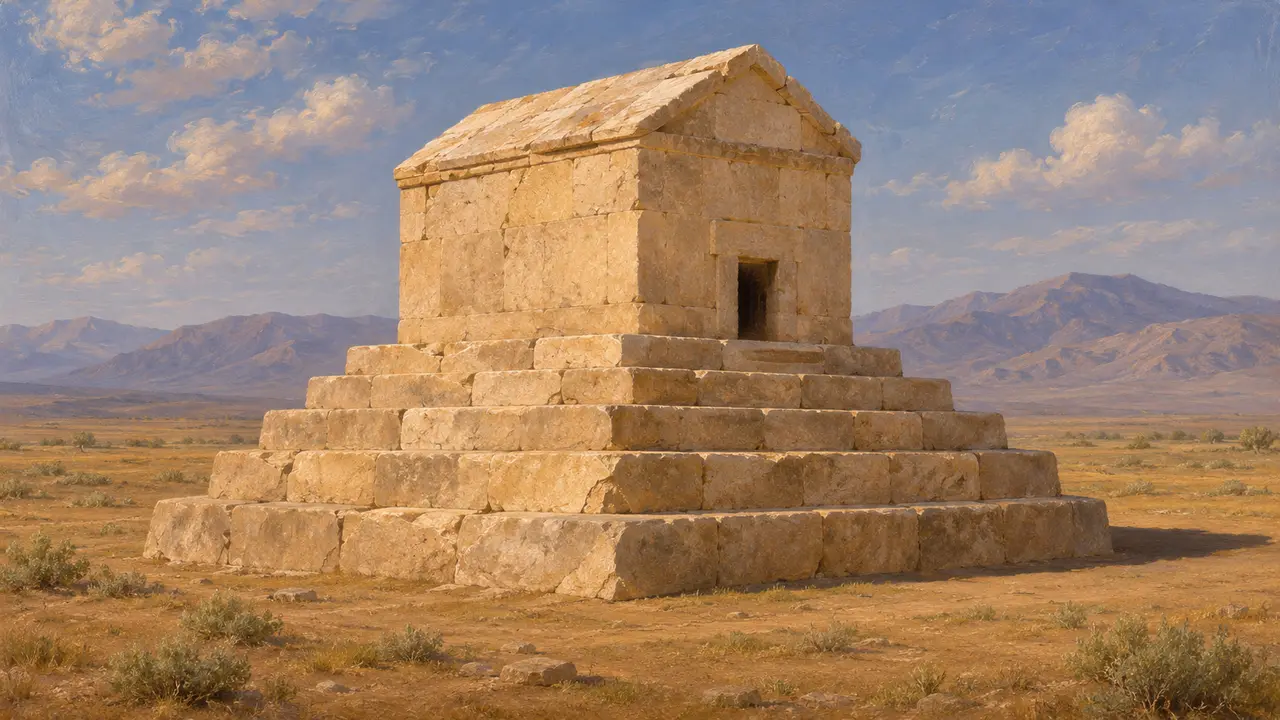
In the recordBabylonian documents, which were dated by the king's regnal year, show that Cyrus's reign ended in 530 and that Cambyses was recognised as king by late summer. No text from the time names Tomyris or the Massagetae war, so the details of where Cyrus died and who killed him rest on Greek writers. The stone tomb at Pasargadae generally identified as his still stands, although it was found empty in modern times.
R. A. Parker and W. H. Dubberstein, Babylonian Chronology 626 BC-AD 75, 1956; D. Stronach, Pasargadae, 1978
Sources
- Herodotus 1.201-216
- Ctesias, Persica, in Photius, Bibliotheca 72
- Xenophon, Cyropaedia 8.7
- P. Briant, From Cyrus to Alexander, 2002
- R. A. Parker and W. H. Dubberstein, Babylonian Chronology 626 BC-AD 75, 1956
- D. Stronach, Pasargadae, 1978