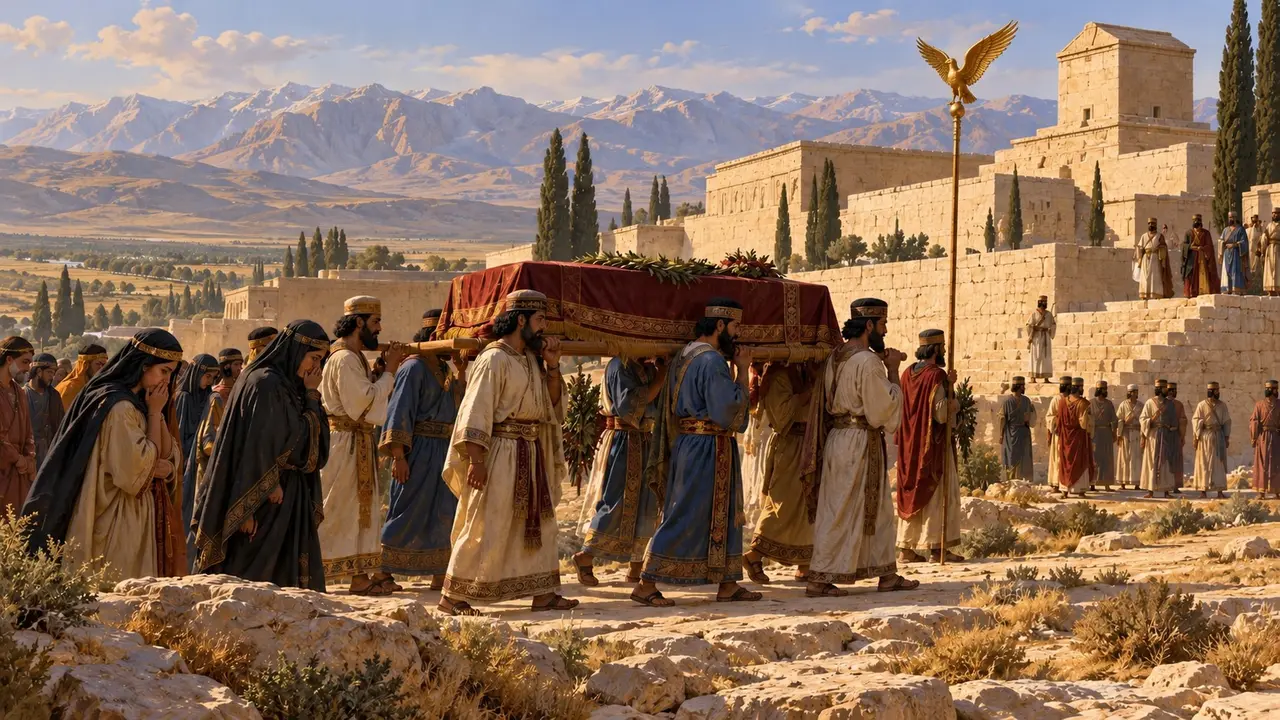
The Araxes
The river beyond which Cyrus fought the Massagetae, where he died in 530 BCE
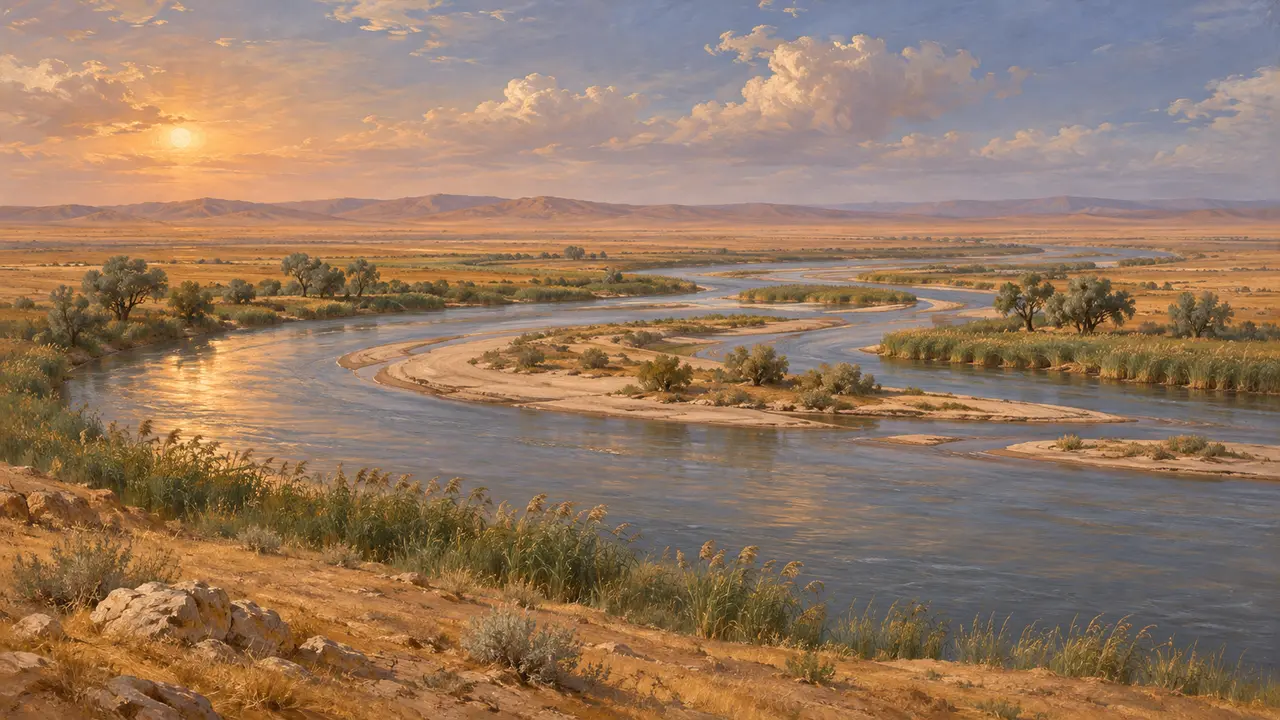
Herodotus calls the river Cyrus crossed to attack the Massagetae the Araxes. It ran east toward the Caspian, and beyond it lay the lands of the nomads and their queen Tomyris. Which river he meant is not certain: most think the Oxus or the Jaxartes, not the Araxes of Armenia.
In the game: The Araxes is named in the Pasargadae level's Chronicle and chatter, as the river the King's army crossed on the campaign where Cyrus died.
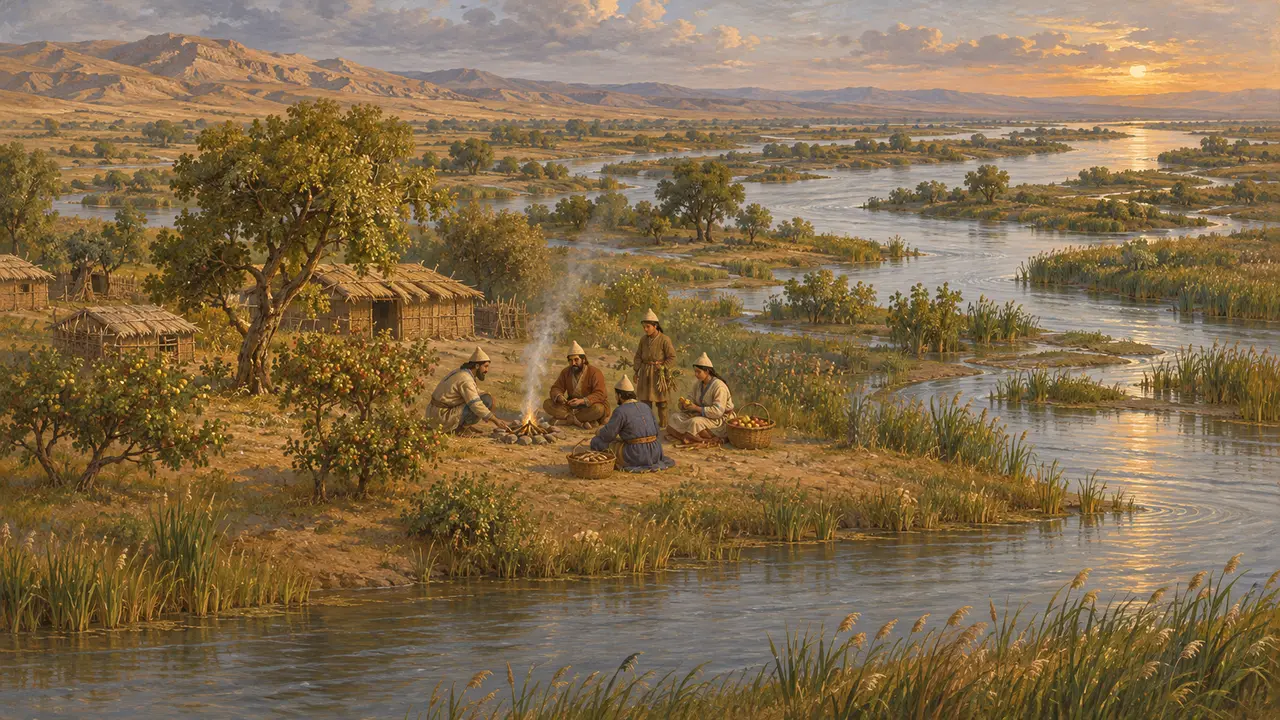
A river of islands
Ancient accountHerodotus says some called the Araxes larger and some smaller than the Ister, with many islands as large as Lesbos, whose people lived on roots and fruit and grew drunk on the smoke of a burning fruit. He says it rose among the Matieni and ran in forty mouths, all but one into marshes.
Herodotus 1.202
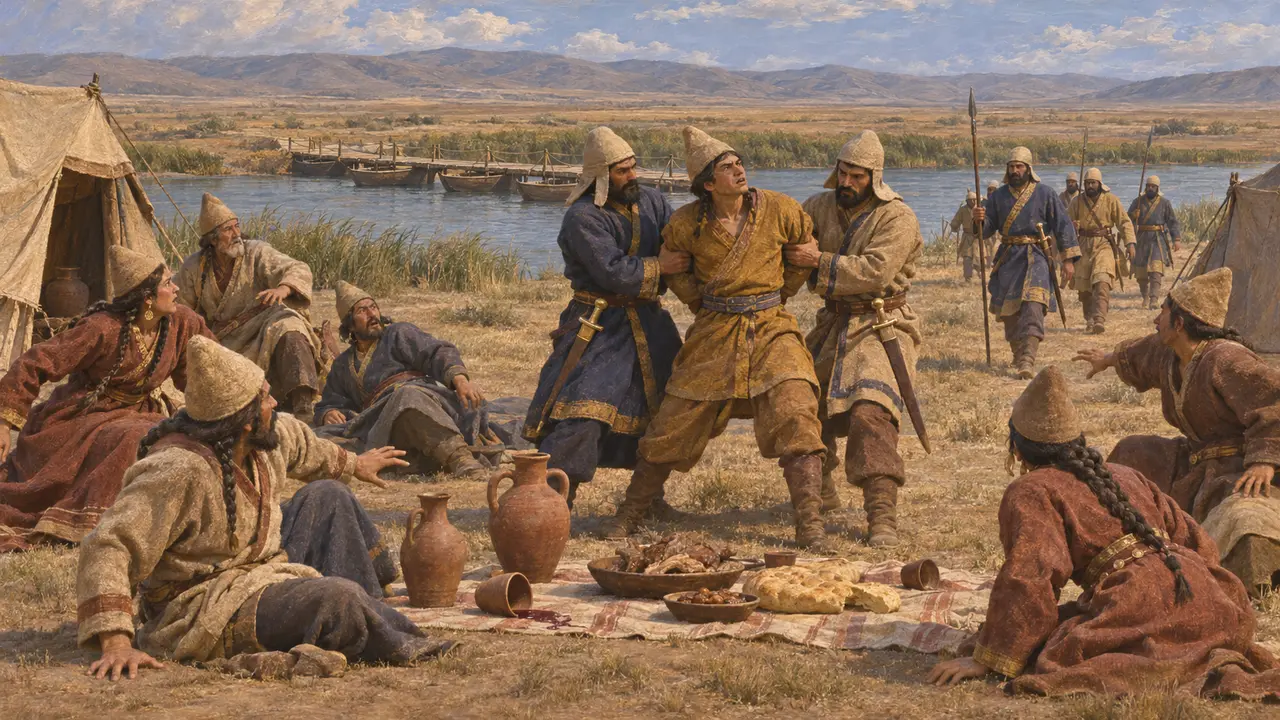
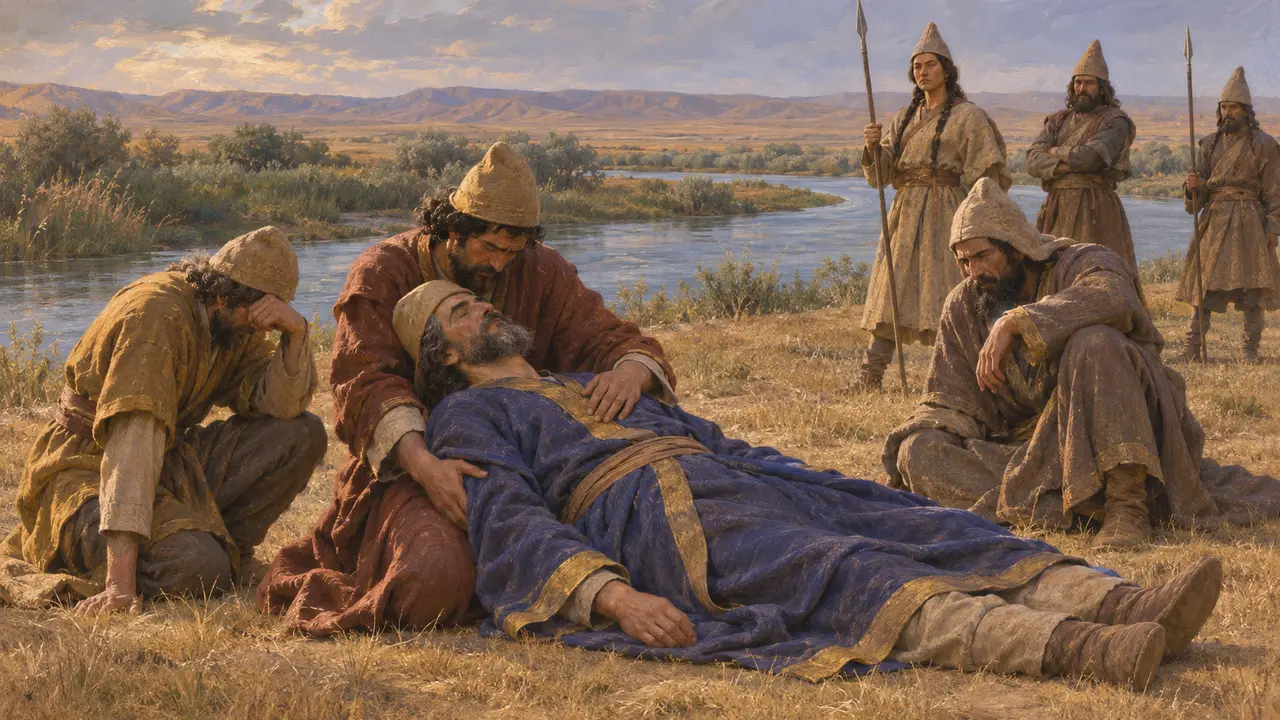
Cyrus's death
DisputedIn Herodotus Cyrus was killed beyond the river in a hard battle, and Tomyris put his head in a skin of blood. He admits other tales were told. Ctesias says Cyrus died of a wound fighting the Derbices, and Xenophon has him die peacefully at home. No Persian record tells it.
Herodotus 1.214; Ctesias, Persica; Xenophon, Cyropaedia 8.7
Which river?
DisputedHerodotus seems to join several rivers into one Araxes. His description of a river flowing east toward the Caspian fits the Oxus (Amu Darya) or the Jaxartes (Syr Darya) better than the Araxes of Armenia, and historians place the Massagetae east of the Caspian.
P. Briant, From Cyrus to Alexander, 2002
Sources
- Herodotus 1.201-216
- Ctesias, Persica (Photius's summary)
- P. Briant, From Cyrus to Alexander, 2002