Encyclopedia › Battles and events
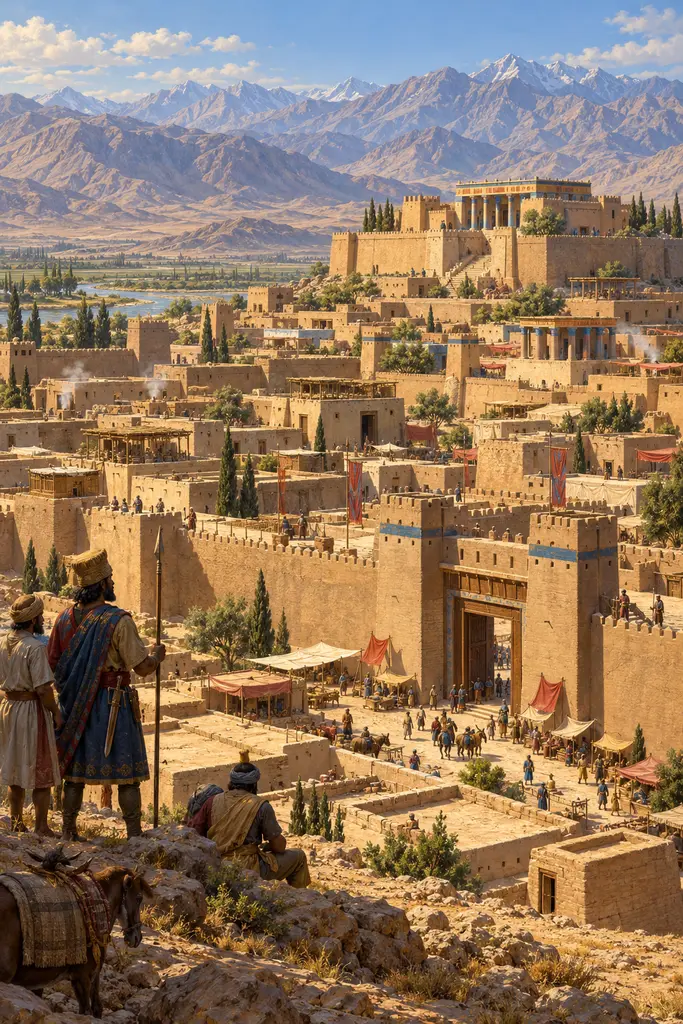
Cyrus's war with the Massagetae
Cyrus's last campaign, against Queen Tomyris beyond the Araxes, about 530 BCE
In the game: Level 1: The Founder's Tomb
Cyrus's last campaign, in about 530, took him against the Massagetae, a horse-riding people of the steppes east of the Caspian. Herodotus says he crossed the Araxes, was defeated by Queen Tomyris and fell in battle, though other ancient writers told the story differently. His death brought his son Cambyses to the throne, and later Greek writers say he was buried in the tomb that still stands at Pasargadae.
In the game: The Pasargadae Chronicle reports Cambyses named heir and sent home with Croesus, then Cyrus's death and an order to ready his tomb. The tomb was probably built in his lifetime, so that order is a simplification.
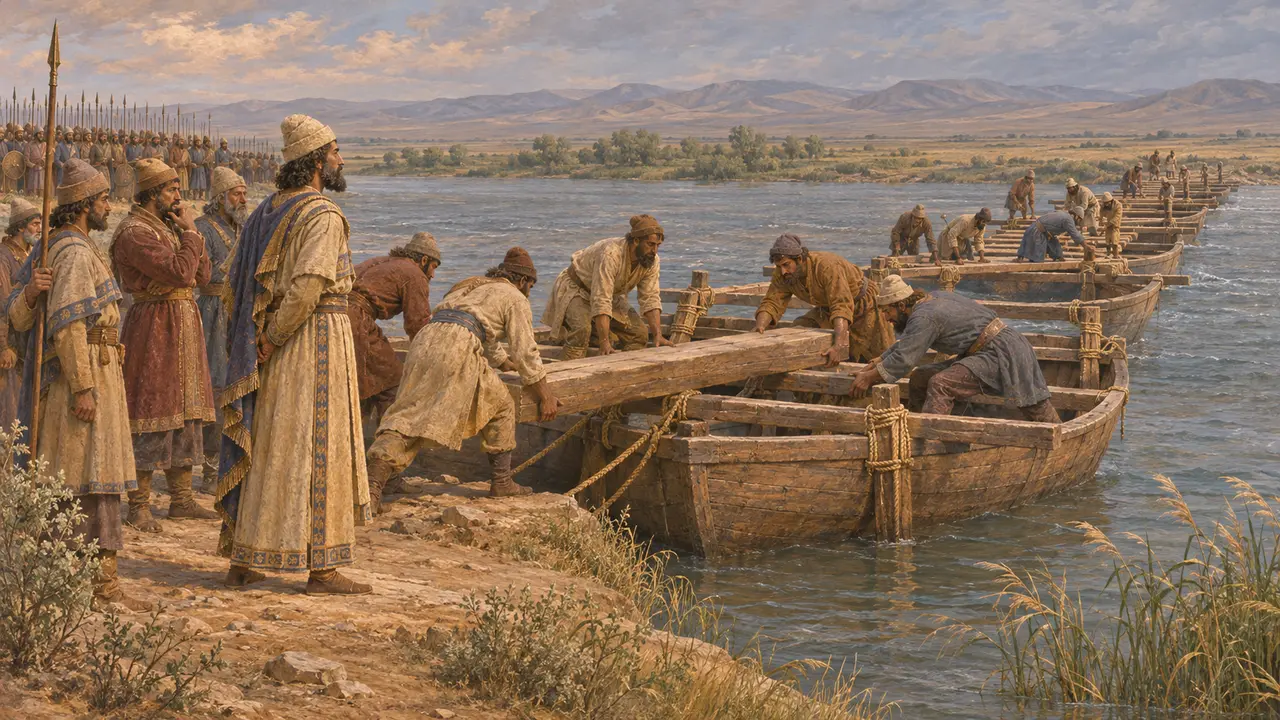
The march beyond the Araxes
Ancient accountHerodotus says that after taking Babylon, Cyrus turned against the Massagetae, who were ruled by the widowed queen Tomyris. He first offered to marry her. She understood that he wanted her kingdom rather than herself and refused, so he began to bridge the river. Herodotus's Araxes is a confused river, and historians have identified it variously with the Oxus, the Jaxartes or another river of Central Asia.
Herodotus 1.201-206
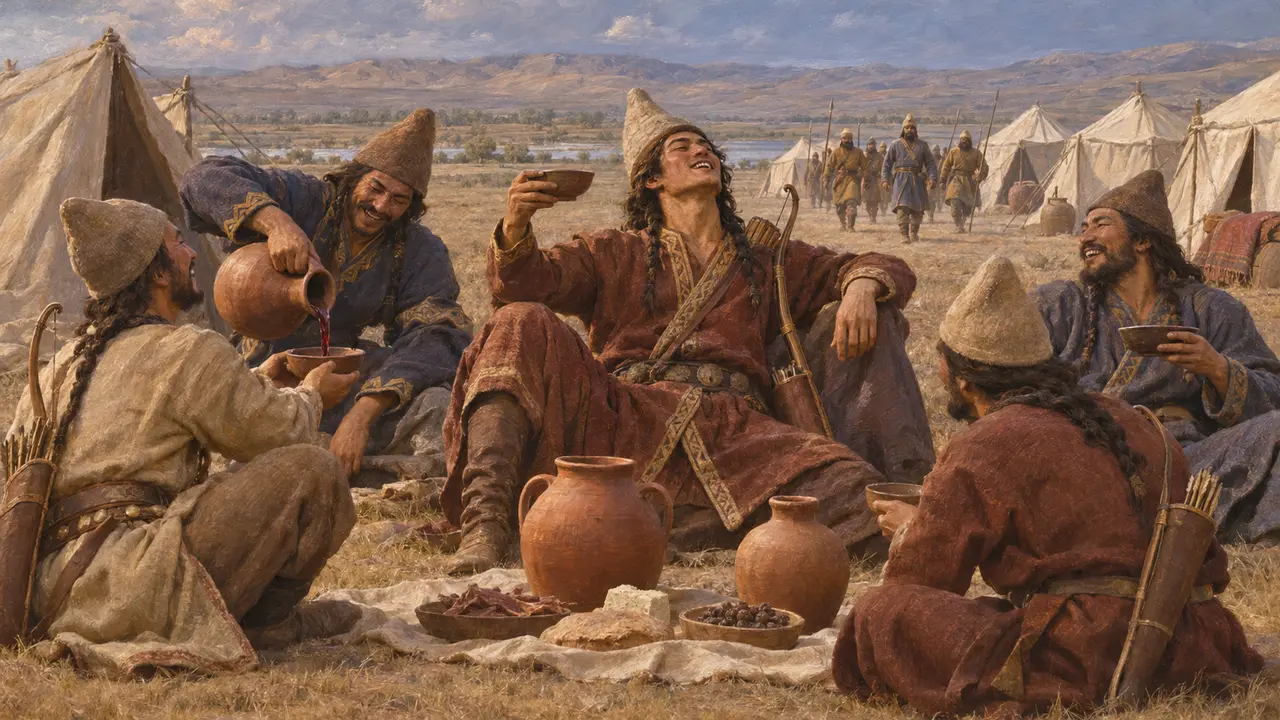
Cambyses named heir and the trap
Ancient accountFollowing advice from Croesus, Cyrus chose to cross and fight in Massagetan land. Before crossing, he named Cambyses his heir and sent him back to Persia with Croesus. A third of the Massagetae, led by Tomyris's son Spargapises, overran a camp left stocked with wine, feasted and were overwhelmed, and Spargapises killed himself in captivity. Herodotus says most of the Persian army died in the battle that followed, and Cyrus fell after reigning 29 years.
Herodotus 1.207-214
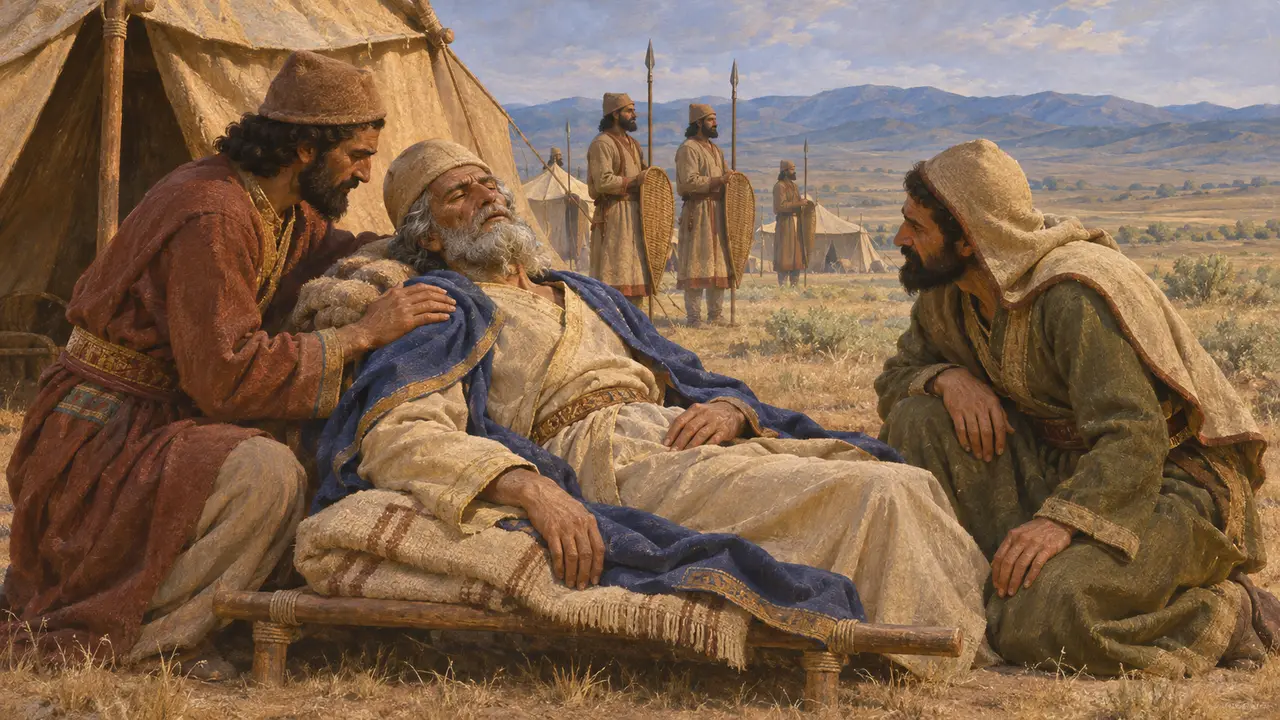
Other stories of Cyrus's death
DisputedHerodotus himself says he chose the most believable of many versions. Ctesias, as summarised by Photius, has Cyrus mortally wounded fighting the Derbices of Central Asia and dying three days later. Xenophon ends his Cyropaedia with Cyrus dying peacefully in old age in Persia, a scene written to teach. Most historians accept that Cyrus died on campaign in the north-east, but not the details.
Ctesias, Persica (via Photius); Xenophon, Cyropaedia 8.7
What the Babylonian tablets fix
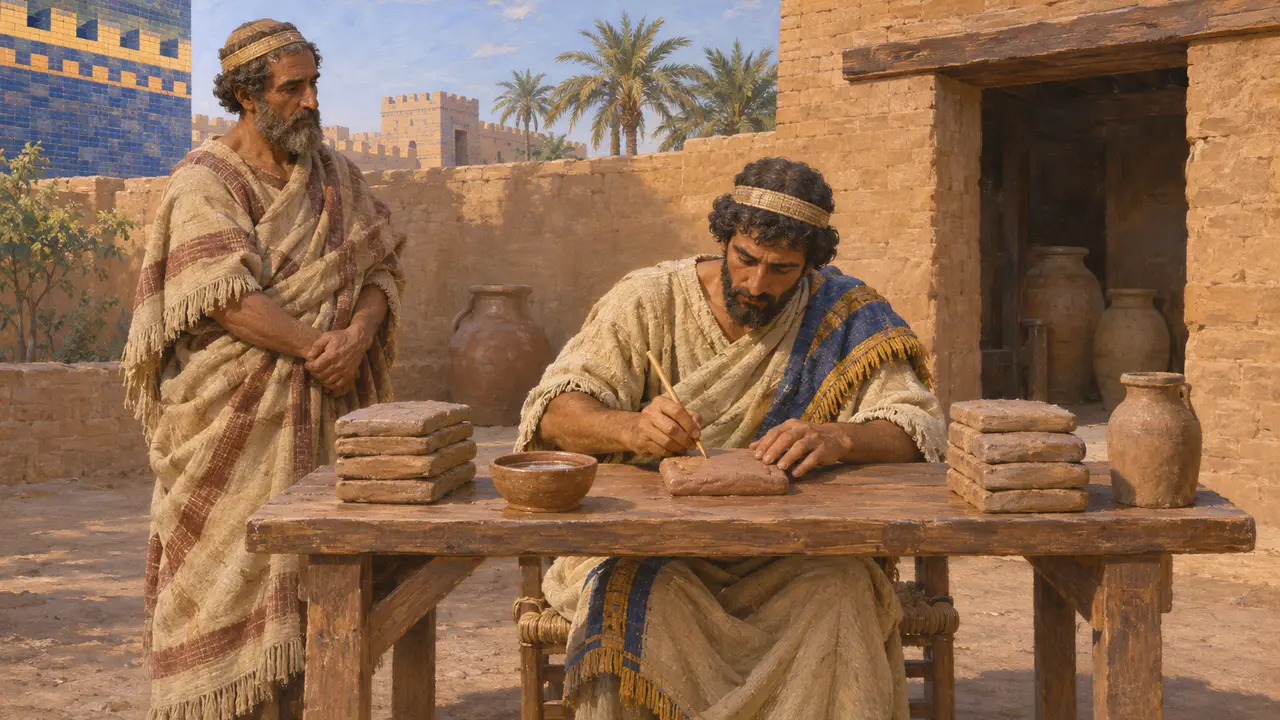
In the recordNo Persian inscription describes this war. Babylonian contract tablets were dated by the regnal year of the king. The last ones dated to Cyrus are from August 530, and those dated to Cambyses follow within weeks, which fixes the year of his death but not its place or manner. Cambyses had briefly been styled king of Babylon beside his father in 538, which suggests that his succession had been planned.
Babylonian dated tablets; P. Briant, From Cyrus to Alexander, 2002
Tomyris and the skin of blood
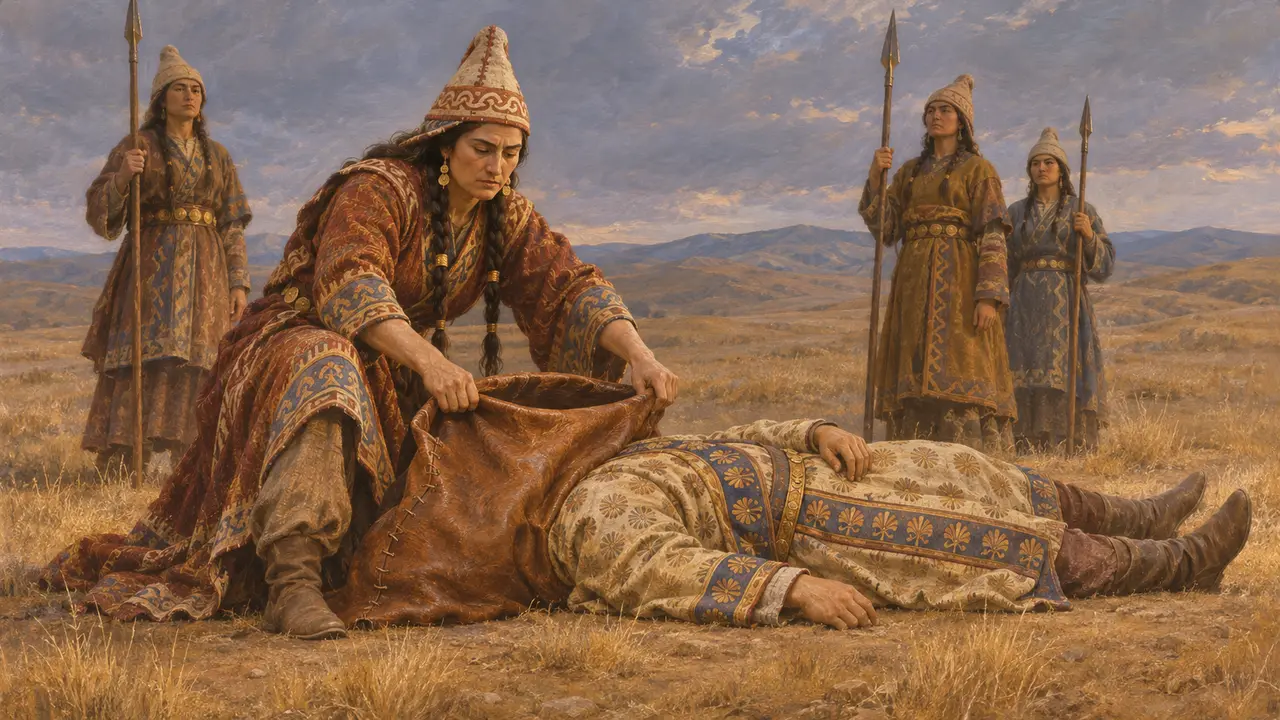
Later legendHerodotus closes the story with Tomyris filling a skin with human blood, finding Cyrus among the dead and plunging his head into it, saying she would give him his fill of blood. He also tells of Cyrus dreaming of a winged Darius, a warning shaped by later events. Both scenes belong to a moral tale about a conqueror who did not know when to stop and are unlikely to be literal history.
Herodotus 1.209-210; Herodotus 1.214
Sources
- Herodotus 1.201-214
- Ctesias, Persica (via Photius)
- Xenophon, Cyropaedia 8.7
- P. Briant, From Cyrus to Alexander, 2002
- A. Kuhrt, The Persian Empire, 2007
- Arrian, Anabasis 6.29