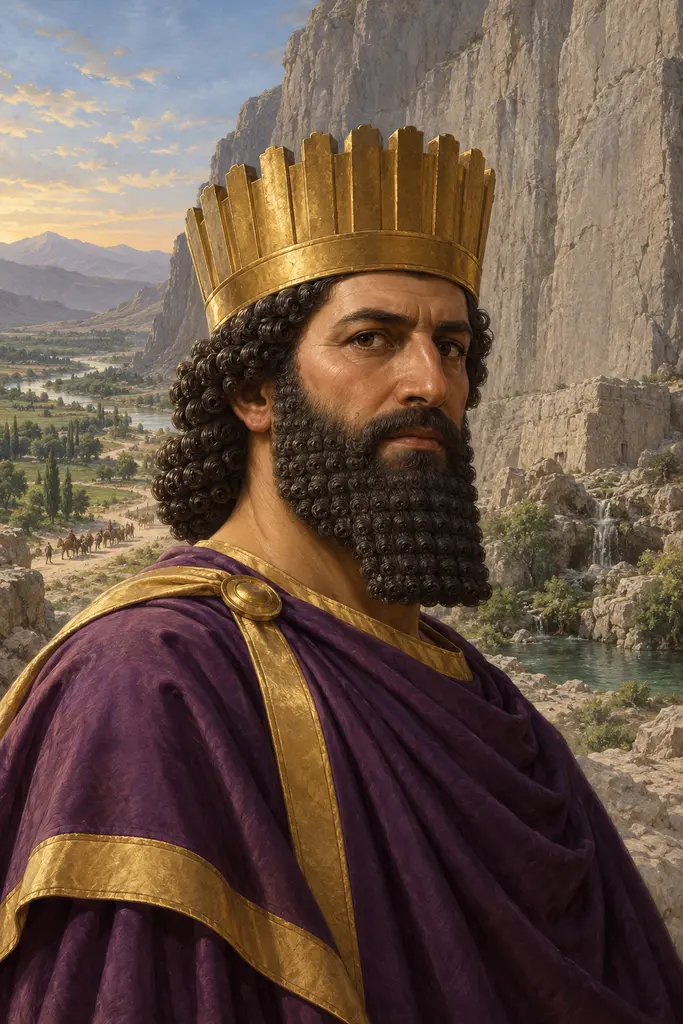
Darius the Great
King of the Persian empire, son of Hystaspes, reigned 522-486 BCE
In the game: Level 1: The Founder's Tomb, Level 2: The Spear-bearer, Level 3: The Lie, Level 4: The Terrace, Level 5: The Charter, Level 6: The Bridge of Boats, Level 7: Sardis Burns, Level 8: The Bay of Marathon, Level 9: The Canal, Mycale
Darius I ruled the Persian empire from 522 to 486. A Persian noble outside Cyrus's direct line, he seized the throne after Cambyses died, put down a year of revolts, and gave the empire much of the tribute system, building programme and royal ideology it kept for nearly two centuries. Herodotus says he had earlier served Cambyses in Egypt as a spear-bearer.
In the game: The game's chronicle credits Darius with organising the empire into satrapies. Satraps already governed under Cyrus and Cambyses; Darius reorganised their tribute rather than creating the system.
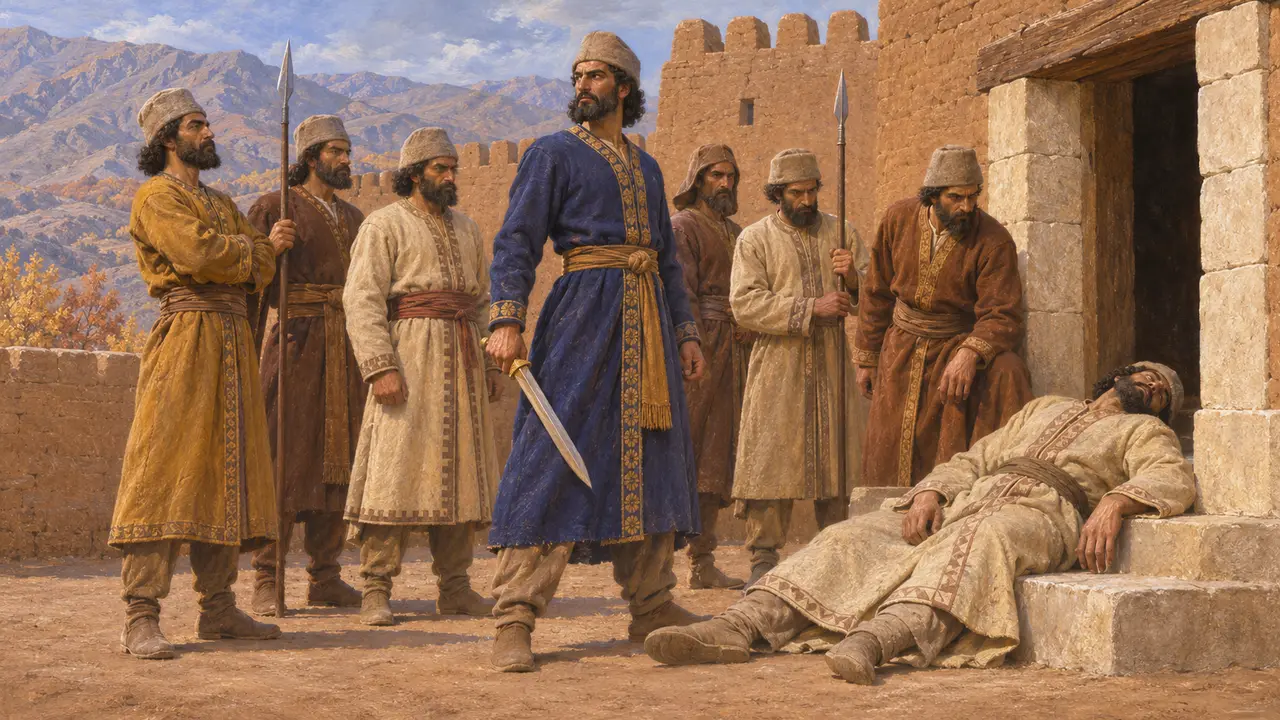
Accession in his own words
In the recordIn the Behistun inscription Darius says that a magus named Gaumata seized the kingship by claiming to be Cyrus's son Bardiya, whom Cambyses had secretly killed, and that Cambyses then died. With six Persian nobles, whom he names, Darius killed Gaumata at a fortress in Media in autumn 522. He then claims to have fought nineteen battles and captured nine rebel kings within a single year, in lands from Persis and Elam to Babylonia, Media and the east.
DB §§10-13, 52, 68
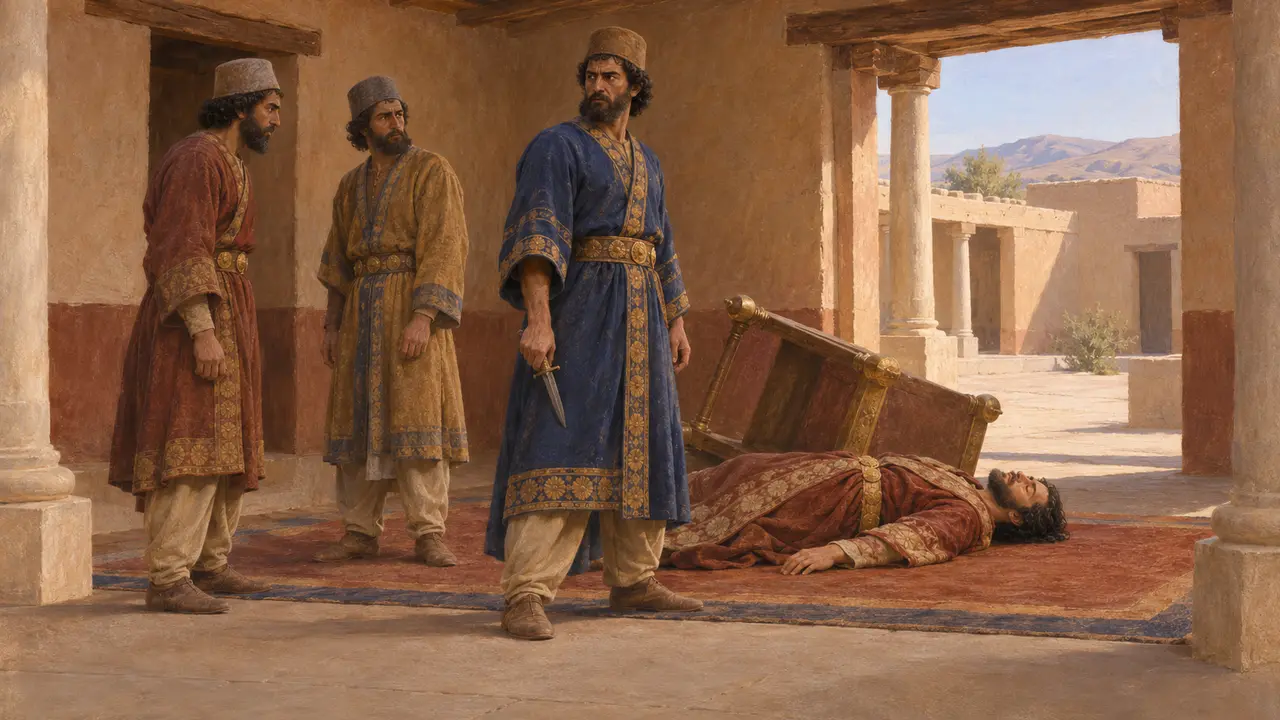
Usurper or restorer
DisputedMany historians doubt the Behistun story. Darius's father Hystaspes was still alive, and Darius's right to rule rested on a shared ancestor, Achaemenes, whom some scholars think he promoted to tie his family to Cyrus's. The man he killed may have been the real Bardiya, with the impostor tale serving to justify a coup. Herodotus tells a similar story, probably drawn from Persian informants who repeated Darius's version.
P. Briant, From Cyrus to Alexander, 2002; Herodotus 3.61-79
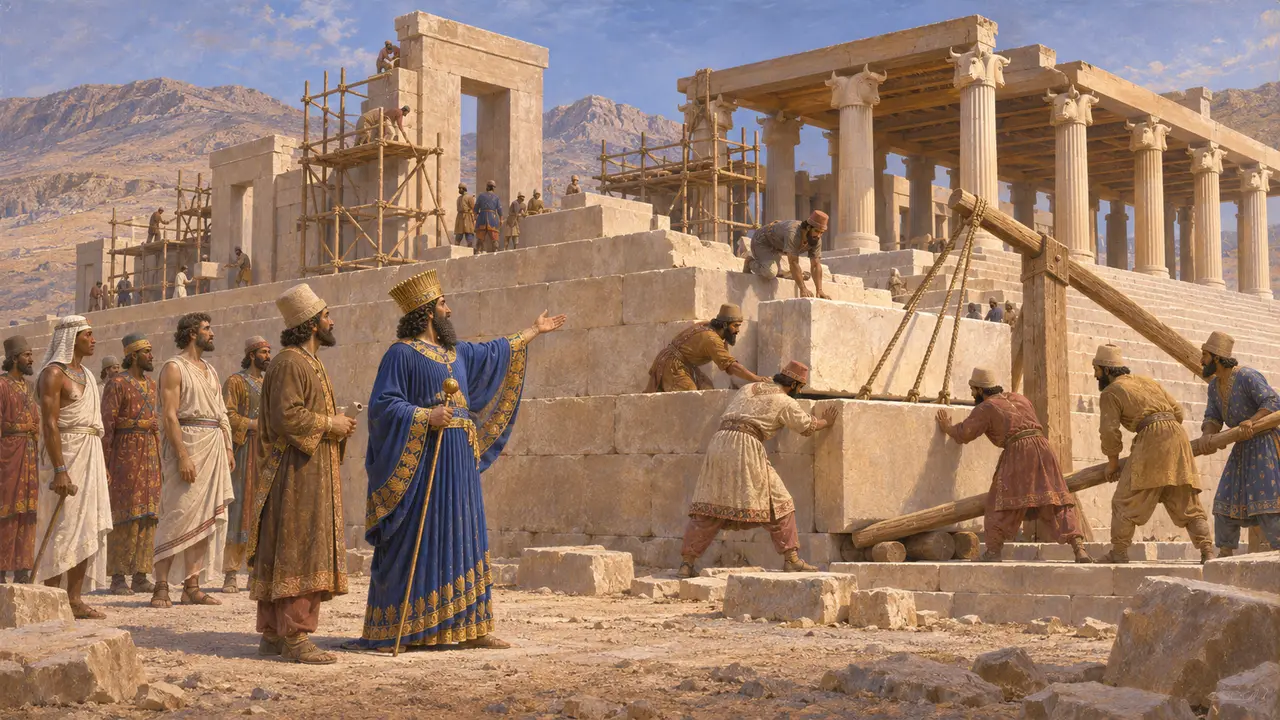
Builder of Persepolis and Susa
In the recordDarius began the stone terrace at Persepolis about 518 and built a palace at Susa. Its foundation charter lists materials and craftsmen drawn from across the empire. The Elamite Fortification tablets from Persepolis, dated 509 to 493, record rations for workers, travellers on the royal roads and offerings to many gods. He was buried in a rock-cut tomb at Naqsh-e Rostam, inscribed with a statement of his kingship.
DSf; Persepolis Fortification tablets; DNa
Tribute and the satrapies
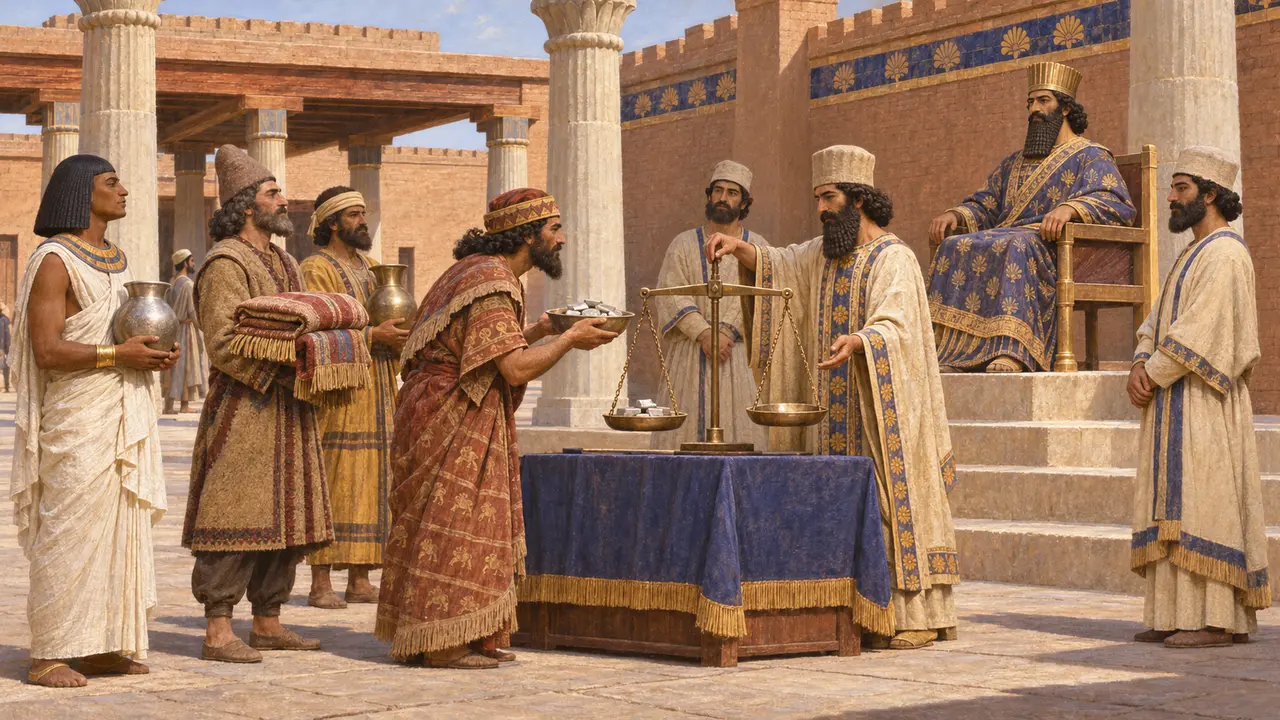
DisputedHerodotus says Darius divided the empire into twenty provinces, each paying a fixed tribute, and that the Persians called him a shopkeeper for it. Historians accept that he set tribute on a more regular footing. But satraps already governed under Cyrus and Cambyses, and Darius's own lists of subject lands, 23 at Behistun, do not match Herodotus's twenty provinces.
Herodotus 3.89-97; DB §6
Wars beyond the empire
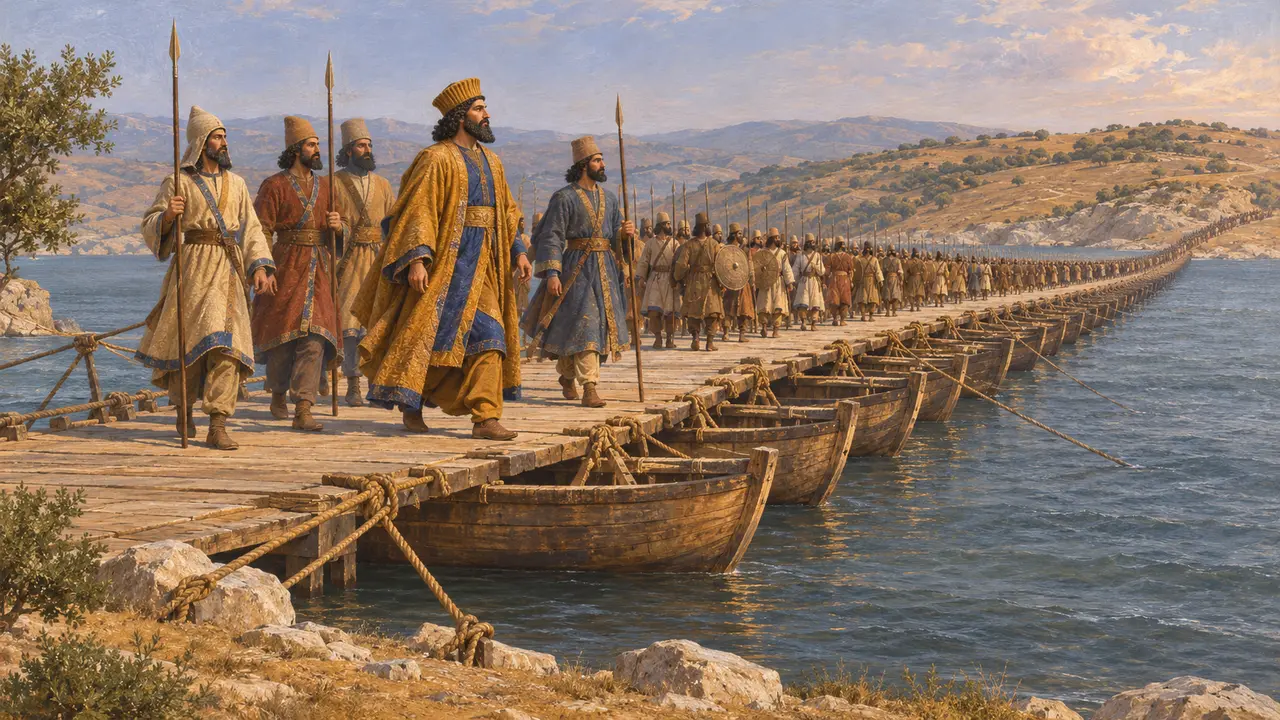
Ancient accountHerodotus tells that about 513 Darius crossed the Bosporus on a bridge of boats built by Mandrocles of Samos and led an army over the Ister against the Scythians, who retreated before him. Later he faced the Ionian revolt of 499-494 and sent Datis and the younger Artaphernes against Eretria and Athens, a force defeated at Marathon in 490. He died in 486 while preparing a new invasion, as Egypt rose in revolt.
Herodotus 4.83-142; 6.94-117; 7.1-4
Sources
- Darius I, Behistun inscription (DB)
- Herodotus, Histories, books 3-7
- Darius I, Susa foundation charter (DSf) and Naqsh-e Rostam inscription (DNa)
- R. T. Hallock, Persepolis Fortification Tablets, 1969
- P. Briant, From Cyrus to Alexander, 2002