Level 1: The Founder's Tomb · Pasargadae · 530 BCE
The Founder's Tomb
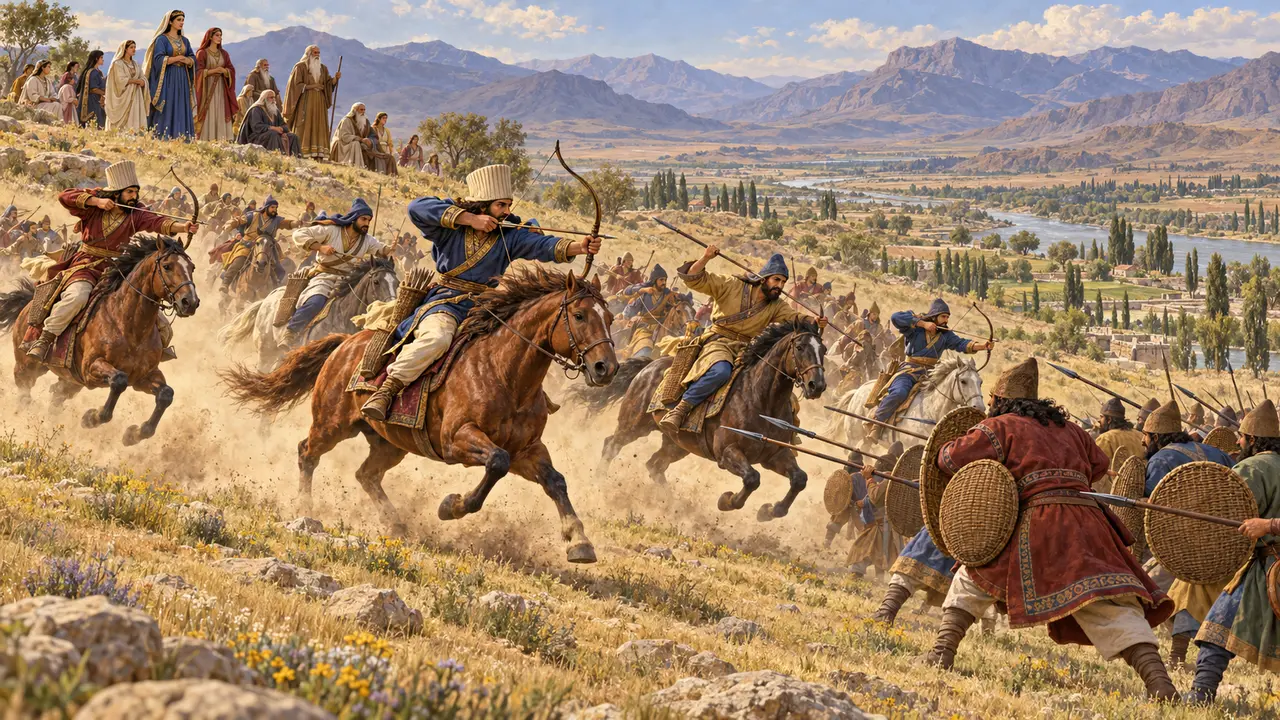
The plain of Pasargadae, where Strabo says Cyrus beat the Medes.
Encyclopedia › The History
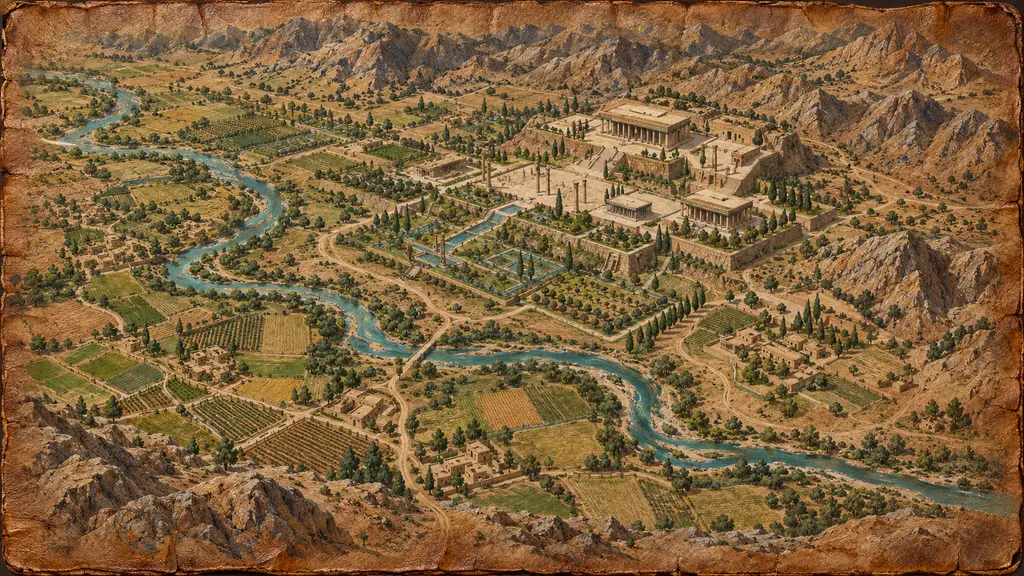
Pasargadae was Cyrus's own city, laid out on the high plain of Persis among gardens fed by stone water channels. From here a king of a small highland realm built the largest empire the world had yet seen, and here his tomb still stands.
- 559 BCE Cyrus king of Anshan
- 550 BCE Astyages of Media falls
- 547 BCE Sardis taken
- 539 BCE Babylon opens its gates
- 530 BCE Cyrus dies
- 324 BCE Alexander restores the tomb
King of Anshan
In the recordCyrus called himself king of Anshan, son of Cambyses, of the line of Teispes. About 550 the Median king Astyages marched against him, but his own army mutinied and handed him over, and Cyrus took Ecbatana and its treasure. Strabo, five centuries later, says Pasargadae was founded where Cyrus won (an ancient account).
In the game: Hill raiders strike from the east, as the Medes once did.
Nabonidus Chronicle ii 1-4; Cyrus Cylinder 20-21; Strabo 15.3.8
King of the four quarters
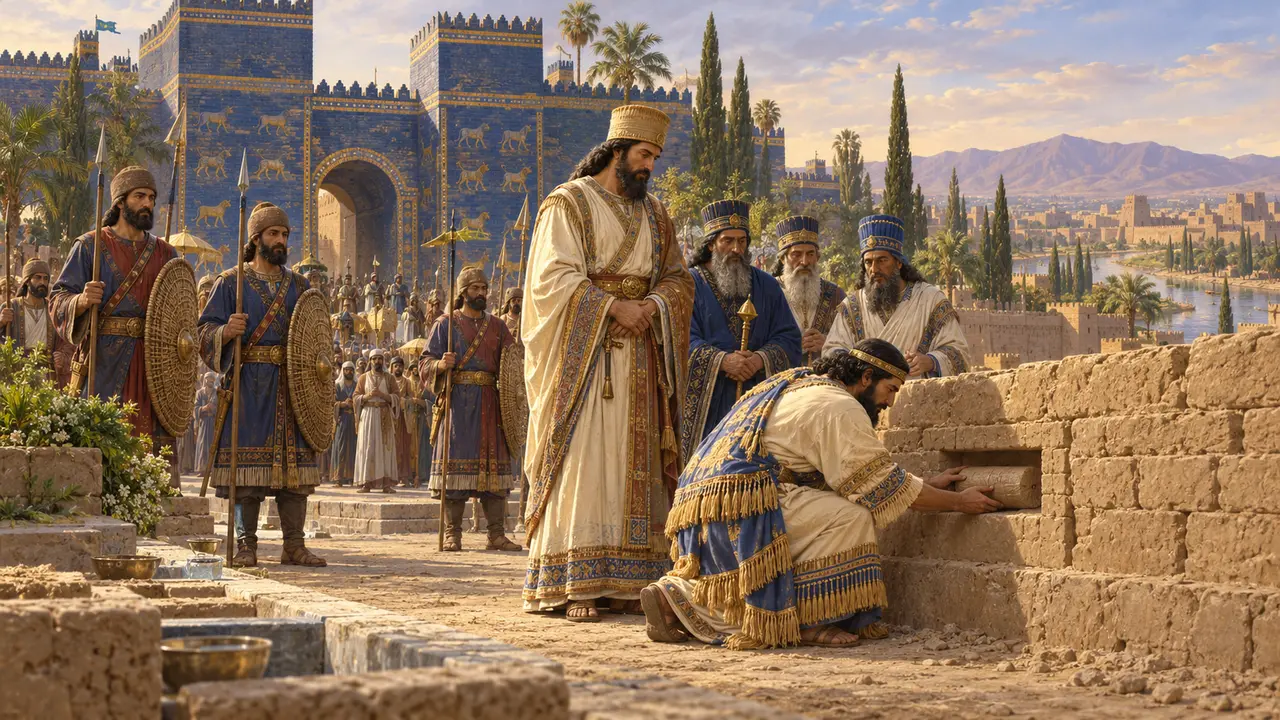
In the recordIn 539 Babylon opened its gates. A clay cylinder laid in its walls says the god Marduk chose Cyrus, and that he sent gods and peoples home. It is royal propaganda in the old Babylonian style, not the 'first charter of human rights' it is sometimes called, but it shows a conqueror who wished to be welcomed.
Cyrus Cylinder (British Museum); Nabonidus Chronicle iii 12-20
A city of gardens
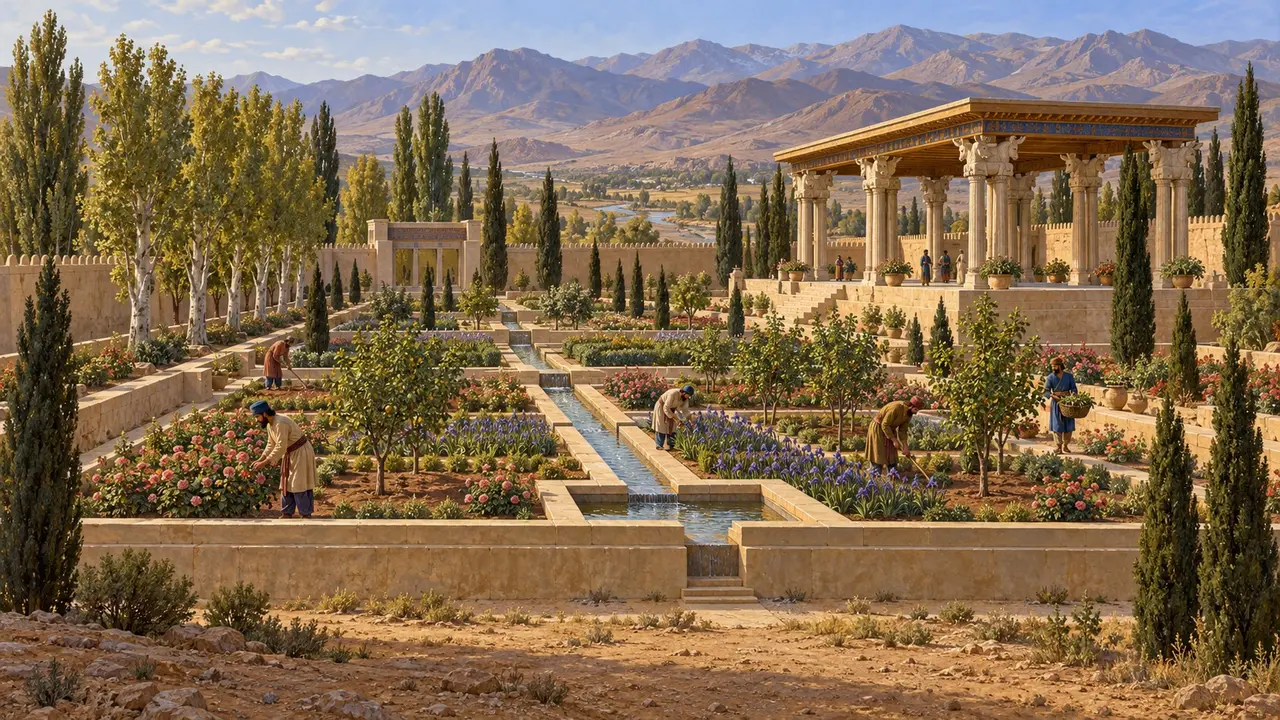
In the recordExcavations in 1961-63 found palaces with columned halls, a gatehouse with a four-winged guardian in relief, and a garden framed by limestone water channels and basins. Our word 'paradise' comes from the Old Persian for such a walled garden.
In the game: Fields watered by canals from the Pulvar feed the city.
D. Stronach, Pasargadae (1978); Xenophon, Oeconomicus 4.20-25
Stone by stone
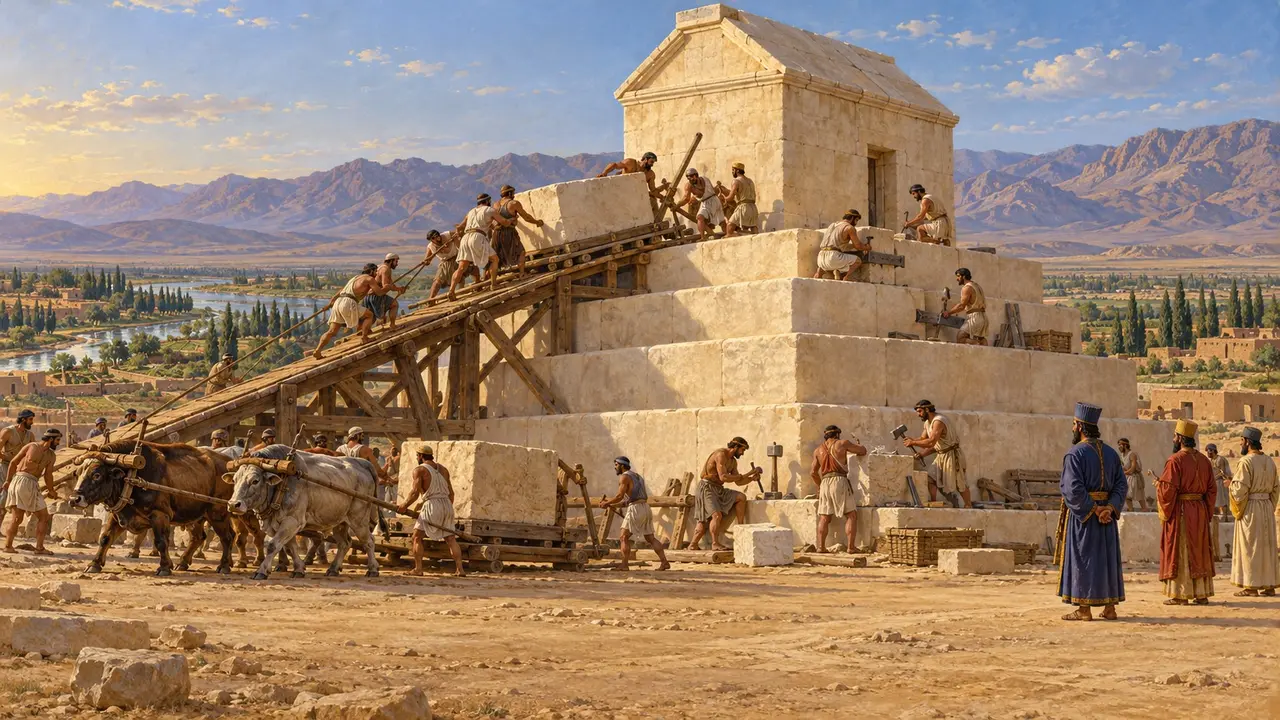
In the recordThe tomb is a gabled stone room on six stepped plinths, about eleven metres high. Its blocks are fitted without mortar and held with metal clamps, a technique learned from the stonemasons of Lydia and Ionia. Arrian describes a golden couch and coffin inside.
In the game: The tomb is the level's great work, raised one course at a time.
Arrian, Anabasis 6.29; Strabo 15.3.7; Stronach (1978)
'I am Cyrus the King'
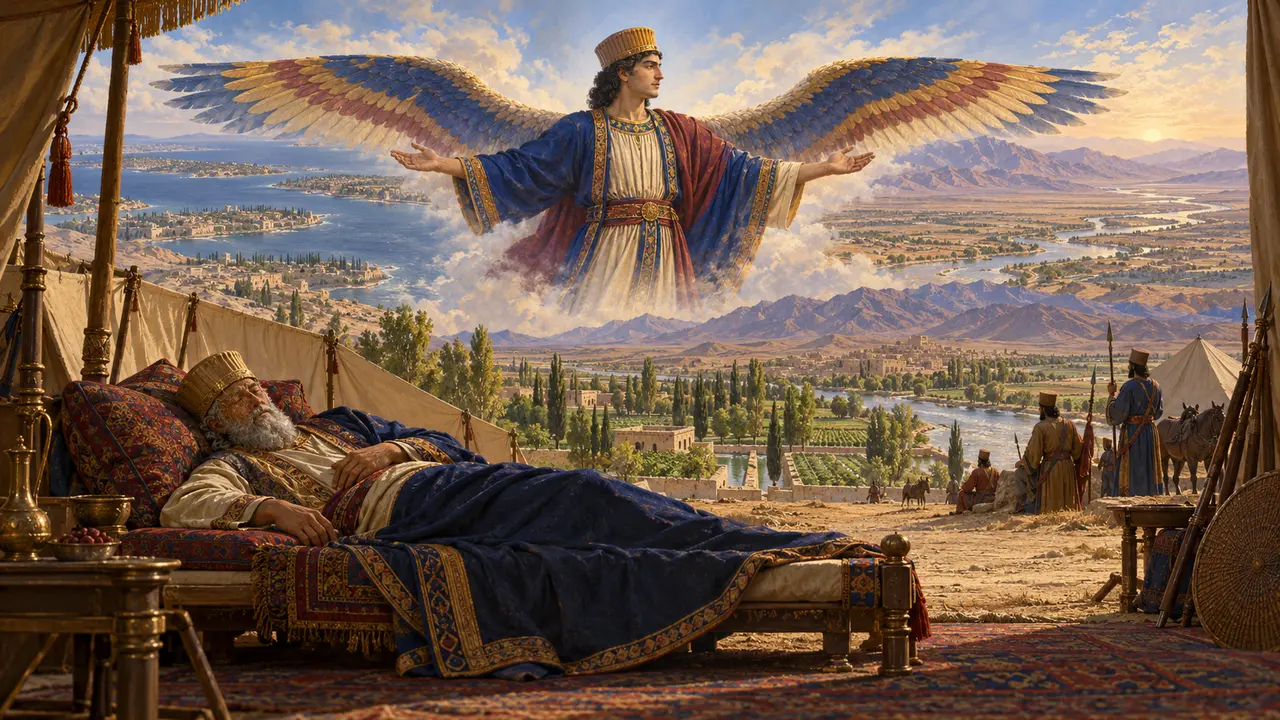
DisputedShort inscriptions on the palaces read 'I (am) Cyrus the king, the Achaemenide'. Many scholars think Darius had them cut later, to tie Cyrus to his own family. Herodotus tells that Cyrus dreamed of young Darius with wings over Asia and Europe. The game's meeting of Cyrus and Darius is a dramatized scene.
In the game: The commission from Cyrus to Darius is a labelled dramatization.
Inscriptions CMa-CMc; Herodotus 1.209
How Cyrus died
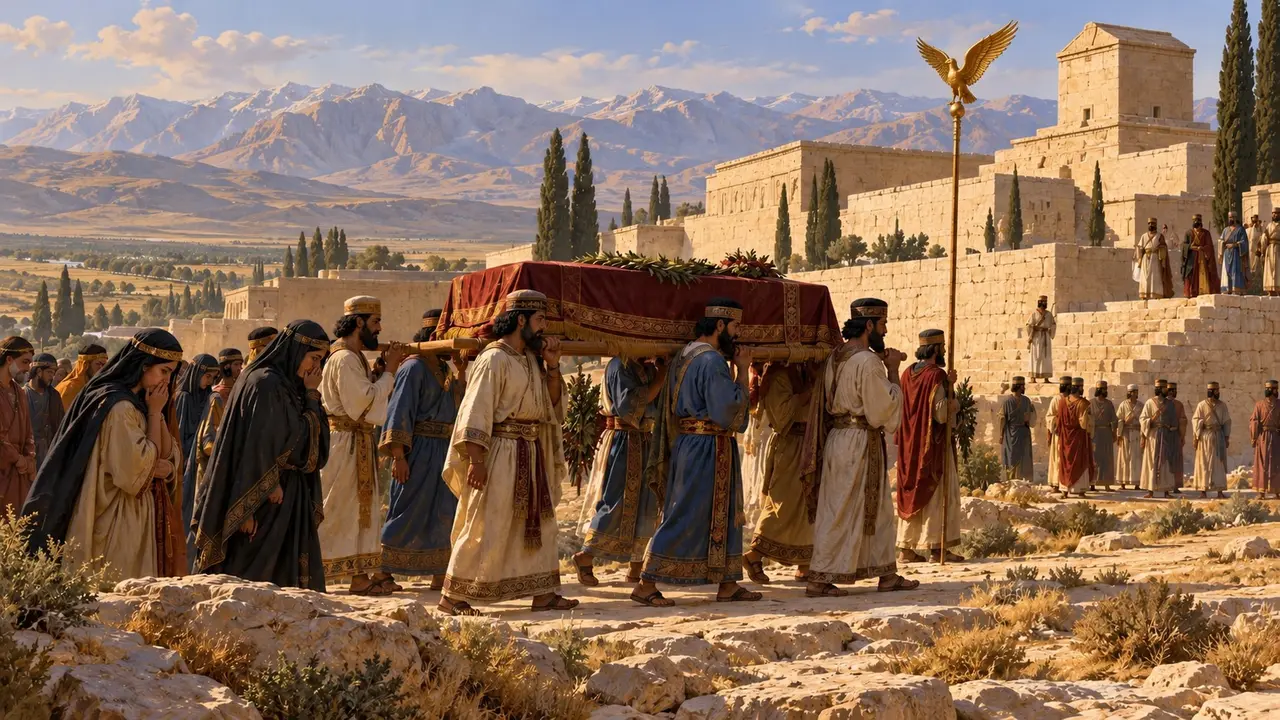
DisputedBabylonian tablets show his reign ended in 530. Herodotus chose, from many tales, the one where Queen Tomyris of the Massagetae killed him in battle. Ctesias says he died of a wound fighting the Derbices; Xenophon has him die peacefully in bed.
Herodotus 1.205-214; Ctesias (Photius 72); Xenophon, Cyropaedia 8.7
Alexander at the tomb
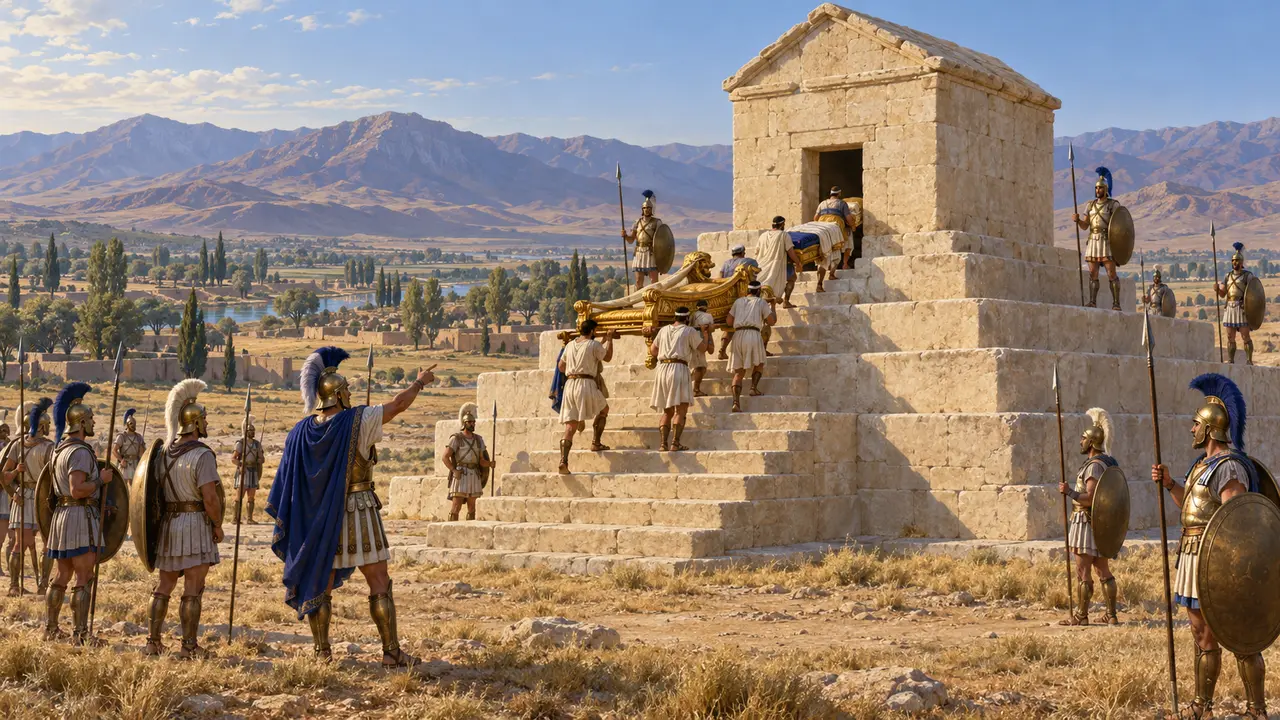
Ancient accountTwo centuries later, in 324, Alexander of Macedon found the tomb robbed. He had its keepers questioned and ordered Aristobulus to restore the body and seal the door. The tomb survived later centuries as the 'tomb of Solomon's mother'.
Arrian, Anabasis 6.29, from Aristobulus
Read next: the topics of The Founder's Tomb
Battles and events
The revolt of Cyrus against the Medes · The battle of Pasargadae · The fall of Sardis · Harpagus's conquest of Ionia · The fall of Babylon · Cyrus's war with the Massagetae · The burial of Cyrus · Cambyses' conquest of Egypt
Buildings
Well · Sanctuary · Lodge of the Magi · Scribal Office · Caravan Yard · Formal Garden · Tomb of Cyrus · Audience Hall · Residential Palace · Royal Garden · Scout Post · Archery Range · Cavalry Stable
Soldiers and ships
People
Astyages · Cyrus the Great · Tomyris · Darius the Great · Alexander of Macedon
Peoples
The Persians · The Medes · The Elamites · The Babylonians · The Lydians · The hill peoples of Persis
Places
Pasargadae · Ecbatana · Babylon · Persis · Anshan
Wildlife and weather
The gazelle · The onager · The wild goat · The white stork · The hare · The golden jackal · The lion · The urial · Wild ducks · The partridge · The kite · The griffon vulture · The rock dove · The jackdaw · The crane · The swallow · Bats · The little owl · The hooded crow