Encyclopedia › Wildlife and weather

Bats
Small flying mammals of the Persian, Egyptian and Aegean lands, 559-479 BCE
In the game: Level 1: The Founder's Tomb, Level 2: The Spear-bearer, Level 3: The Lie, Level 4: The Terrace, Level 5: The Charter, Level 6: The Bridge of Boats, Level 7: Sardis Burns, Level 8: The Bay of Marathon, Level 9: The Canal, Level 10: The Hot Gates, Level 11: The Finale
Bats almost certainly lived in all the regions the game covers, roosting in caves, tombs and old buildings. Ancient writers mention them rarely, and the Persian sources give them no clear place. What can be said rests on a Greek natural historian and on later fables.
In the game: Bats are drawn as scenery among the birds overhead on eleven levels, from Pasargadae to Plataea, and no rule reads them. The game shows them as birds in the sky; they are mammals.
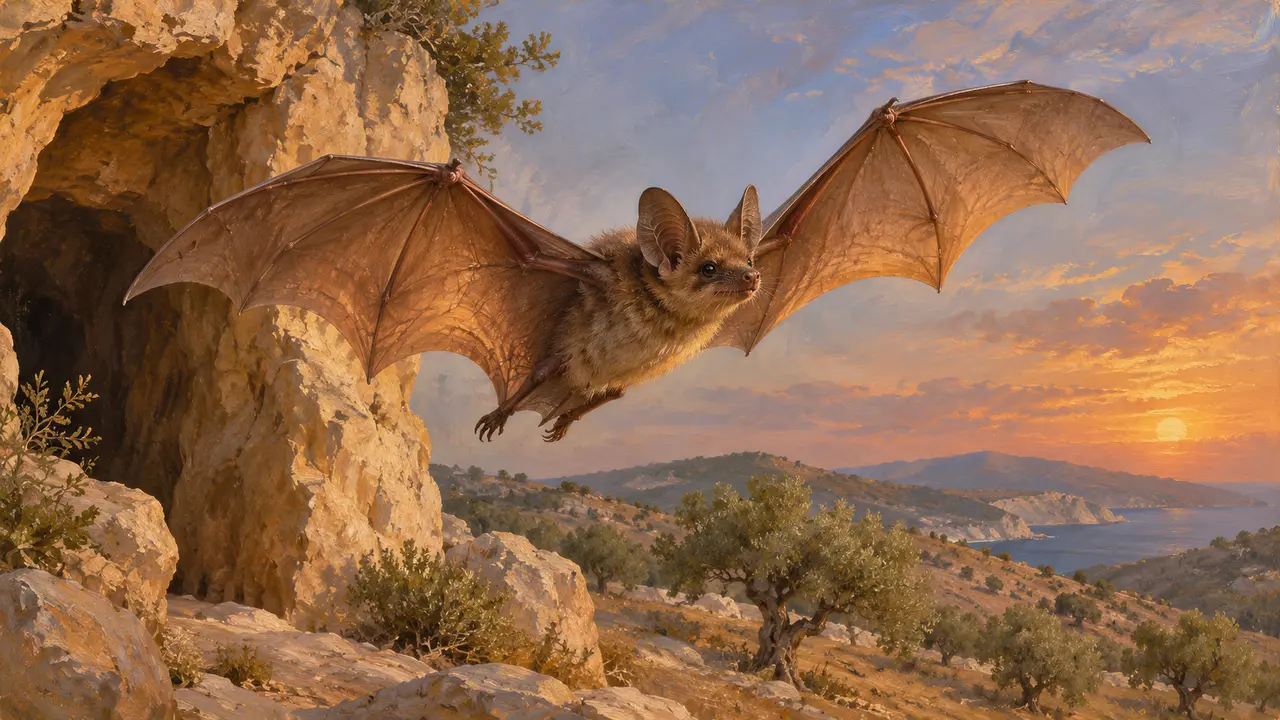
Mammals, not birds
Ancient accountAristotle, writing in the fourth century, treated the bat as a winged animal with a membrane rather than feathers. He placed it apart from the true birds. The game's habit of drawing bats among the birds is a visual shortcut and not an ancient classification.
Aristotle, History of Animals
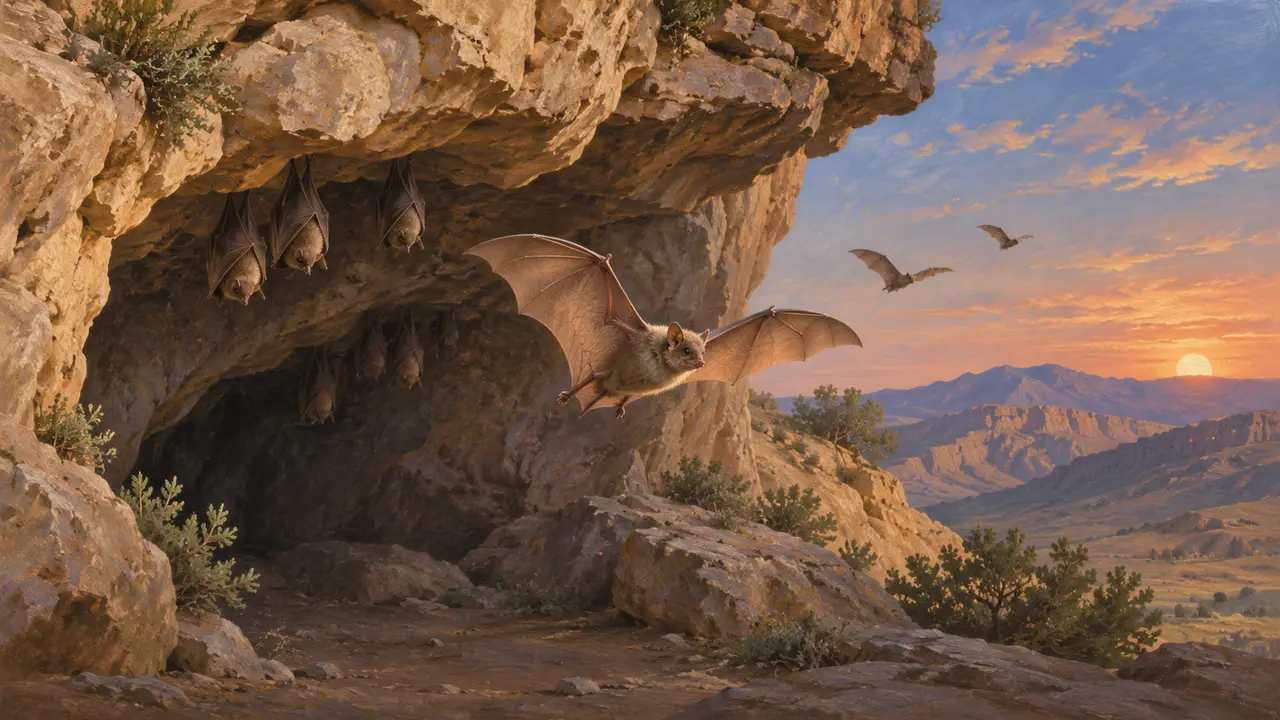
Where they lived
DisputedInsect-eating bats live today in the Persian highlands, the Nile valley and the Greek coasts, and they roost in caves, cliff crevices, wells and old buildings. The same habits probably held in the period, but no source of the time describes the species, so this is inference from modern natural history. Which species were present is not documented in the sources used here.
Aristotle, History of Animals
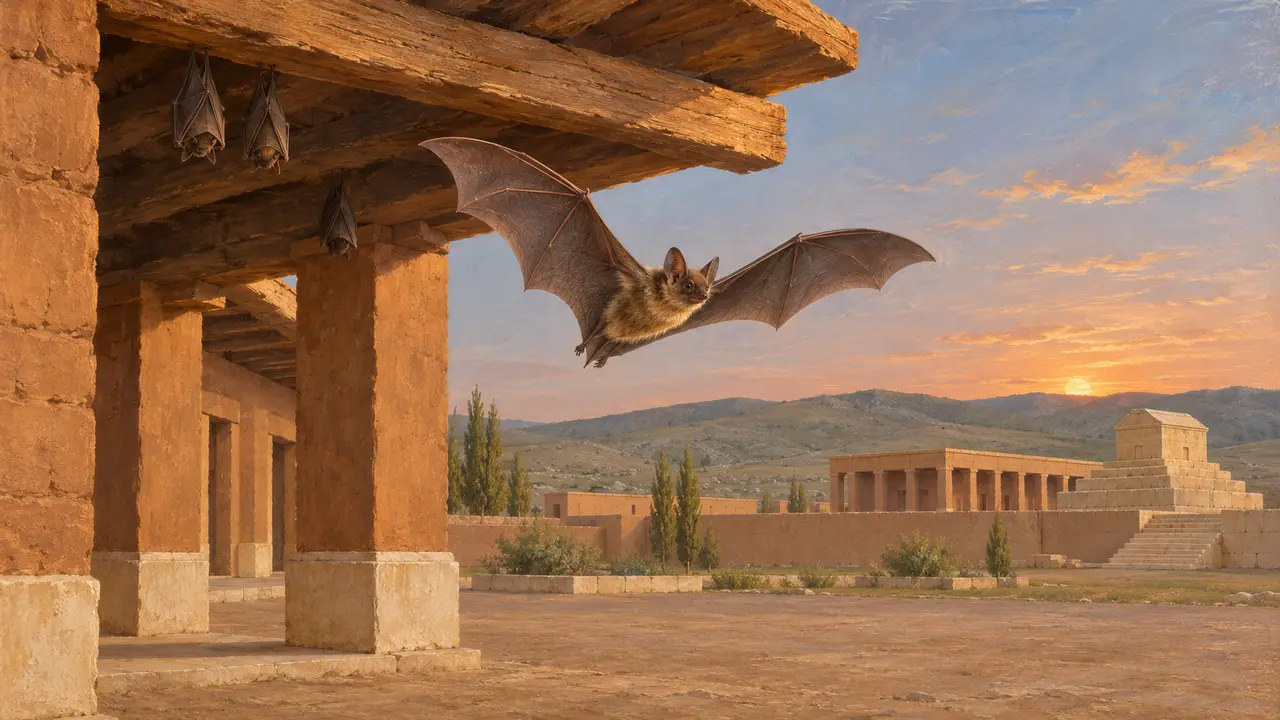
Silence in the Persian record
DisputedThe royal inscriptions and administrative tablets name many animals, such as horses, sheep and camels, but bats are not known to figure in them. Absence from the surviving texts and images does not show that bats were unnoticed, and a complete survey of the evidence is not attempted here. Bats probably shared the buildings of Pasargadae, Susa and Memphis.
P. Briant, From Cyrus to Alexander, 2002
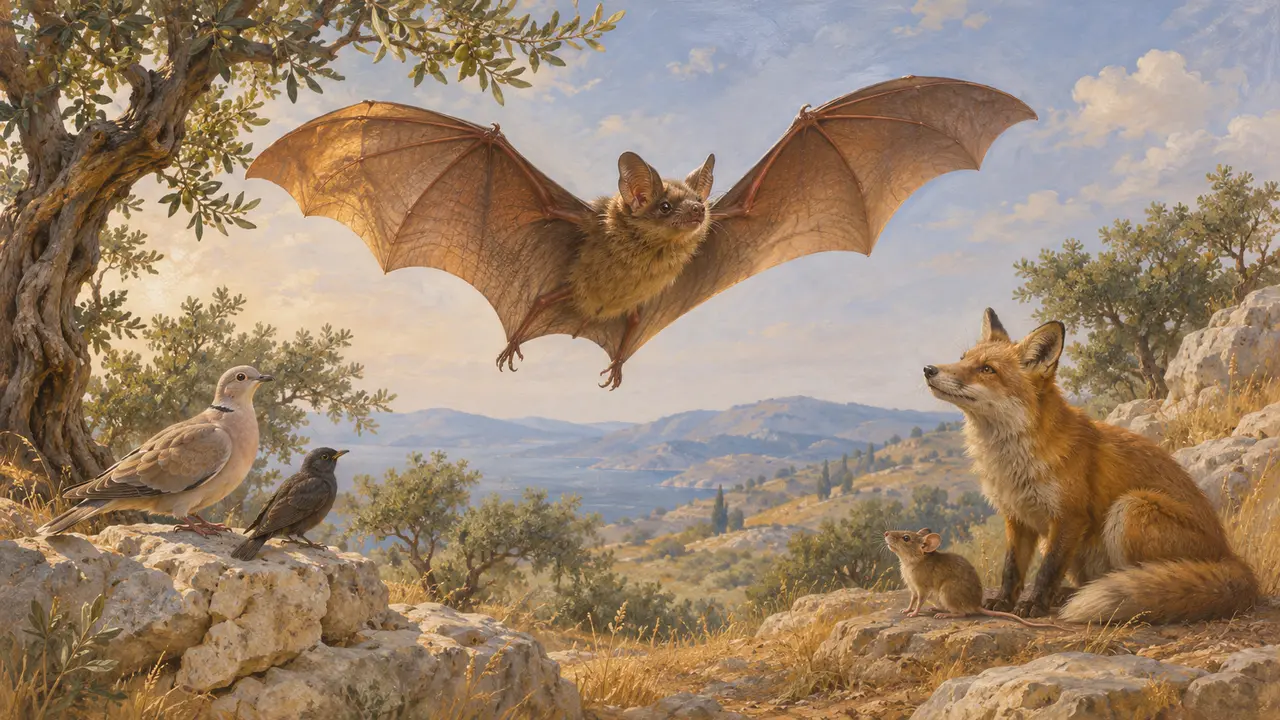
The bat in Greek fables
Later legendFables collected under the name of Aesop use the bat as a figure of someone who belongs to no side. The collection was put together long after the Persian wars, and the stories are moral tales. They say nothing about events in 490 or 480.
Aesop, Fables
Sources
- Aristotle, History of Animals
- P. Briant, From Cyrus to Alexander, 2002
- Aesop, Fables