Level 4: The Terrace · Parsa · 521–509 BCE
The Terrace
Parsa, which the Greeks called Persepolis, rising on its terrace.
Encyclopedia › The History
When Persia itself rose for a second false Bardiya, Darius's generals put it down. Then he began a city of ceremony at the foot of a mountain on the Marvdasht plain. Its stones show how the King wished to be seen; its clay tablets show how the empire really fed its workers.
- 521 BCE Vahyazdata falls
- 518 BCE The terrace begun
- 509 BCE First ration tablets
- 486 BCE Darius buried
- 330 BCE Alexander burns it
The second Bardiya
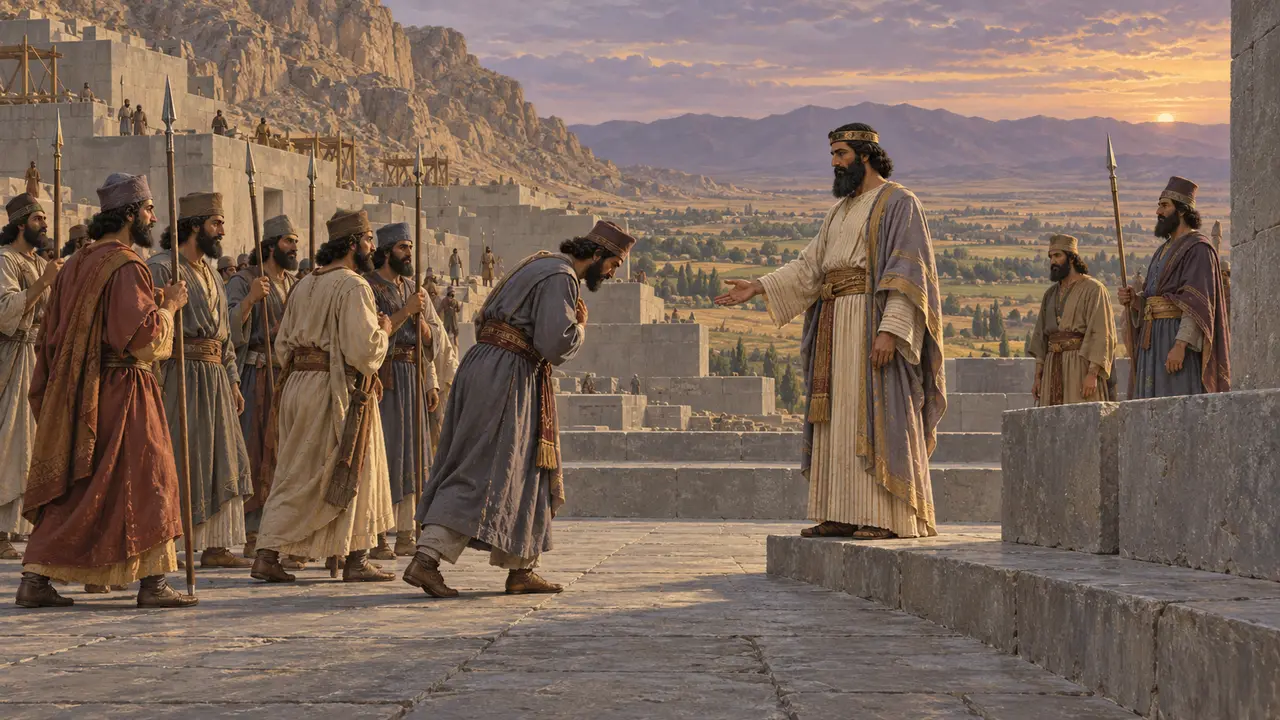
In the recordVahyazdata of Persis also called himself Bardiya, son of Cyrus, and the Persians at home followed him. Darius's general Artavardiya beat him twice, and he was impaled. His army sent east was broken in Arachosia.
In the game: Vahyazdata's Persians fight behind the same wicker shields as the King's men.
Behistun inscription sections 40-48
The terrace
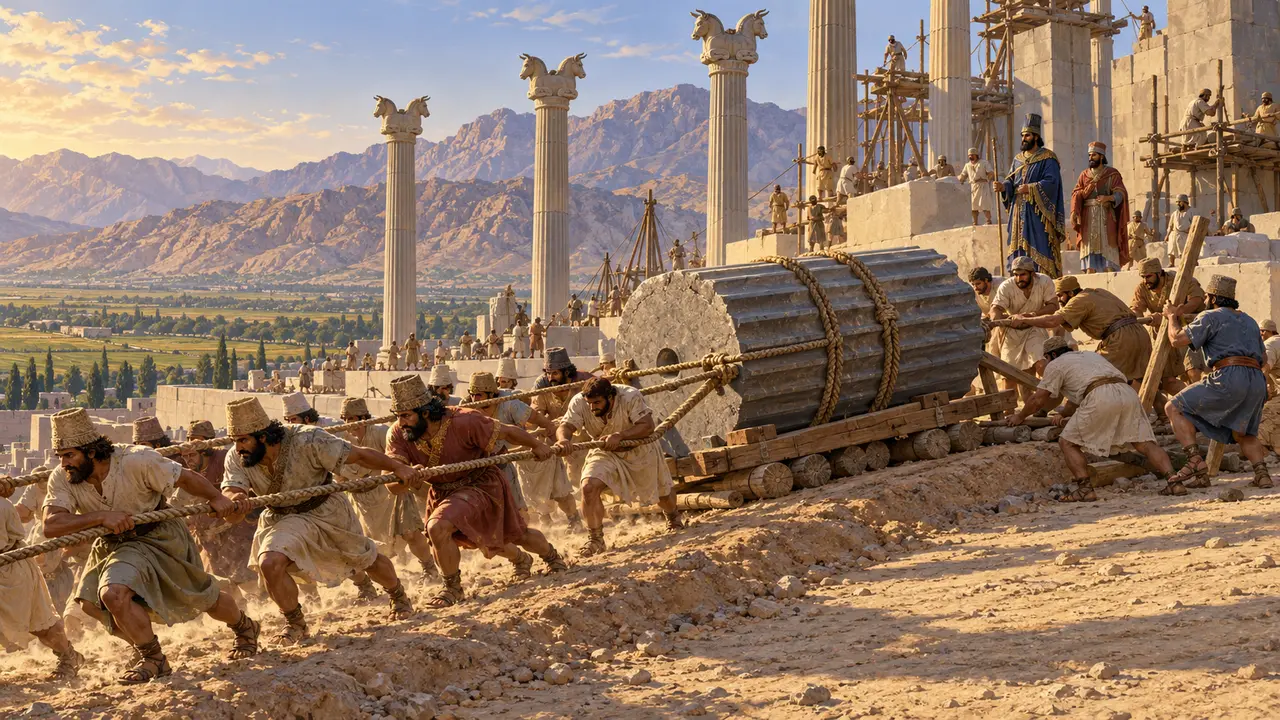
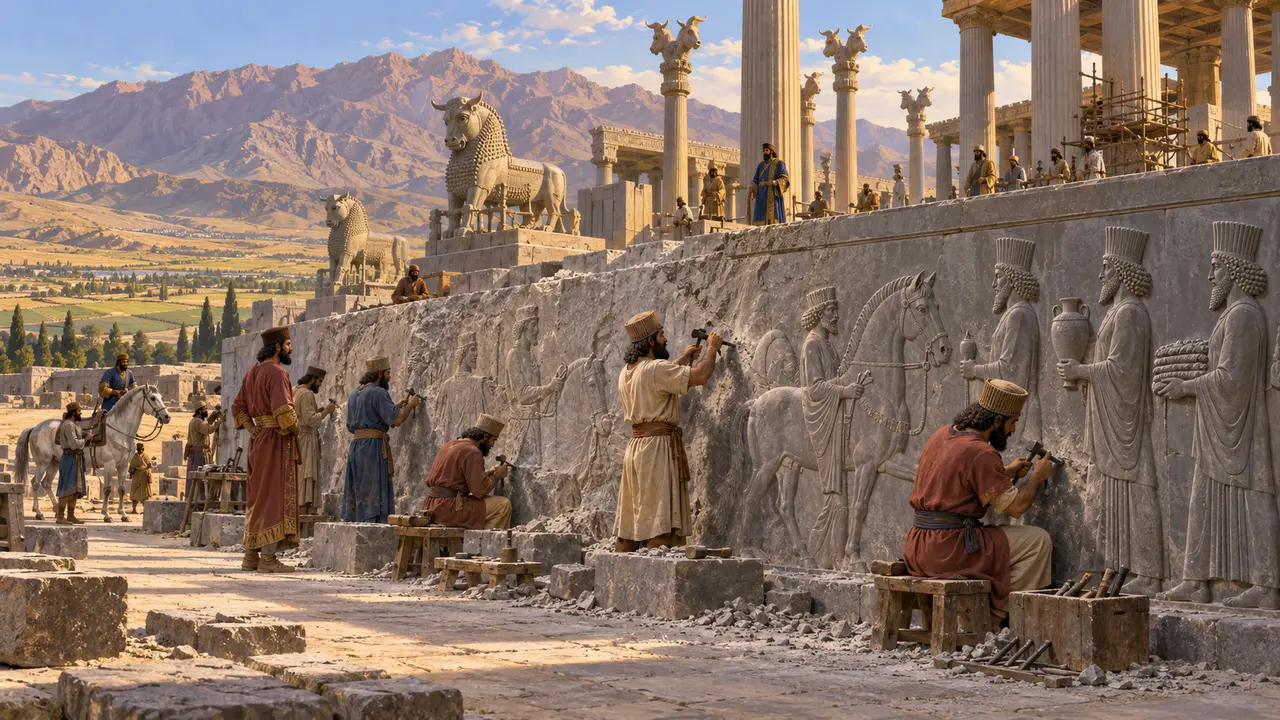
In the recordPart cut from the mountain and part built up, the terrace is about 450 by 300 metres. Its huge blocks fit without mortar, held by metal clamps. Darius's inscription on its south wall asks Auramazda to protect the land from enemies, famine and the Lie.
In the game: The terrace is the level's great work.
Persepolis inscriptions DPd, DPe; E. Schmidt, Persepolis I (1953)
Barley and wine, not coins
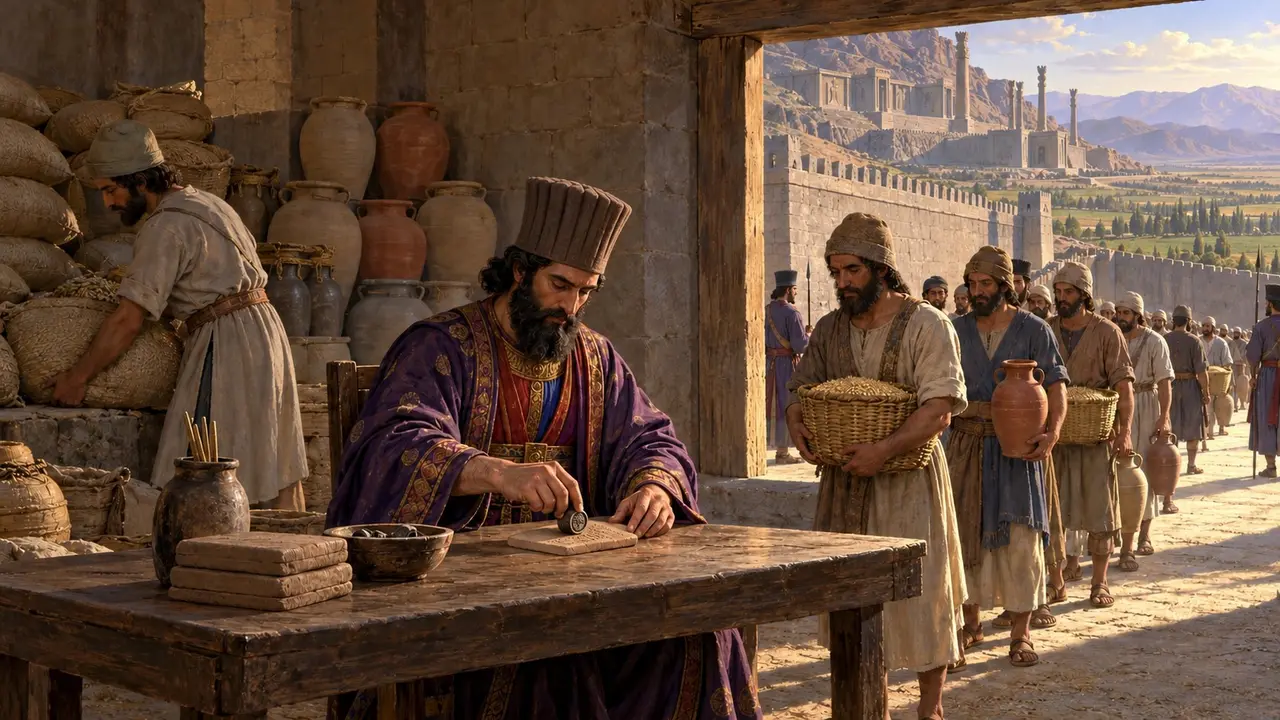
In the recordIn 1933 excavators found thousands of clay tablets in the fortification wall, dated 509 to 493 and written mostly in Elamite. They record monthly rations of barley, wine, beer and sheep for workers, officials and travellers. Mothers received extra after a birth.
In the game: Rations, not wages: barley and wine from storage pay most of the wage.
Persepolis Fortification tablets; R. Hallock (1969)
Workers from everywhere
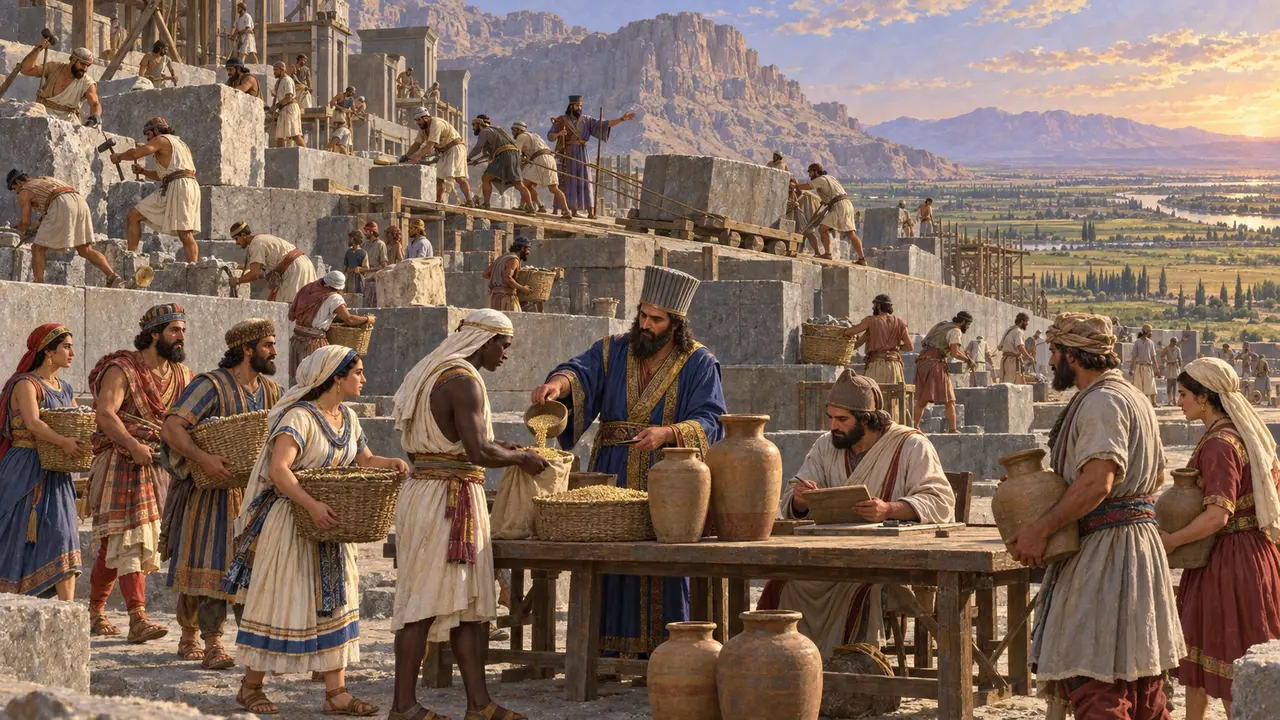
In the recordThe tablets call the workers kurtash. They include Lydians, Ionians, Egyptians, Babylonians and Bactrians, men and women, skilled and unskilled, paid by the state. Greek tales of slave gangs building Persian palaces do not fit the records.
Persepolis Fortification and Treasury tablets; M. Brosius, Women in Ancient Persia (1996)
The procession of the peoples
In the recordOn the stairs of the Apadana, twenty-three delegations bring gifts: horses, cloth, gold and animals. No one is shown in chains or in battle. It is often said to show the New Year festival, but no ancient text says so.
Apadana reliefs; Briant (2002) chapter 5
The King's tomb
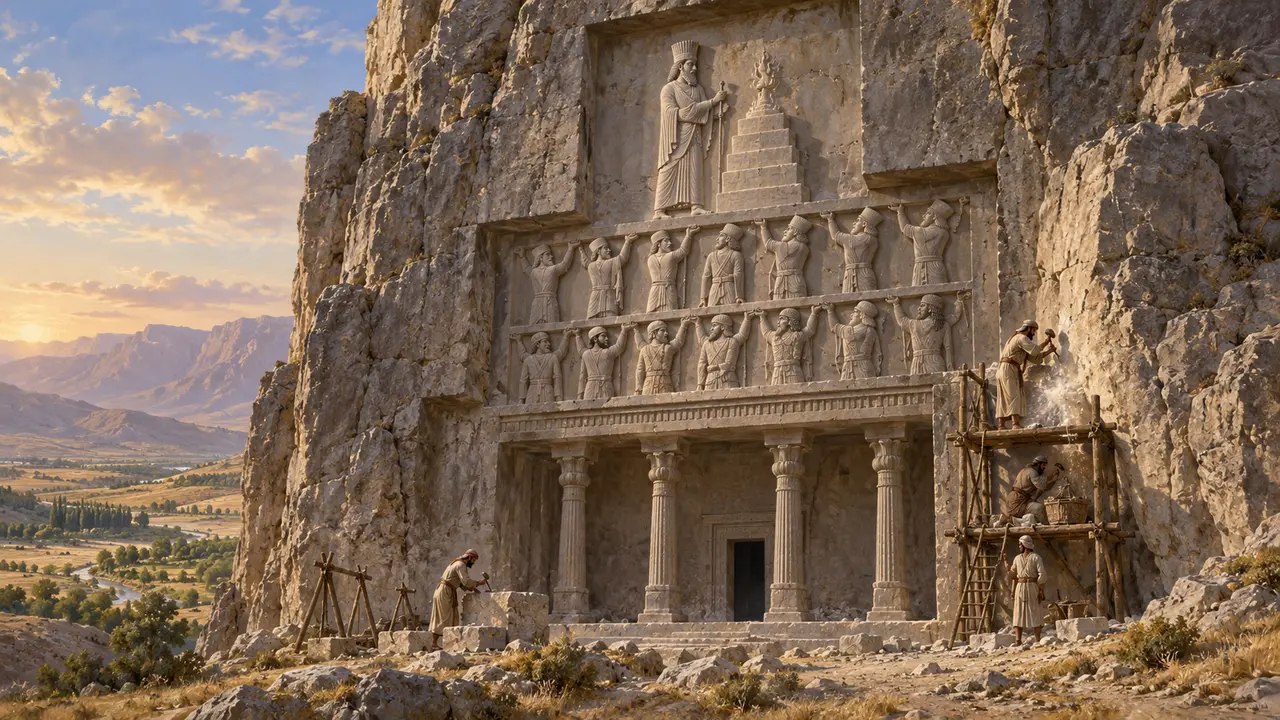
In the recordDarius was buried in 486 in a cross-shaped tomb cut into the cliff at Naqsh-e Rostam. Its inscription lists his lands, and a second text beside it says he is a friend to right and no friend to wrong.
Inscription DNb (H. C. Tolman, 1908)
The fire of 330
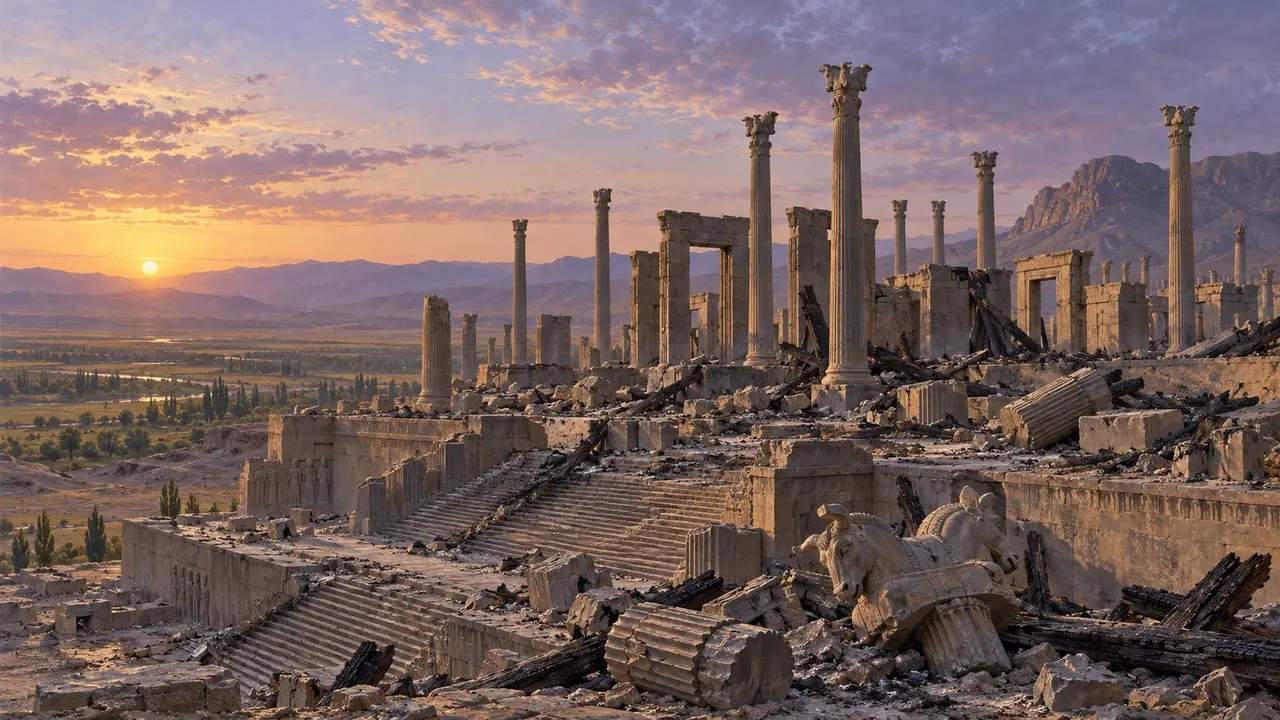
DisputedAlexander burned the palaces in 330. Arrian says it was revenge for the burning of Athens; later writers tell of a drunken feast and a woman named Thais throwing the first torch.
Arrian, Anabasis 3.18; Diodorus 17.72; Plutarch, Alexander 38
Read next: the topics of The Terrace
Battles and events
The revolt of Vahyazdata · The building of the terrace of Parsa
Buildings
Soldiers and ships
People
Cyrus the Great · Bardiya, or Gaumata · Darius the Great · Vahyazdata · Xerxes · Artavardiya
Peoples
Places
Persepolis (Parsa) · Naqsh-e Rostam · Athens · Persis · Arachosia
Wildlife and weather
The gazelle · The onager · The wild goat · The white stork · The hare · The golden jackal · The lion · The urial · Wild ducks · The partridge · The kite · The griffon vulture · The rock dove · The jackdaw · The crane · The swallow · Bats · The little owl · The hooded crow