Encyclopedia › Soldiers and ships
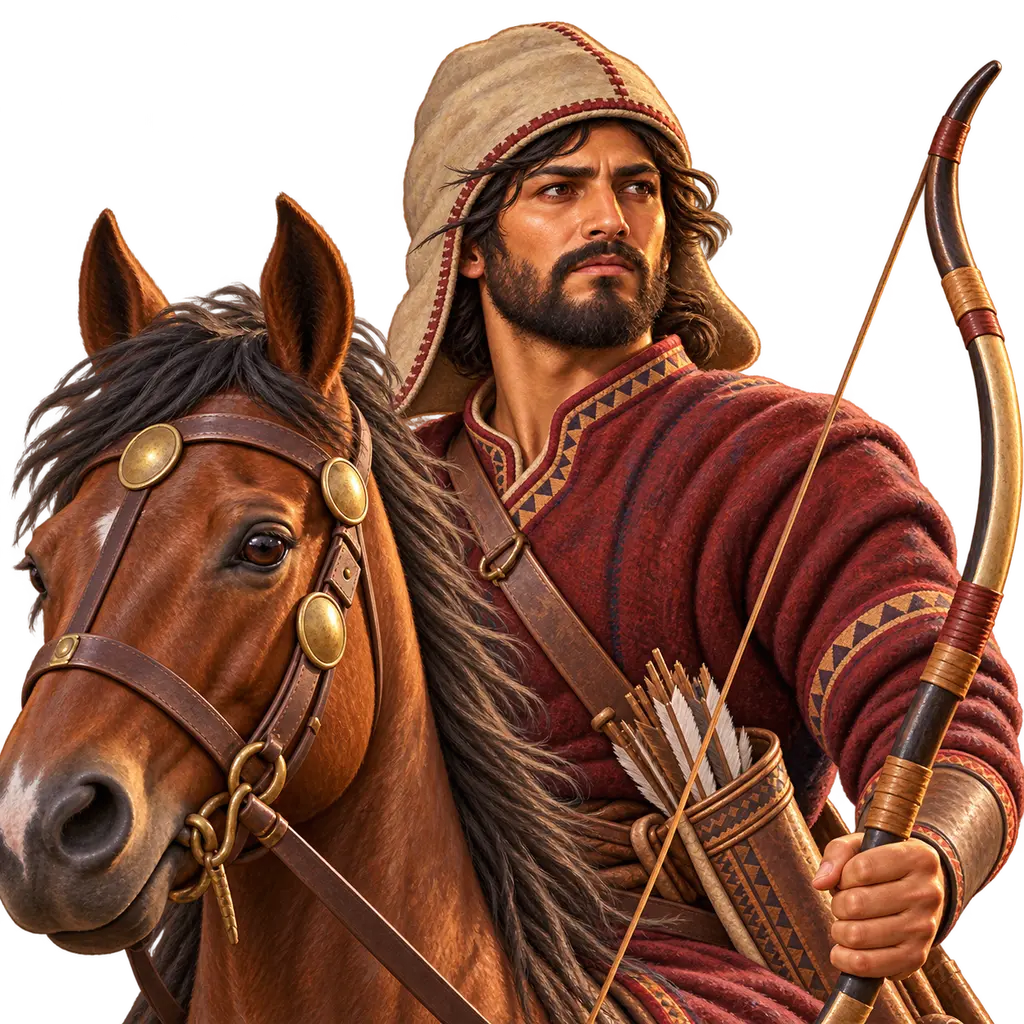
The rebels of Vahyazdata
Persian soldiers who followed a second false Bardiya against Darius, Persis, 521 BCE
In the game: Level 4: The Terrace
In 521, while Darius was fighting rebels in Media and Babylonia, a Persian named Vahyazdata claimed to be Bardiya, son of Cyrus, and was accepted as king in Persis. Part of the Persian army went over to him. The revolt mattered because it broke out in the Persians' own homeland, among the people Darius most needed to hold.
In the game: In the Parsa level, Vahyazdata's rebels carry the King's wicker shield and resist arrows and horse, joined by horse archers and a champion. The champion is invented; the real battles were at Rakha and Mount Parga, not Parsa.
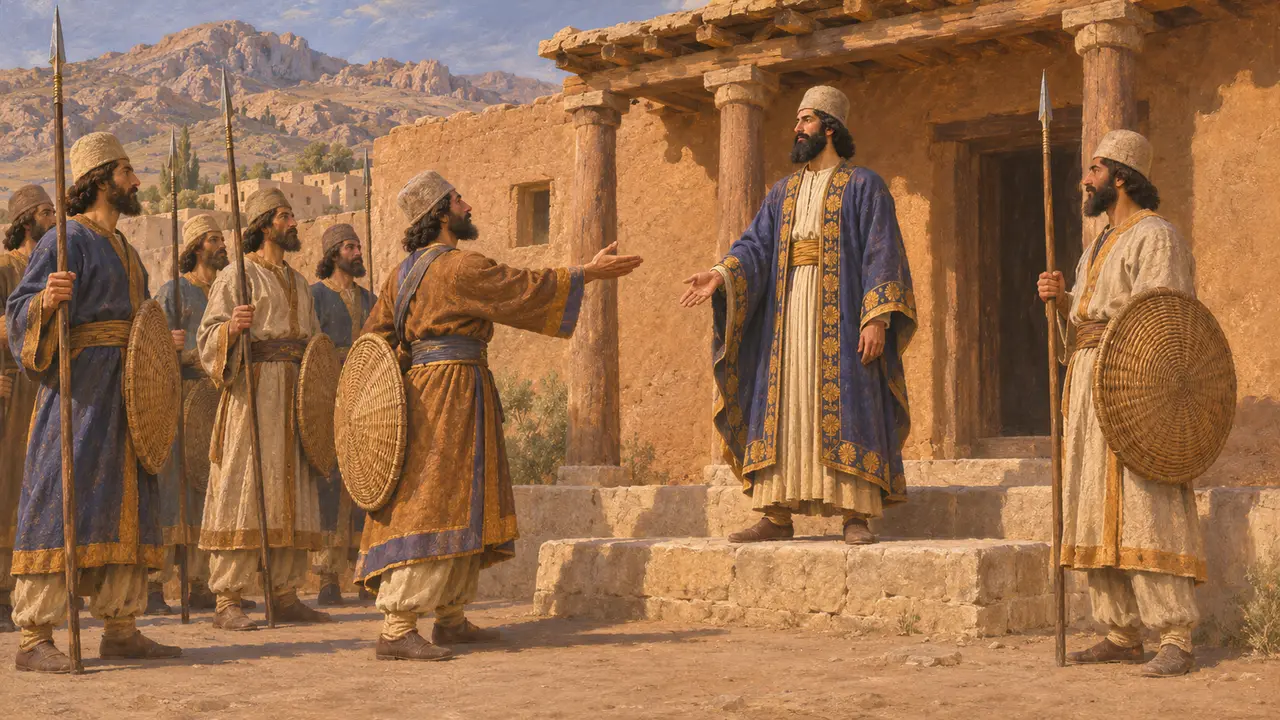
A Persian rising in the homeland
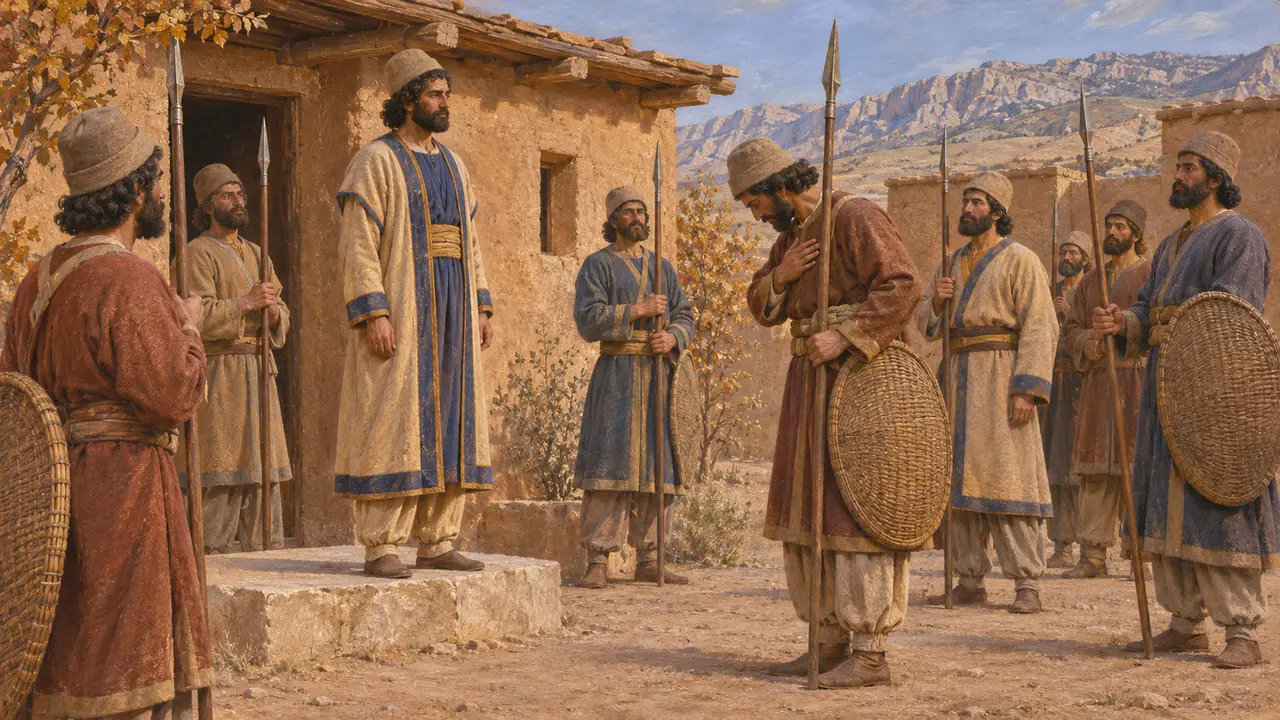
In the recordDarius's Behistun inscription says that Vahyazdata lived in a town called Tarava in the district of Yautiya in Persis. He declared himself Bardiya, son of Cyrus. The inscription adds that Persian troops who had been stationed at the palace turned away from Darius and joined him, so that he became king in Persis.
DB §40
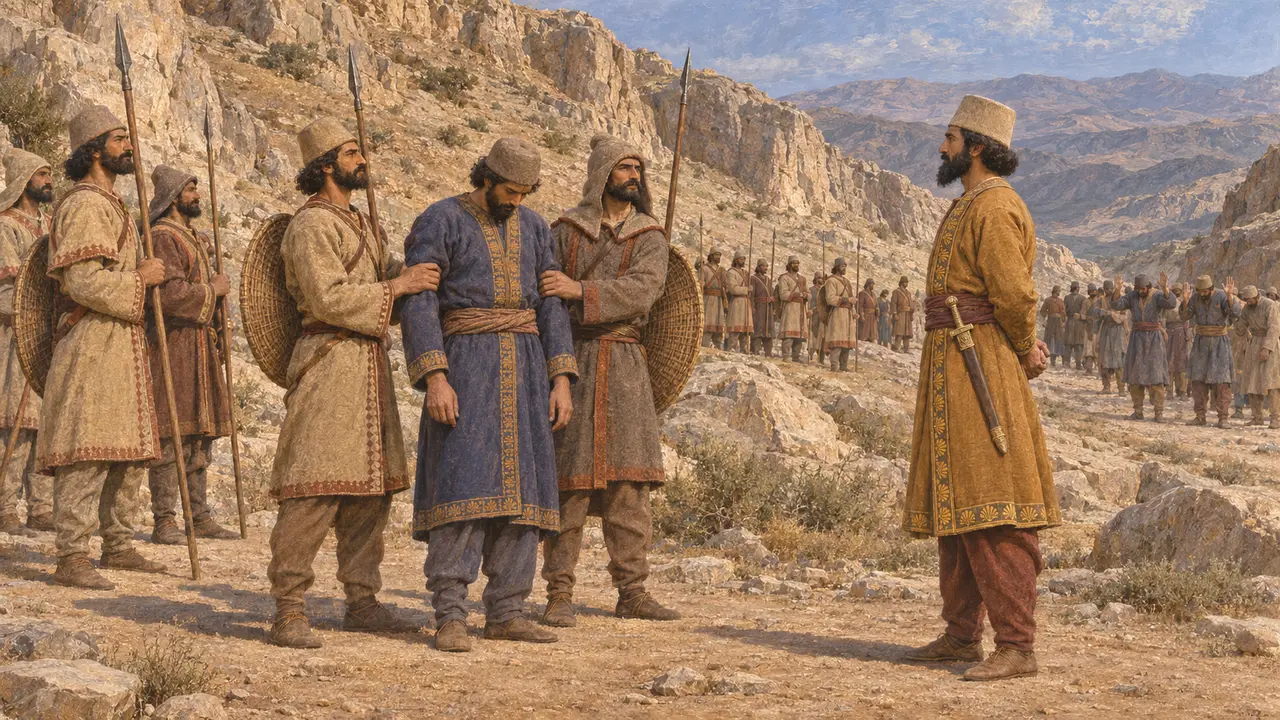
Defeat at Rakha and Mount Parga
In the recordDarius sent Persian and Median troops under a Persian named Artavardiya, while he led the rest into Media. Artavardiya beat the rebels at Rakha in Persis. Vahyazdata escaped with a few horsemen to Paishiyauvada, raised a new force and fought again at Mount Parga, where he was defeated and taken. Darius had him and his leading followers impaled at Uvadaicaya in Persis.
DB §41-43
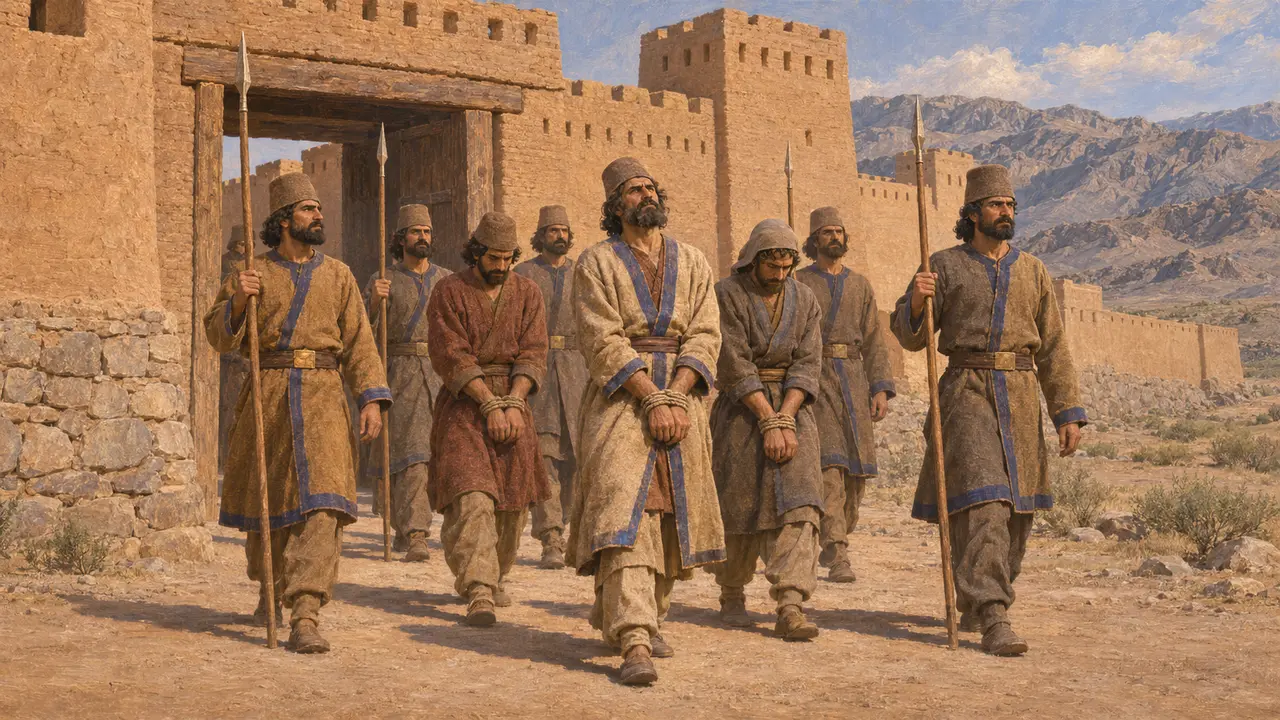
A second front in Arachosia
In the recordVahyazdata also sent an army east against Vivana, Darius's satrap in Arachosia. The inscription records that Vivana defeated it near the fortress of Kapishakanish and again in the district of Gandutava. The commander of the rebel army fled and was caught and killed with his followers at the fortress of Arshada. Vahyazdata's figure appears among the bound rebels on the Behistun relief, named in a caption.
DB §45-48; DBh
How the rebels were armed
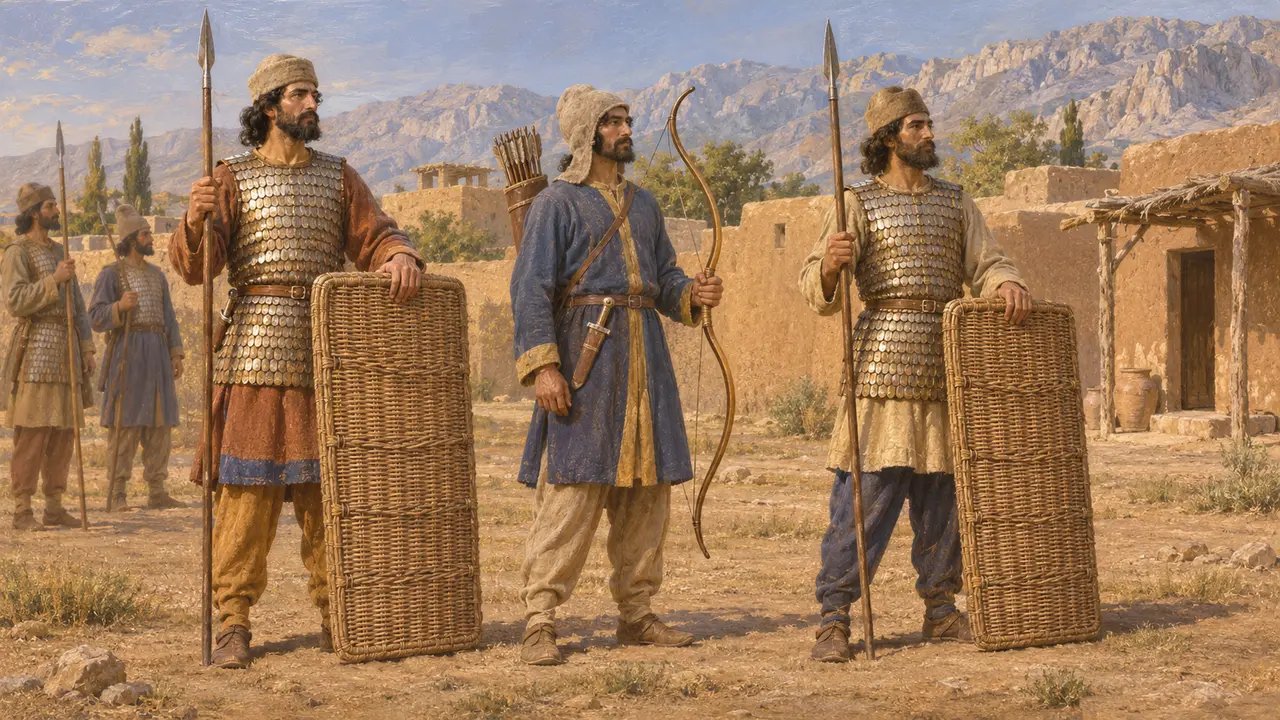
DisputedNo source describes the rebels' equipment. Since many of them had been royal Persian troops, historians assume they fought like other Persians. Herodotus describes Persian infantry with felt caps, scale armour, wicker shields, short spears, large bows and daggers. That description comes from his account of Xerxes' army of 480, so applying it to these men in 521 is reasonable guesswork, not record.
Herodotus 7.61
Impostor or rival claimant
DisputedDarius's account calls every rebel a liar, and Vahyazdata is the second man he names as a false Bardiya. Herodotus does not mention him at all. Some historians suspect that the real Bardiya had been killed by Darius and his allies, and that support for Vahyazdata reflects Persian loyalty to Cyrus's line. Others accept Darius's version. Only the winner's account survives.
P. Briant, From Cyrus to Alexander, 2002
Sources
- Darius, Behistun inscription, DB §40-48 and DBh
- R. Schmitt, The Bisitun Inscriptions of Darius the Great: Old Persian Text, 1991
- A. Kuhrt, The Persian Empire: A Corpus of Sources from the Achaemenid Period, 2007
- P. Briant, From Cyrus to Alexander, 2002
- Herodotus 7.61