Persis
Homeland of the Persians in the southern Zagros, modern Fars, 6th to 5th centuries BCE
In the game: Level 1: The Founder's Tomb, Level 4: The Terrace
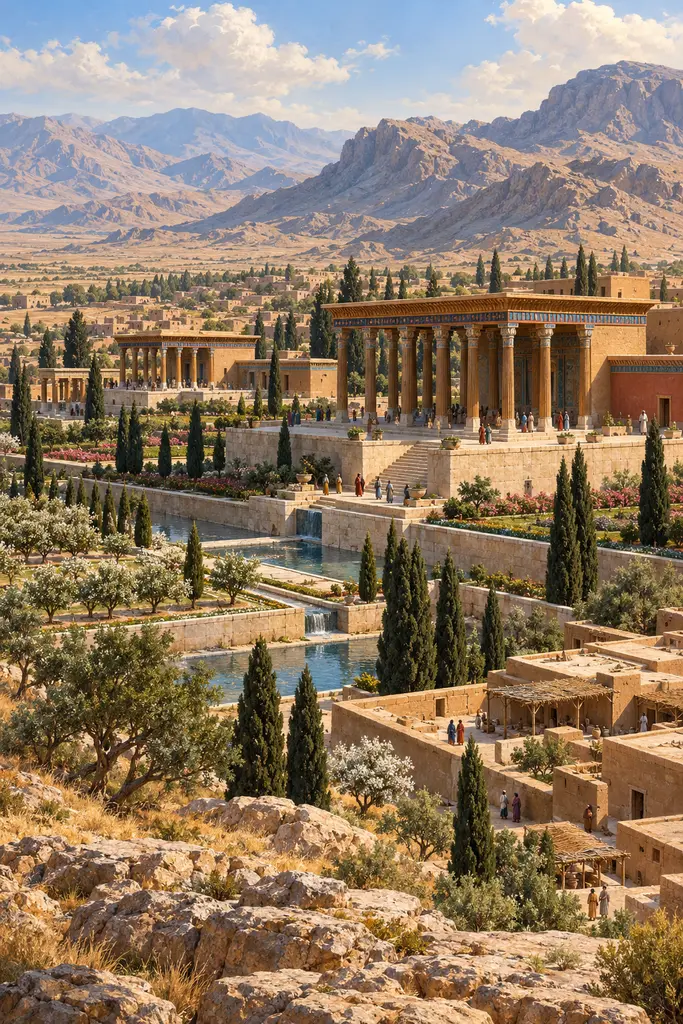
Persis, in Old Persian Pārsa, was the homeland of the Persians, a land of high valleys and mountains north of the Persian Gulf. From here the family of Cyrus rose to rule an empire. Cyrus built Pasargadae and his tomb here, Darius began Persepolis, and Darius and his successors were buried in rock-cut tombs nearby. Its clay archives make it one of the best documented regions of the early empire.
In the game: The game treats Persis as the homeland province around its Pasargadae and Parsa levels. That is broadly right, though Persis was no ordinary province, and historians still debate how it stood beside the satrapies.
Coast, plains and mountains
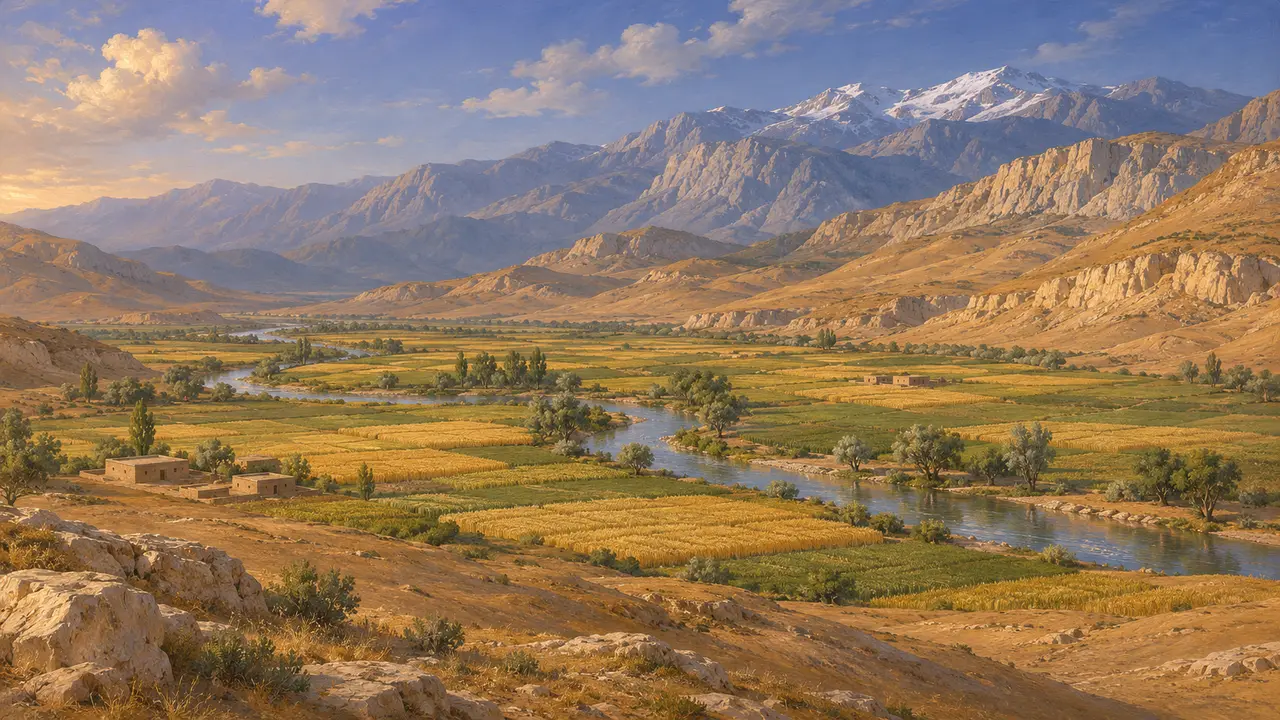
Ancient accountStrabo, writing about five centuries after Darius, divided Persis into three belts: a hot, sandy coast on the Gulf, a fertile middle zone of plains and rivers, and a cold, mountainous north. The Achaemenid heartland lay in the high valleys of the Zagros, such as the Marv Dasht plain watered by the Kur and the Pulvar. The modern Iranian province of Fars keeps the old name.
Strabo 15.3.1
From Anshan to Parsa
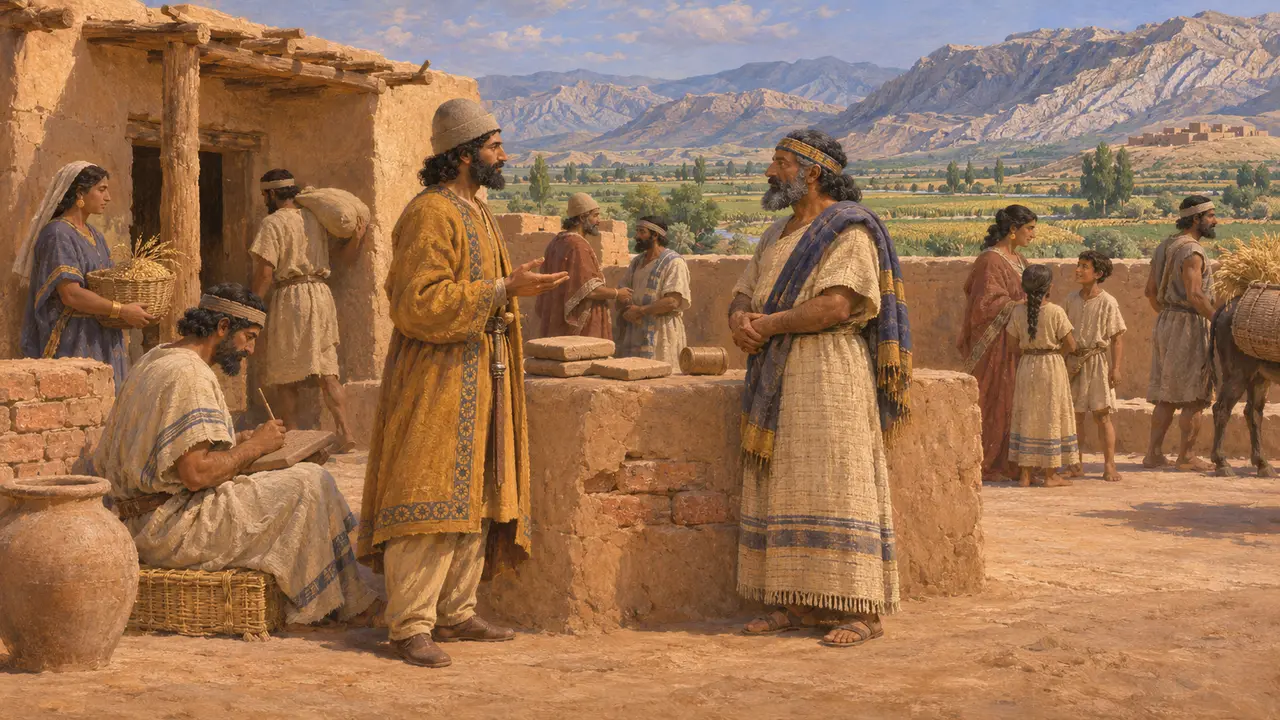
In the recordOn his clay cylinder Cyrus called himself and his forefathers kings of Anshan, an old Elamite royal title. Inscribed bricks found at Tall-i Malyan, in the Kur basin, identify that mound as Anshan. The Persians probably settled among Elamite people in the early first millennium. Their language was Iranian, but much of their writing, administration and art drew on Elam.
Cyrus Cylinder; excavations at Tall-i Malyan
The archive of the King's economy
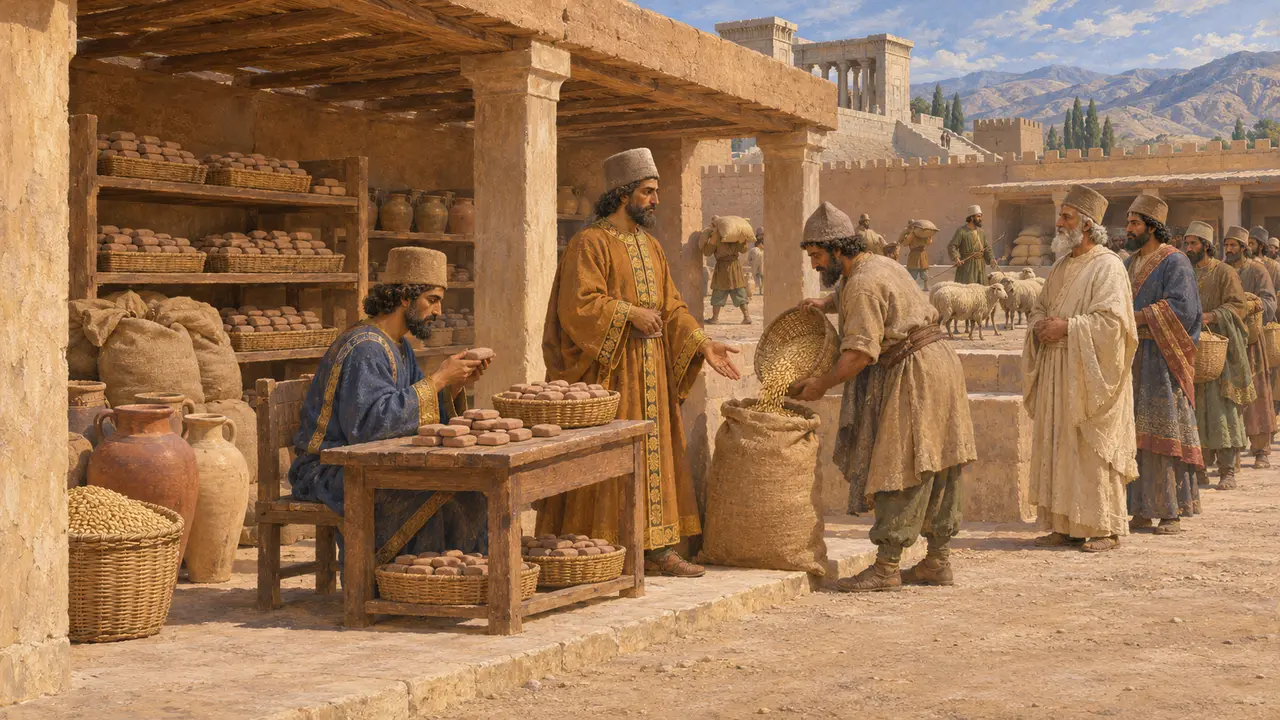
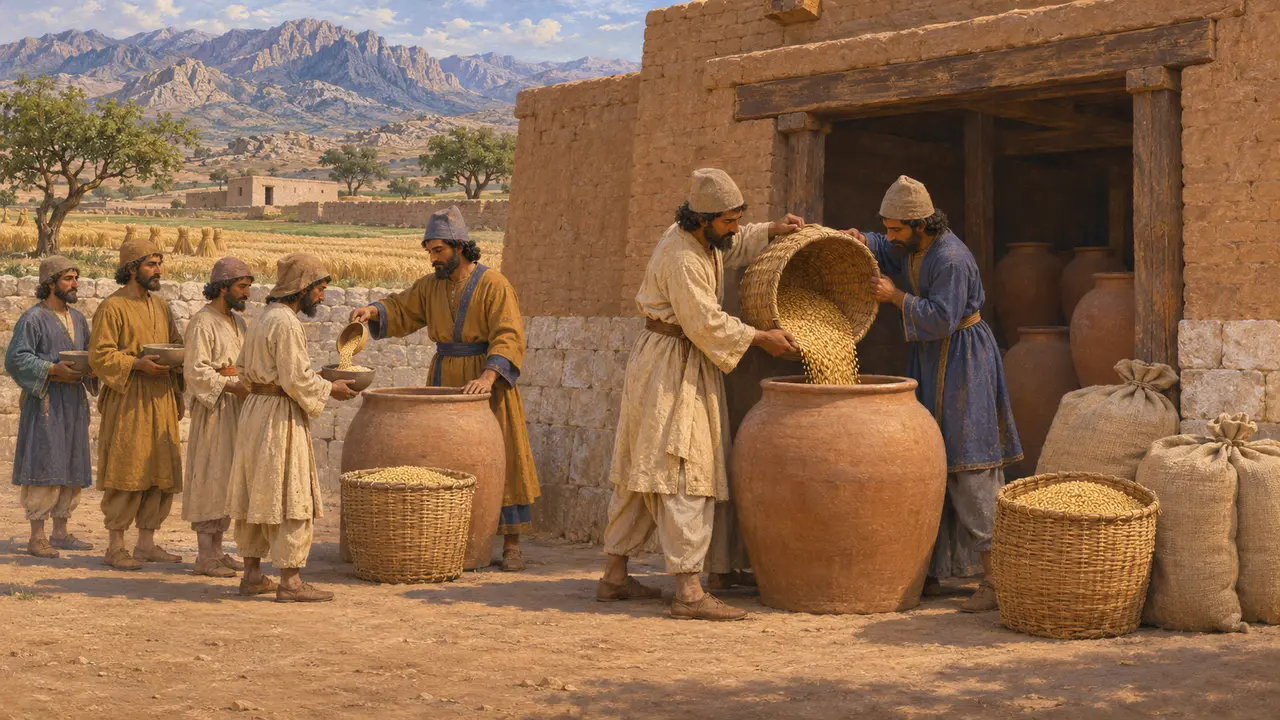
In the recordThousands of clay tablets, found in 1933 and 1934 in the fortification wall at Persepolis, date from about 509 to 493 and are written mostly in Elamite. They record grain, wine, beer and animals issued to workers, travellers, officials and priests across Persis and into Elam, under the director Parnaka. They also show offerings to Auramazda and to Elamite gods such as Humban.
R. T. Hallock, Persepolis Fortification Tablets, 1969; W. Henkelman, The Other Gods Who Are, 2008
Free of tribute
DisputedHerodotus says that the Persians alone paid no tribute and lived untaxed. Yet the Fortification tablets show crops gathered into royal stores and labour gangs fed and organised across Persis. Historians debate whether the exemption meant only freedom from the silver tribute of the other lands, and whether Persis had a satrap at all or was run directly from the King's own estates.
Herodotus 3.97; P. Briant, From Cyrus to Alexander, 2002
Hard land, hard men
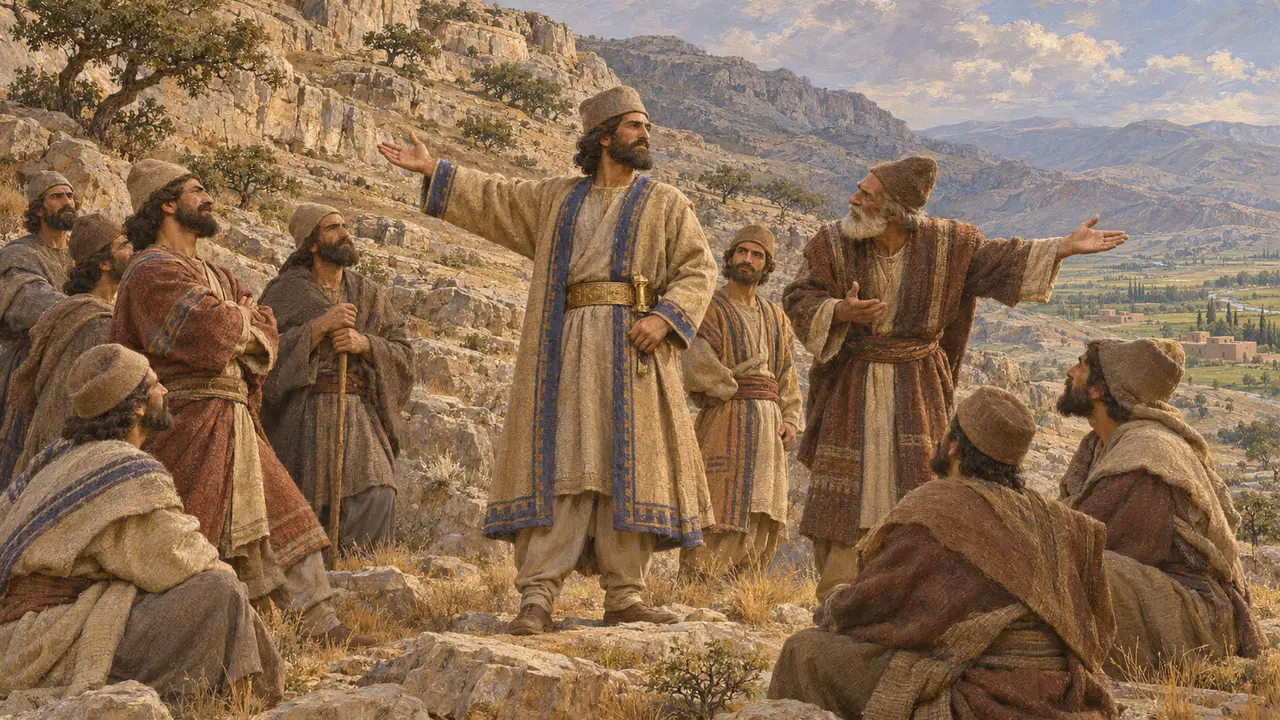
Later legendHerodotus closes his Histories with a story set in Cyrus's day. A Persian named Artembares proposed that they leave their rugged country for a richer one, and Cyrus warned that soft lands breed soft men. The Persians chose to rule from a harsh land rather than sow the plains and serve others. The tale is a moral frame for Greek readers after the Persian defeats, not a record of an actual debate.
Herodotus 9.122
Sources
- R. T. Hallock, Persepolis Fortification Tablets, 1969
- W. Henkelman, The Other Gods Who Are, 2008
- P. Briant, From Cyrus to Alexander, 2002
- Herodotus 3.97
- Herodotus 9.122
- Strabo 15.3.1