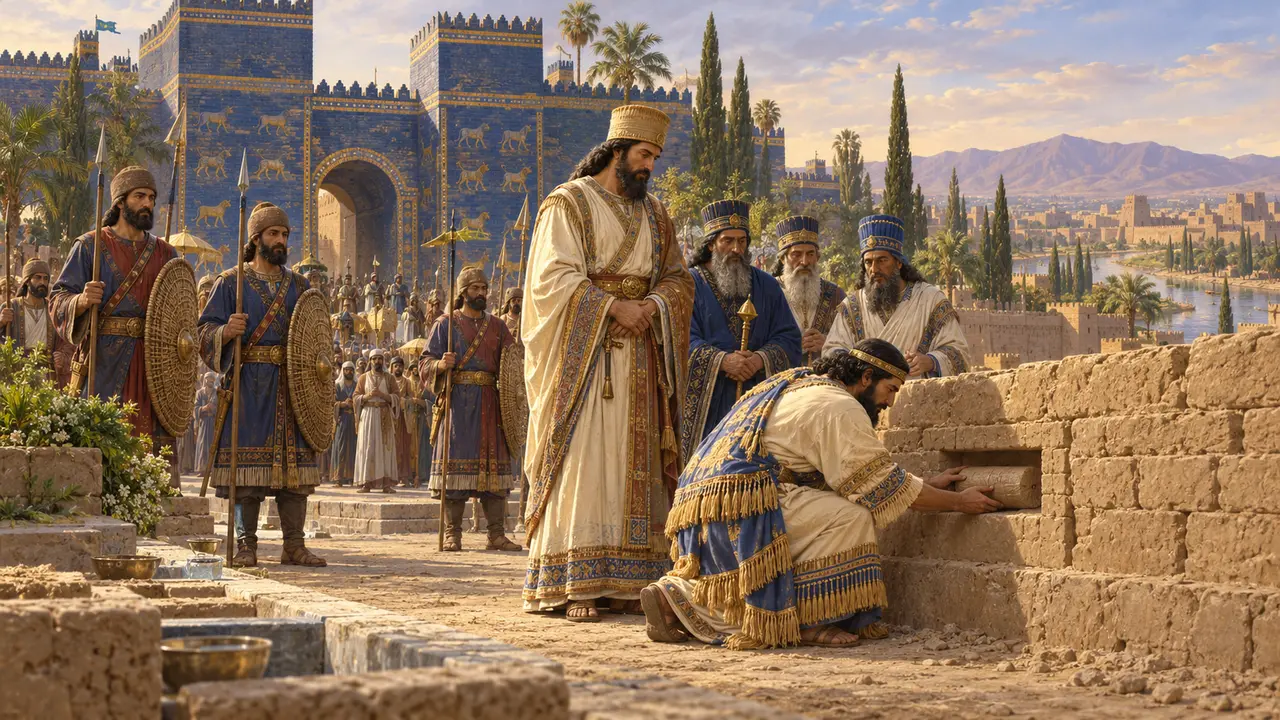
Anshan
Old royal city of the Elamite highlands in Persis, the kingdom of Cyrus's fathers, before 550 BCE
In the game: Level 1: The Founder's Tomb
Anshan, now the site of Tall-i Malyan near Shiraz, was an ancient royal city of the Elamite highlands. Its name became the title of the Persian kings before Cyrus: the Cyrus Cylinder calls him king of Anshan, and his father, grandfather and great-grandfather kings of Anshan before him.
In the game: The game calls Cyrus King of Anshan in the Pasargadae level's intro and briefings, as the Babylonian texts do; Anshan itself is not shown.
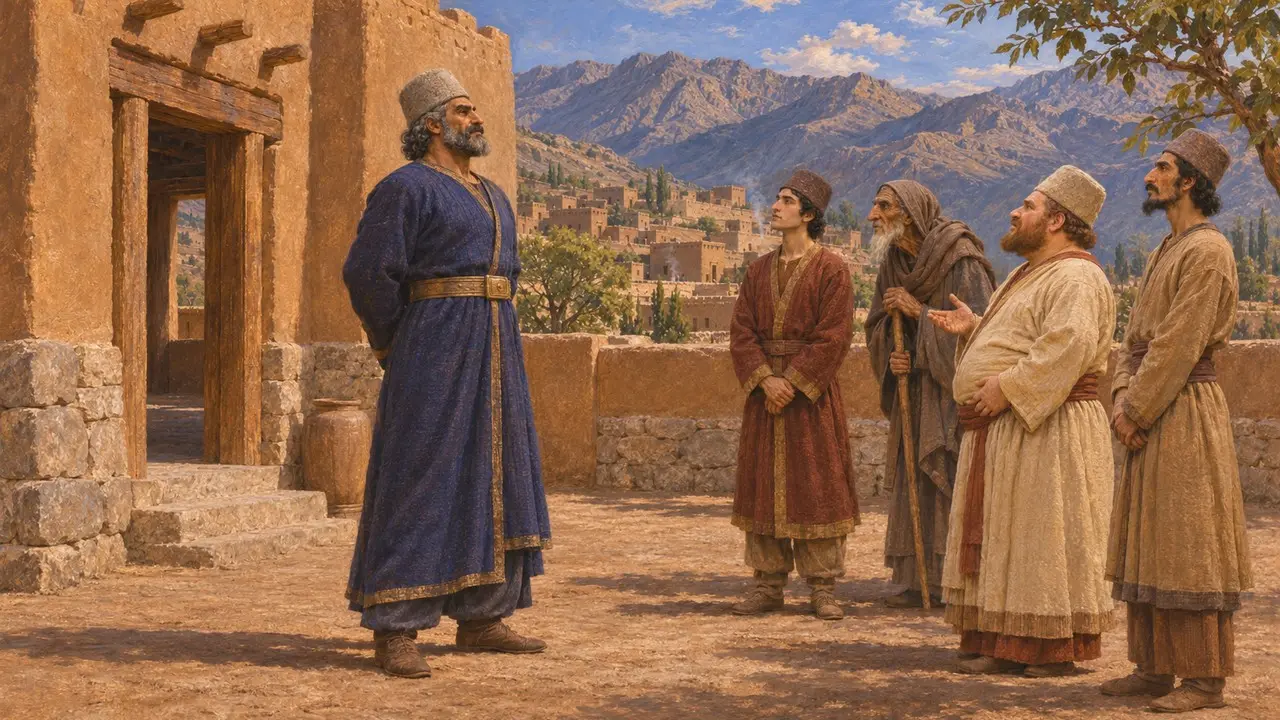
Kings of Anshan
In the recordIn the Cyrus Cylinder, written in Babylonian after 539, Cyrus calls himself son of Cambyses, great king, king of Anshan, grandson of Cyrus, great king, king of Anshan, descendant of Teispes, great king, king of Anshan. The Nabonidus Chronicle also calls him king of Anshan when it records his victory over Astyages.
Cyrus Cylinder; Nabonidus Chronicle
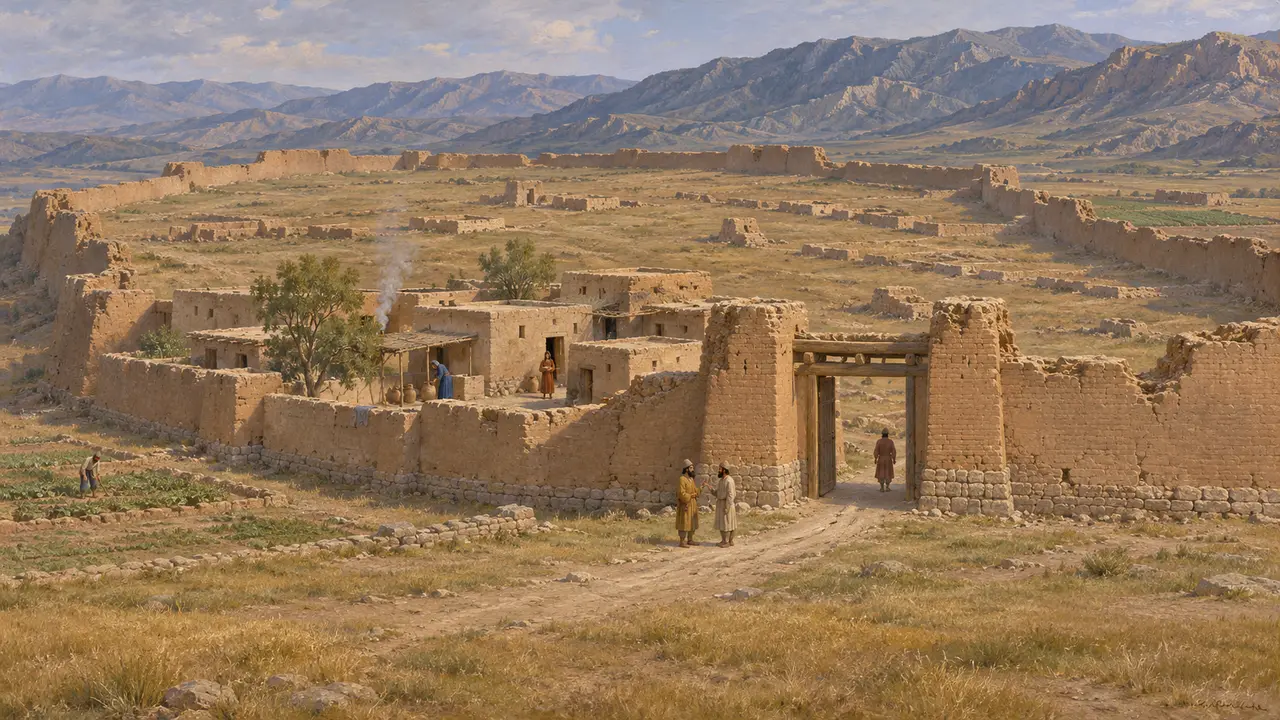
An Elamite city
In the recordFor two thousand years Elamite kings styled themselves kings of Anshan and Susa, joining the highland and the lowland halves of their realm. Excavations at Tall-i Malyan found a large walled city and Elamite tablets naming it Anshan. By Cyrus's time the city was much shrunk.
W. M. Sumner, excavations at Tall-i Malyan; the Malyan tablets
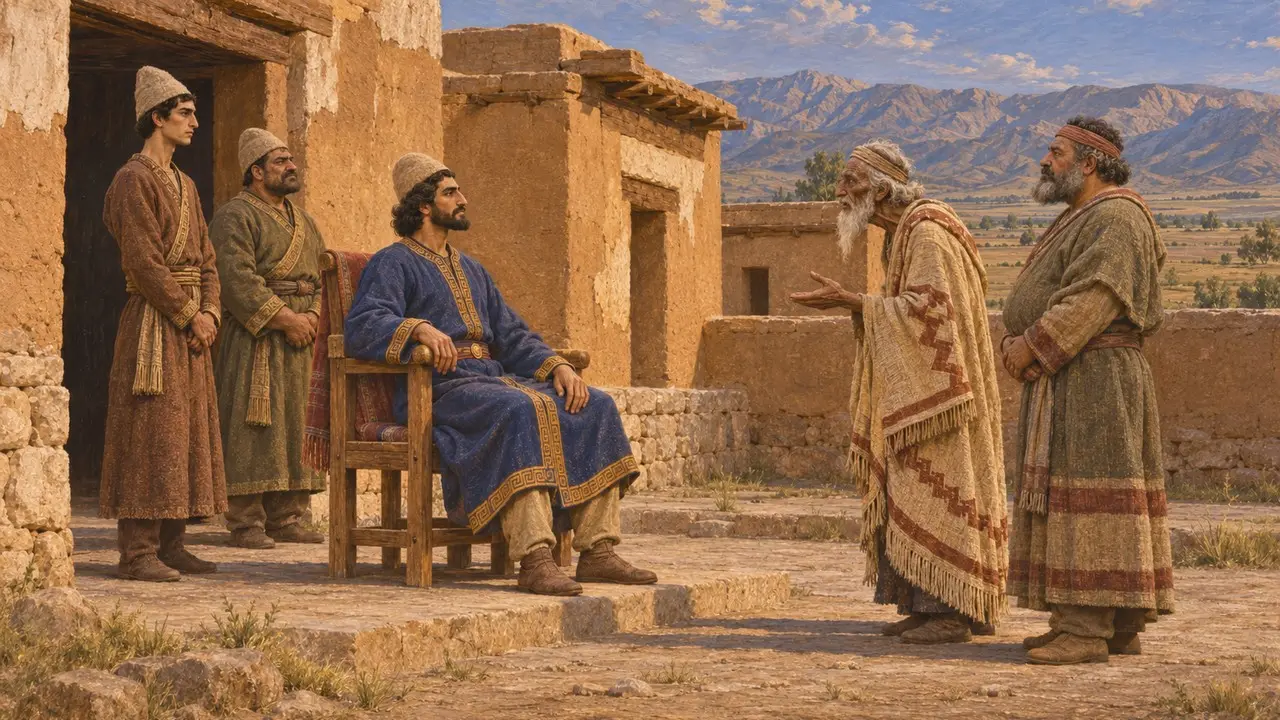
Persians in the old title
DisputedHow the Persians came to rule Anshan is not known. Some historians think the title shows that Cyrus's family took over an Elamite kingship and its traditions; others think it was only an old regional name. Darius later traced his line to Achaemenes and never used the title.
Behistun inscription §1-4; D. T. Potts, The Archaeology of Elam, 1999
From Anshan to Pasargadae
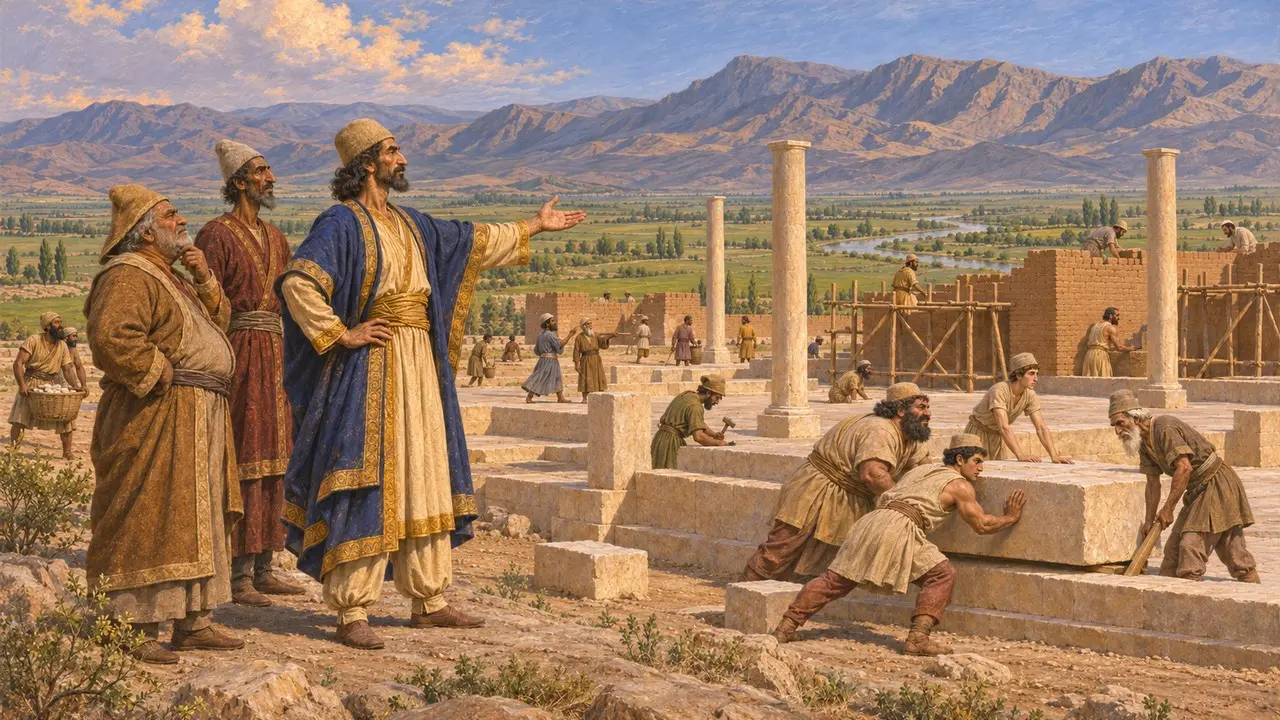
Ancient accountCyrus's revolt against the Median king Astyages began in Persis about 553-550, and after his victory he built Pasargadae on the plain of the Pulvar, north-east of Anshan's old seat. Herodotus never names Anshan; he speaks only of Persians and their tribes.
Herodotus 1.125-130; Nabonidus Chronicle
Sources
- Cyrus Cylinder
- Nabonidus Chronicle
- Herodotus 1.125-130
- D. T. Potts, The Archaeology of Elam, 1999