Encyclopedia › Battles and events
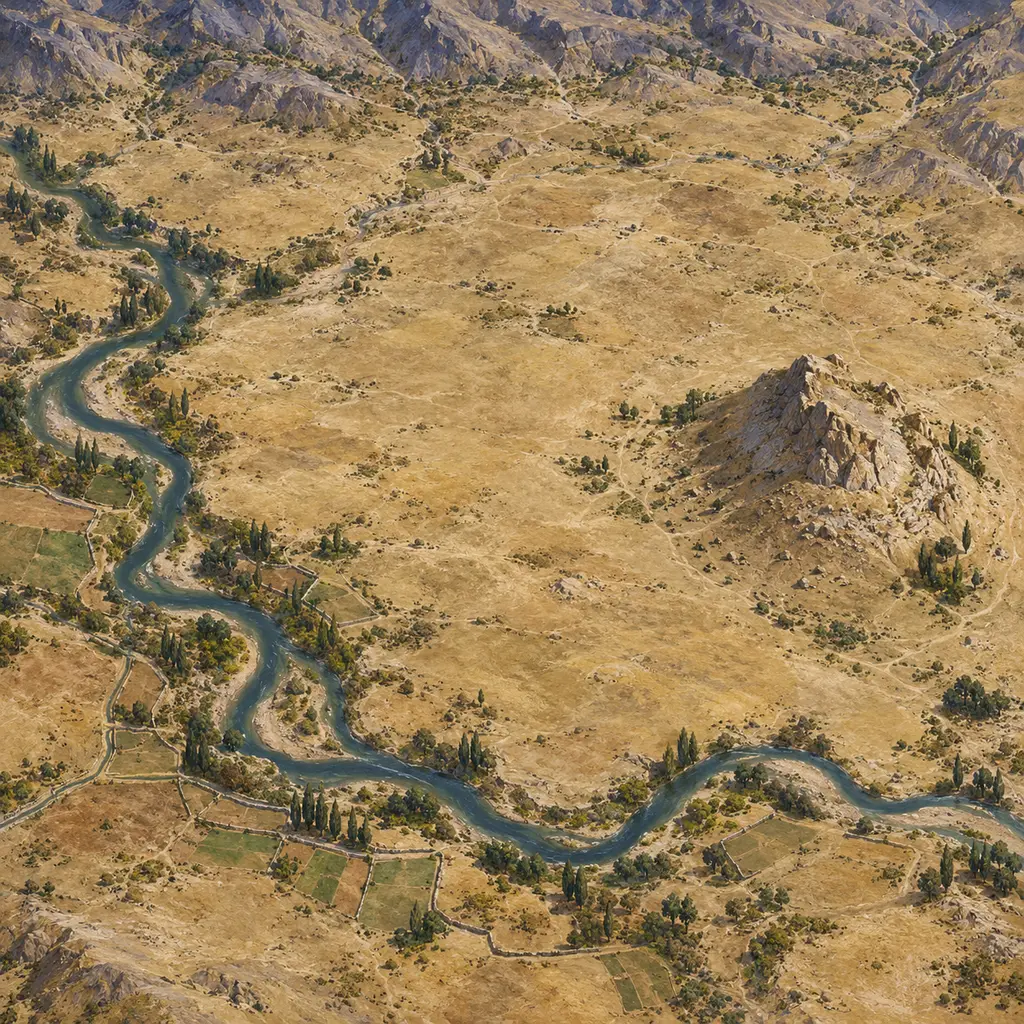
The revolt of Cyrus against the Medes
Persian war that overthrew the Median king Astyages, about 553-550 BCE
In the game: Level 1: The Founder's Tomb
Between about 553 and 550, Cyrus, king of Anshan in Persis, fought and defeated Astyages, king of the Medes, and took the Median royal city of Ecbatana. The victory turned a regional Persian kingdom into the core of an empire. Babylonian texts written at the time confirm the outcome, which Greek writers later turned into a tale of kinship, betrayal and revenge.
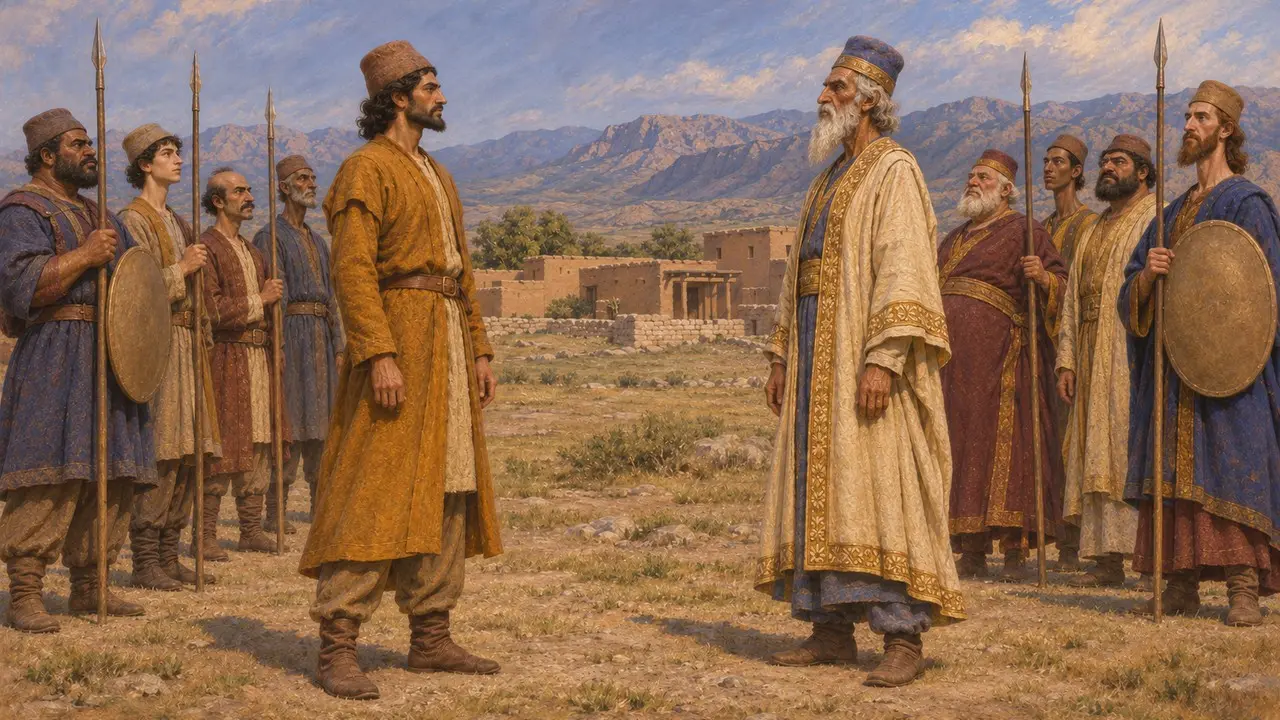
In the game: The Chronicle opens the game with the revolt and Cyrus's reply to the summons, taken from Herodotus 1.127. Calling Astyages his grandfather follows Herodotus; Ctesias denied it and Cyrus's own texts never mention it.
The Nabonidus Chronicle
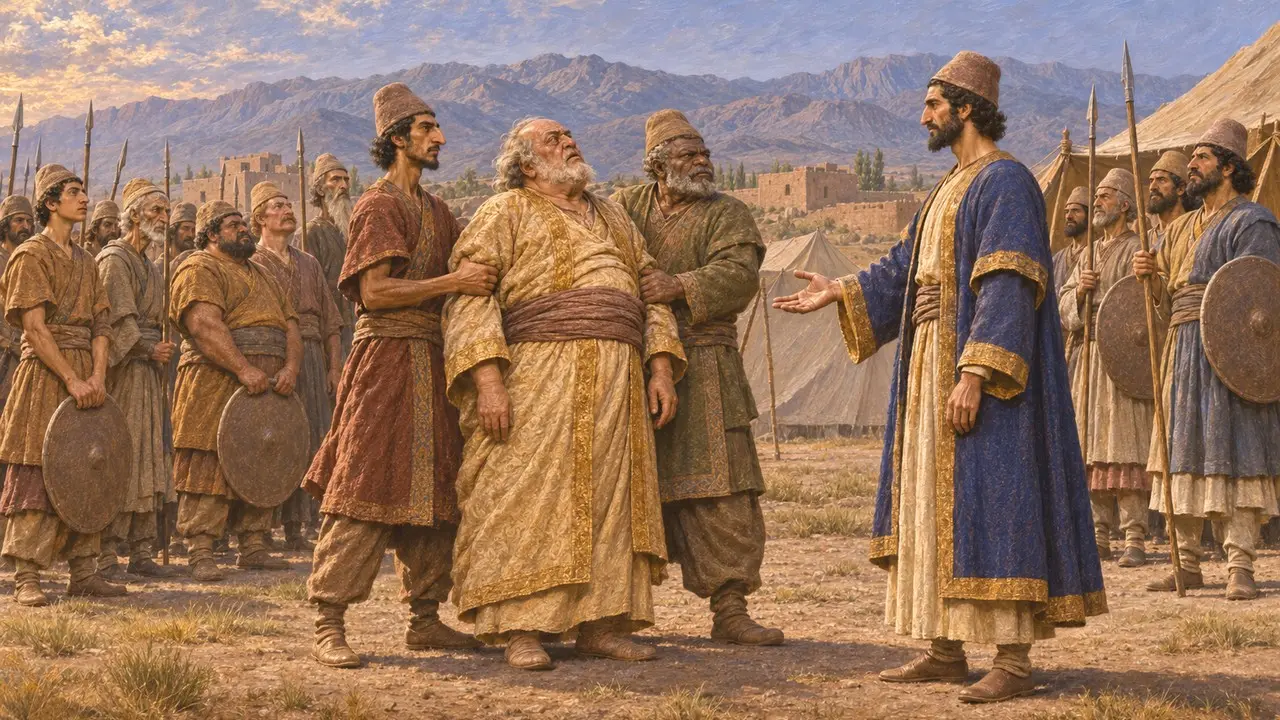
In the recordA Babylonian chronicle records that in the sixth year of King Nabonidus, 550/549, Ishtumegu (Astyages) mustered his army and marched against Cyrus, king of Anshan. His own troops rebelled, seized him and handed him over to Cyrus. Cyrus then marched to Ecbatana, the royal city, and carried silver, gold and other goods back to Anshan. In this text Astyages, not Cyrus, makes the first move.
Nabonidus Chronicle (ABC 7) ii 1-4
The Sippar Cylinder of Nabonidus
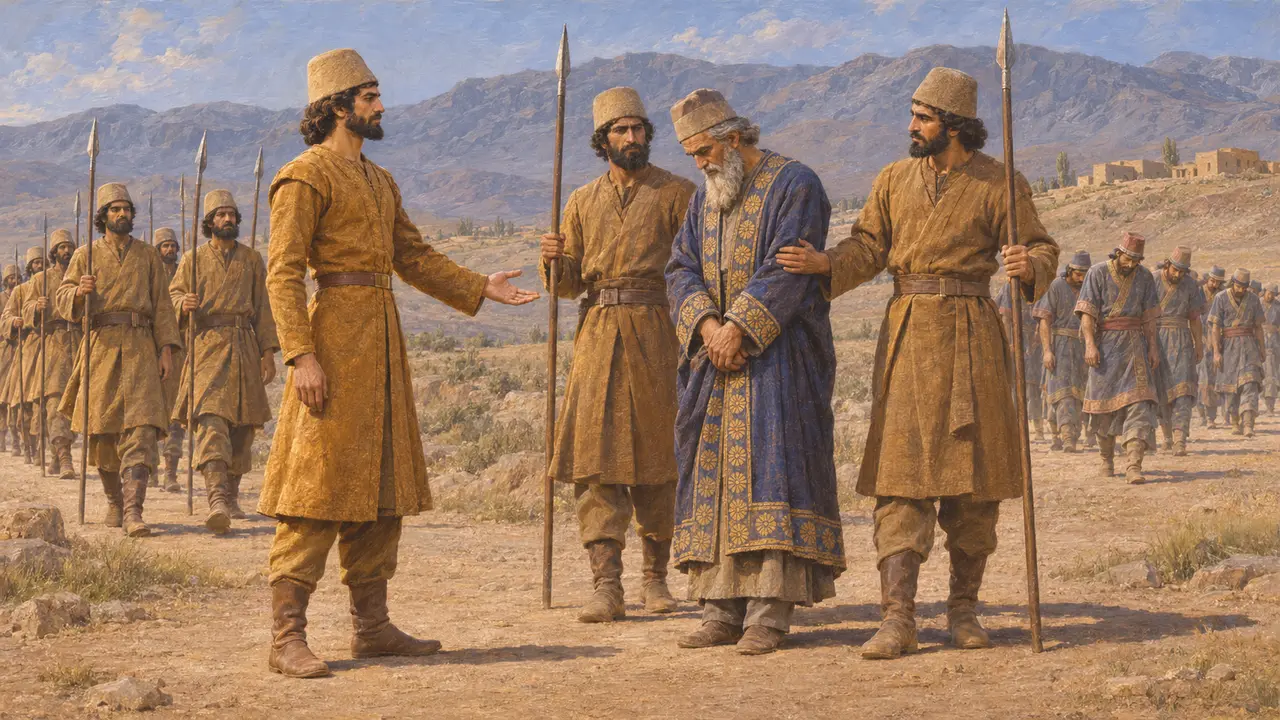
In the recordA building cylinder of Nabonidus, found at Sippar, tells how Marduk told him in a dream to rebuild the temple of Sin at Harran and promised that the Medes would be removed. In the third year, probably meaning Nabonidus's third year, about 553, Marduk raised up Cyrus, king of Anshan, his young servant. Cyrus scattered the Medes with his small army and took Astyages captive to his own land. The text calls the Medes Umman-manda, an old term for barbarian northern foes.
Sippar Cylinder of Nabonidus; H. Schaudig, Die Inschriften Nabonids, 2001
Herodotus's account
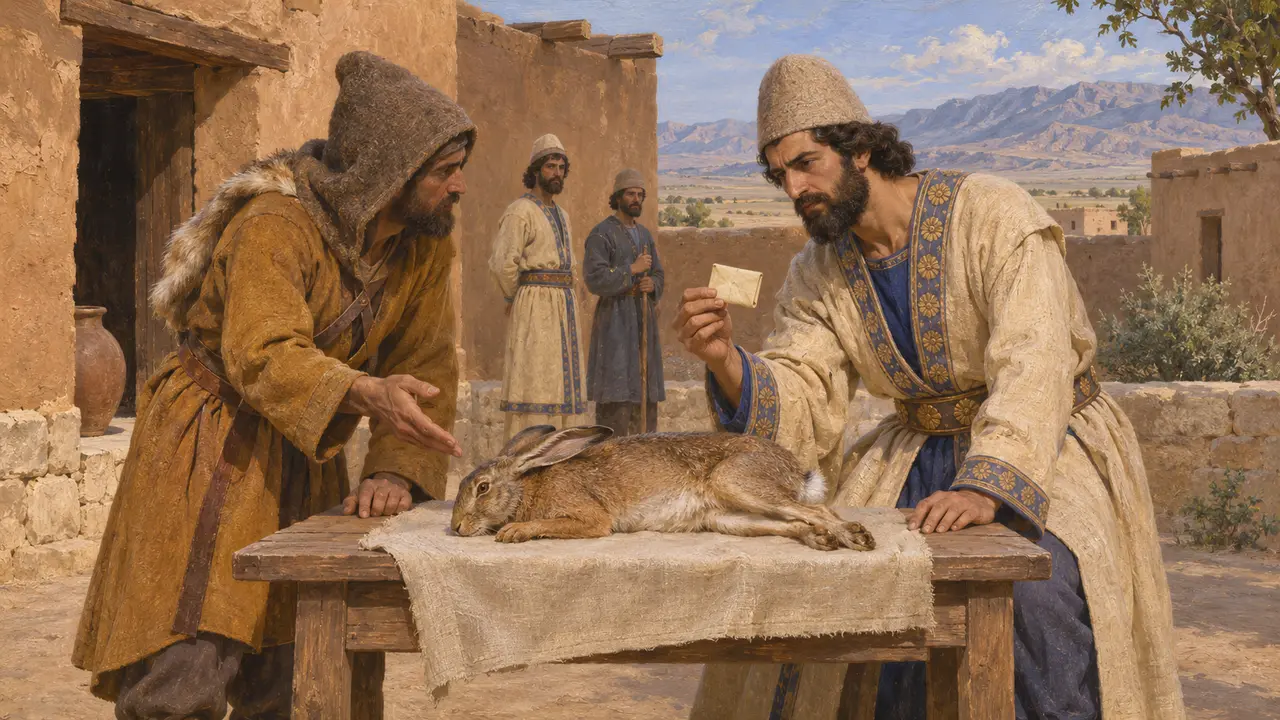
Ancient accountHerodotus says Harpagus, a Mede whom Astyages had punished cruelly, urged Cyrus to revolt in a letter hidden inside a hare. Cyrus rallied the Persian tribes, and when Astyages summoned him he replied that he would come sooner than the king would like. Astyages gave command to Harpagus, many Medes deserted, and Astyages was captured after a second battle. Cyrus kept him at court until he died.
Herodotus 1.123-130
Grandson, rebel or rival
DisputedHerodotus and Xenophon make Cyrus the son of Astyages' daughter Mandane, but Ctesias denied the kinship, and the Cyrus Cylinder names only his Persian forebears, kings of Anshan. The dates also differ: the Sippar text may point to 553, the Chronicle to 550, so the war may have lasted several years. Some historians doubt that the Medes ruled a centralised empire at all, which affects whether this was a revolt or a war between neighbours.
Herodotus 1.107-108; Xenophon, Cyropaedia 1.2.1; Ctesias, Persica; Cyrus Cylinder; H. Sancisi-Weerdenburg, Was there ever a Median empire?, 1988
The exposed child and the shamed soldiers
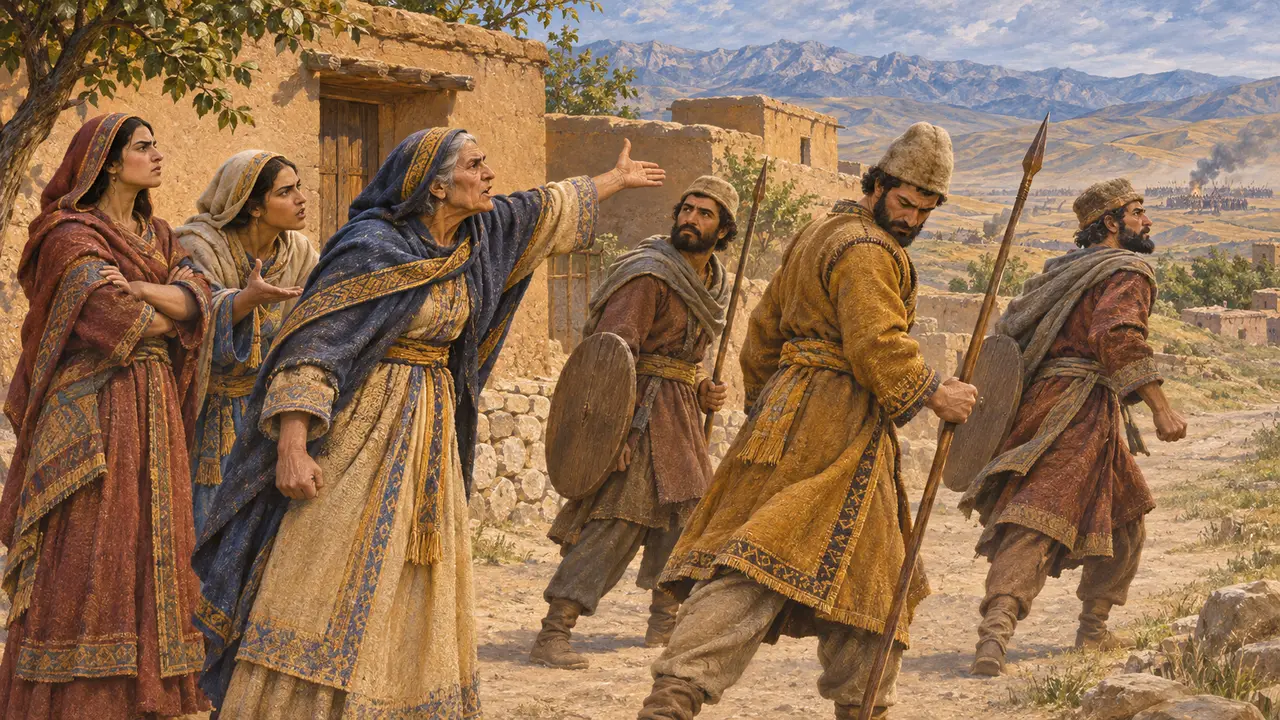
Later legendHerodotus tells that Astyages, warned by dreams, ordered the infant Cyrus killed, and that a herdsman's wife raised him instead; he admits other versions existed. Later writers such as Justin and Plutarch add that Persian men fleeing the Medes were shamed by their mothers and wives into fighting on. Both stories follow familiar folk patterns and cannot be taken as history.
Herodotus 1.95, 1.107-122; Justin, Epitome 1.6; Plutarch, Bravery of Women 5
Sources
- Nabonidus Chronicle (ABC 7), in A. K. Grayson, Assyrian and Babylonian Chronicles, 1975
- Sippar Cylinder of Nabonidus, in H. Schaudig, Die Inschriften Nabonids, 2001
- Herodotus 1.107-130
- Ctesias, Persica (fragments in Photius and Nicolaus of Damascus); Xenophon, Cyropaedia 1.2
- P. Briant, From Cyrus to Alexander, 2002
- H. Sancisi-Weerdenburg, Was there ever a Median empire?, 1988