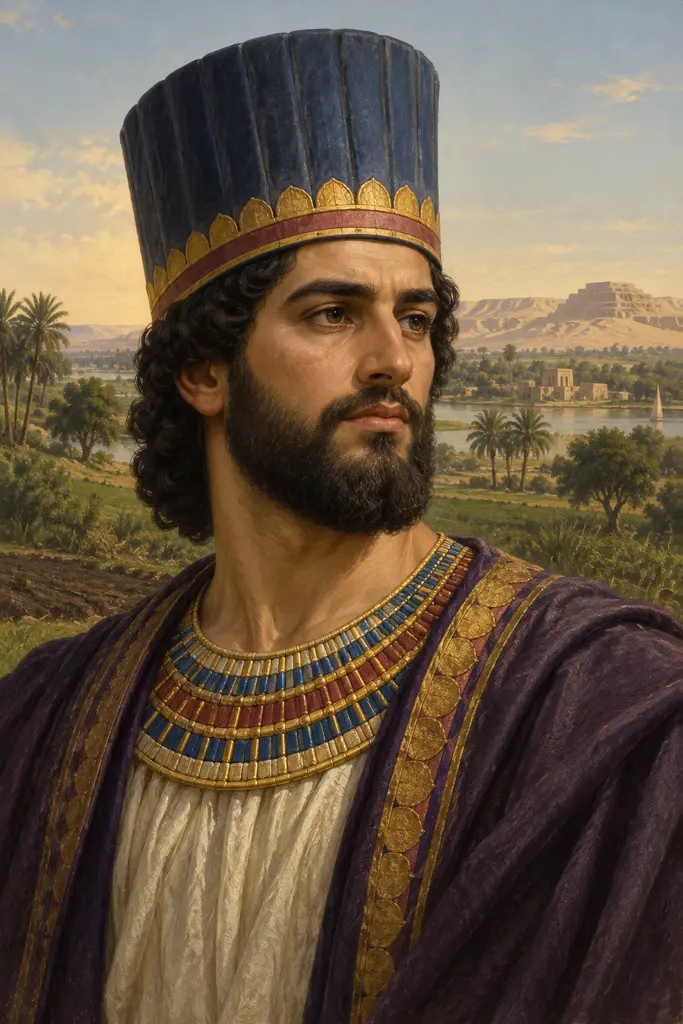
Cambyses
Son of Cyrus, king of Persia 530-522 BCE and conqueror of Egypt
In the game: Level 2: The Spear-bearer, Level 3: The Lie, Level 5: The Charter
Cambyses, son of Cyrus the Great, was king of Persia from 530 to 522. He added Egypt to the empire in 525 and ruled it as pharaoh, bringing one of the oldest kingdoms of the Near East under Persian rule. Greek tradition remembered him as a mad tyrant, while Egyptian inscriptions and Darius's own record tell different stories.
In the game: The Memphis level is set in 525, the year of his conquest. The chronicle note's return home to face a usurper follows Herodotus; Darius's inscription says only that he died after the magus seized power.
Heir of Cyrus
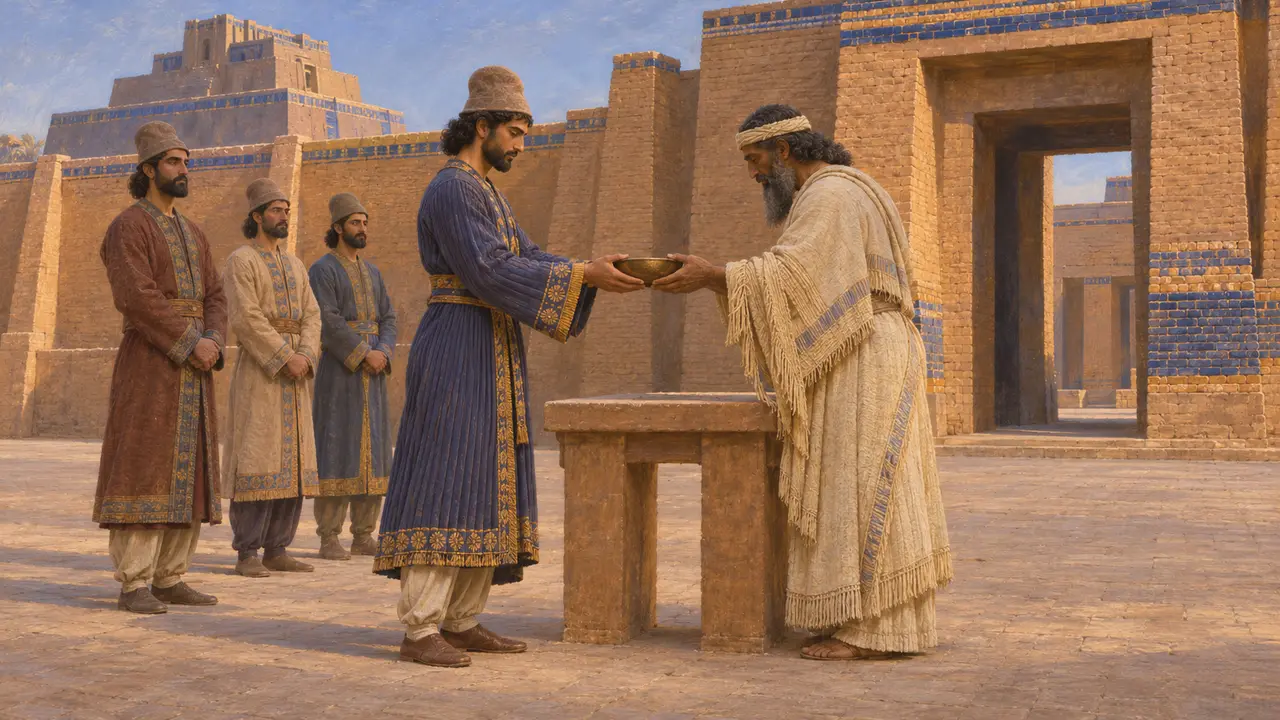
In the recordThe Cyrus Cylinder names Cambyses as Cyrus's son and asks the god Marduk to bless him alongside his father. The Nabonidus Chronicle records that after the capture of Babylon in 539, Cambyses son of Cyrus took part in a rite at the temple of Nabu during the New Year festival. Babylonian tablets briefly date by him as king of Babylon while Cyrus still reigned, and he succeeded his father in 530.
Cyrus Cylinder; Nabonidus Chronicle
The conquest of Egypt
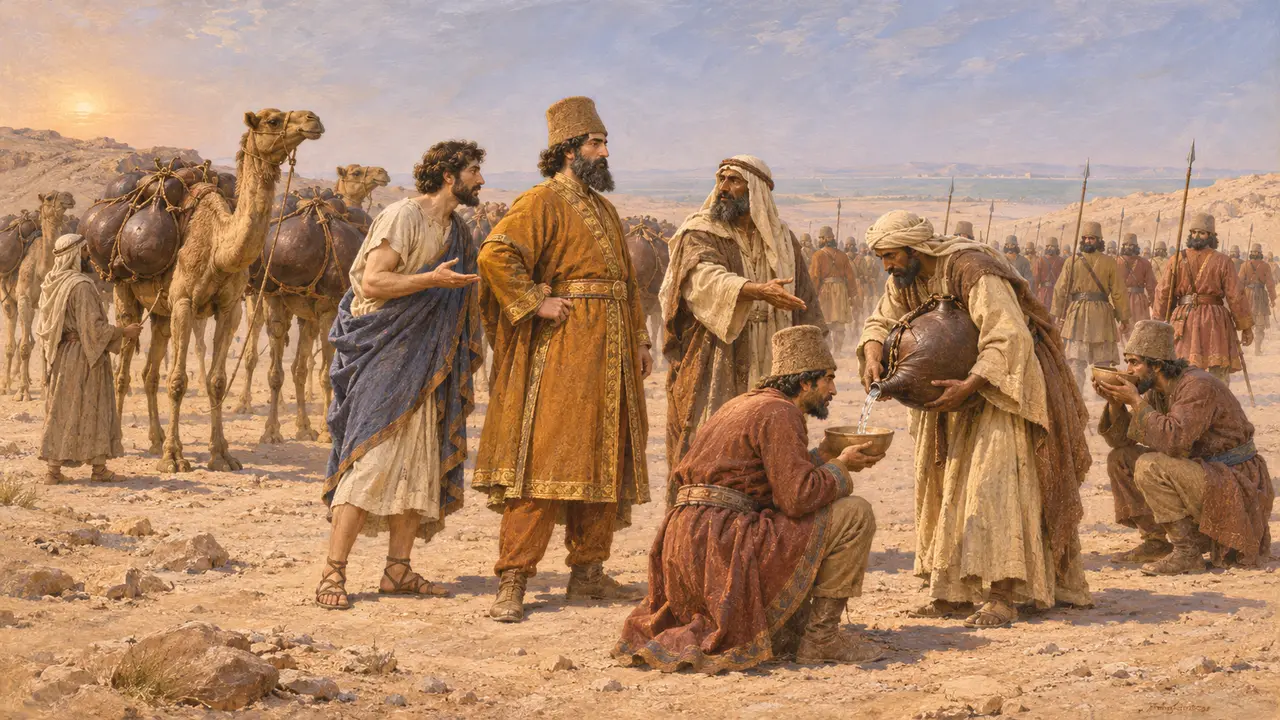
Ancient accountHerodotus says Cambyses marched on Egypt with help from Phanes of Halicarnassus, a mercenary officer who had deserted the pharaoh Amasis, and from an Arab king who supplied water across the desert to Egypt. Amasis died before the invasion, and his son Psamtik III met the Persians near Pelusium and was defeated. Memphis was besieged until it surrendered; Herodotus adds that Psamtik was later put to death for plotting revolt.
Herodotus 3.4-15
Pharaoh of Egypt
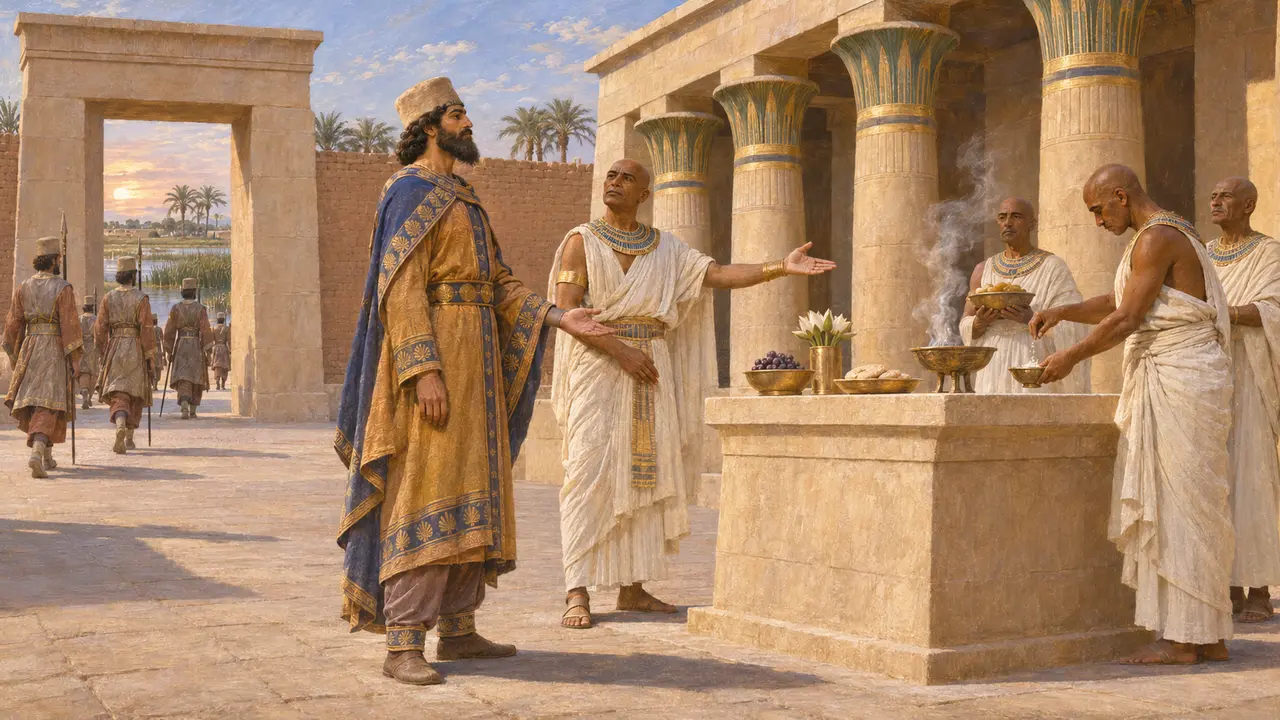
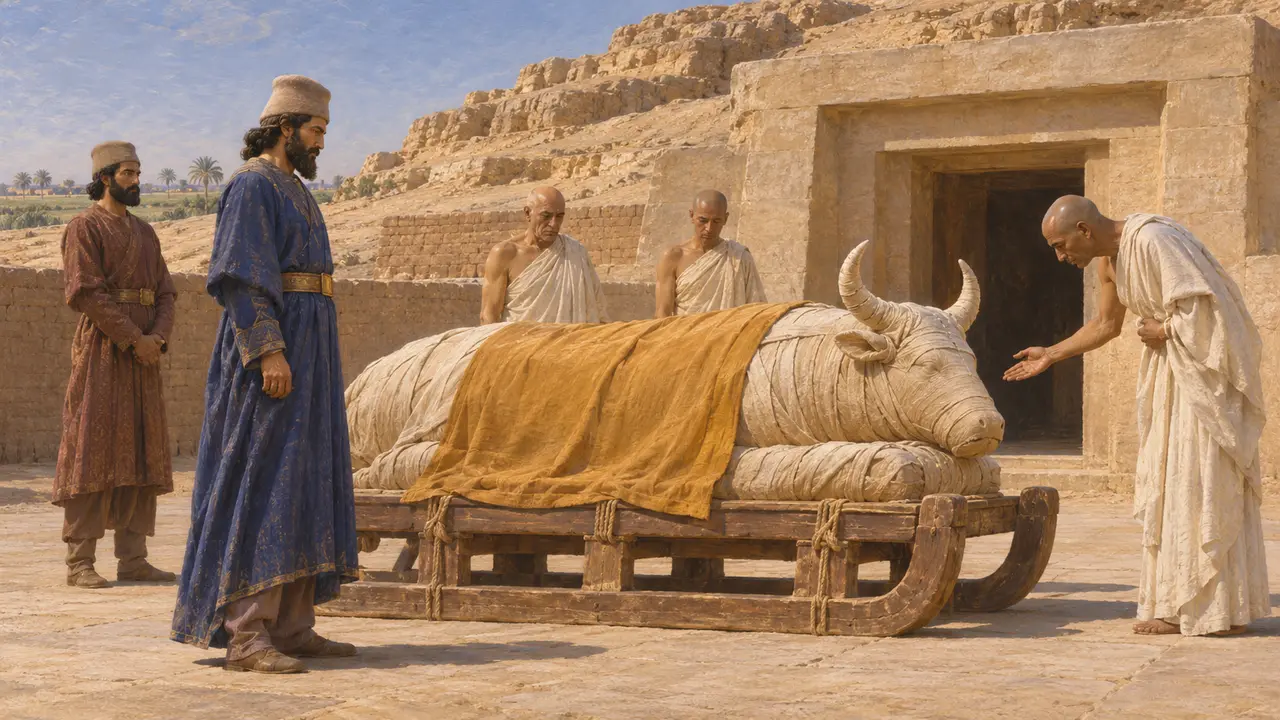
In the recordThe statue of Udjahorresnet, a naval commander and physician of Sais, records that Cambyses took a pharaoh's throne name, Mesutira, and at Udjahorresnet's request cleared foreign troops from the temple of Neith and restored its rites. A stela from the Serapeum at Saqqara shows an Apis bull buried in his sixth year in a sarcophagus given by the king. These sources present him as a pharaoh who honoured the gods.
Statue of Udjahorresnet; Apis stela from the Serapeum, Saqqara
The madness of Cambyses
DisputedHerodotus calls Cambyses mad, saying he stabbed the Apis bull, mocked Egyptian gods and killed his brother and his sister-wife. The royal burial of an Apis in his reign sits badly with the stabbing story, though scholars argue over which bull and which year. Many historians think the hostile picture came from Egyptian priests angered by his cuts to temple revenues, noted in a later Demotic text, and from Persian accounts that served Darius.
Herodotus 3.27-38; P. Briant, From Cyrus to Alexander, 2002
His death in 522
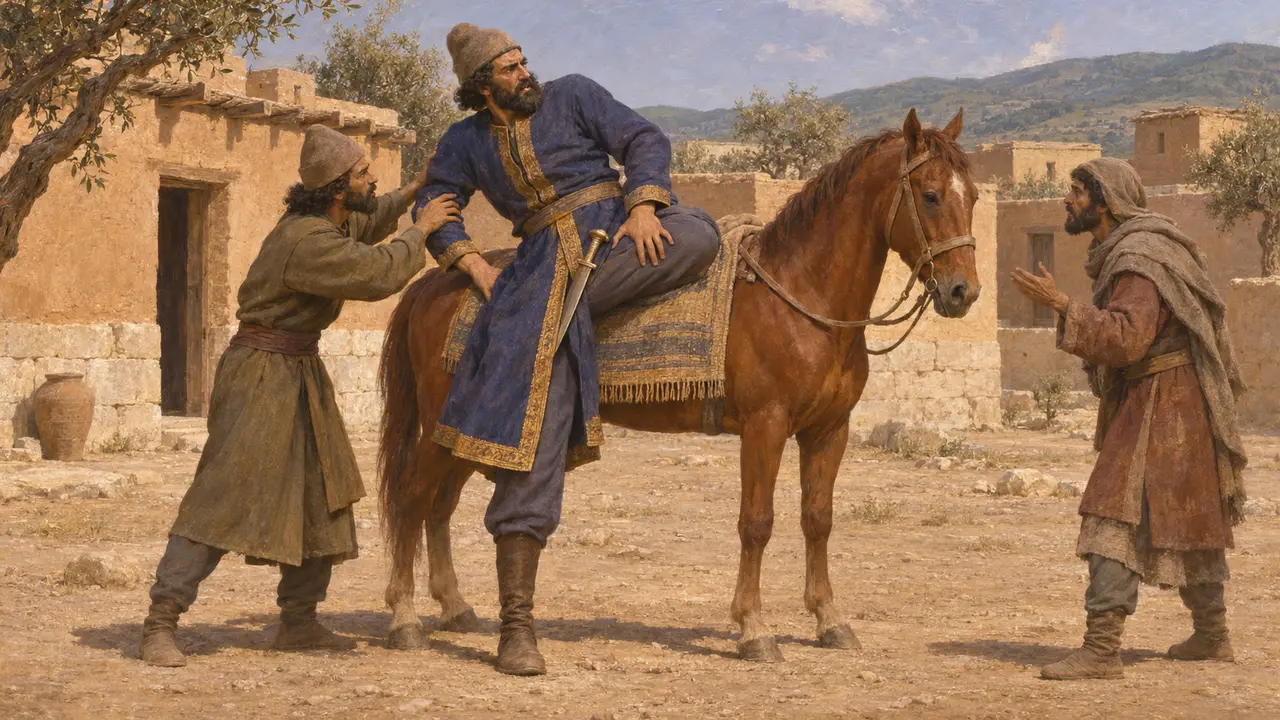
DisputedHerodotus says news of a usurper reached Cambyses in Syria; leaping onto his horse, he wounded his thigh on his own sword and died at a town called Ecbatana. Like Herodotus, Darius's Behistun inscription says Cambyses had secretly killed his brother Bardiya and that a magus, Gaumata, then seized the throne, but it says only that Cambyses died his own death. Scholars debate what that phrase means, and whether the usurper was in fact Bardiya.
Herodotus 3.61-66; DB §10-11
Sources
- Herodotus, Histories book 3
- Darius I, Behistun inscription (DB)
- Statue of Udjahorresnet
- Apis stela and sarcophagus from the Serapeum, Saqqara
- Cyrus Cylinder and Nabonidus Chronicle
- P. Briant, From Cyrus to Alexander, 2002