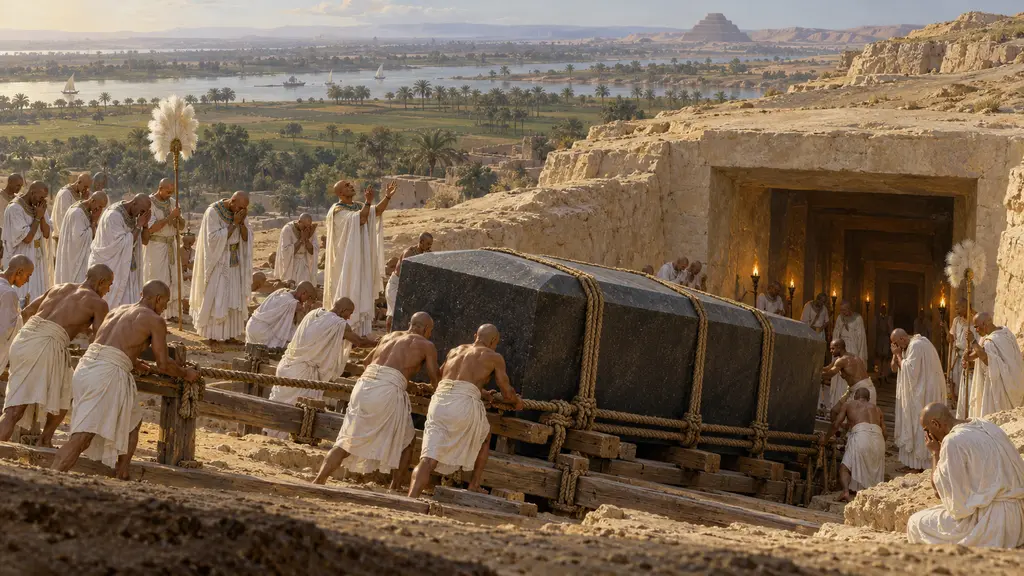
Saqqara (the Serapeum)
Memphite burial ground of the Apis bulls, Egypt, used under Persian kings, 6th-5th century BCE
In the game: Level 2: The Spear-bearer
Saqqara, on the desert edge west of Memphis, was the necropolis of the Memphite kings and nobles. In the area later called the Serapeum, the Apis bulls, living manifestations of the god Ptah, were buried in underground galleries. Stelae from these burials date particular bulls by regnal year and include the Persian kings in the Egyptian reckoning.
In the game: The game names Saqqara only in Chronicle entries and in the Encyclopedia's event articles, such as the death of the Apis. It is not a level or a place the player builds, and it has no mechanic of its own.
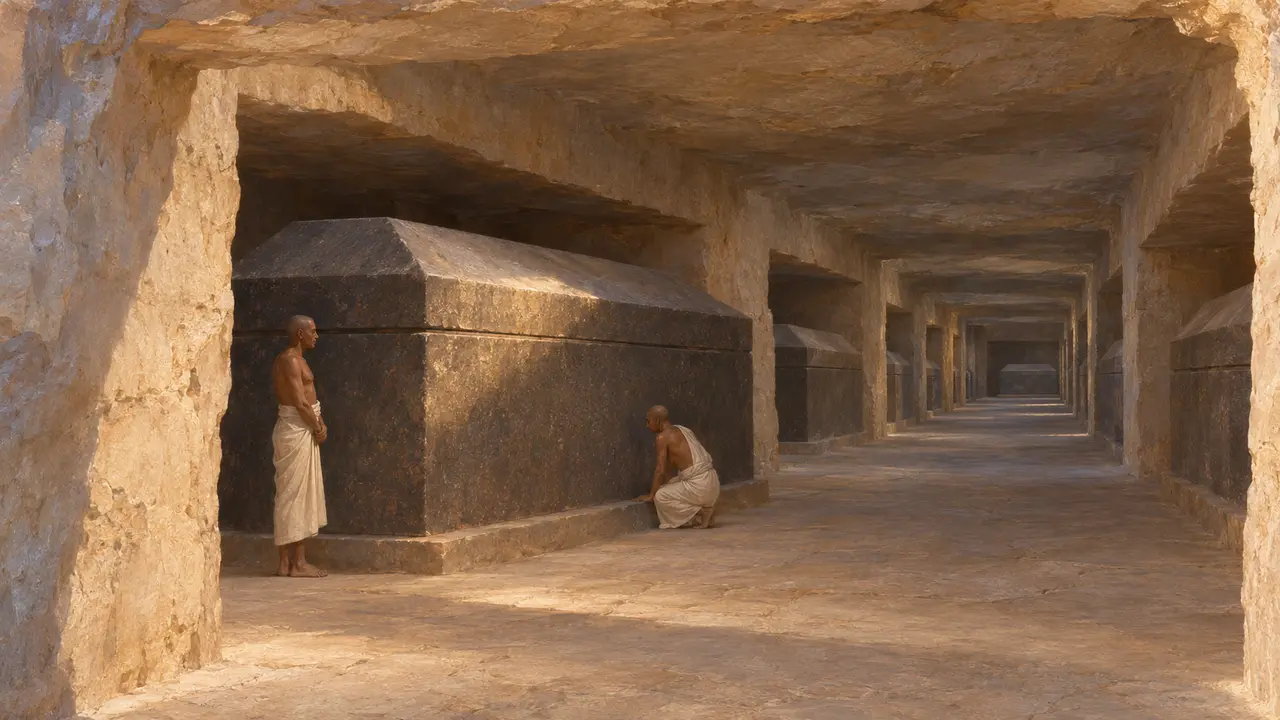
The Apis galleries
In the recordExcavations at Saqqara, begun by Auguste Mariette in the early 1850s, uncovered long rock-cut galleries where Apis bulls were laid in great stone sarcophagi. Chapels and stelae stood above and around them. The galleries were extended over centuries, and burials of the Persian period lie among them.
A. Mariette, Le Sérapéum de Memphis
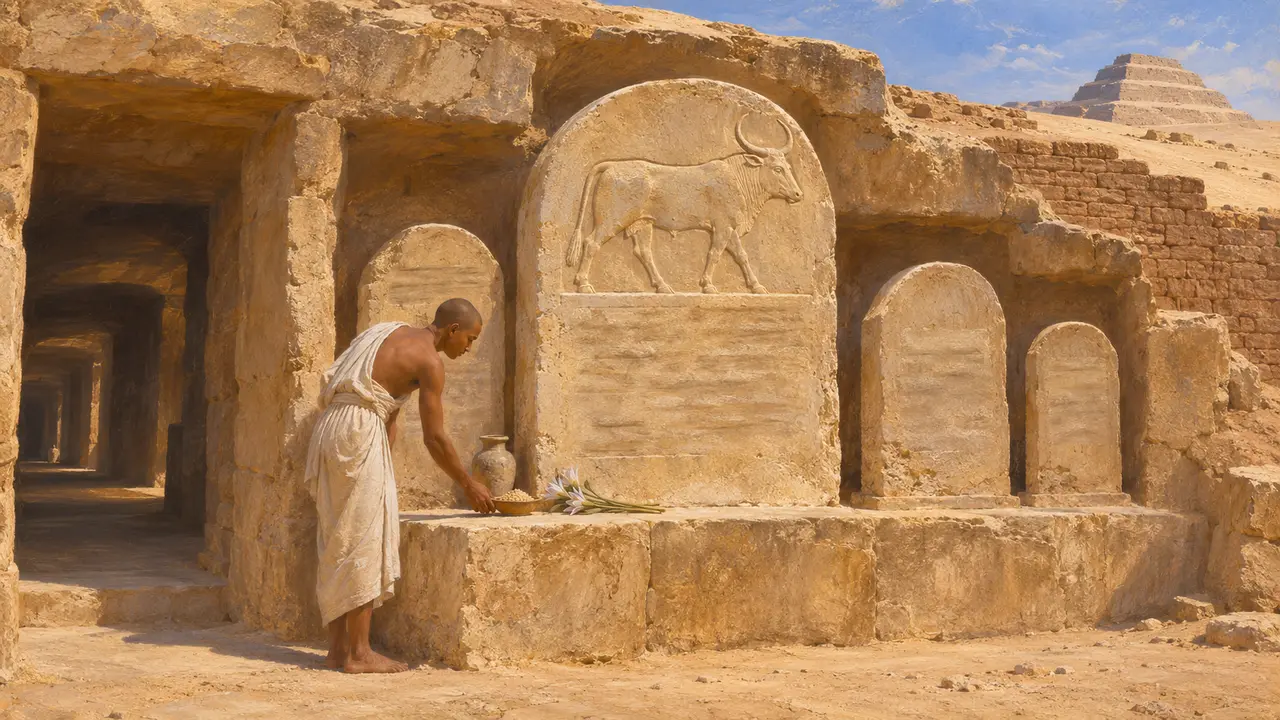
Stelae dating the bulls
In the recordDedicatory stelae record the birth, installation and death of particular bulls, with dates by regnal year. Burials of bulls fall in the reigns of Cambyses and of Darius. These are Egyptian documents written under Persian kings, and they give the kings the usual titles of Egyptian pharaohs.
M. Malinine, G. Posener and J. Vercoutter, Catalogue des stèles du Sérapéum de Memphis, 1968
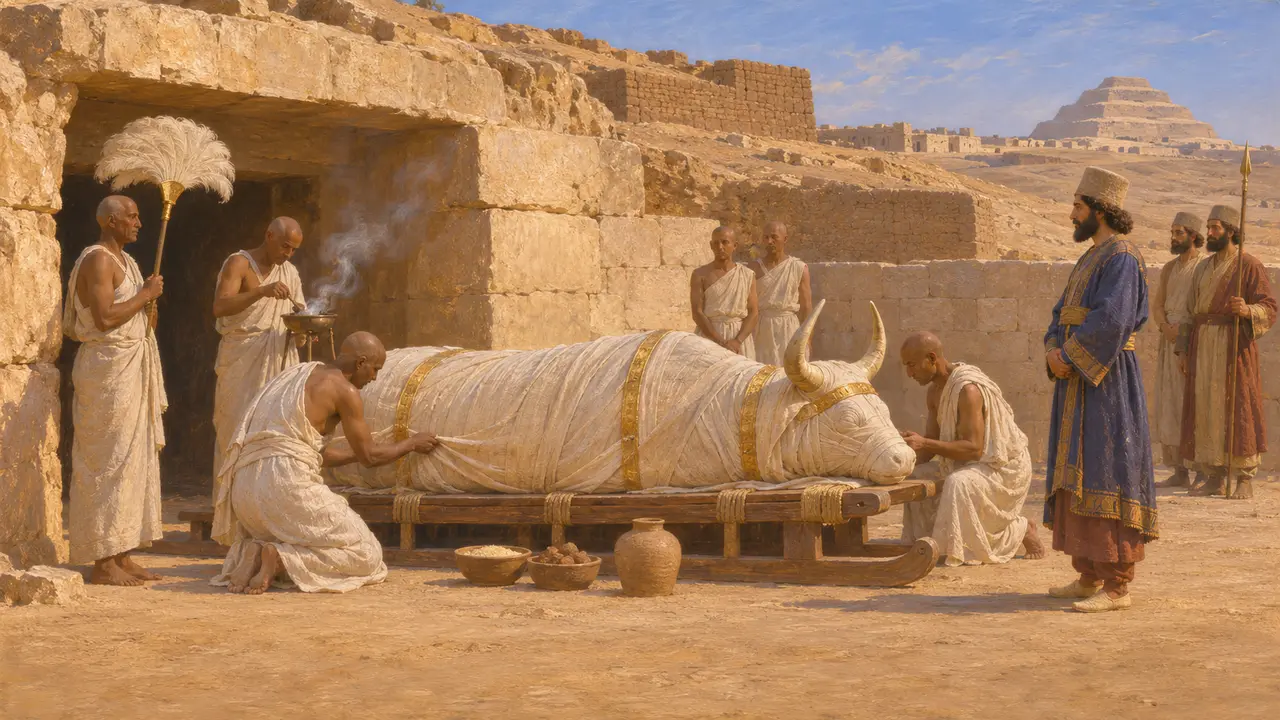
Cambyses and the Apis
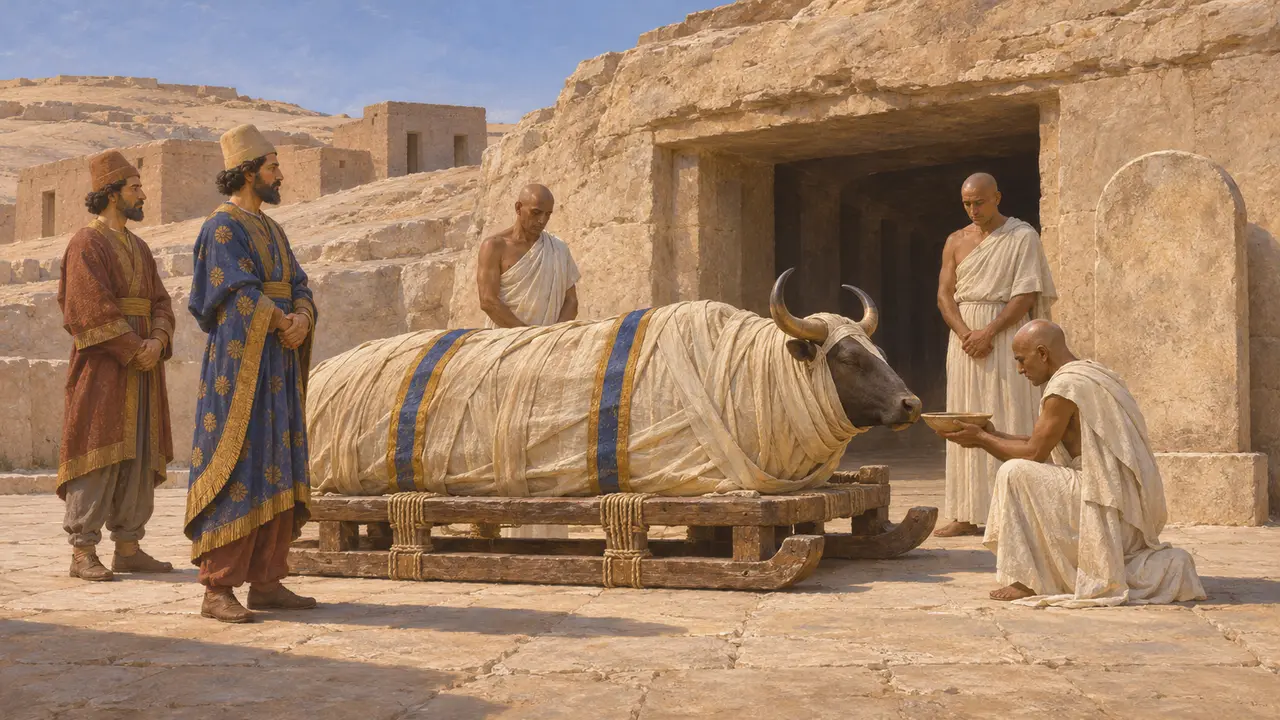
DisputedHerodotus says Cambyses stabbed a newly found Apis in the thigh in a fit of madness, and that the bull died. The Saqqara evidence does not support this: a bull buried in Cambyses' reign received the proper rites, and no stela shows an insult to the cult. Most historians treat Herodotus's story as hostile Egyptian tradition about Cambyses, though the question is still argued, in particular over which bull the dates fit.
Herodotus 3.27-29
Darius and the cult
In the recordA stela from the reign of Darius records an Apis burial, which shows the cult continuing under Persian rule. This fits other evidence that Darius supported Egyptian temples and law, such as his work on the House of Life at Sais. The Persian kings, in these texts, kept the bull's rites as pharaohs had done.
Catalogue des stèles du Sérapéum de Memphis, 1968
Name and later history
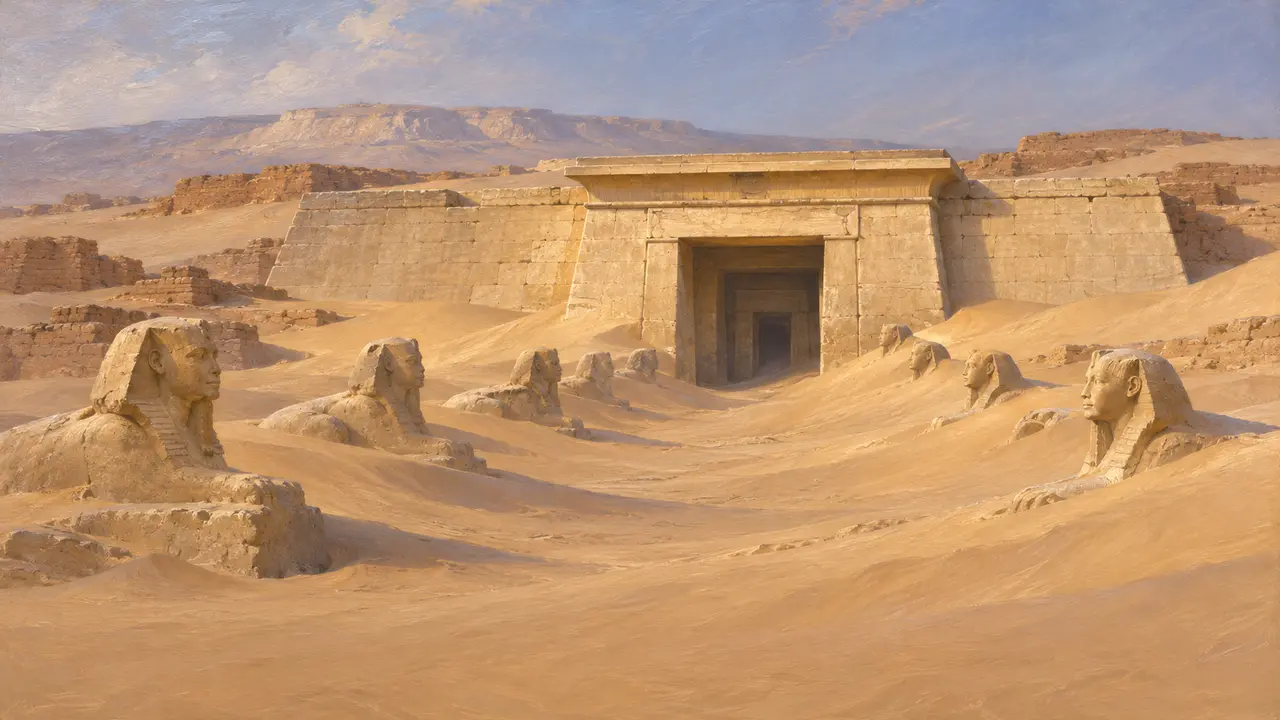
Ancient accountThe name Serapeum belongs to the Greek-speaking world of later centuries, when the cult of Osiris-Apis was linked with the god Serapis. Strabo describes a Serapeum at Memphis, partly buried in sand. His account is of his own day, not of the Persian period.
Strabo 17.1.32
Sources
- Herodotus 3.27-29
- A. Mariette, Le Sérapéum de Memphis
- M. Malinine, G. Posener and J. Vercoutter, Catalogue des stèles du Sérapéum de Memphis, 1968
- Strabo 17.1.32
- P. Briant, From Cyrus to Alexander, 2002