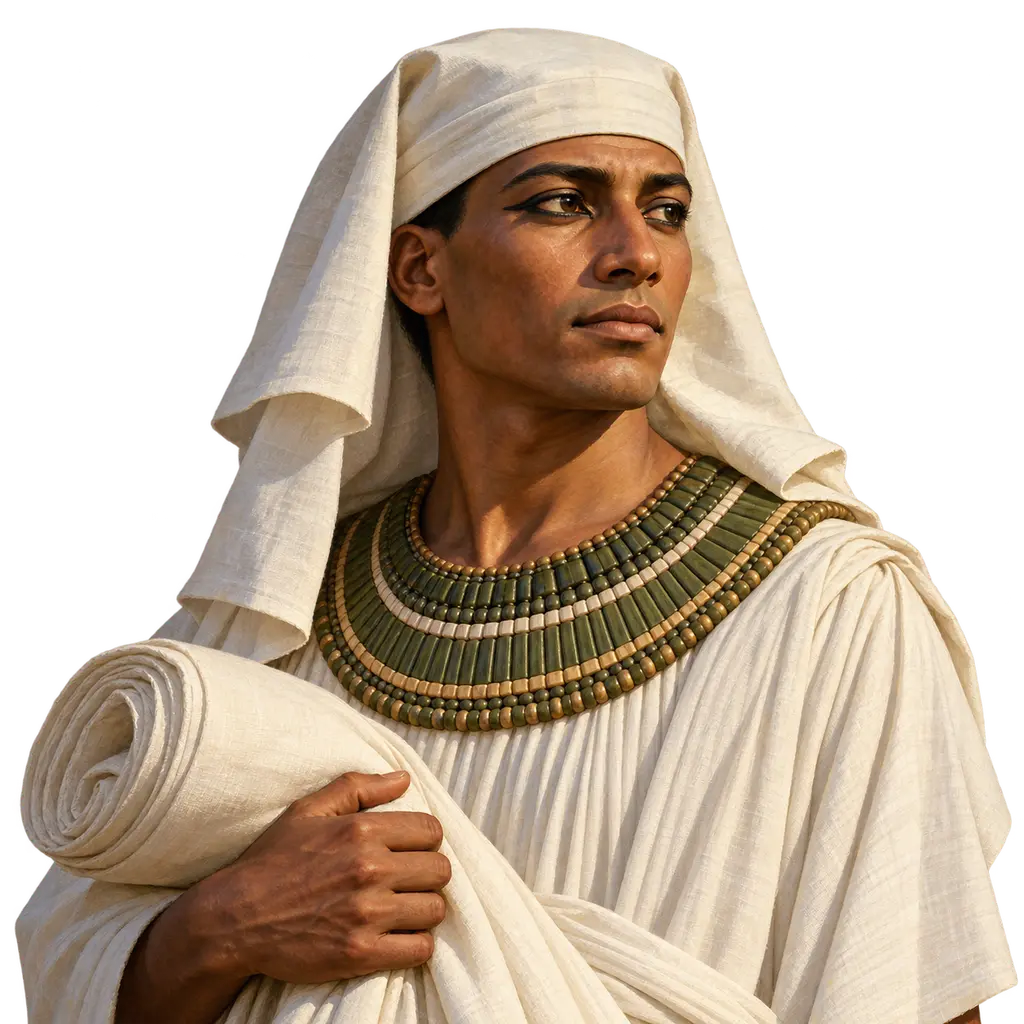
The Egyptians
People of the Nile valley, ruled by Persian kings from 525 BCE
In the game: Level 2: The Spear-bearer, Level 5: The Charter
The Egyptians lived along the Nile under pharaohs of the Saite dynasty until Cambyses conquered them in 525. Egypt then became one of the richest provinces of the empire. Its priests, scribes, craftsmen and sailors served the Persian kings, who ruled there as pharaohs. The country also revolted more than once, first about 486.
In the game: The game shows Egypt as a trade partner, Psamtik III's army defending Memphis in 525, and Egyptian marines in the King's fleet. Herodotus places the main battle at Pelusium, with Memphis falling afterwards to a siege.
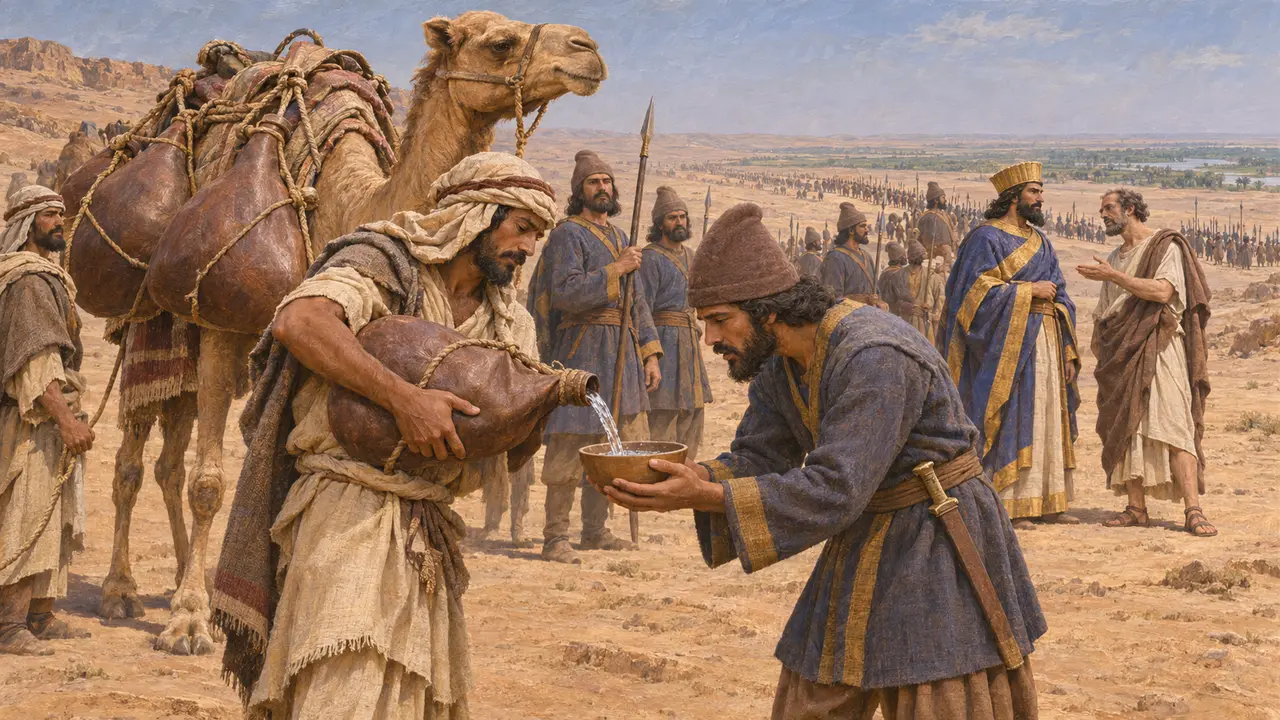
The conquest of 525
Ancient accountCambyses invaded Egypt in 525. Herodotus tells that Arab allies carried water for his army across the desert, and that the Greek mercenary Phanes, who had deserted Egypt, gave him advice. The Egyptians under Psamtik III, who had reigned only about six months, were beaten at Pelusium and fled to Memphis, which fell after a siege. Psamtik was taken alive and later put to death for plotting.
Herodotus 3.4-15
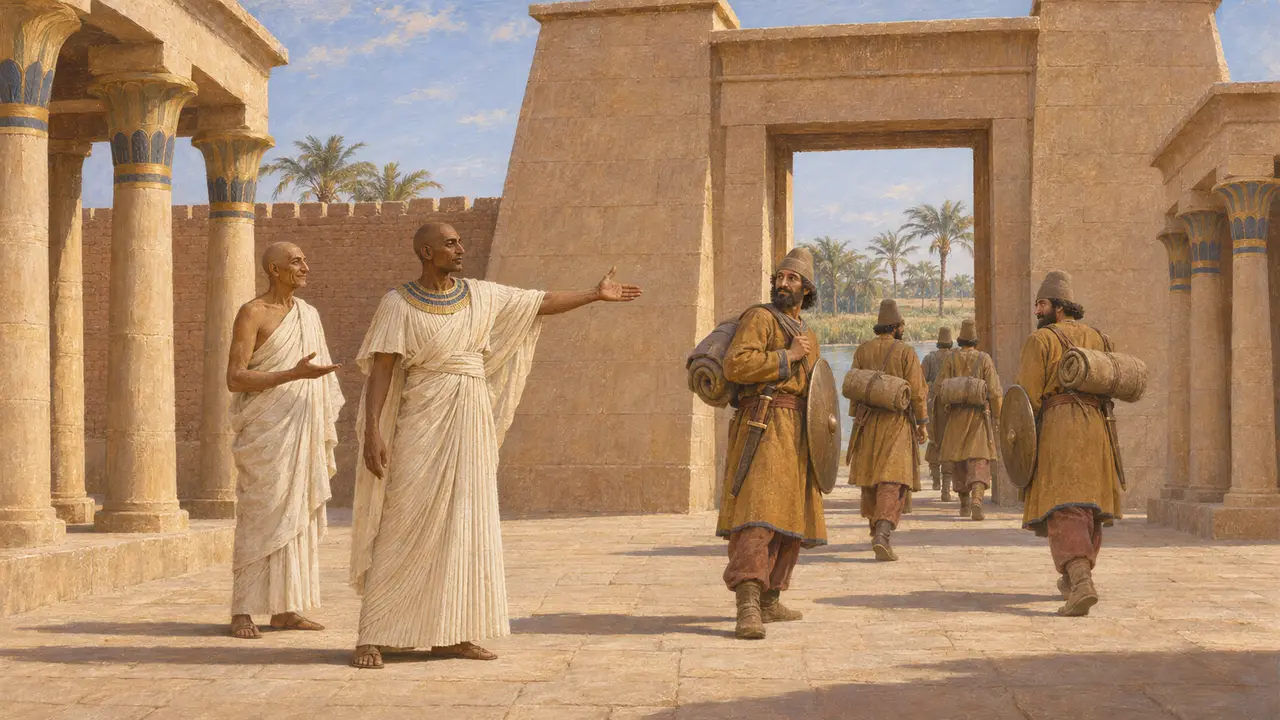
Egyptians in the service of Cambyses
In the recordThe inscribed statue of Udjahorresnet belonged to a naval commander under the last Saite kings. It records that he served Cambyses as chief physician, composed his Egyptian royal name and had foreign troops cleared from the temple of Neith at Sais. He adds that Darius later sent him back to Egypt to restore the House of Life, the temple school of scribes. A Serapeum stela records an Apis bull buried with royal rites in Cambyses' sixth year.
Statue of Udjahorresnet (Vatican Museums); Apis stela of Cambyses' year 6, Serapeum of Saqqara
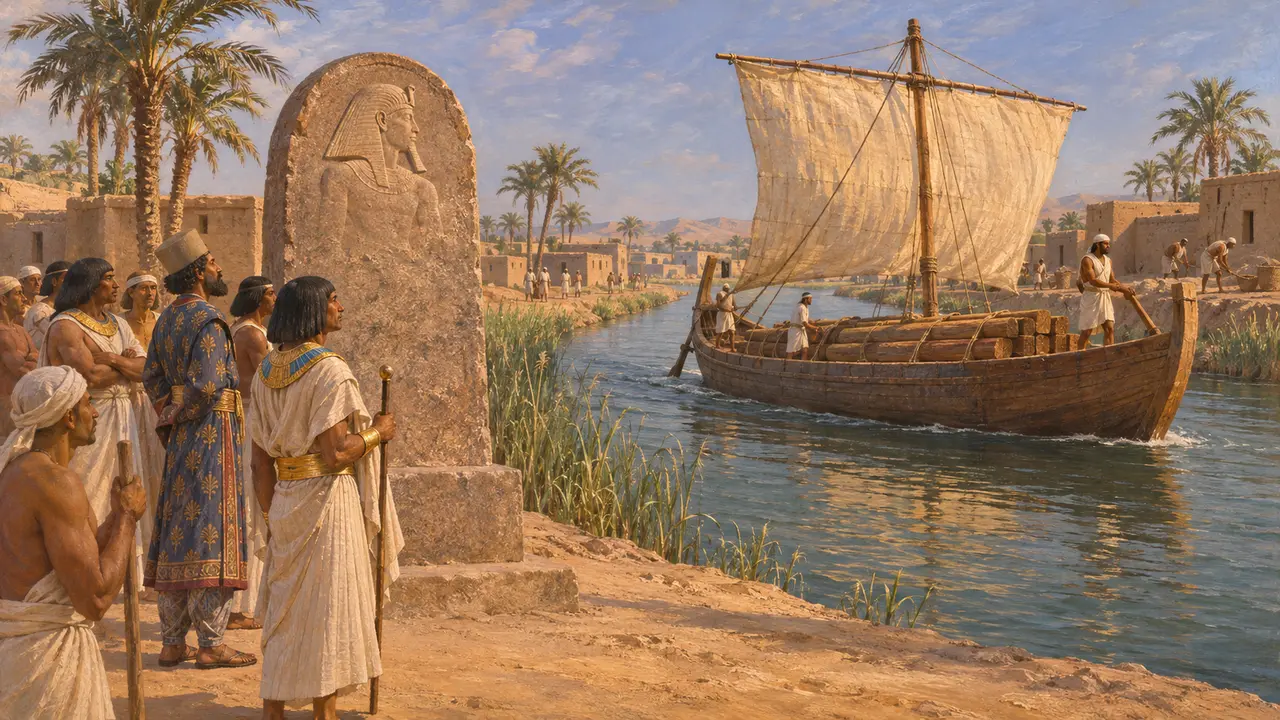
Darius as pharaoh
In the recordDarius was presented in Egypt as a pharaoh. Stelae set up along the canal from the Nile to the Red Sea record that he had it dug and sent ships through it towards Persia. His statue found at Susa was carved from Egyptian stone and carries hieroglyphs and a list of subject peoples. His Susa charter names Egyptians among the goldsmiths, woodworkers and wall decorators who built his palace.
DZc; DSab; DSf
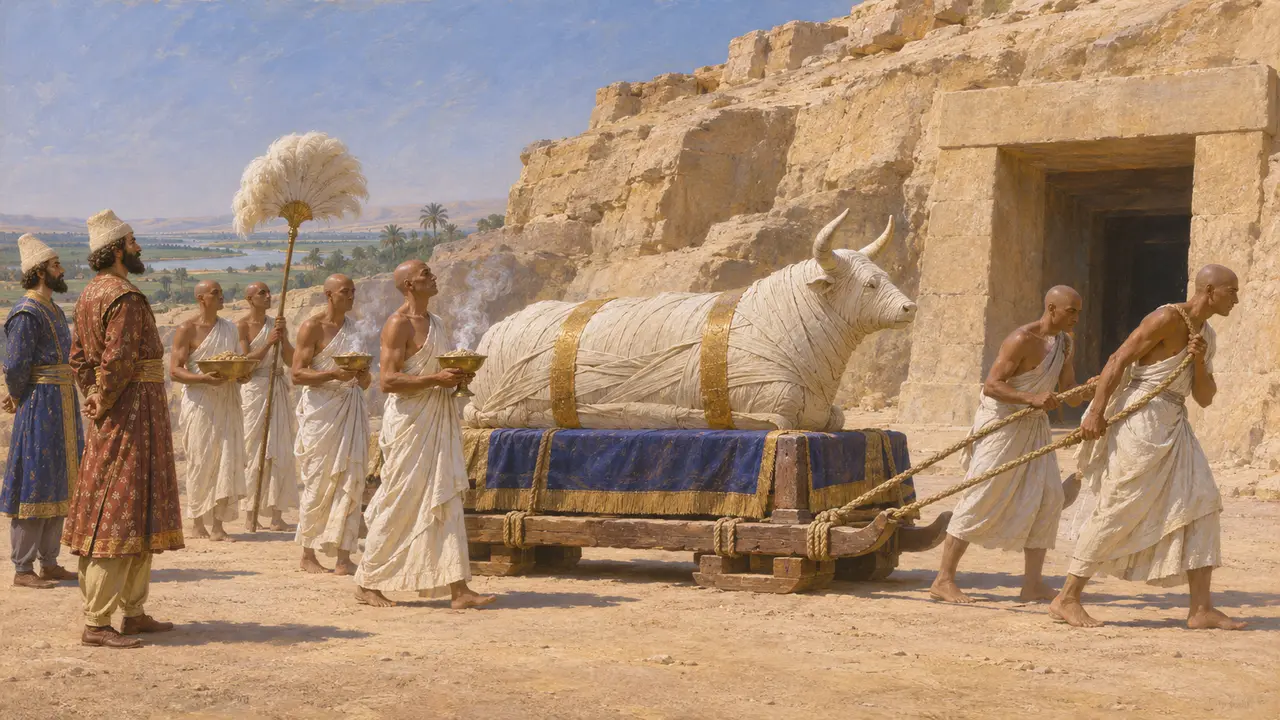
The madness of Cambyses
DisputedHerodotus says Cambyses went mad, stabbed the Apis bull and mocked Egyptian gods. The Apis stelae fit poorly with this story: a bull was buried in his reign with full honours, and its successor lived on into Darius's reign. Many historians think the tale came from priests angered by his cuts to temple revenues, a measure noted in a later Demotic text. Others accept that his rule was harsher than that of Darius.
Herodotus 3.27-38; P. Briant, From Cyrus to Alexander, 2002
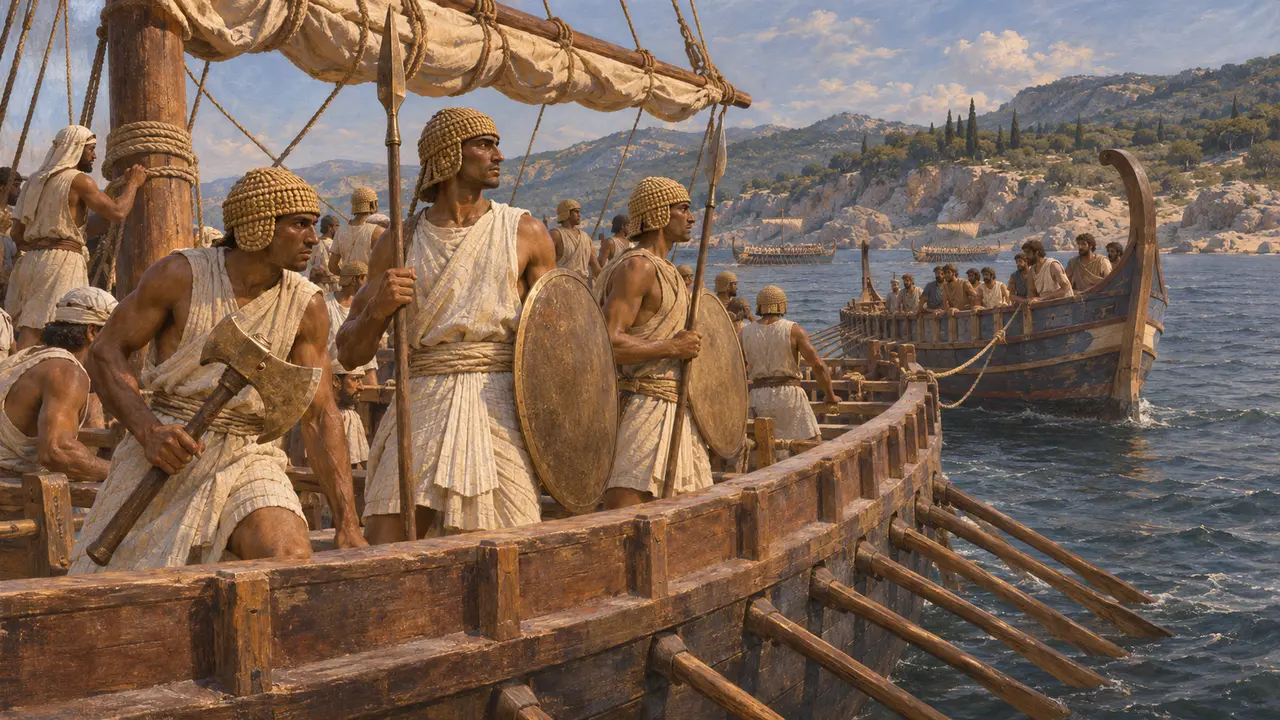
Revolt and the fleet of Xerxes
Ancient accountHerodotus says Egypt rebelled late in Darius's reign and that Xerxes crushed the revolt, making his brother Achaemenes governor. He counts 200 Egyptian ships in the fleet of 480, their crews wearing plaited helmets and carrying broad-rimmed shields, naval spears and heavy axes. In his telling they fought best of the King's sailors at Artemisium, taking five Greek ships, and their marines were later landed to fight at Plataea.
Herodotus 7.1, 7.7, 7.89, 8.17, 9.32
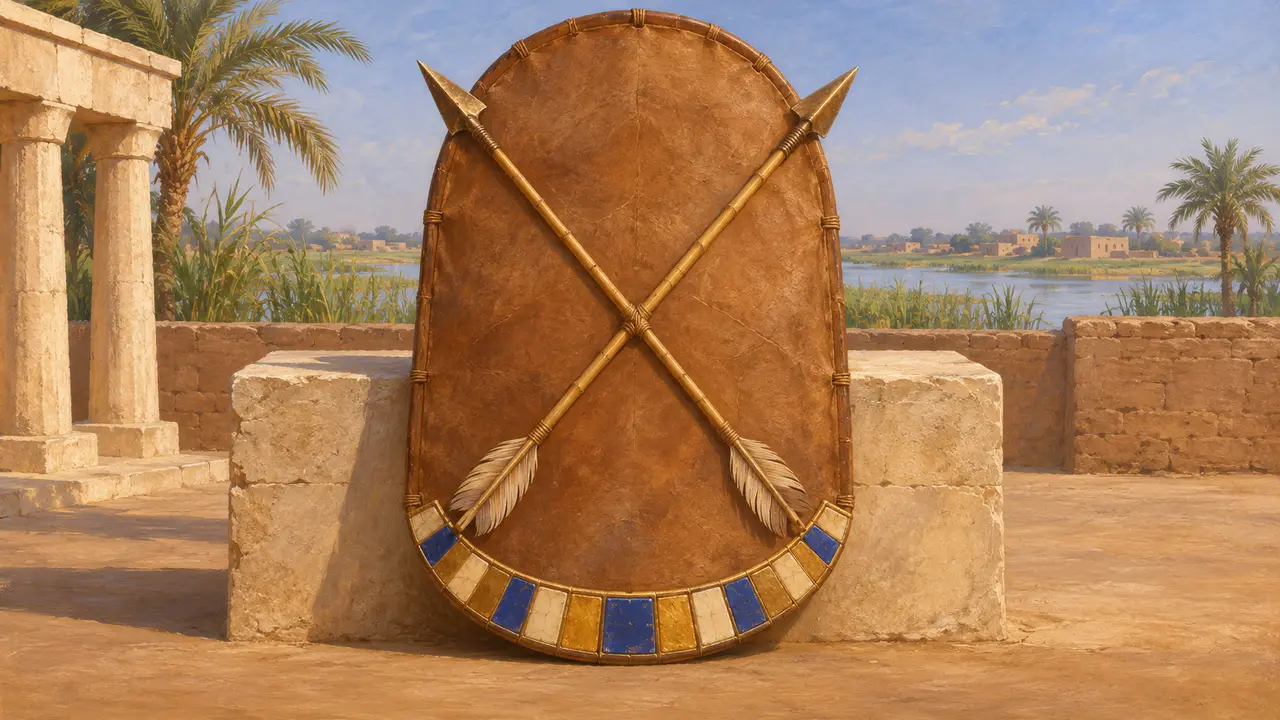
The emblem beside its name
In the recordEgypt's emblem in the game is the shield and crossed arrows of Neith, goddess of Sais, home city of Psamtik's Saite dynasty, on a hem of collar blocks. Egyptian armies marched behind standards of gods and nomes; this is an emblem after Neith, not a known field standard.
R. H. Wilkinson, The Complete Gods and Goddesses of Ancient Egypt, 2003
Sources
- Herodotus, Histories, books 3 and 7-9
- Statue of Udjahorresnet (Vatican Museums)
- Apis stelae from the Serapeum of Saqqara
- DZc; DSab; DSf
- P. Briant, From Cyrus to Alexander, 2002
- G. Posener, La première domination perse en Égypte, 1936