Plataea
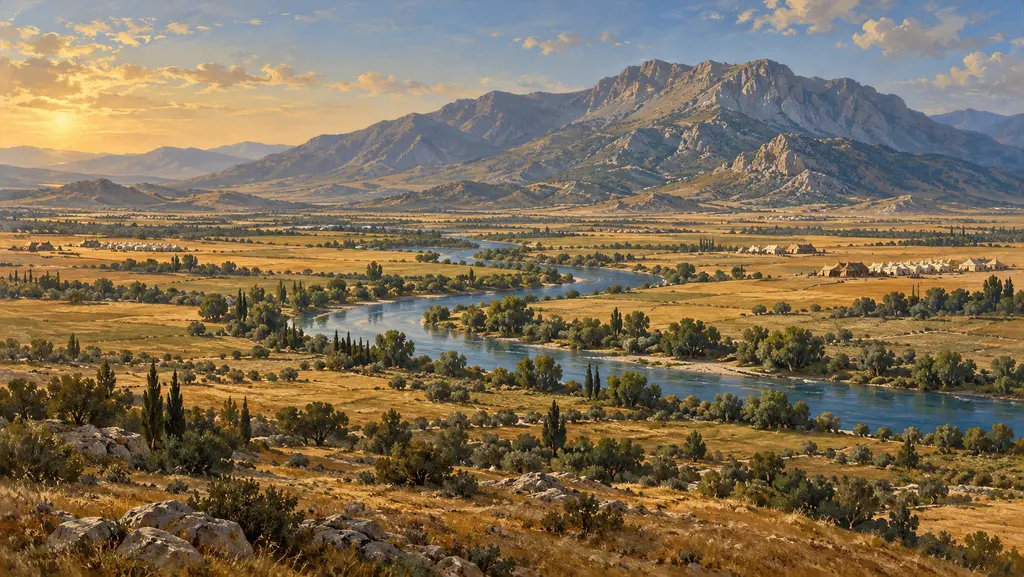
Boeotian town below Mount Cithaeron, site of the battle of 479 BCE
In the game: Level 11: The Finale, Mycale
Plataea was a small Boeotian city on the northern slopes of Mount Cithaeron, close to the border with Thebes. A firm ally of Athens, it sent its men to fight at Marathon in 490. In 479 the plain below it saw the defeat and death of Mardonius, which ended the Persian land invasion of mainland Greece.
In the game: Plataea is the setting of the game's eleventh level, in 479. Its chronicle note follows the Greek tradition that Plataea alone sent men to help Athens at Marathon, and that Mardonius was killed near the town.
A small town on the Theban border
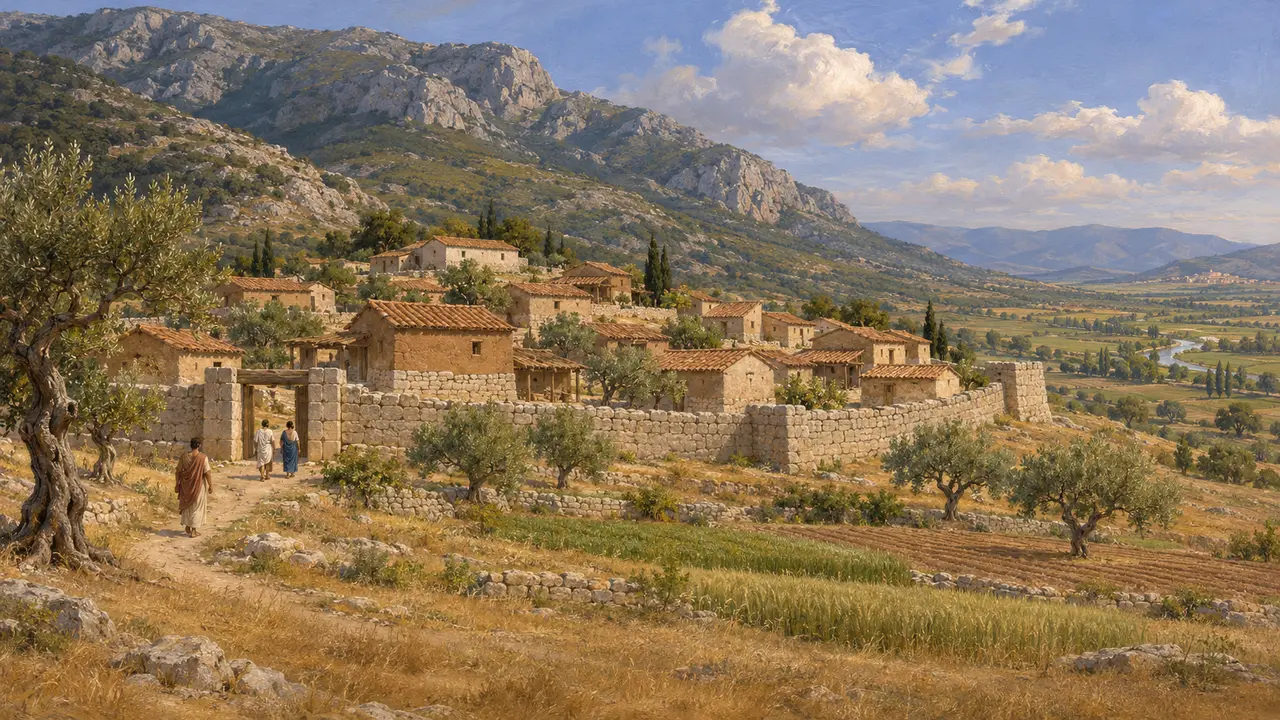
Ancient accountPlataea stood on the lower slopes of Cithaeron above the Asopus valley, not far from Thebes. Herodotus says the Plataeans, pressed by the Thebans, offered themselves to Athens on the advice of the Spartan king Cleomenes. Thucydides dates the alliance to 519, though some historians prefer a date about 509. From then on Plataea was bound to Athens and at odds with Thebes.
Herodotus 6.108; Thucydides 3.68
With Athens at Marathon
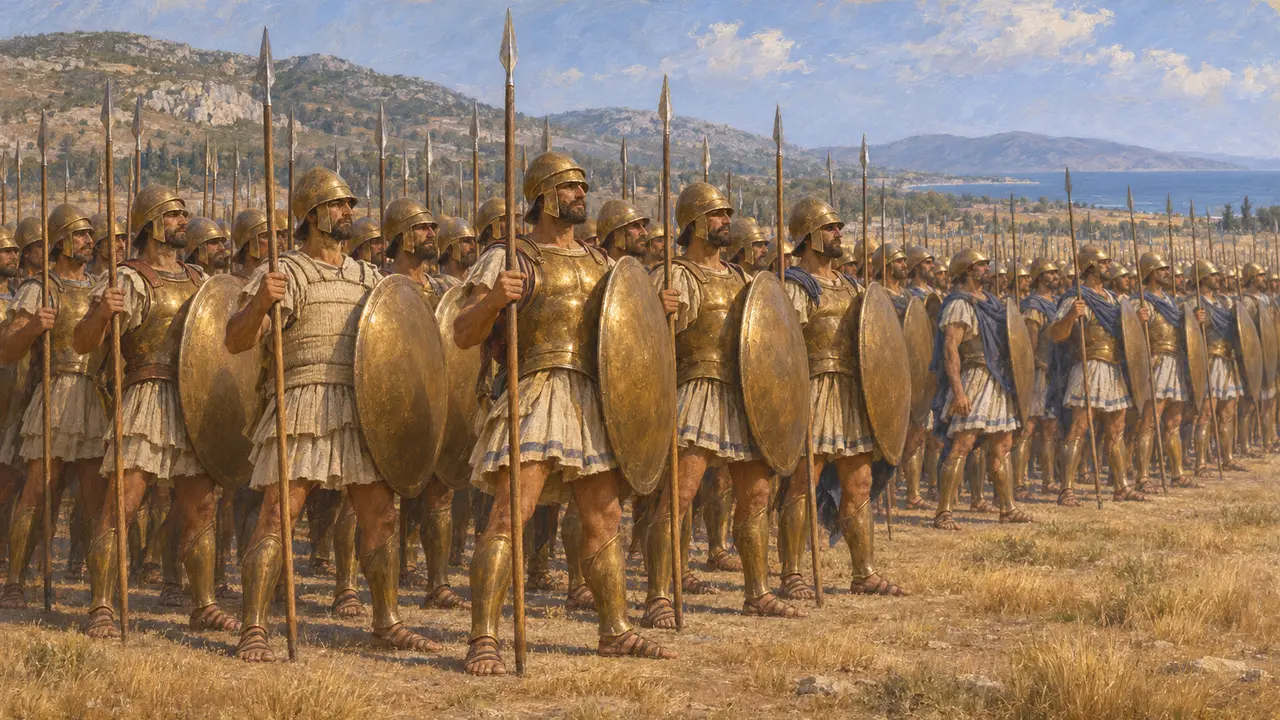
Ancient accountHerodotus says that when the Athenians faced the Persians at Marathon in 490, the Plataeans came to help them with their whole levy. He names no other Greek allies, and the Spartans arrived only after the battle. The Plataeans held the left wing. Herodotus adds that afterwards the Athenian herald included the Plataeans in the prayers at the four-yearly Athenian festivals.
Herodotus 6.108, 6.111, 6.120
The battle of 479
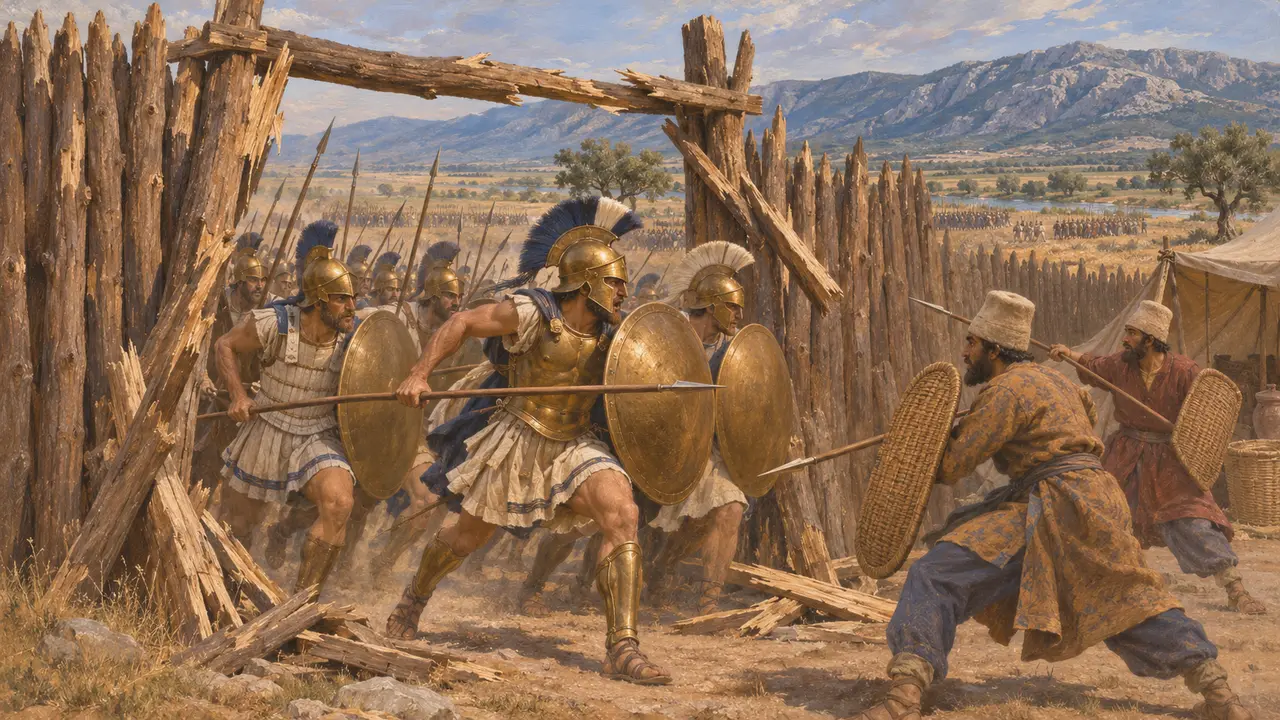
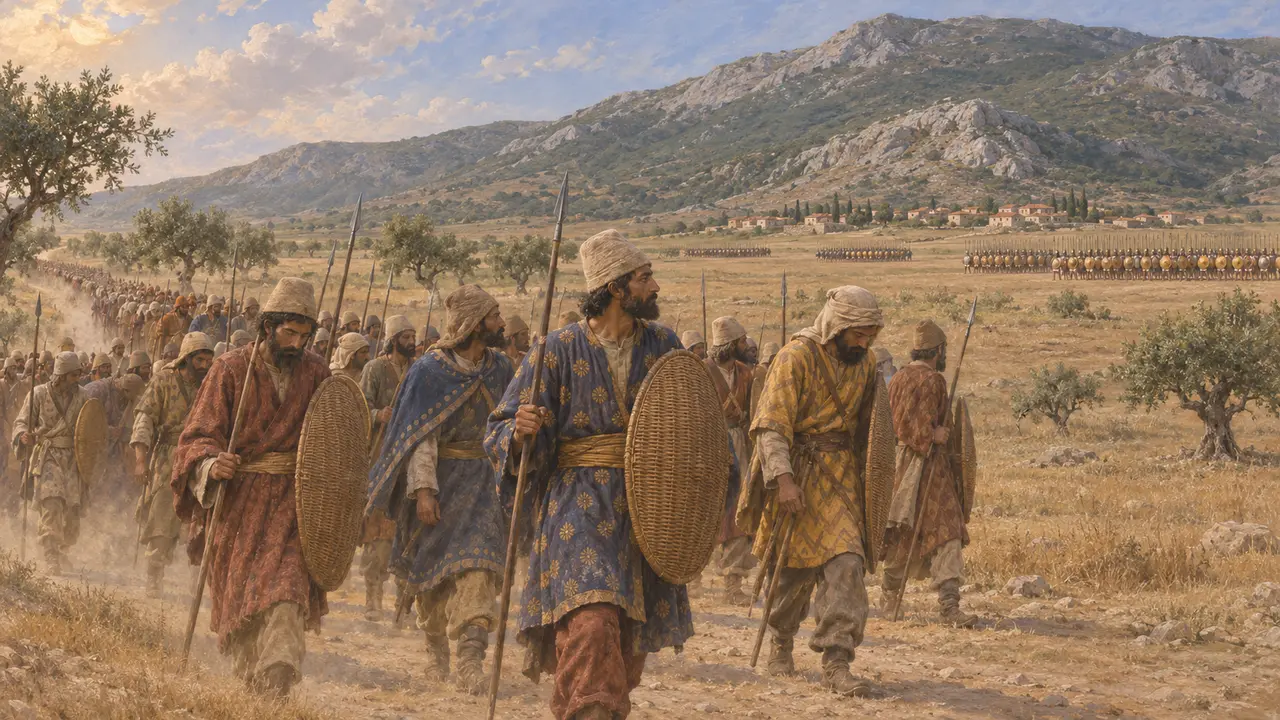
Ancient accountIn 480 Xerxes' army burned Plataea after the Thebans named it as hostile. In 479 Mardonius camped along the Asopus and built a wooden stockade in Theban land. Days of skirmishing followed, in which his cavalry commander Masistius was killed and the Greeks lost their water. The Greeks under Pausanias then tried a night withdrawal. Mardonius attacked and fell fighting the Spartans and Tegeans, and the Athenians broke into his fort.
Herodotus 8.50; Herodotus 9.15-70
Numbers and the missing Persian voice
DisputedHerodotus gives the Greeks about 110,000 men and Mardonius 300,000 Asian troops plus Greek allies. He claims fewer than 3,000 of these survived, apart from the 40,000 Artabazus led away. Historians treat his Persian figures as heavily exaggerated, and modern estimates vary widely. No Persian source mentions the battle, so its course rests almost entirely on Greek writers, chiefly Herodotus a generation later.
Herodotus 9.30, 9.32, 9.66, 9.70; P. Briant, From Cyrus to Alexander, 2002
The serpent column
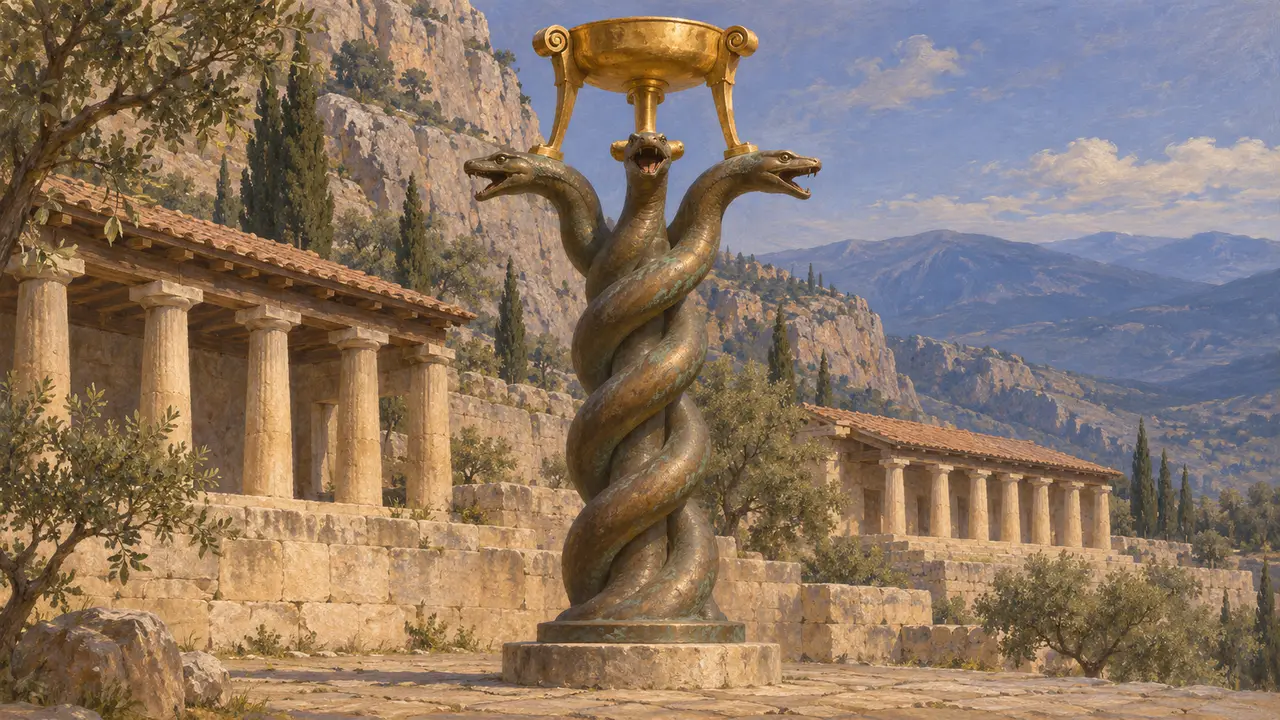
In the recordFrom the spoils the Greeks dedicated at Delphi a gold tripod set on a bronze column of three twisted serpents. The gold is long gone, but the bronze column survives in the Hippodrome of Istanbul, where it was taken in the reign of Constantine. Its coils carry the names of 31 Greek states that fought the Persians, Plataea among them.
Serpent Column, Hippodrome, Istanbul; Herodotus 9.81
Sources
- Herodotus, Histories, books 6, 8 and 9
- Thucydides, History of the Peloponnesian War, books 1-3
- M. A. Flower and J. Marincola, Herodotus: Histories Book IX, 2002
- P. Briant, From Cyrus to Alexander, 2002
- Serpent Column (Delphi dedication), Hippodrome, Istanbul