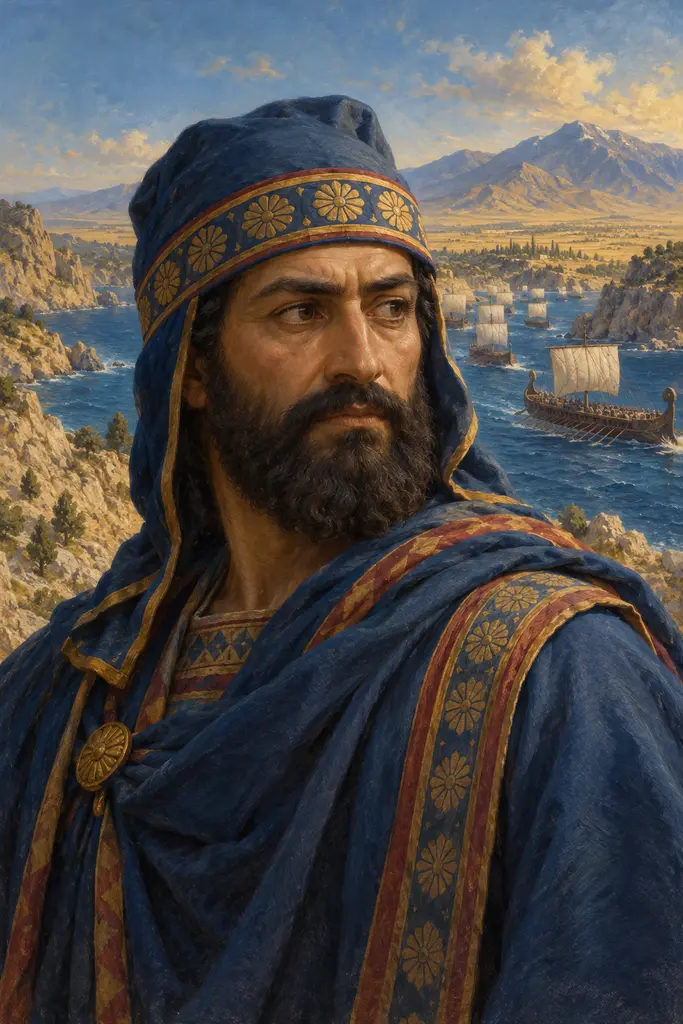
Artabazus
Persian general under Xerxes, later satrap at Dascylium, active from 480 BCE
In the game: Level 11: The Finale
Artabazus son of Pharnaces was a senior Persian noble who led troops in Xerxes' invasion of Greece. Herodotus says he argued against giving battle at Plataea in 479 BCE and led his own corps home as the battle was lost. He later governed the satrapy of Dascylium near the Hellespont, where his family held power for generations.
In the game: The game's chronicle note follows Herodotus closely. The forty thousand men are Herodotus's figure, which may be inflated. His route ran through Phocis, Thessaly, Macedonia and Thrace to Byzantium before he crossed to Asia.
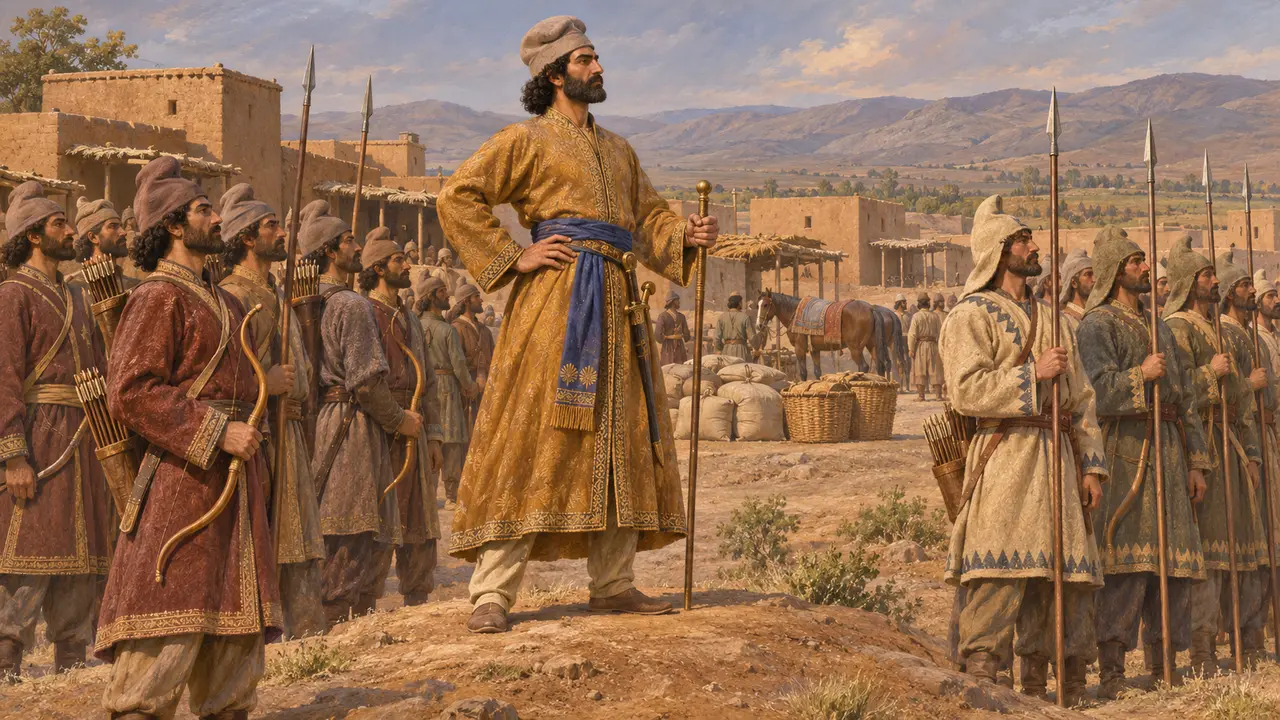
Son of Pharnaces
DisputedHerodotus names him as the son of Pharnaces and says he commanded the Parthians and Chorasmians in Xerxes' army. Many historians identify this Pharnaces with Parnaka, the high official who ran the royal economy around Persepolis in the Fortification tablets and was probably a kinsman of Darius. The link rests mainly on the name, the date and the family's high rank, so it remains a modern inference.
Herodotus 7.66; D. M. Lewis, Sparta and Persia, 1977; P. Briant, From Cyrus to Alexander, 2002
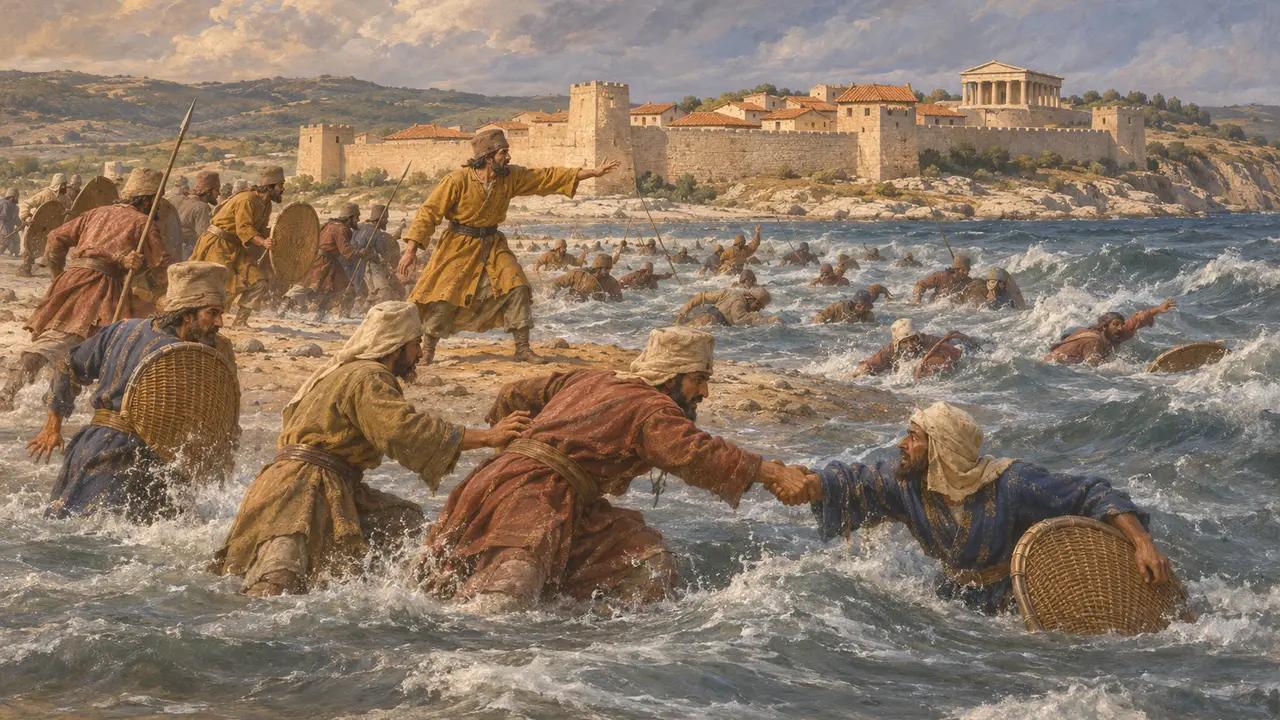
Potidaea and Olynthus
Ancient accountHerodotus says that after Salamis Artabazus escorted Xerxes to the Hellespont with sixty thousand men and then turned back into Chalcidice. He took Olynthus, killed its people and handed the town to Critobulus of Torone and the Chalcidians. His siege of Potidaea failed after three months when an unusual tide drowned many of his men, which the Potidaeans blamed on Poseidon's anger at a Persian insult to his temple.
Herodotus 8.126-129
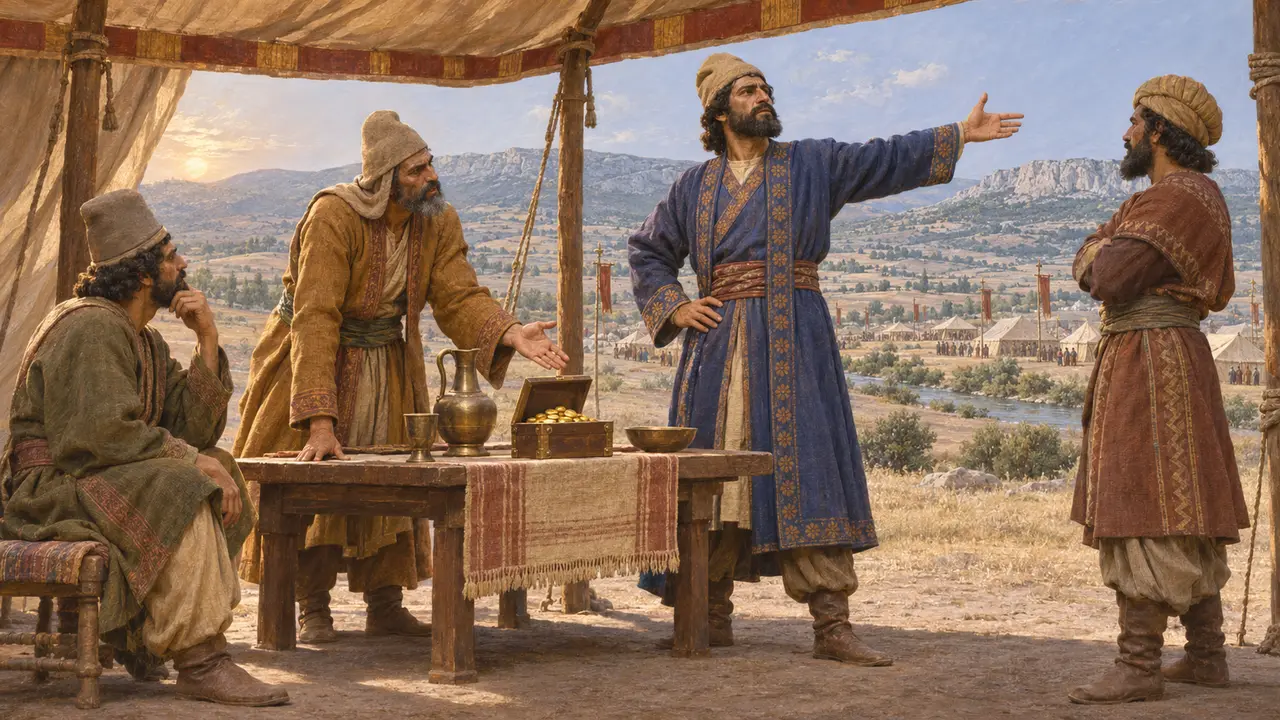
The council before Plataea
Ancient accountHerodotus reports that in 479 BCE, with the armies facing each other near the Asopus, Artabazus urged Mardonius not to fight. He proposed falling back on Thebes, which was well stocked, and sending gold to the leading men of the Greek cities to break their alliance. Mardonius, trusting his army, overruled him and resolved to attack.
Herodotus 9.41-42
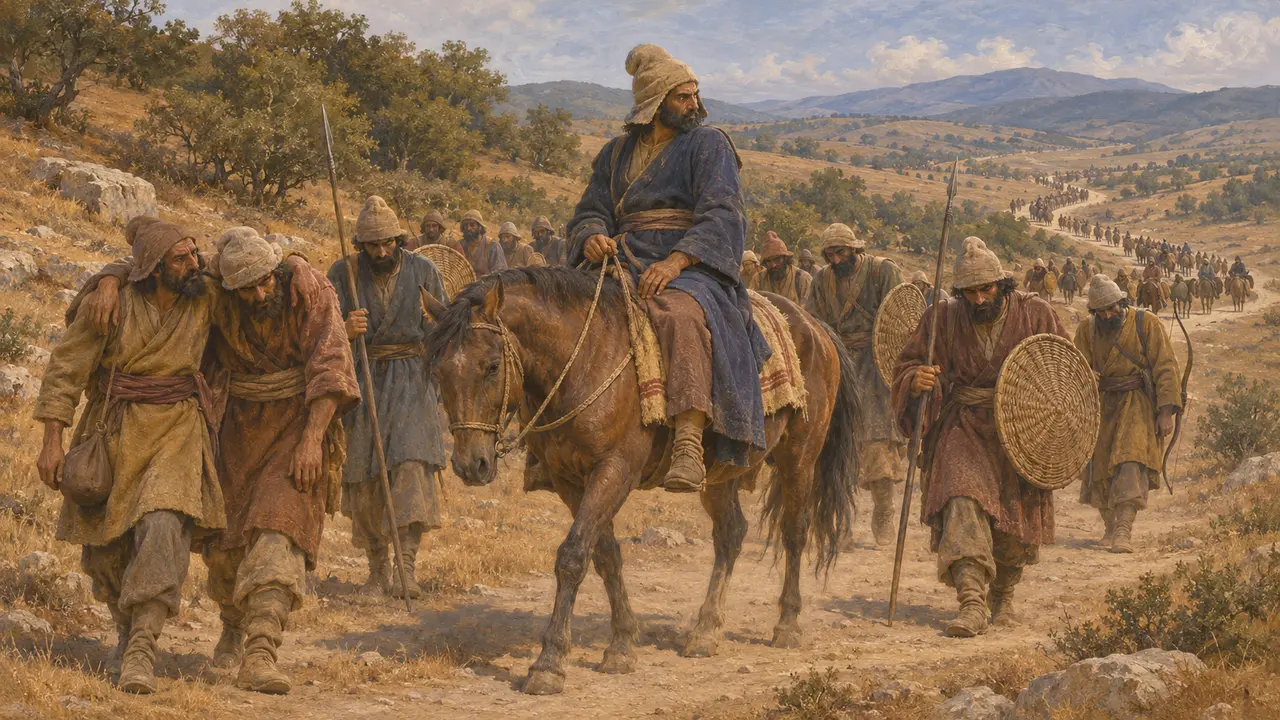
The march home
Ancient accountHerodotus says Artabazus had resented Mardonius's command and, seeing the Persians in flight, led his corps away from the field without fighting. He marched through Phocis and Thessaly, telling the Thessalians that Mardonius was following, and on through Macedonia and Thrace to Byzantium, losing many men to hunger and Thracian attacks. Herodotus gives his force as forty thousand, a number historians treat with caution.
Herodotus 9.66, 9.89
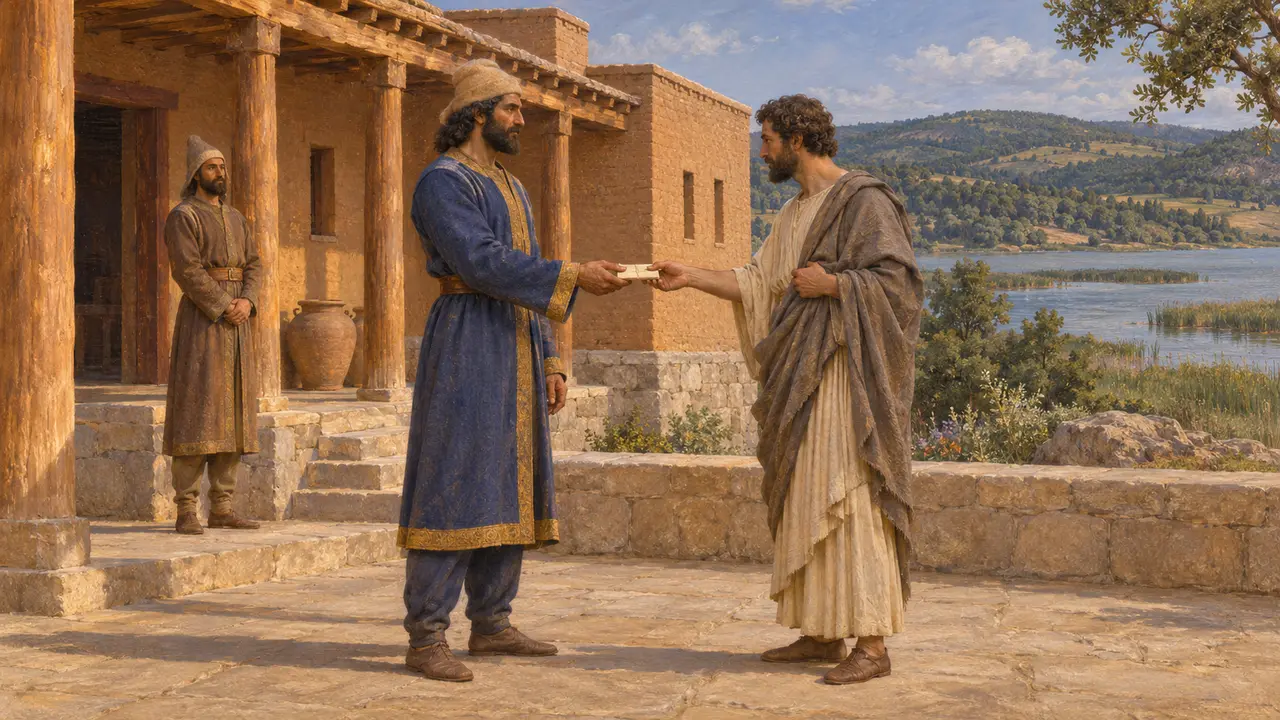
Satrap at Dascylium
Ancient accountThucydides says Xerxes later sent Artabazus to Dascylium as satrap to handle secret dealings with the Spartan regent Pausanias. The appointment suggests the King did not regard his retreat from Plataea as a disgrace. His descendants, often called the Pharnacids, governed this satrapy for much of the following century.
Thucydides 1.129
Sources
- Herodotus, Histories, Books 7-9
- Thucydides 1.129
- P. Briant, From Cyrus to Alexander, 2002
- D. M. Lewis, Sparta and Persia, 1977
- M. A. Flower and J. Marincola, Herodotus: Histories Book IX, 2002