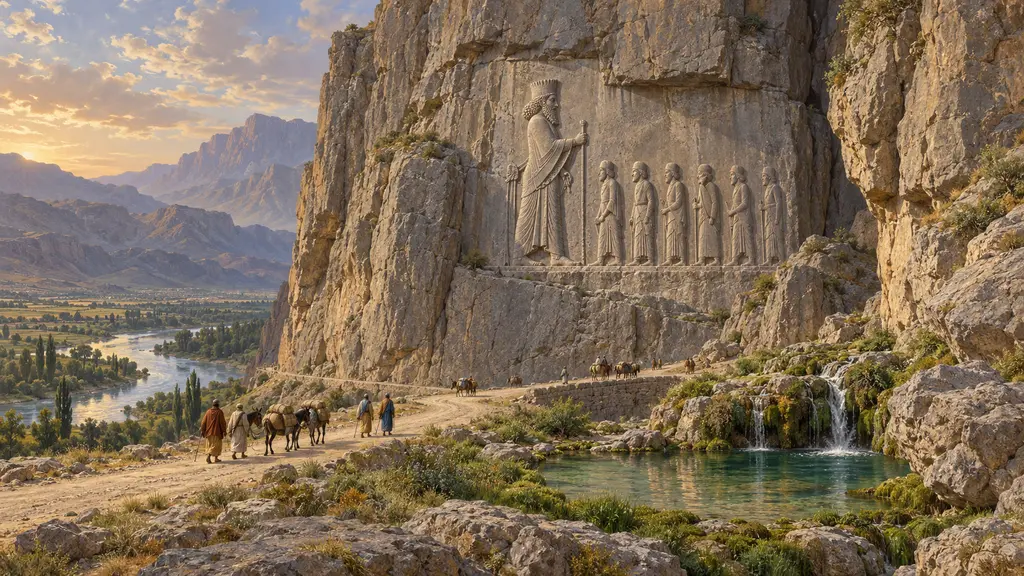
The Parthians
People of Parthia (Parthava), a north-eastern land of the Persian empire, 6th-5th century BCE
In the game: Level 3: The Lie
The Parthians were the people of Parthia (Old Persian Parthava), a land south-east of the Caspian Sea. When it came under Persian rule is not recorded, but it was among Darius's subject lands. In 522-521 BCE Parthia joined the rebel Fravartish of Media, and Darius's father Hystaspes fought for the King there.
In the game: The game names the Parthians in the Chronicle, the decrees and the field briefings only, and they have no mechanic of their own beyond what these texts show. Behistun does list Parthia among the rebel lands.
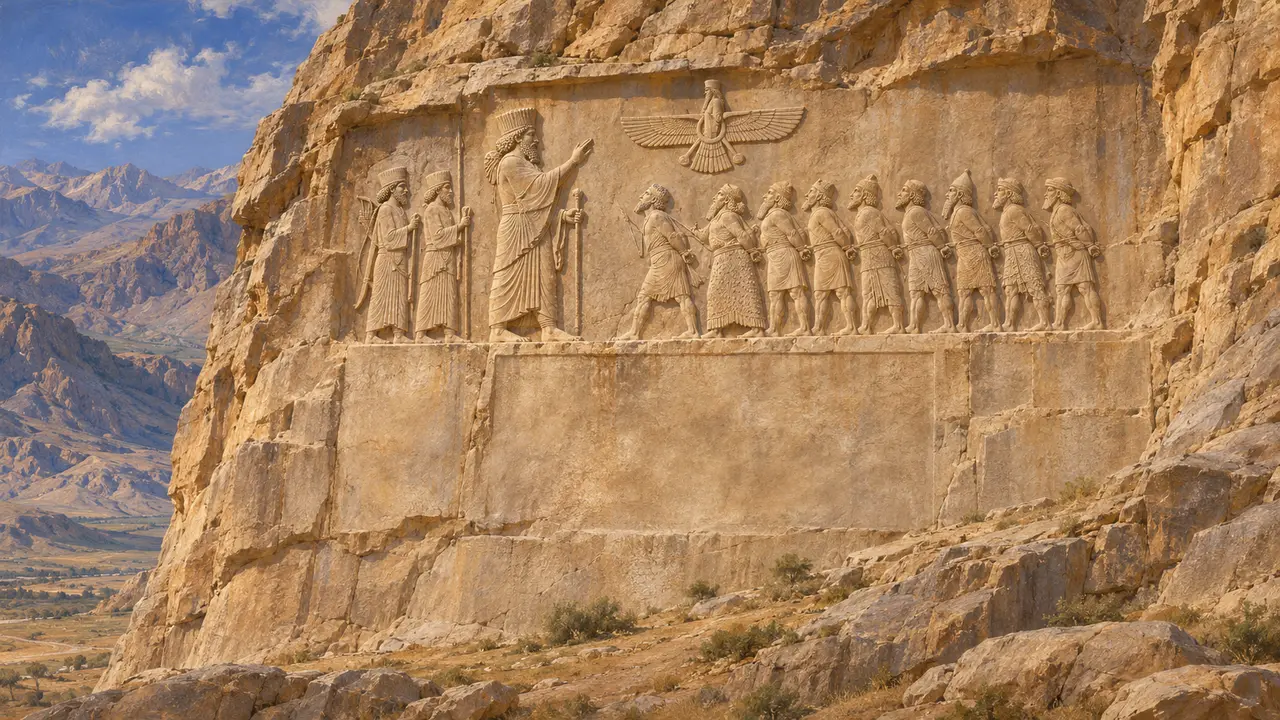
A land in the royal lists
In the recordDarius's inscriptions list Parthia among the lands held by the King. Parthava appears in the lists at Behistun (DB) and Naqsh-e Rostam (DNa), among the eastern countries. The lists give no detail on how it was governed.
DB §6; DNa
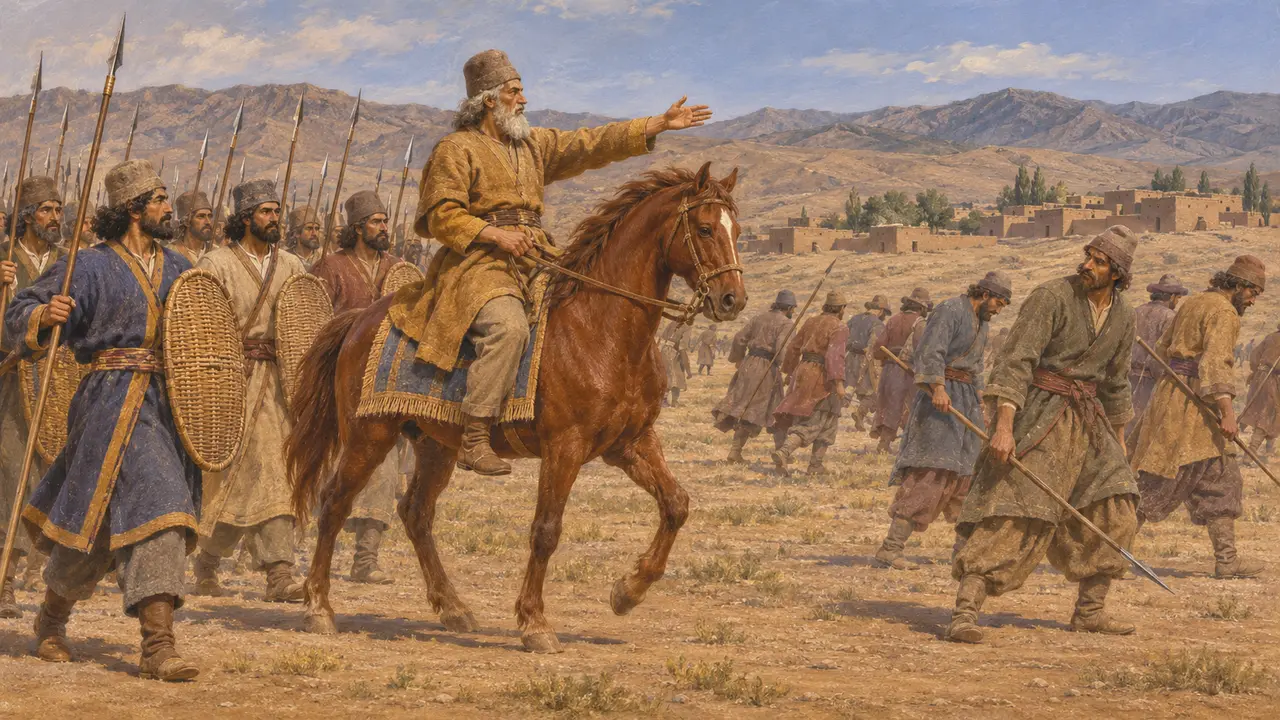
The rising of 522-521 BCE
In the recordBehistun says that Parthia and Hyrcania went over to Fravartish, who claimed to be Khshathrita of the royal house of Media. Darius's father Vishtaspa (Hystaspes) was in Parthia. He fought the rebels at Vishpauzatish and again at Patigrabana, and Parthia returned to Darius.
DB §35-36
Why Hystaspes was in Parthia
DisputedBehistun gives Hystaspes no title, and does not say why he was in Parthia. Herodotus calls him governor of Persia, which does not fit that account. Historians therefore doubt whether he held a command as satrap or was there for another reason, and the sources do not settle the point.
Herodotus 3.70; DB §35
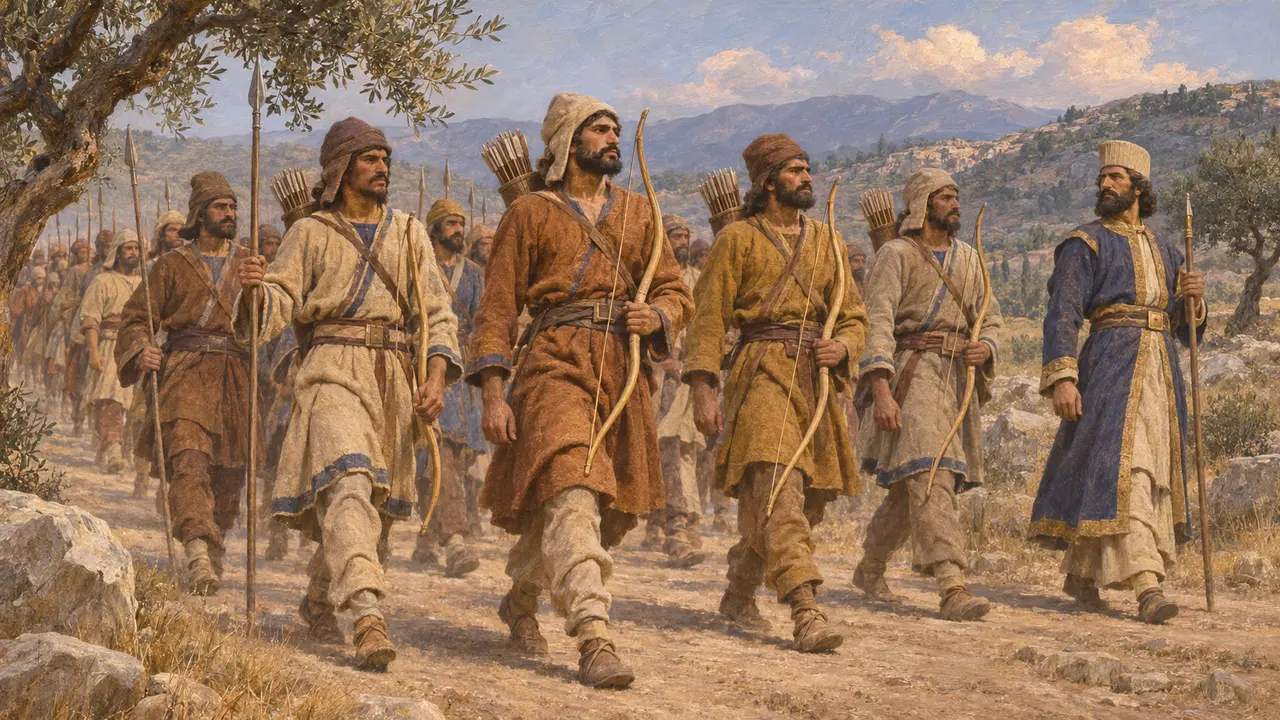
Parthians in the army of Xerxes
Ancient accountHerodotus lists Parthians in the army that crossed into Greece in 480 BCE, serving with the Chorasmians, Sogdians, Gandarians and Dadicae under Artabazus, son of Pharnaces. His army figures are not reliable, but the list shows that eastern peoples were thought to have sent levies.
Herodotus 7.66
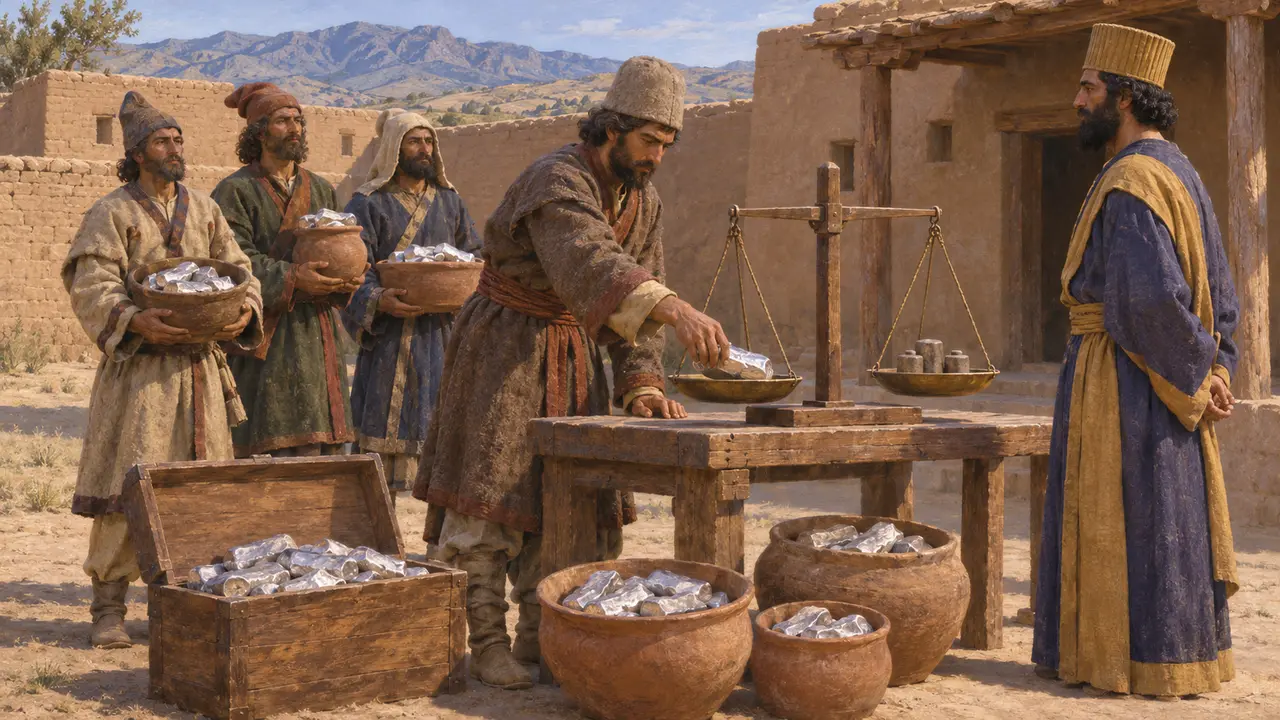
Tribute of the sixteenth district
DisputedHerodotus puts the Parthians, Chorasmians, Sogdians and Arians in a single tribute district, the sixteenth, paying 300 talents of silver. Historians disagree on how far his list matches Darius's real arrangements, and treat it as a useful guide rather than an exact record.
Herodotus 3.93
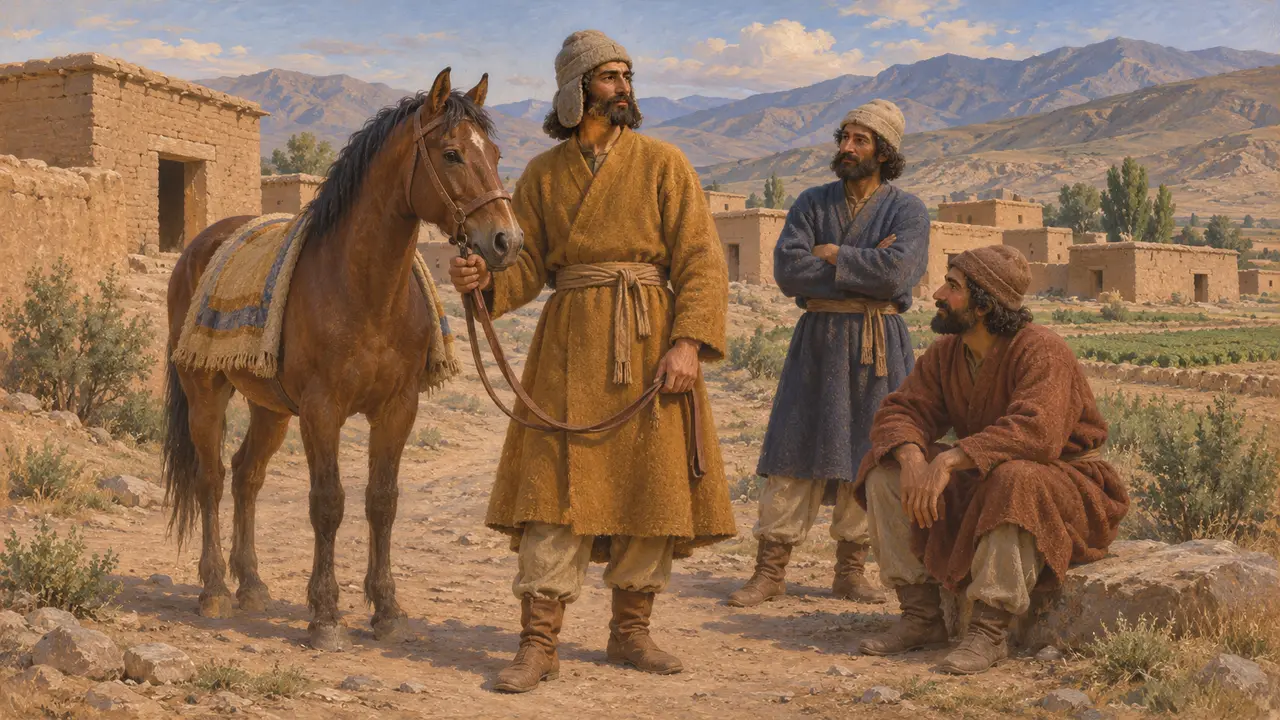
Parthians and the later Parthian kingdom
Ancient accountThe Parthian kingdom of the Arsacids arose in the 3rd century BCE, long after Darius, and was a different state from the Persian satrapy. The Achaemenid Parthians should not be confused with it.
P. Briant, From Cyrus to Alexander, 2002
Sources
- Behistun inscription, DB §6, §35-36
- Herodotus 3.93; 7.66
- Naqsh-e Rostam inscription, DNa
- P. Briant, From Cyrus to Alexander, 2002