Encyclopedia › Battles and events
The revolts of 522-521
Risings against Darius across the empire, autumn 522 to late 521 BCE
In the game: Level 3: The Lie
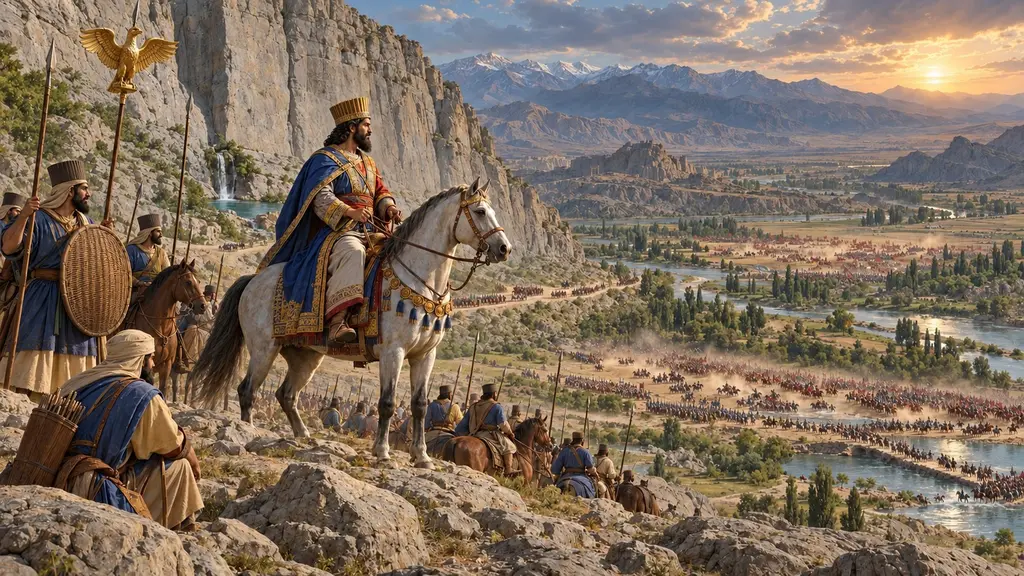
After Darius and six Persian nobles killed the man ruling as Bardiya in September 522, provinces from Babylon to Media, Elam, Persis and Margiana rose under their own kings. Darius and his generals crushed them within about a year. He had the story carved at Behistun as proof that Auramazda had given him the throne, and it is still the main source for these events.
In the game: The Bagastana level (522-521) is built around these risings. The game's 'nine captive kings' follows Darius's boast, but by his own text Martiya was killed by the Elamites and Gaumata was slain outright.
Nineteen battles and nine kings
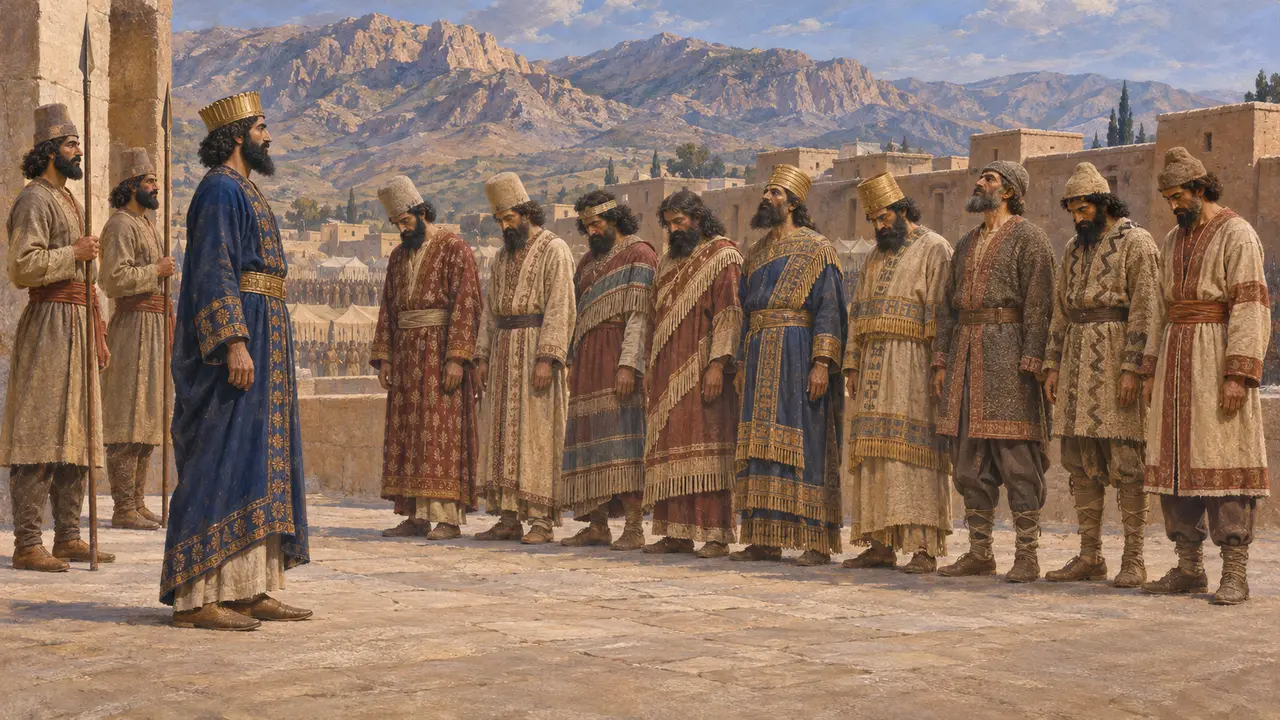
In the recordIn the summary of the Behistun text, Darius says that in one and the same year after he became king he fought nineteen battles and overthrew nine kings. He names them: Gaumata in Persia, Acina and Martiya in Elam, Nidintu-Bel and Arakha in Babylon, Fravartish in Media, Ciçantakhma in Sagartia, Frada in Margiana and Vahyazdata in Persia. Each of them, he says, lied to the people.
DB §52
A war fought on many fronts
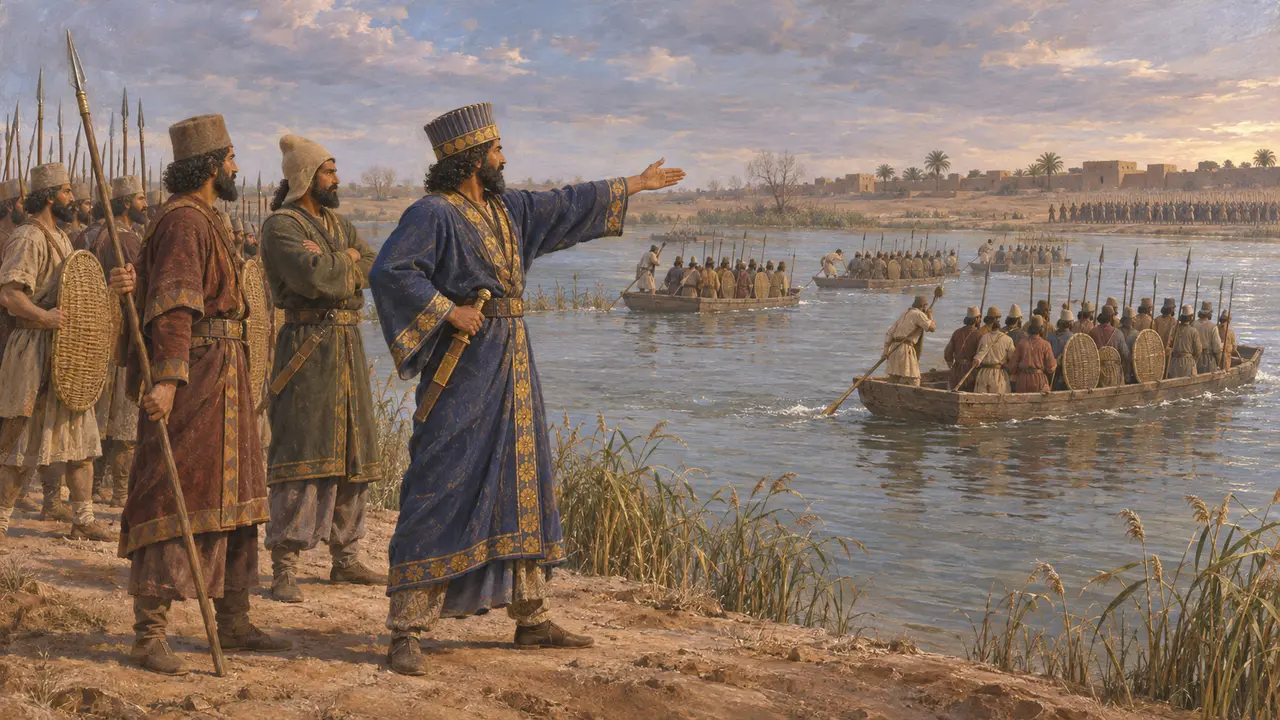
In the recordDarius marched on Babylon himself, beat Nidintu-Bel on the Tigris and at Zazana in December 522, and took the city. He sent commanders elsewhere: Hydarnes to Media, Dadarshi and Vaumisa to Armenia, troops to his father Hystaspes in Parthia, the satrap of Bactria against Margiana, and Artavardiya against Vahyazdata. Darius defeated Fravartish at Kunduru in 521, and Intaphernes took Arakha's Babylon late that year.
DB §§16-50
Punishment made public
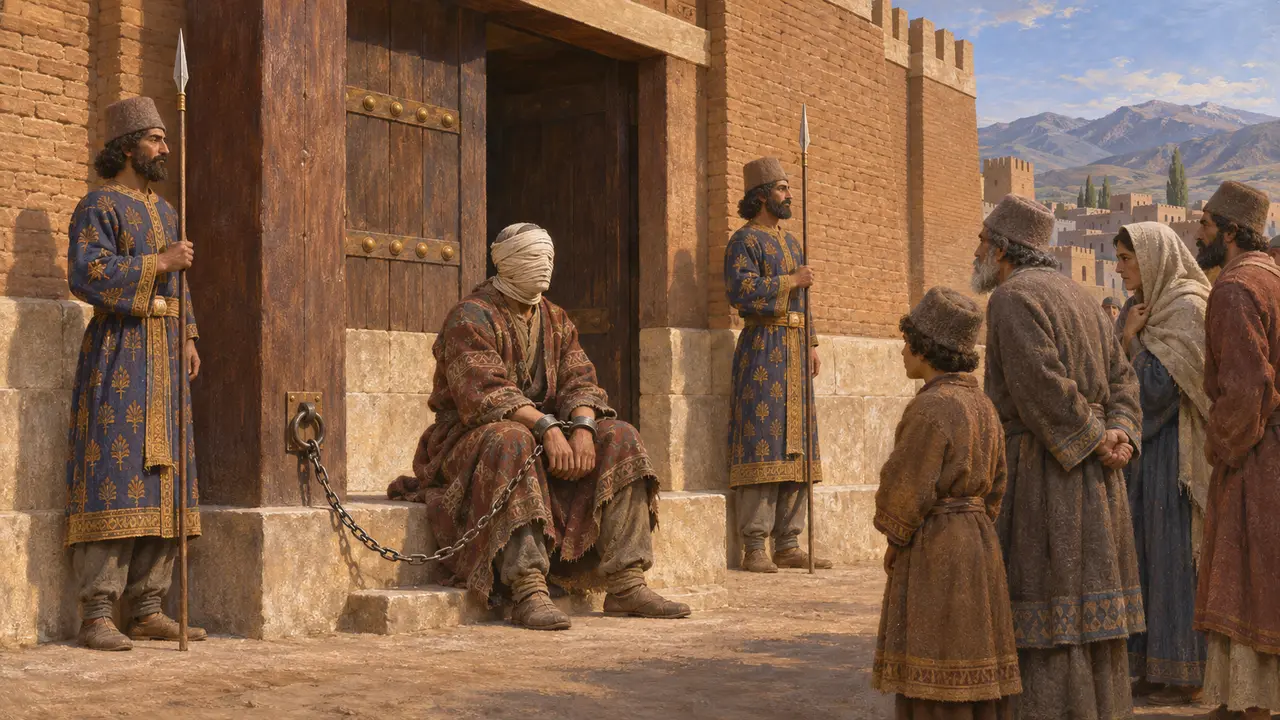
In the recordDarius made his cruelty a warning. Fravartish had his nose, ears and tongue cut off and an eye put out, was kept chained at the palace gate where all could see him, and was then impaled at Ecbatana. Ciçantakhma met a similar end at Arbela. The text was meant to travel: fragments of a Babylonian version survive from Babylon, and an Aramaic copy on papyrus was found at Elephantine in Egypt.
DB §§32-33; Aramaic version from Elephantine
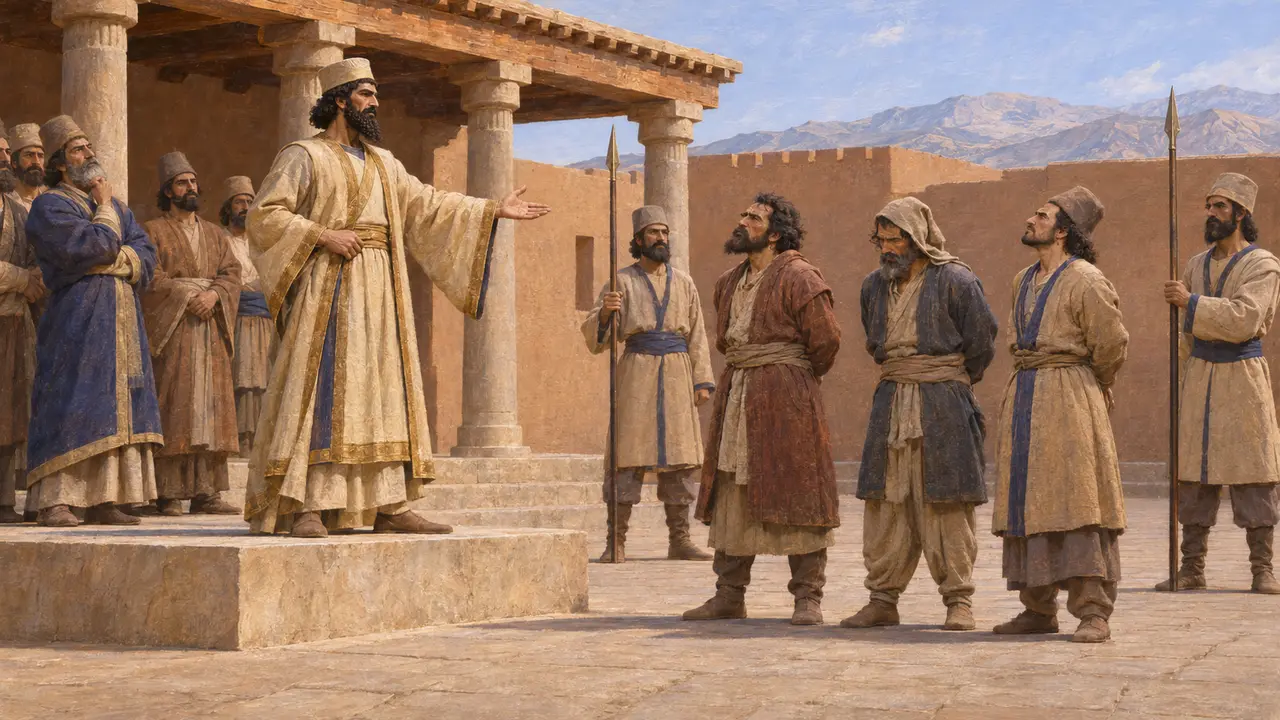
Usurper or restorer
DisputedDarius calls every rebel a liar against a rightful king, yet he had just seized the throne by killing the man ruling as Bardiya, whom some historians accept as Cyrus's real son. Scholars also debate how his 'one year' fits dates that run from autumn 522 to late 521, perhaps a year lengthened by an extra month. The Babylonian version's counts of the dead and captured are the King's own figures and are treated with care.
P. Briant, From Cyrus to Alexander, 2002; A. Kuhrt, The Persian Empire, 2007
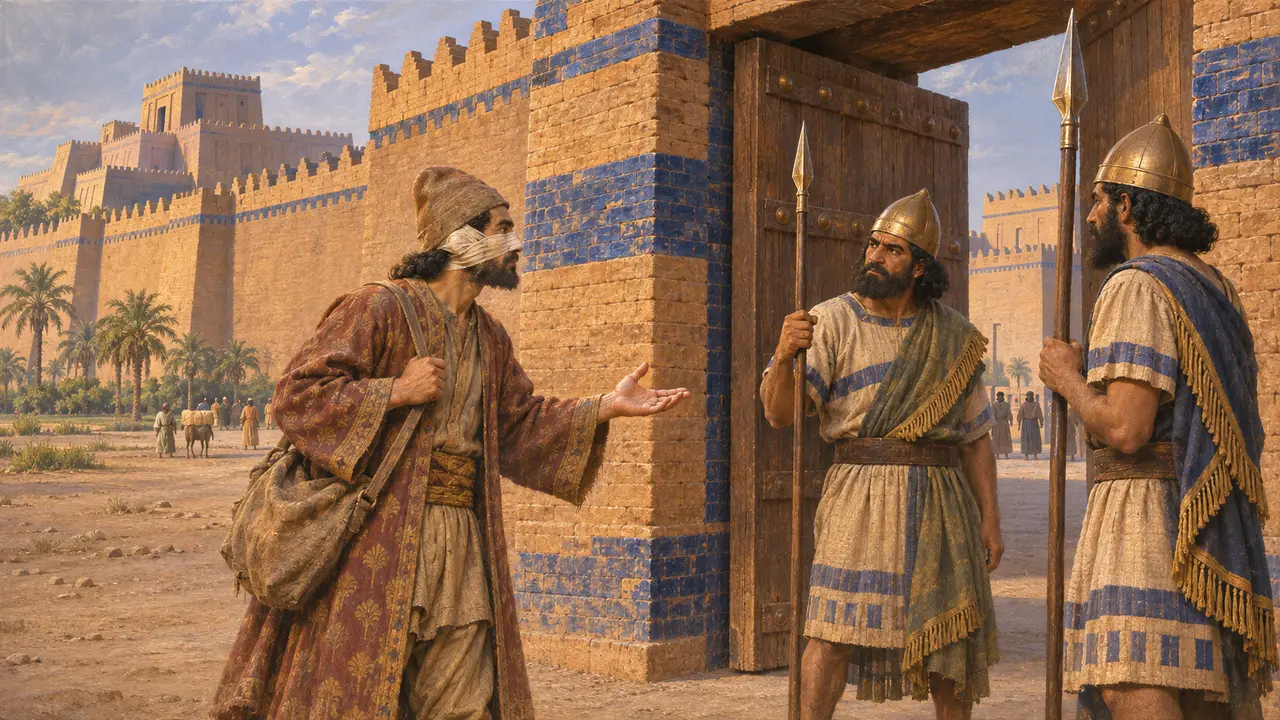
Zopyrus at the gates of Babylon
Later legendHerodotus tells that Babylon held out against Darius for more than a year and a half. Then the Persian noble Zopyrus cut off his own nose and ears, went over to the Babylonians as a pretended deserter and opened the gates. The tale is shaped as a story of loyalty to the King, and historians doubt it. It may also belong to a later Babylonian revolt rather than to 522-521.
Herodotus 3.150-160
Sources
- Behistun inscription (DB), especially §§10-52
- Herodotus 3.61-88 and 3.150-160
- R. Schmitt, The Bisitun Inscriptions of Darius the Great: Old Persian Text, 1991
- A. Kuhrt, The Persian Empire: A Corpus of Sources from the Achaemenid Period, 2007
- P. Briant, From Cyrus to Alexander, 2002