Arbela
Ancient Assyrian city, modern Erbil, under Persian rule from the 6th century BCE
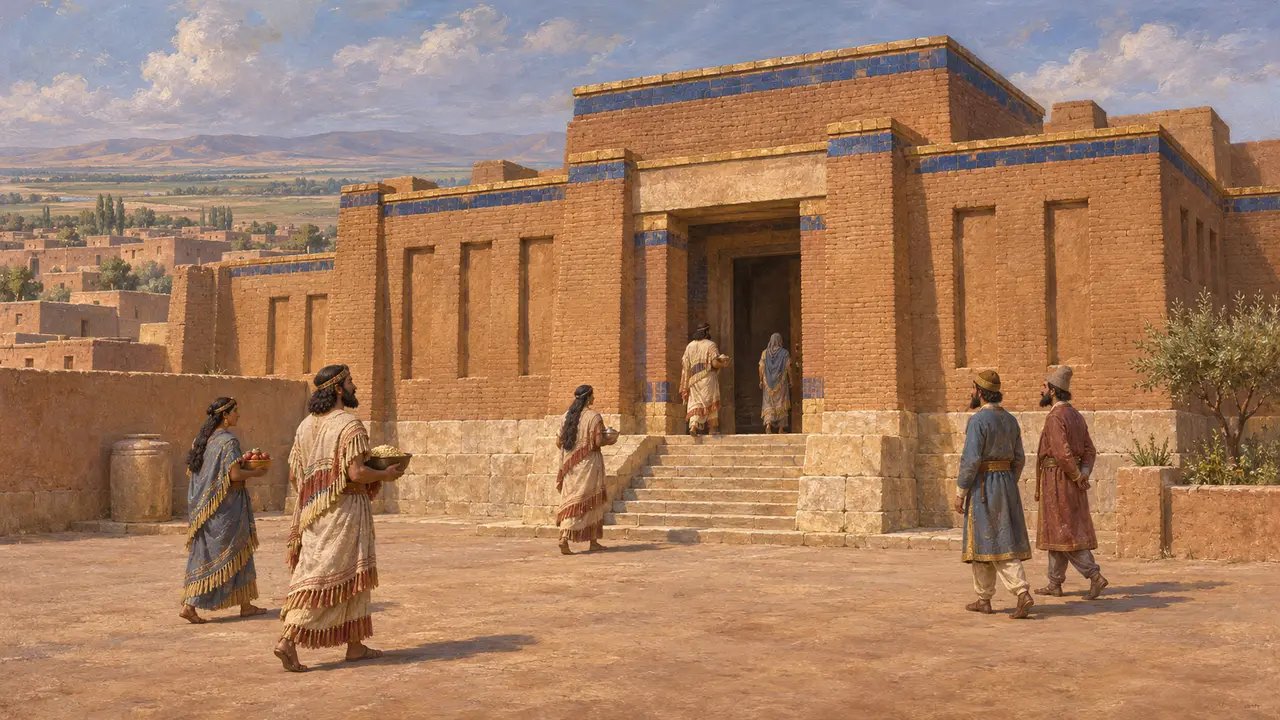
Arbela, modern Erbil in northern Iraq, was an old Assyrian city on a high mound between the Great and Little Zab rivers. It was a cult centre of Ishtar and a stopping point on roads linking Babylonia, Media and the north-west. Darius named it at Behistun as the place where he executed a rebel leader, which shows its value as a public stage in the King's land of Assyria.
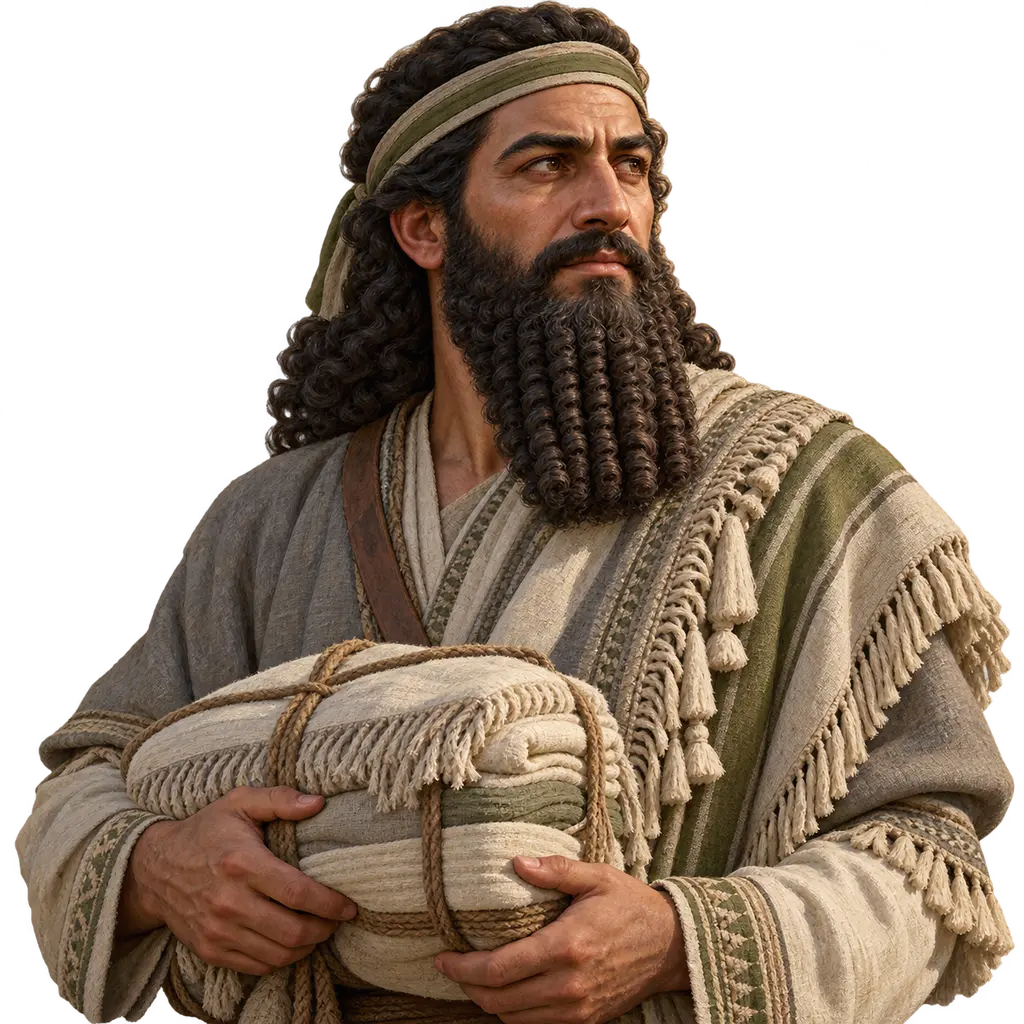
In the game: The game shows Arbela only as a trade partner, the traders of Arbela. The city did lie on busy roads, but the sources say little about its merchants, so these traders are the game's simplification.
The Assyrian city of Ishtar
In the recordAssyrian texts call the city Arba-ilu, often read as four gods. Its goddess, Ishtar of Arbela, had a major temple there. Prophecies spoken by her devotees for King Esarhaddon in the 670s survive on tablets from Nineveh. The city probably outlived the fall of Assyria, and the Nabonidus Chronicle records that in 547 Cyrus took his army across the Tigris below Arbela.
S. Parpola, Assyrian Prophecies, 1997; Nabonidus Chronicle (ABC 7)
A place of execution at Behistun
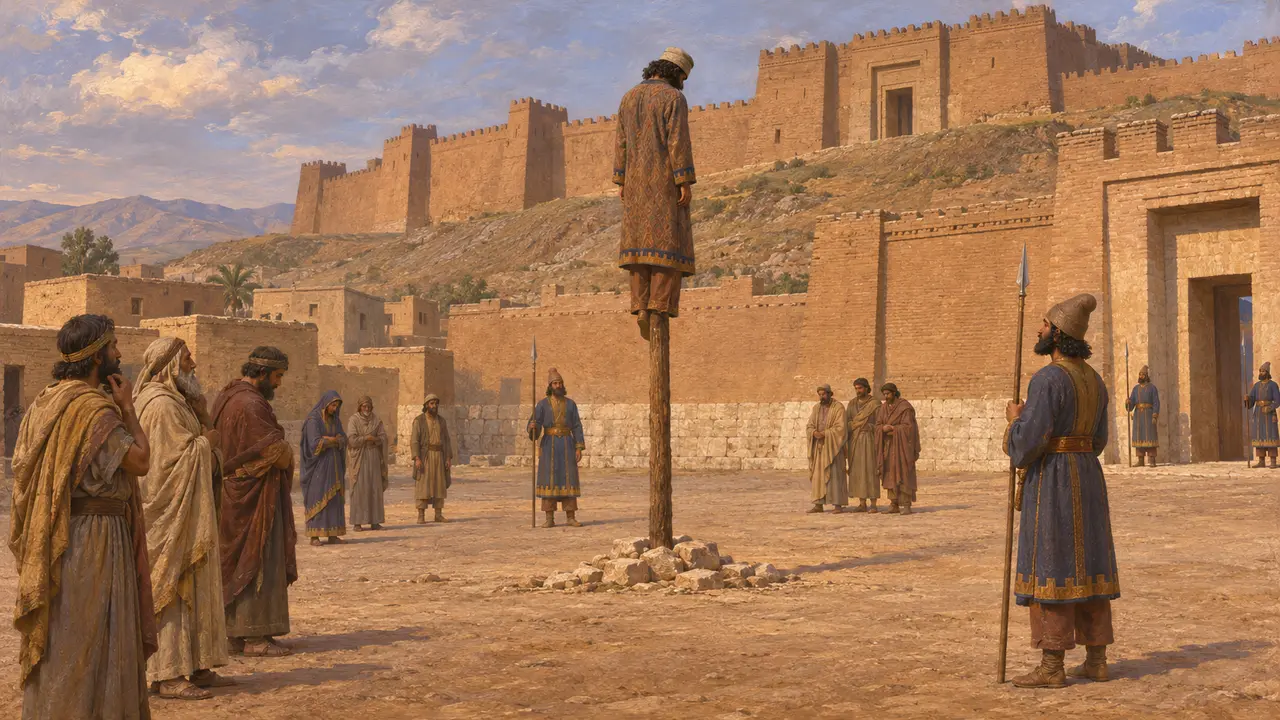
In the recordIn the Behistun inscription Darius tells how a Sagartian named Chissantakhma claimed the kingship during the revolts of 522 to 521. Darius says he cut off the man's nose and ears and impaled him at Arbela. Choosing this city made the punishment visible to the people of the region, much as Darius displayed the Median rebel Fravartish at Ecbatana.
DB §33
A station on the King's roads
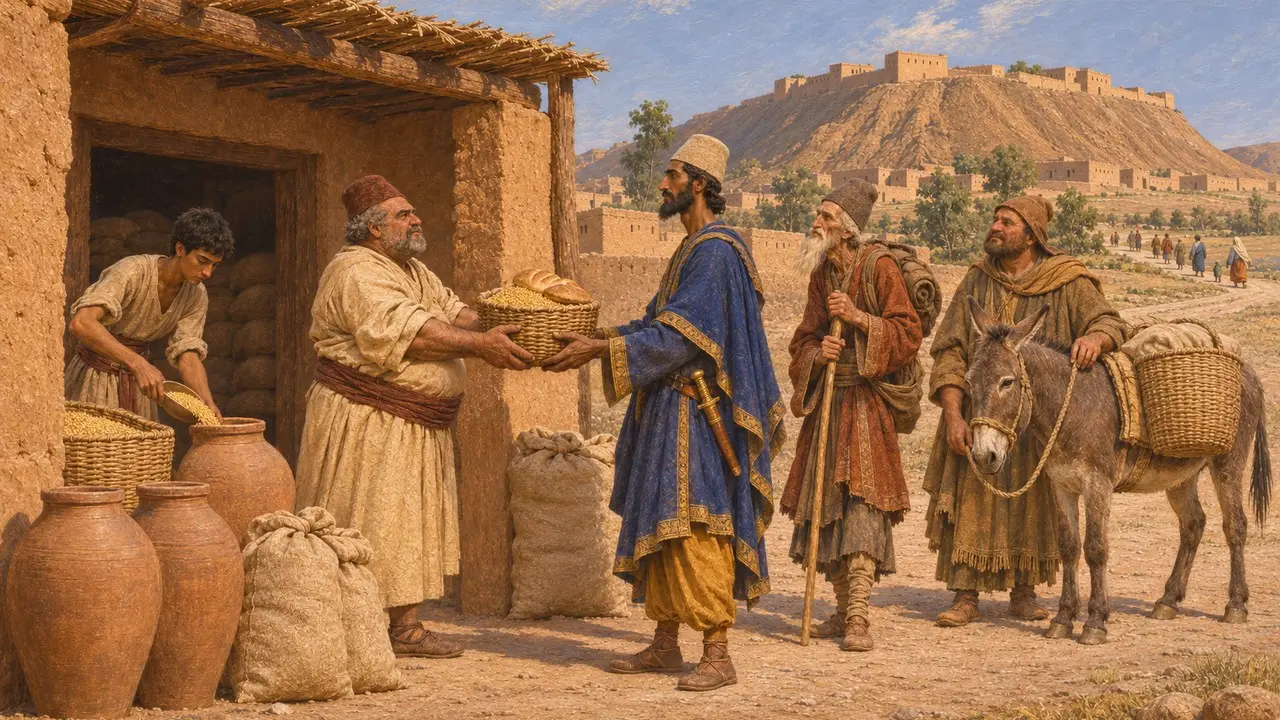
In the recordAn Aramaic letter of the satrap Arsames, written in the late 5th century and so later than the game's period, lists Arbela among the places where his official Nehtihor could draw rations on his journey to Egypt. It shows the city working as a supply point in the Persian travel system. The Persian-era levels of the citadel mound remain little explored.
B. Porten and A. Yardeni, Textbook of Aramaic Documents from Ancient Egypt 1, 1986, A6.9
Which land and which road
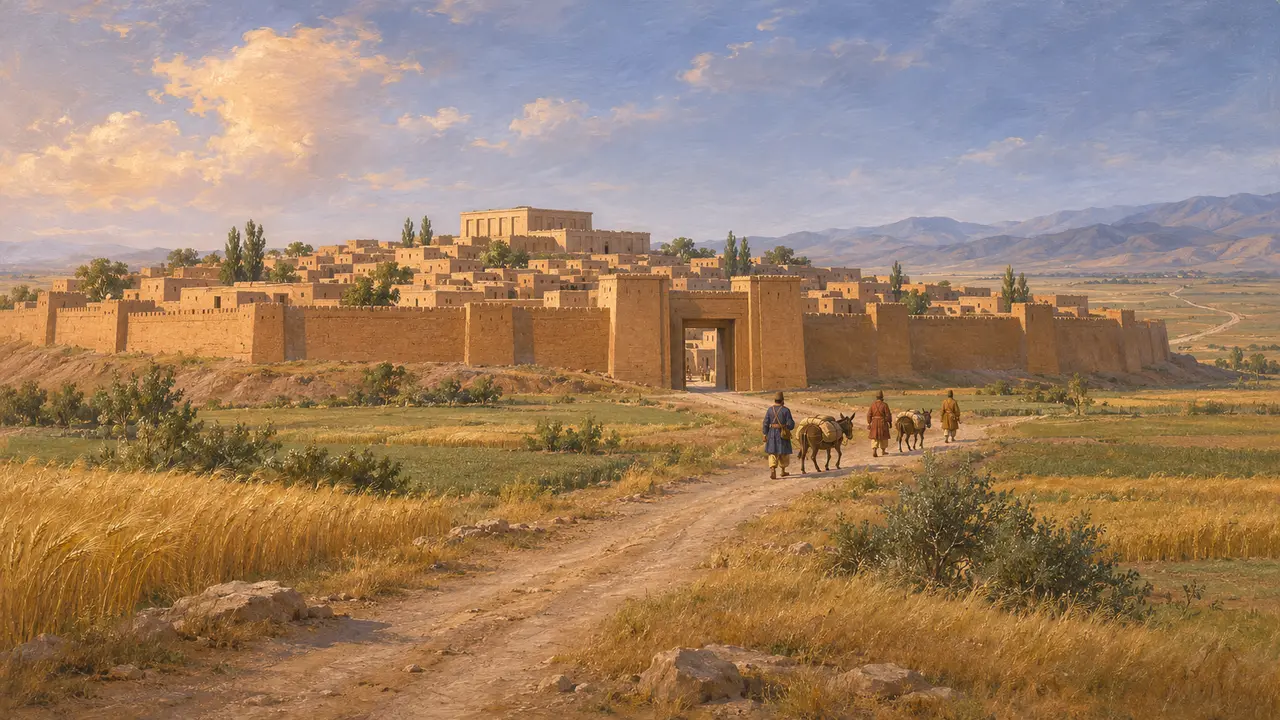
DisputedHistorians generally place Arbela in the Persian land of Athura, the old Assyrian heartland, but its border with Media is not clearly fixed in the sources. Herodotus describes the Royal Road from Sardis to Susa crossing Armenia and Matiene without naming Arbela. Modern scholars disagree over whether the road ran through the city or kept further north and east.
Herodotus 5.52; P. Briant, From Cyrus to Alexander, 2002
The battle that took its name
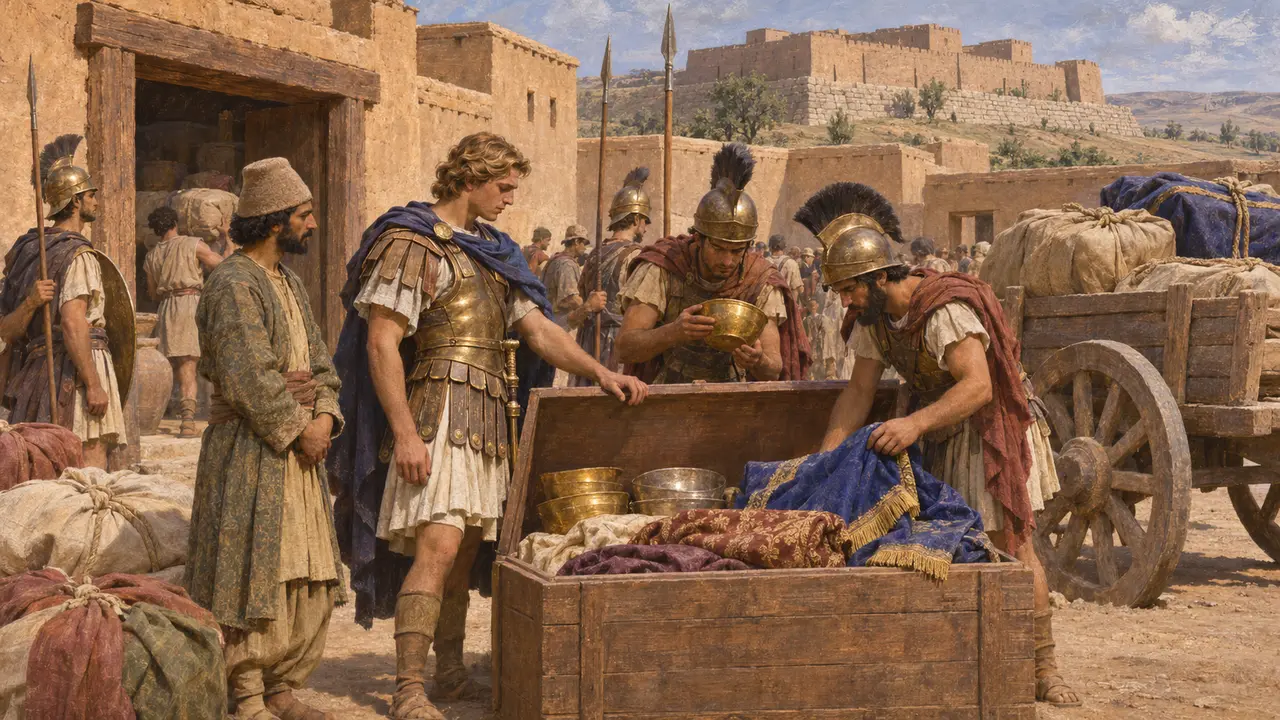
Ancient accountArrian says that after his defeat by Alexander in 331 Darius III fled through Arbela, where Alexander then seized the royal baggage and treasure. Arrian also complains that the battle was wrongly called after Arbela, since it was fought at Gaugamela, which writers placed some 500 to 600 stades away.
Arrian, Anabasis 3.15; Arrian, Anabasis 6.11
Sources
- DB §33
- Nabonidus Chronicle (ABC 7)
- B. Porten and A. Yardeni, Textbook of Aramaic Documents from Ancient Egypt 1, 1986
- P. Briant, From Cyrus to Alexander, 2002
- S. Parpola, Assyrian Prophecies, 1997
- Arrian, Anabasis 3.15