The Assyrians of Arbela
People of the old Assyrian heartland around Arbela under Persian rule, 6th-5th century BCE
In the game: Level 3: The Lie
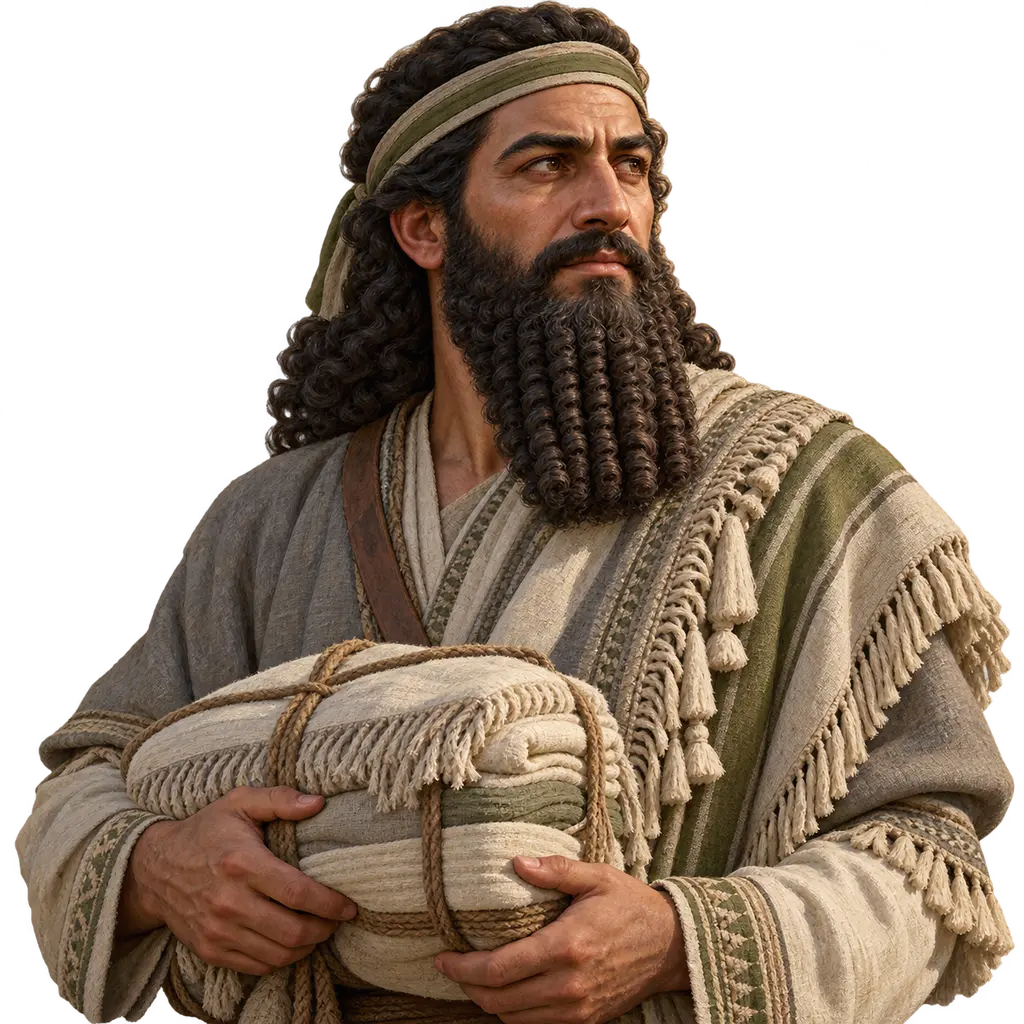
Arbela, modern Erbil in northern Iraq, was one of the great cities of Assyria and outlived the fall of Nineveh in 612. Under the Persian kings it lay in the land Darius called Athura, on routes linking Media, Babylonia and the west. Its people, probably Aramaic-speaking heirs of Assyria, served the King as soldiers, labourers and taxpayers.
In the game: The game presents Arbela only as a trade partner, 'the traders of Arbela'. Arbela was a real city on the empire's roads, but the sources say almost nothing about its merchants, so this is a simplification.
Ishtar's city before the Persians
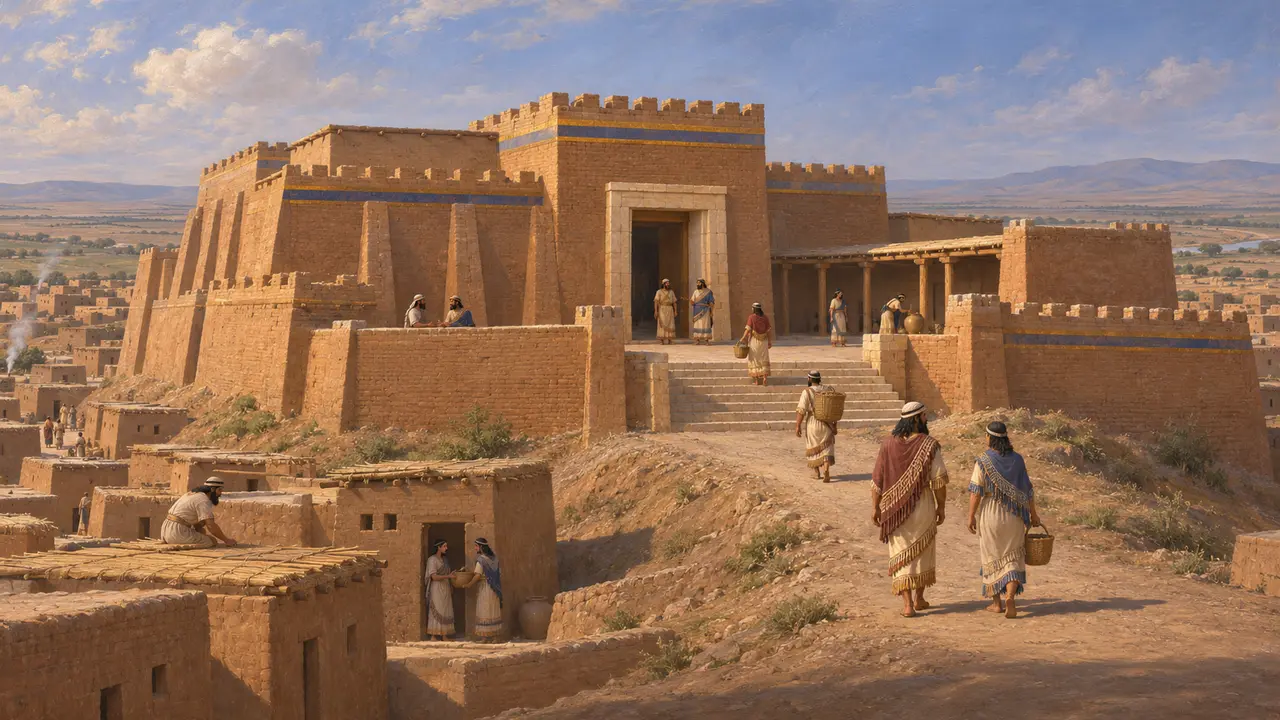
In the recordAssyrian royal inscriptions and letters show Arbela as a major city and the seat of the goddess Ishtar of Arbela, whose temple Assyrian kings rebuilt and honoured. When Medes and Babylonians destroyed Nineveh and Nimrud in 612, Arbela was not abandoned. Its citadel mound has been lived on almost without a break, and it still stands at the centre of Erbil today.
J. Curtis, The Assyrian heartland in the period 612-539 BC, 2003
Athura in the words of Darius
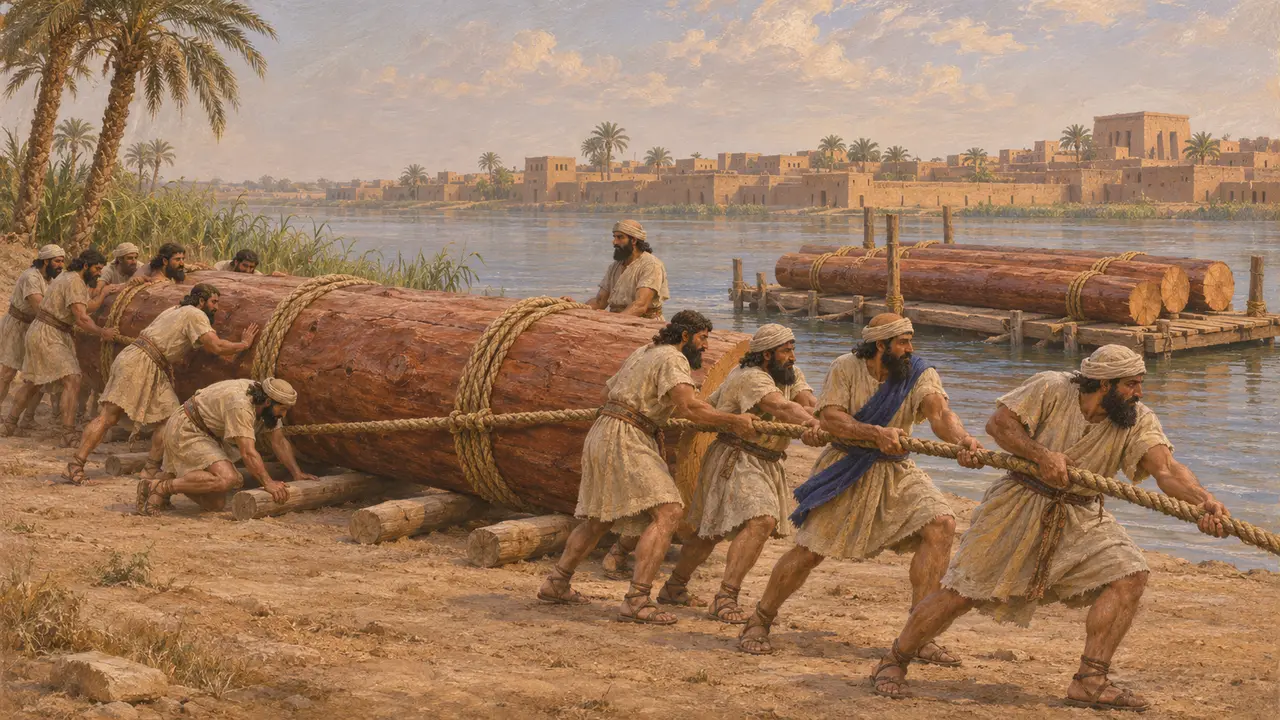
In the recordIn the Behistun inscription Darius listed Athura, Assyria, among the lands that obeyed him. During the revolts of 522-521 there was a Sagartian rebel, Citrantakhma, who claimed descent from the Median king Cyaxares. Darius says he was captured and mutilated, and then impaled at Arbela. In his Susa charter Darius says the Assyrian people carried cedar from Lebanon as far as Babylon for his palace.
DB §6; DB §33; DSf
What Greek writers saw
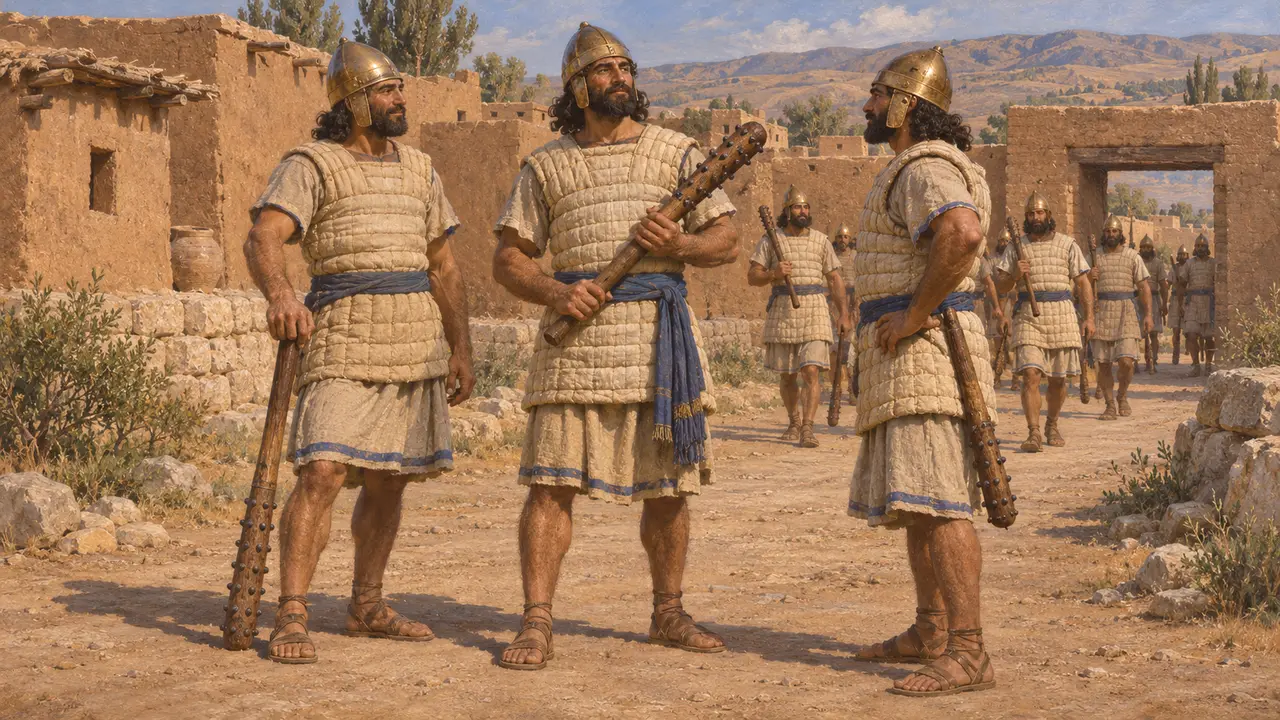
Ancient accountHerodotus says the Assyrians in Xerxes' army wore bronze helmets and linen corslets and carried wooden clubs studded with iron, and that Greeks called them Syrians. He also says Babylon and the rest of Assyria paid the King a thousand talents of silver and five hundred boys as eunuchs each year. Xenophon, marching north in 401, passed the deserted ruins of Nimrud and Nineveh, which he knew as Larisa and Mespila.
Herodotus 7.63; Herodotus 3.92; Xenophon, Anabasis 3.4
Where Athura lay and the roads through it
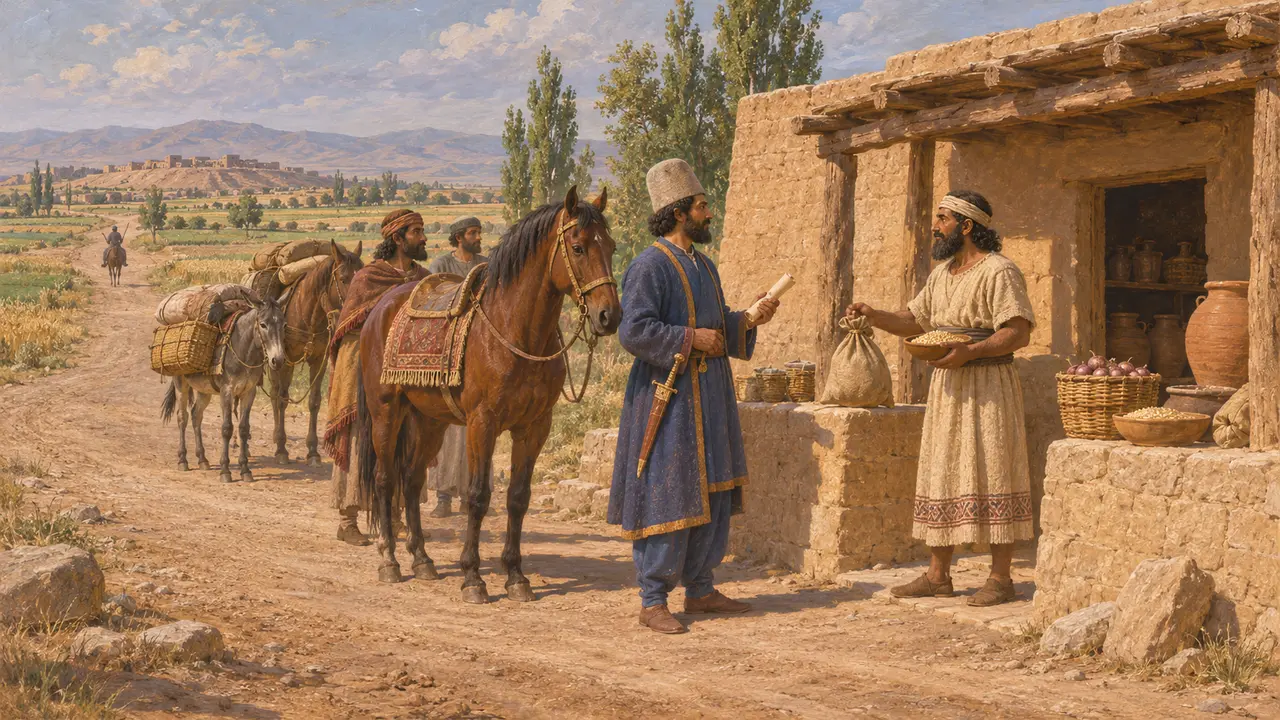
DisputedHistorians still argue whether Athura meant only the old Assyrian heartland on the Tigris or also Syria west of the Euphrates. Greek writers used the name Assyria loosely, often including Babylonia. Many modern maps run the Royal Road through Arbela, but Herodotus does not name the city on that route. A travel pass issued in the late 5th century by Arshama, satrap of Egypt, lists Arbela among the stations for official travellers.
P. Briant, From Cyrus to Alexander, 2002; A. Kuhrt, The Persian Empire, 2007
Arbela and the end of the empire
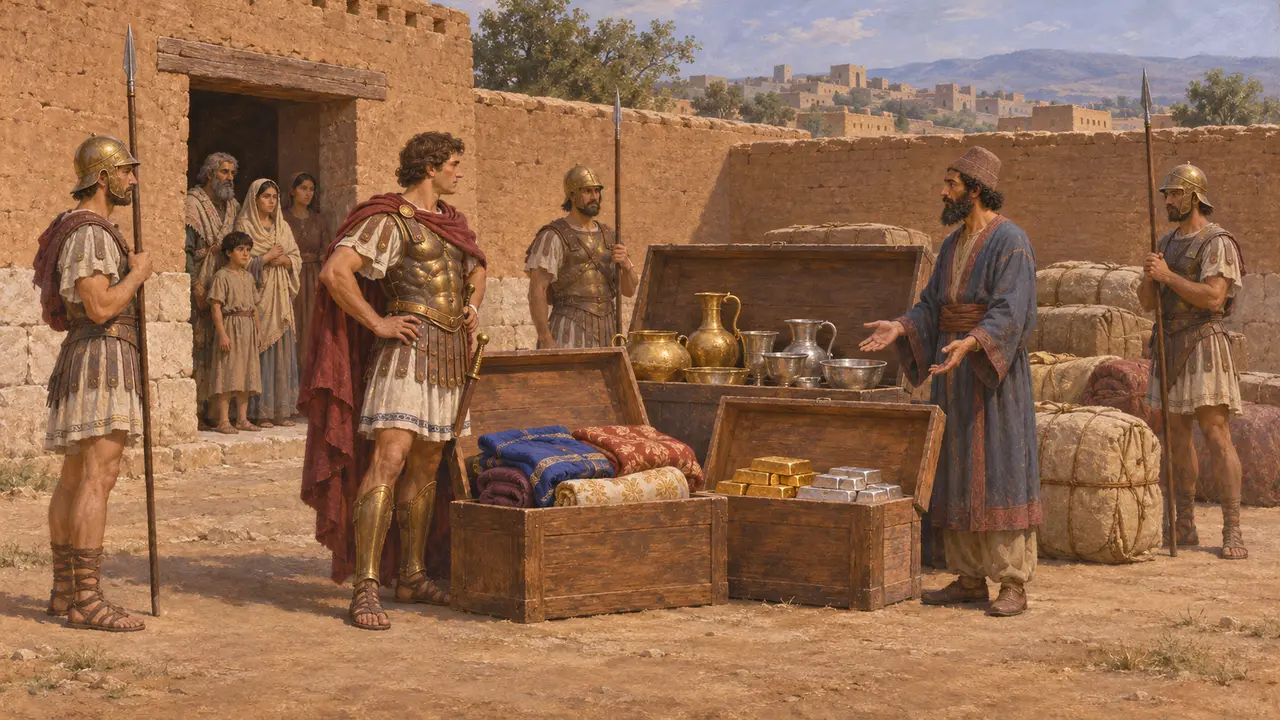
Ancient accountIn 331 Darius III fought Alexander at Gaugamela, a village that Arrian places about 600 stades, roughly 100 kilometres, from Arbela. After the battle Alexander took Arbela and found the Persian king's treasure and baggage there. Arrian explains that the battle came to be named after Arbela because Gaugamela was a small village and Arbela a well-known city. The old Assyrian town's name was thus tied to the fall of the Achaemenid empire.
Arrian, Anabasis 3.15; Arrian, Anabasis 6.11
The emblem beside its name
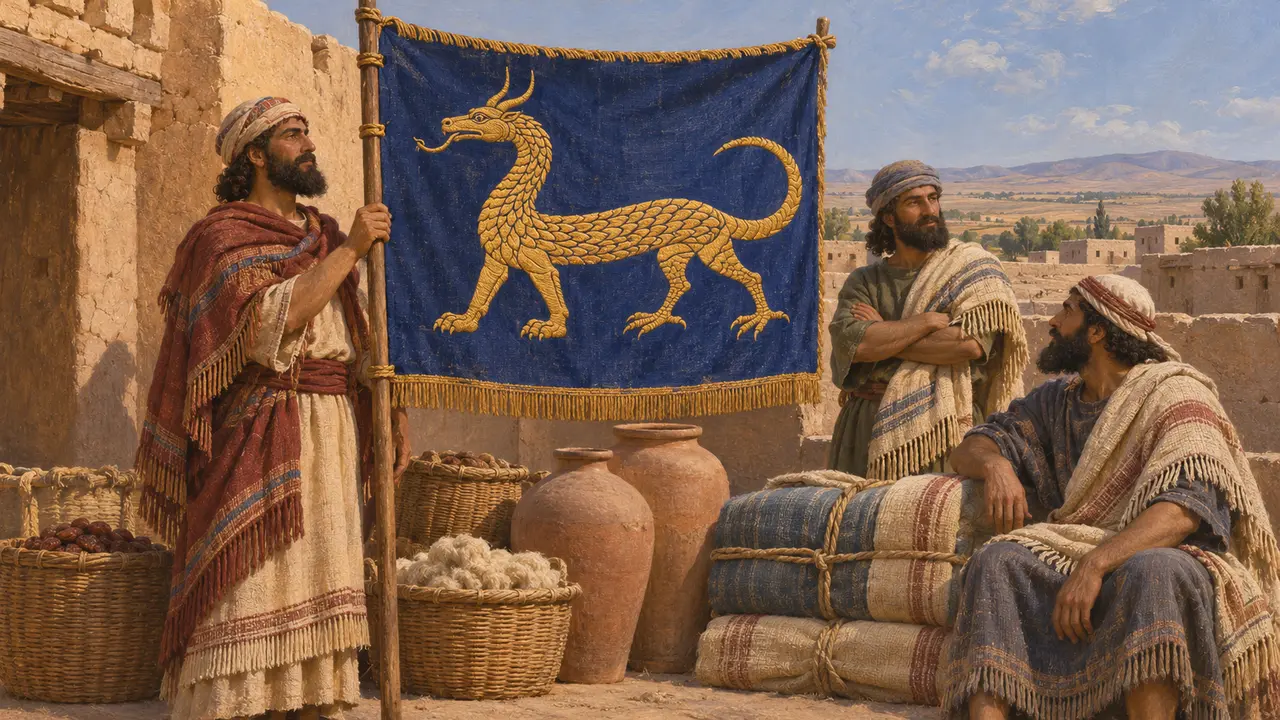
DisputedThe traders of Arbela carry Babylon's emblem in the game, Marduk's snake-dragon, since Arbela lay in the old Assyrian heartland that Babylon and then Persia ruled. Arbela's own goddess was Ishtar; no emblem of the city as a trading partner is known.
J. Black and A. Green, Gods, Demons and Symbols of Ancient Mesopotamia, 1992
Sources
- Darius I, Behistun inscription (DB §6, §33) and Susa foundation charter (DSf)
- Herodotus 3.92, 7.63
- Arrian, Anabasis 3.15, 6.11
- P. Briant, From Cyrus to Alexander, 2002
- A. Kuhrt, The Persian Empire, 2007
- J. Curtis, The Assyrian heartland in the period 612-539 BC, 2003