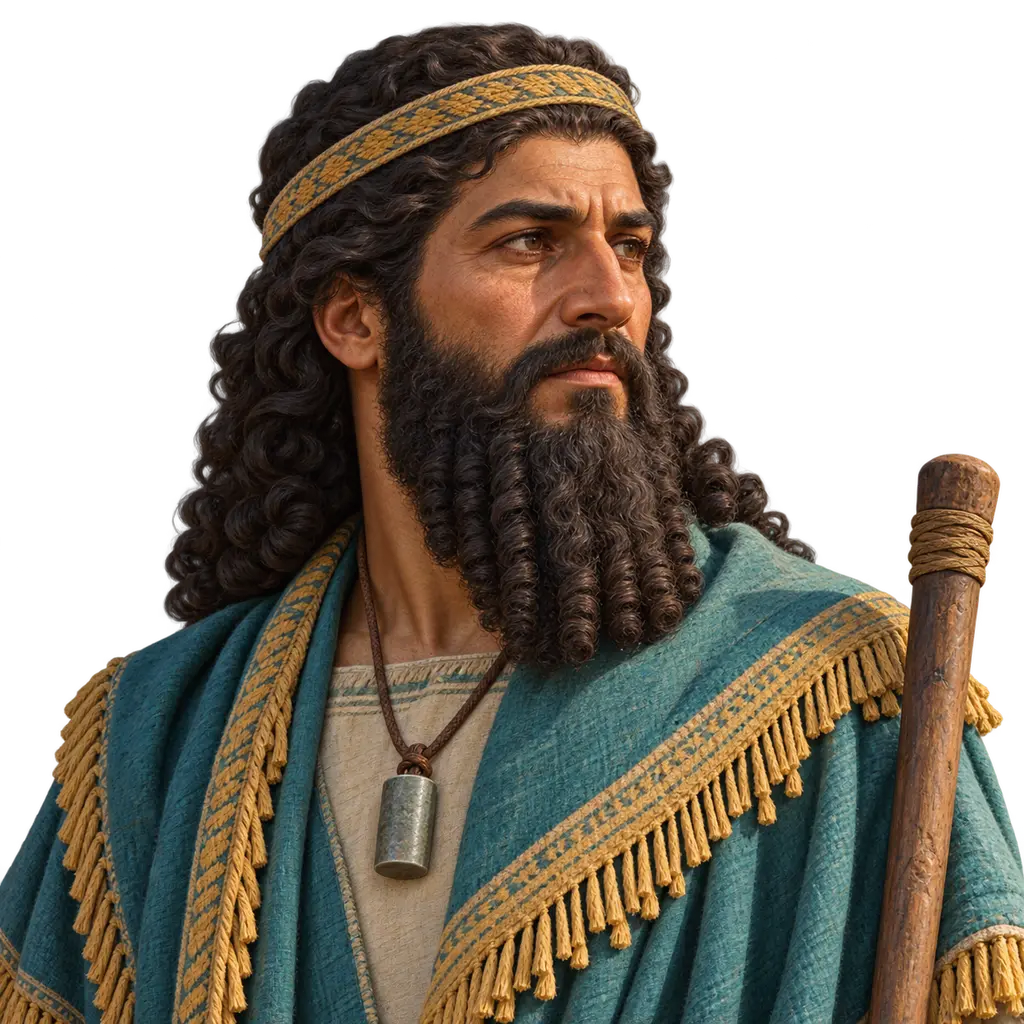
The Babylonians
People of the lower Tigris and Euphrates, under Persian rule from 539 BCE
In the game: Level 1: The Founder's Tomb, Level 3: The Lie, Level 4: The Terrace, Level 5: The Charter
The Babylonians lived in the irrigated plain of the lower Tigris and Euphrates, the richest farmland in the empire. Cyrus took Babylon in 539, and the land became a Persian province whose barley, dates, wool and silver went to the King and his court. It rebelled twice against Darius in 522-521 and again against Xerxes in about 484.
In the game: The game shows the Babylonians as a trade partner supplying barley and woven cloth. Both were real Babylonian staples, but after 539 Babylonia was a Persian province paying tribute, not an outside trading partner.
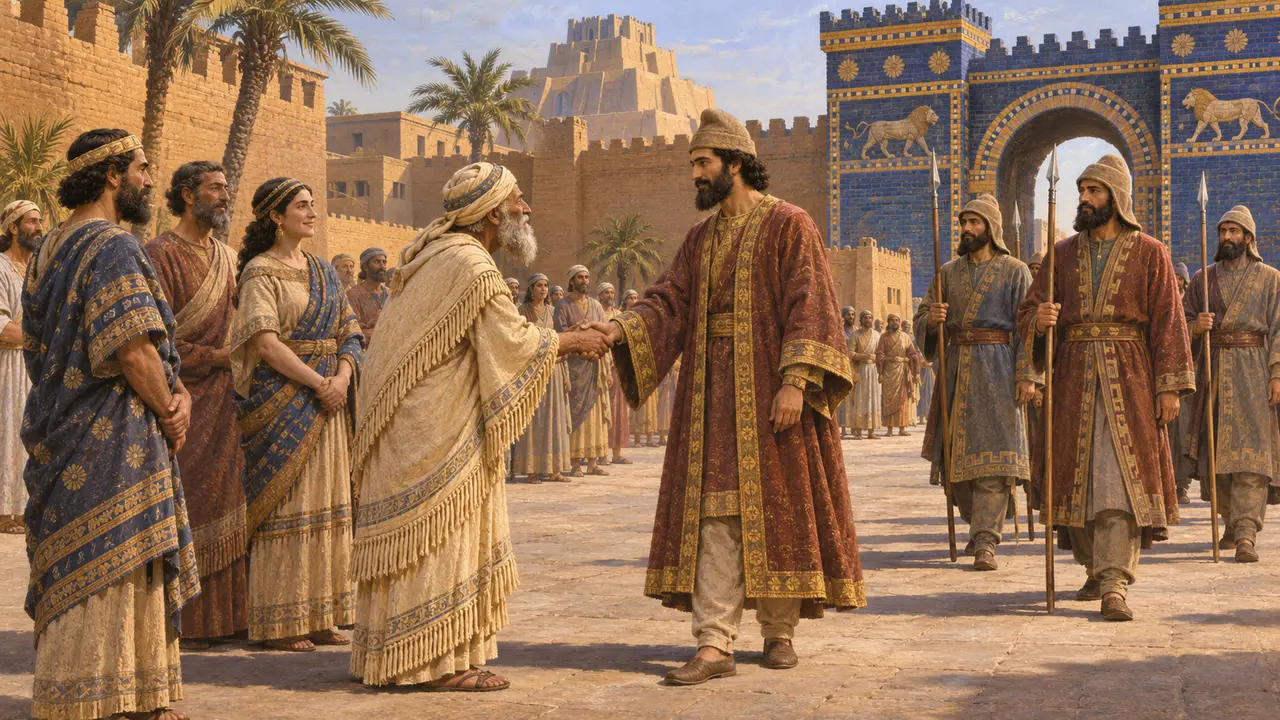
Cyrus enters Babylon
In the recordThe Nabonidus Chronicle records that in 539 Cyrus defeated the Babylonian army at Opis, and that his troops then entered Babylon without a battle. King Nabonidus was captured. The Cyrus Cylinder, written in Babylonian cuneiform for the new ruler, presents Cyrus as the king chosen by the god Marduk to restore proper worship. It is royal propaganda, but it shows Cyrus ruling through Babylonian traditions.
Nabonidus Chronicle; Cyrus Cylinder
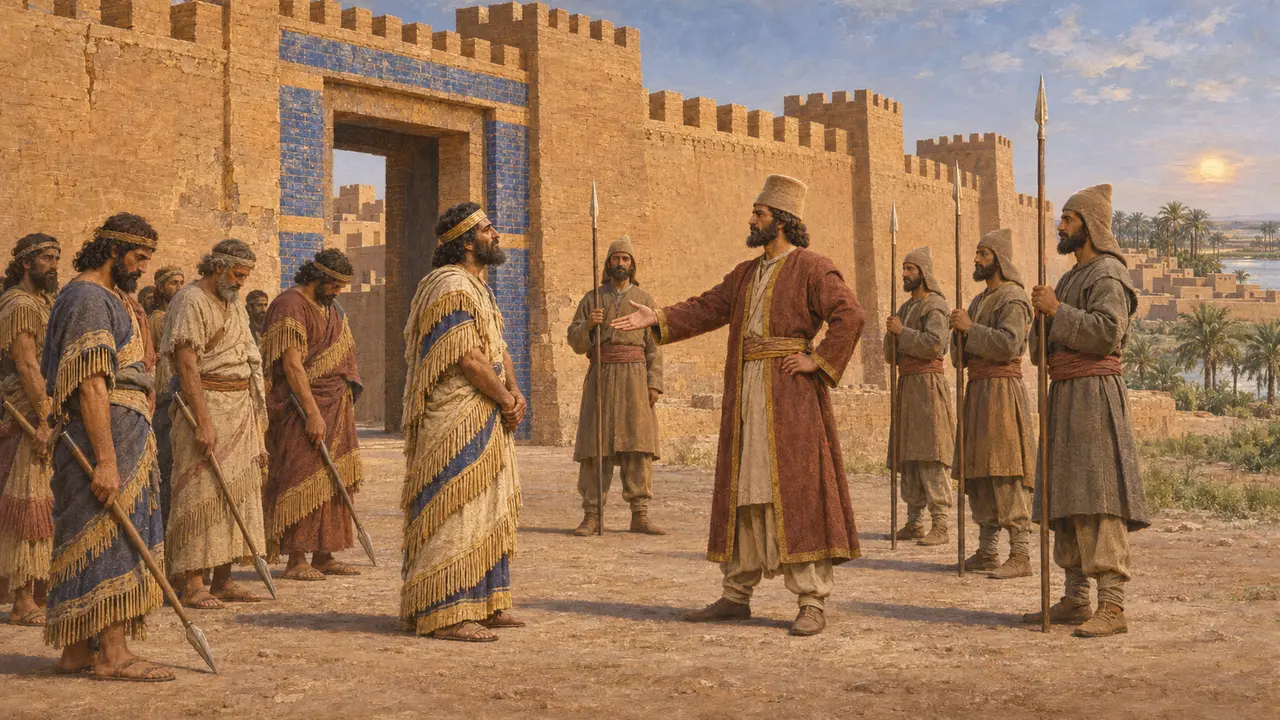
Two revolts against Darius
In the recordDarius's Behistun inscription says that in 522 a Babylonian named Nidintu-Bel claimed to be Nebuchadnezzar, son of Nabonidus. Darius beat him on the Tigris and the Euphrates and took Babylon. In 521 Arakha, whom Darius calls an Armenian, made the same claim and was defeated by Darius's general Intaphernes, then impaled at Babylon. Babylonian tablets dated to both rebel kings confirm the revolts.
DB §16-20; DB §49-51
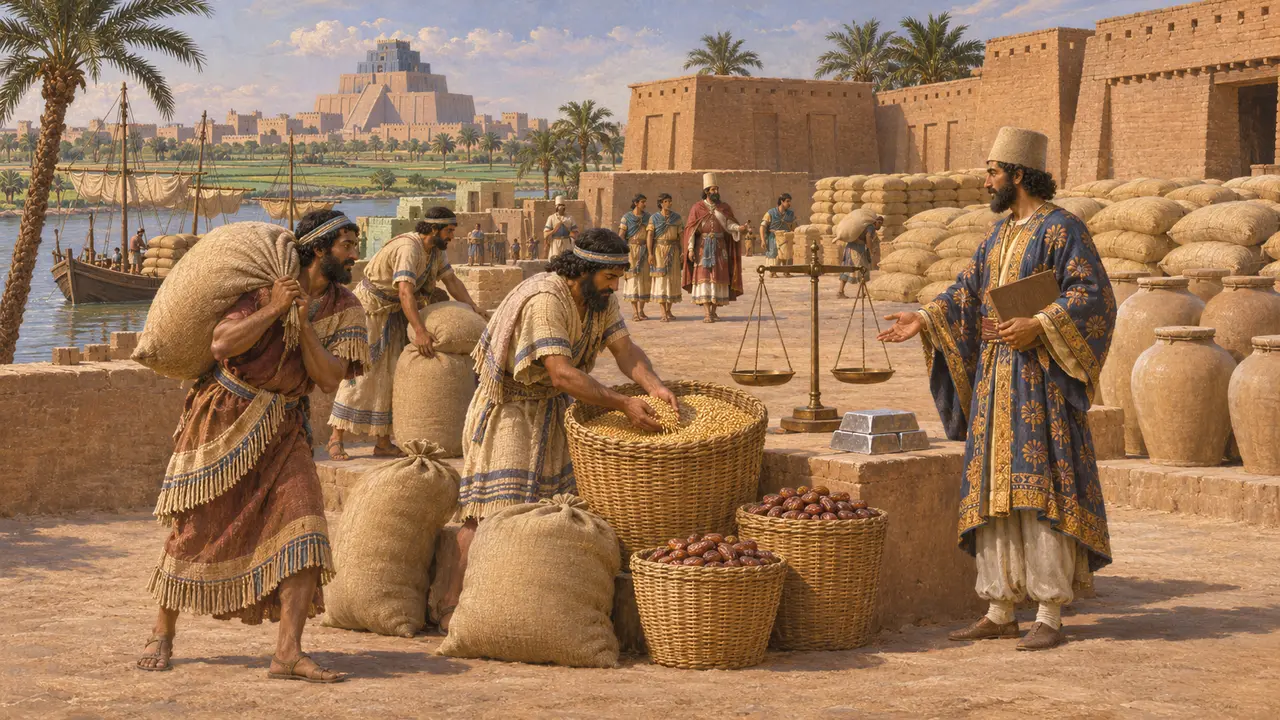
The richest province
Ancient accountHerodotus says Babylon and the rest of Assyria paid the King 1,000 talents of silver a year and 500 boys to serve as eunuchs. He also says Babylonia fed the King and his army for four months of every twelve, so it supplied a third of what all Asia provided. His figures cannot be checked exactly, but they show that Greeks thought Babylonia the empire's wealthiest land.
Herodotus 3.92; Herodotus 1.192
Fields, wool and brick
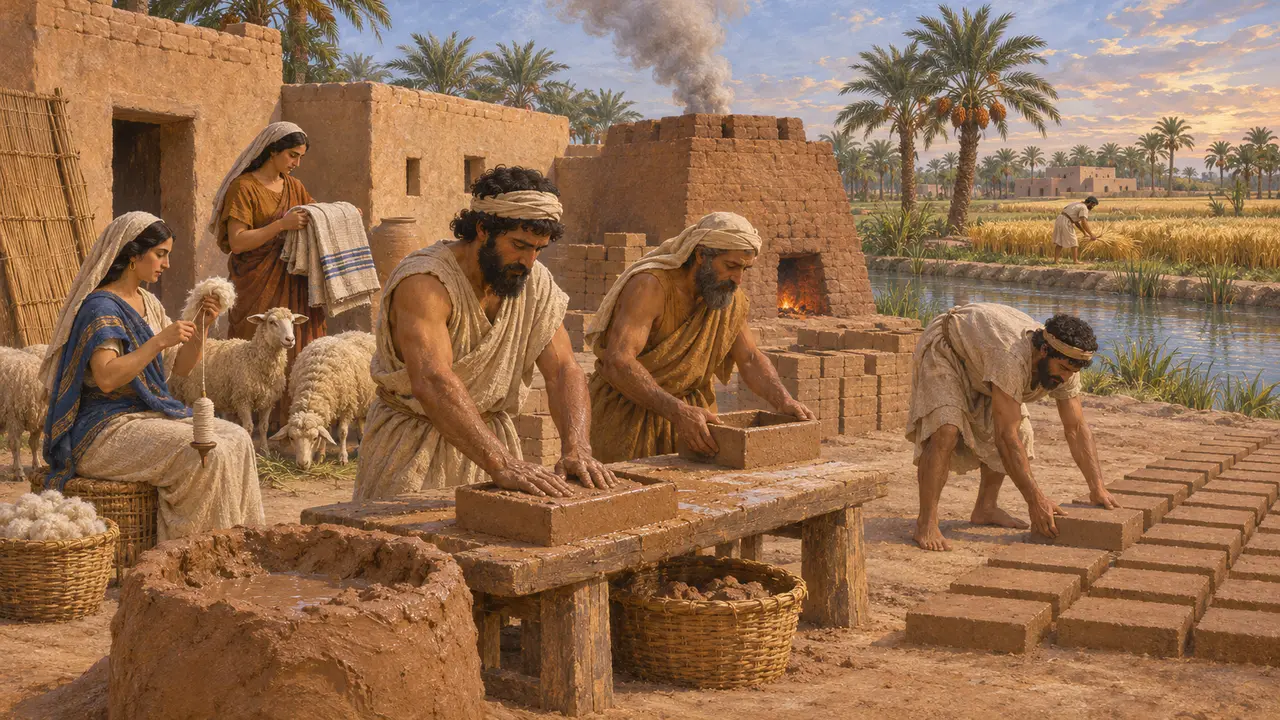
In the recordCuneiform archives, such as the Egibi family texts from Babylon and the temple records of Sippar and Uruk, show a busy economy of barley and date farming, flocks of sheep and large-scale wool and textile work. Persian nobles and officials held estates in Babylonia, and taxes and labour service were owed to the Crown. Darius's foundation charter from Susa names Babylonians as the men who moulded and baked the palace bricks.
Egibi archive; DSf; M. Jursa, Aspects of the Economic History of Babylonia, 2010
Revolt under Xerxes
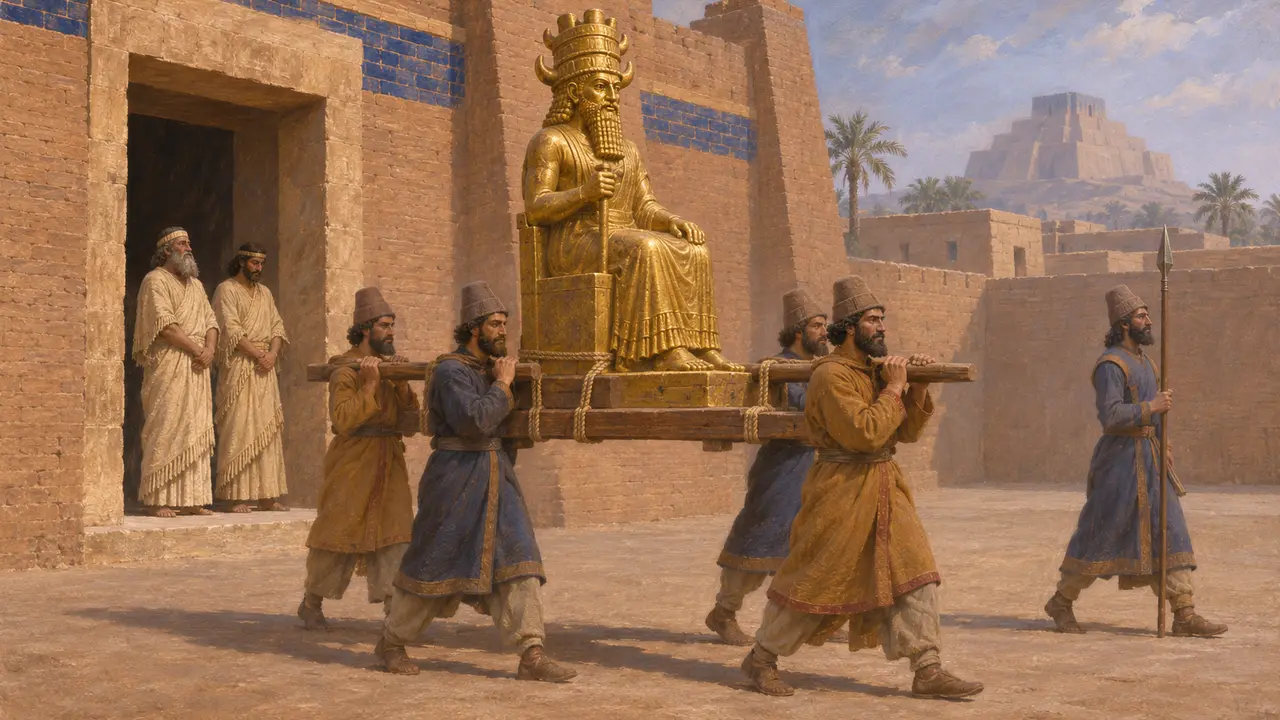
DisputedBabylonian tablets name two rebel kings, Bel-shimanni and Shamash-eriba, in about 484. Many family and temple archives in northern Babylonia stop at this time, which some historians link to Persian punishment. Herodotus says Xerxes carried off a gold statue from the temple of Bel, and Arrian says he destroyed the temples, but how much damage was done remains debated.
C. Waerzeggers, The Babylonian revolts against Xerxes and the end of archives, 2003/2004; Herodotus 1.183; Arrian, Anabasis 7.17
The emblem beside its name
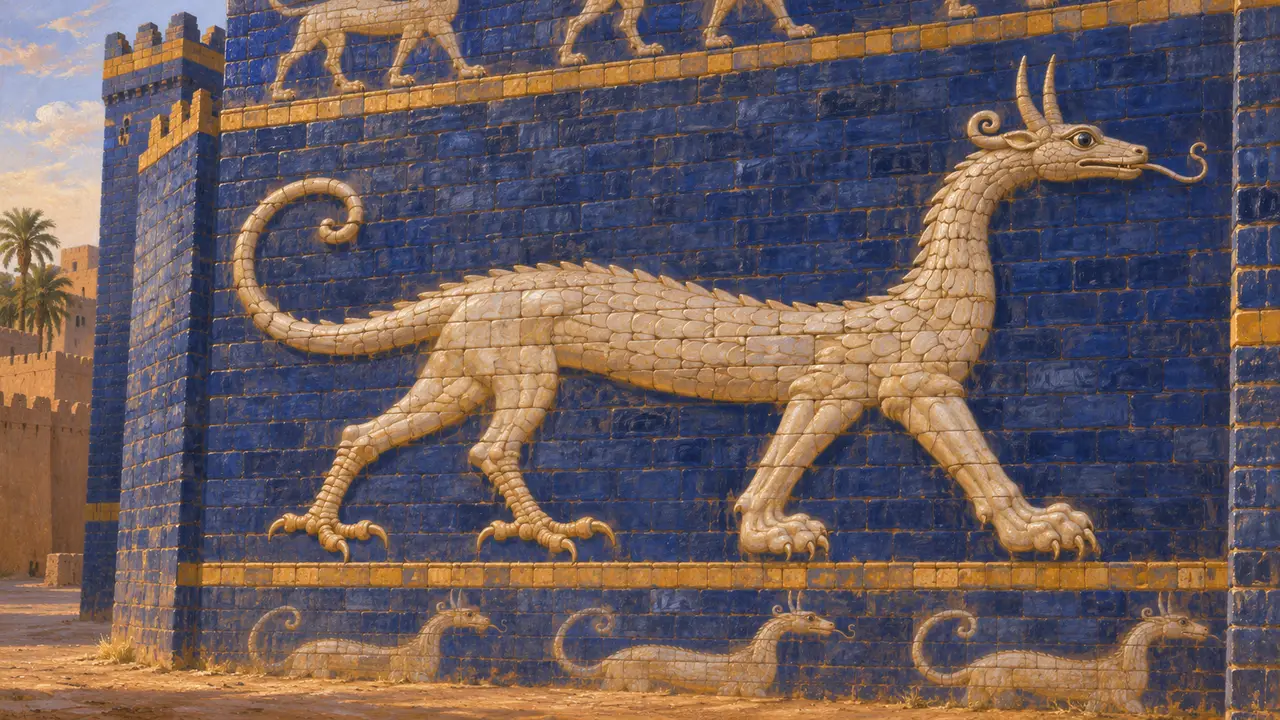
In the recordBabylon's emblem in the game is the mushhushshu, Marduk's snake-dragon, pale on blue as it strides along the glazed bricks of the Ishtar Gate, built about 575 by Nebuchadnezzar II. Marduk's spade on a pole was his other sign. No national flag existed; this is an emblem after the city's god.
J. Black and A. Green, Gods, Demons and Symbols of Ancient Mesopotamia, 1992
Sources
- Behistun inscription (DB)
- Nabonidus Chronicle
- Cyrus Cylinder
- Herodotus, Histories, books 1 and 3
- C. Waerzeggers, The Babylonian revolts against Xerxes and the end of archives, 2003/2004
- M. Jursa, Aspects of the Economic History of Babylonia, 2010