
Intaphernes (Vindafarna)
Persian noble and general of Darius, one of the seven conspirators, 522-521 BCE
In the game: Level 3: The Lie
Vindafarna, called Intaphrenes by Herodotus, was a Persian nobleman who stood with Darius when Gaumata was killed in 522. Darius's Behistun inscription names him as a conspirator and as the general who defeated the second Babylonian rebel, Arakha. Herodotus gives him a different ending, a story of arrest in the palace.
In the game: Vindafarna is named in the Encyclopedia's articles on the revolt of Arakha and the killing of Gaumata. He has no mechanic of his own. The game credits him with retaking Babylon and capturing Arakha, which follows Behistun for the second revolt.
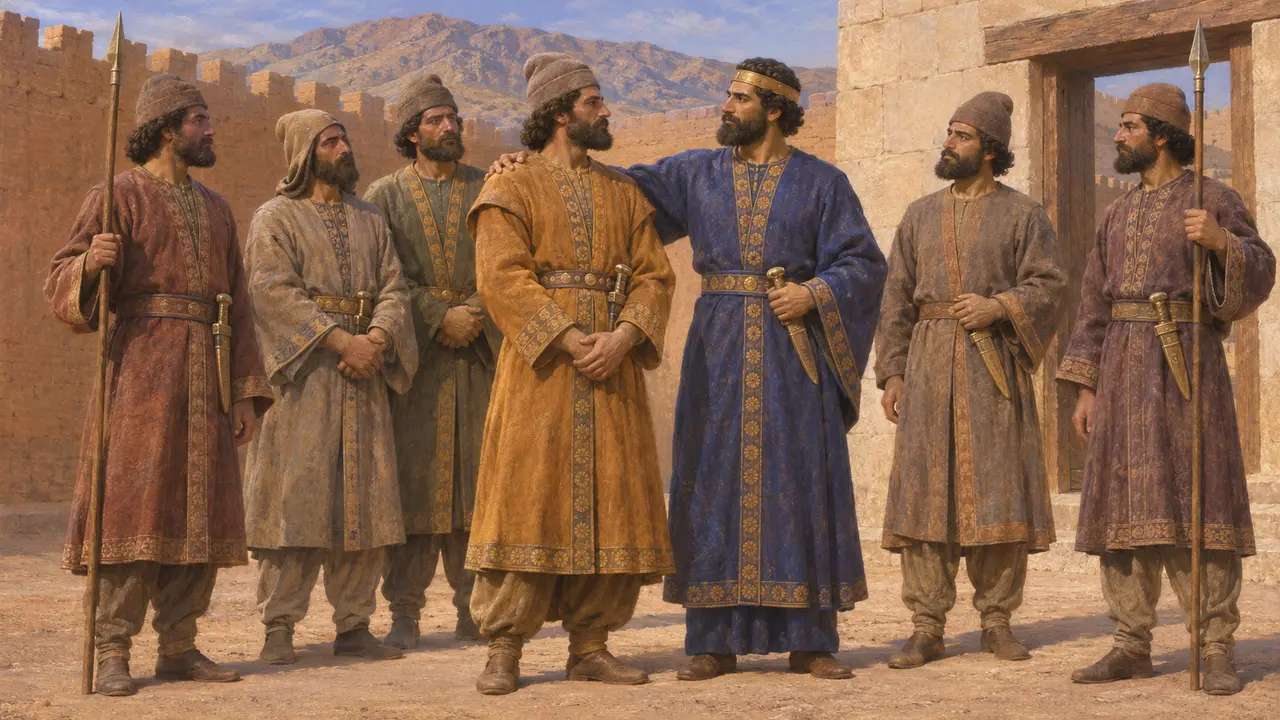
One of the seven
In the recordThe Behistun inscription lists the men who helped Darius kill Gaumata and names Vindafarna, son of Vayaspara, a Persian, among them. Darius sets out the list as part of his own account of how he took the kingship. He also charges later kings to protect the families of these men.
DB §68
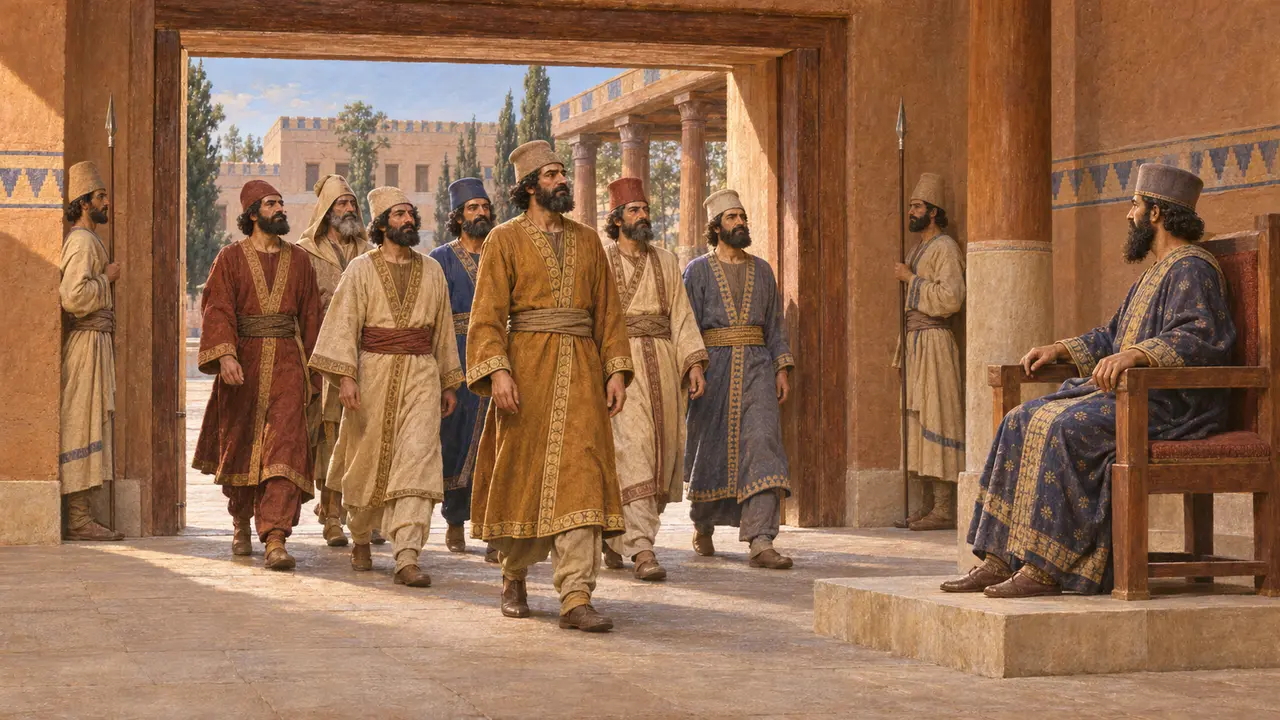
Herodotus on the seven
Ancient accountHerodotus calls him Intaphrenes and counts him among the seven Persians who plotted against the false Smerdis and killed him. He also says the seven were given the right to enter the king's presence without being announced, except when the king was with a woman.
Herodotus 3.70, 3.84
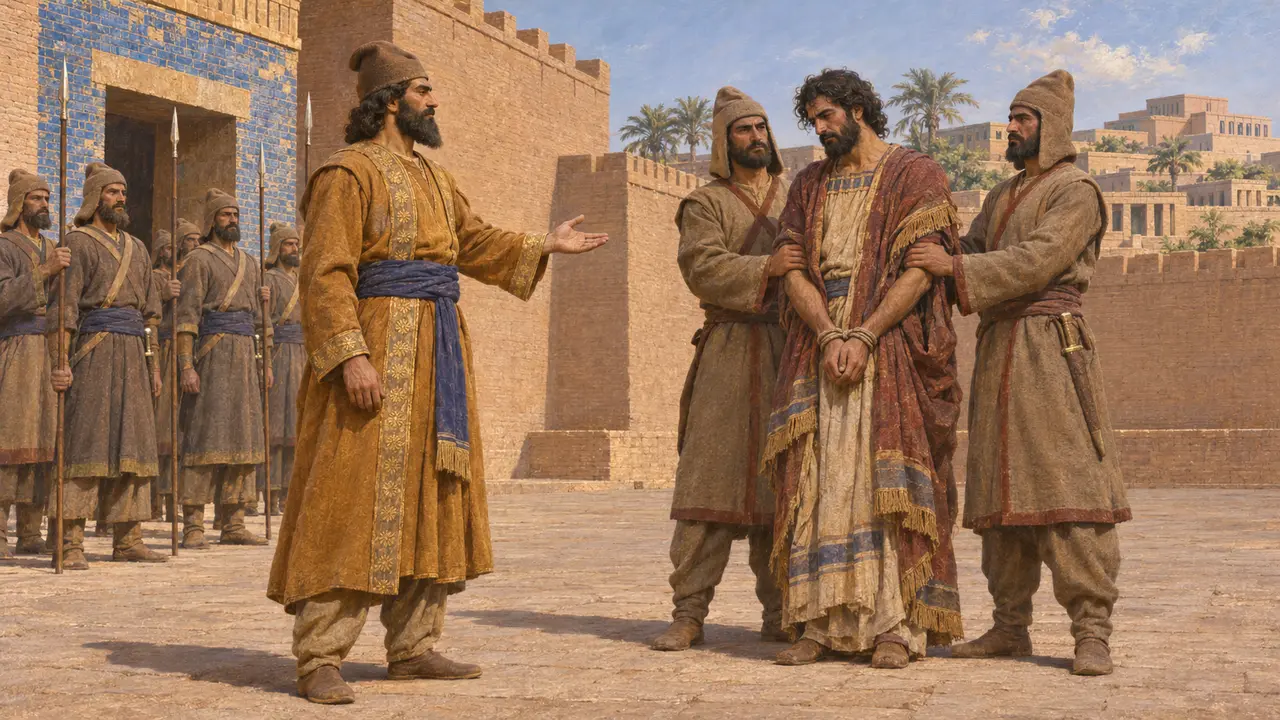
The general against Arakha
In the recordDarius says that Arakha, a man of Armenian descent, rebelled in Babylon a second time, claiming to be Nebuchadnezzar. Vindafarna, a Persian, is named as the commander who defeated him there and had him taken. Darius himself led the army against the first Babylonian rebel, Nidintu-Bel, so Babylon was not retaken by a single general.
DB §§49-50
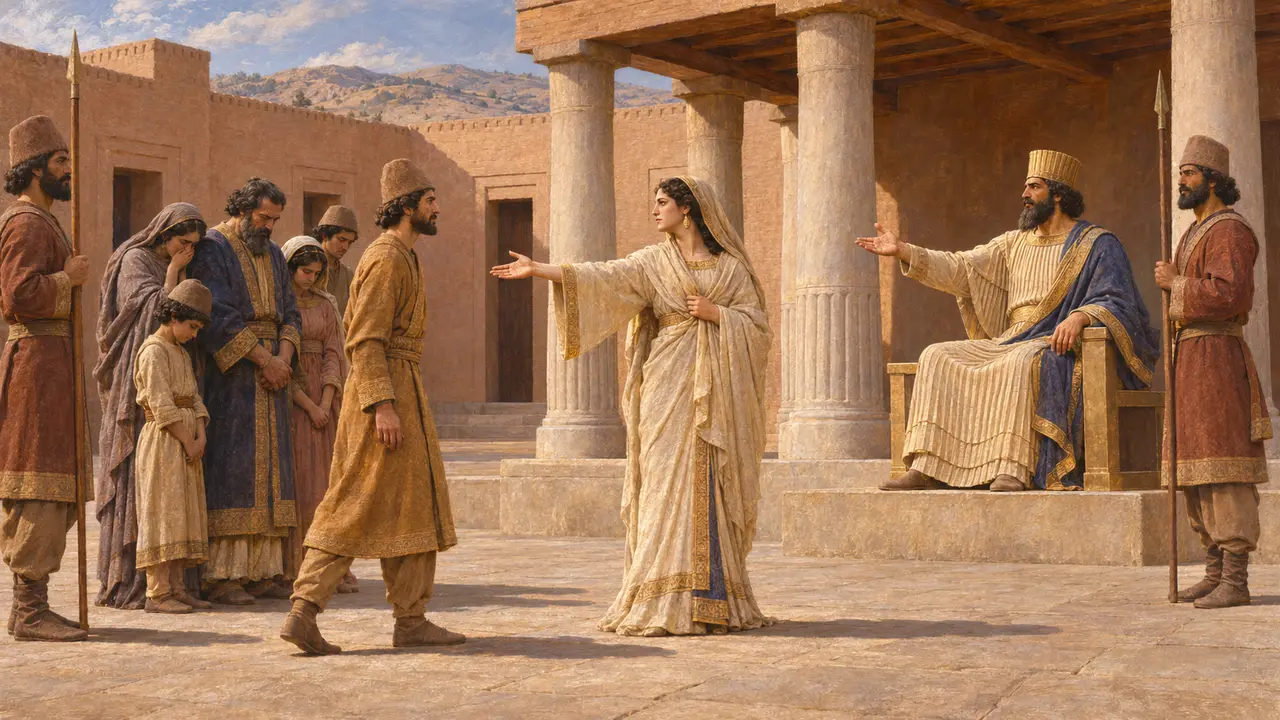
The fall of Intaphrenes in Herodotus
Ancient accountHerodotus says Intaphrenes was refused entry to the palace and mutilated the royal messengers who stopped him. Darius arrested him and his family and condemned them. The king spared one man whom Intaphrenes' wife chose, and she chose her brother. The story reads as a moral tale about a king's justice, and no Persian source confirms it.
Herodotus 3.118-119
Sources
- Behistun inscription, DB §§49-50, §68
- Herodotus 3.70, 3.84, 3.118-119
- P. Briant, From Cyrus to Alexander, 2002