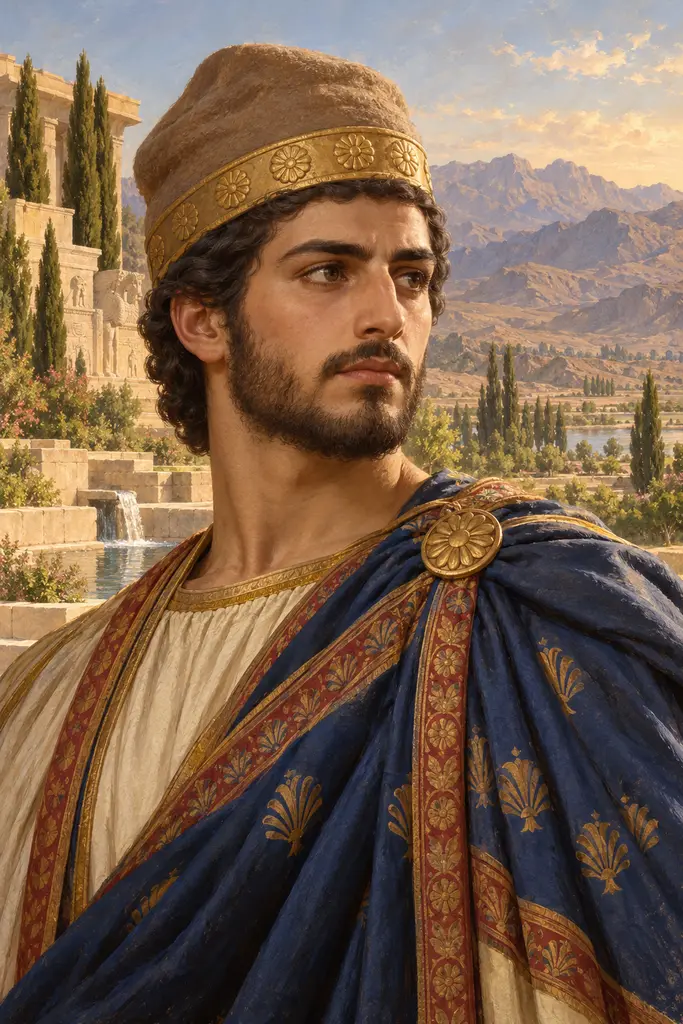
Bardiya, or Gaumata
King of the Persians for some months in 522 BCE, son of Cyrus or impostor
In the game: Level 3: The Lie, Level 4: The Terrace
In 522 a man calling himself Bardiya, the younger son of Cyrus, held the throne for some months. Darius killed him and said he was Gaumata, a magus who had stolen the dead prince's name. That story justified Darius's own kingship, and historians still argue over whether the murdered king was a fraud or Cyrus's real son.
In the game: The game's chronicle gives him both names and dates his rule to some months in 522. It sets Darius's claim that he was an impostor beside the modern view that he may have been the real Bardiya.
Darius's account at Behistun
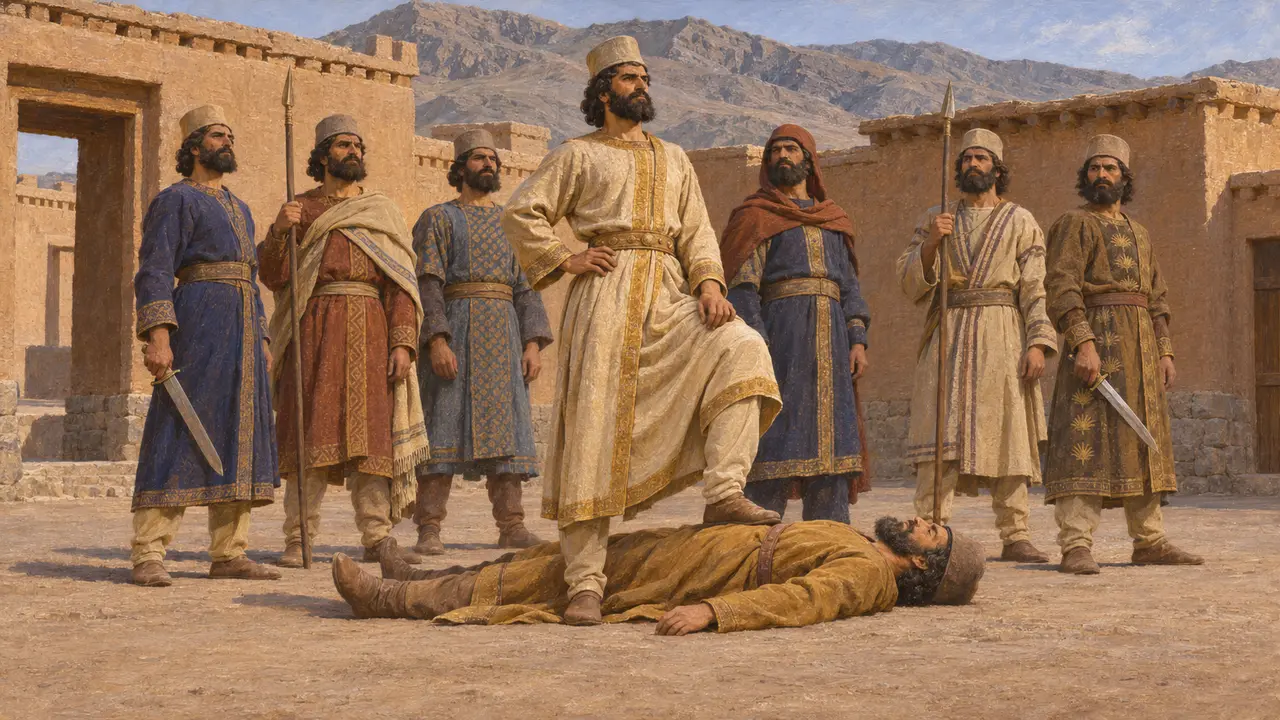
In the recordIn the Behistun inscription Darius says that Cambyses secretly killed his brother Bardiya before marching on Egypt. In March 522 a magus named Gaumata rose in Persis claiming to be Bardiya, and by July he was king over the lands, after which Cambyses died. In September 522 Darius and six helpers, whom he names, killed Gaumata at the fortress of Sikayauvati in Media, and the relief shows Gaumata lying on his back under Darius's foot.
DB §10-13, §68

Traces of a real reign
In the recordBabylonian business tablets are dated by the reign of Bardiya as king, so for some months scribes there treated him as the lawful ruler. Darius himself says that Gaumata had destroyed places of worship and taken pastures, herds, servants and houses from the people, and that he restored them. What these measures were is unclear, but they point to a ruler who had policies of his own.
DB §14; A. Kuhrt, The Persian Empire: A Corpus of Sources, 2007
Herodotus and the magus Smerdis
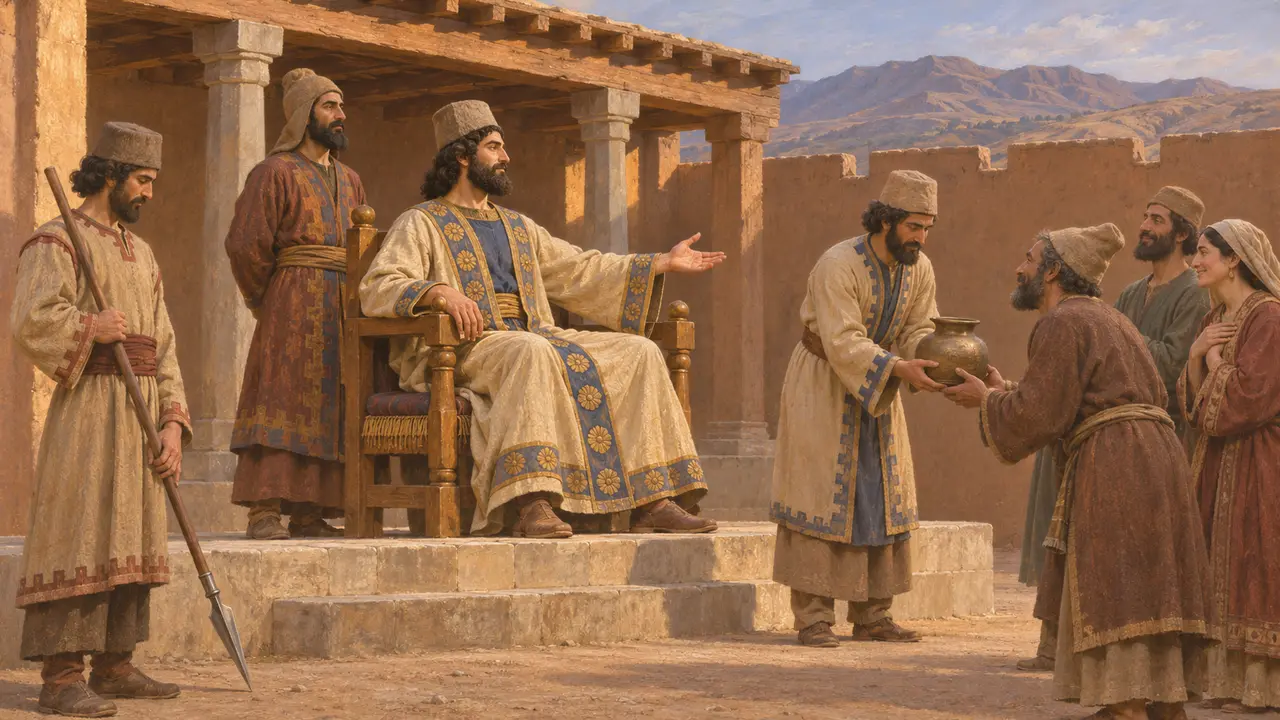
Ancient accountHerodotus calls the prince Smerdis and says Cambyses had Prexaspes murder him after a dream. Two magi brothers then seized the throne, one of them also named Smerdis and closely resembling the prince. Herodotus says this false king freed his subjects from tribute and military service for three years and was mourned by all in Asia except the Persians. Seven Persians killed the magi, and the Persians kept the day as a festival called the Magophonia.
Herodotus 3.30, 3.61-79
The cropped ears
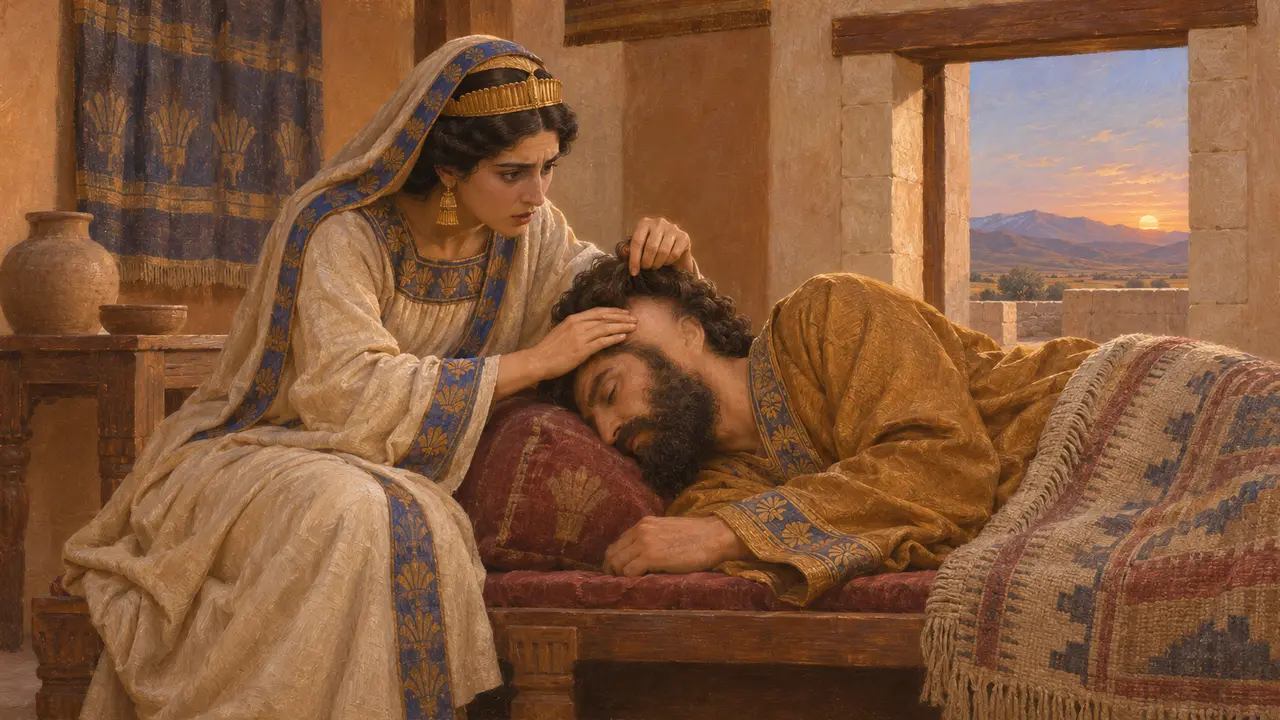
Later legendHerodotus tells how Otanes grew suspicious of the king. His daughter Phaidyme, who was one of the king's wives, felt for his ears while he slept and found none. Cyrus had once cut off the magus's ears as a punishment. The tale has the shape of a folk story of the unmasked impostor, and nothing outside Herodotus supports it.
Herodotus 3.68-69
Impostor or prince
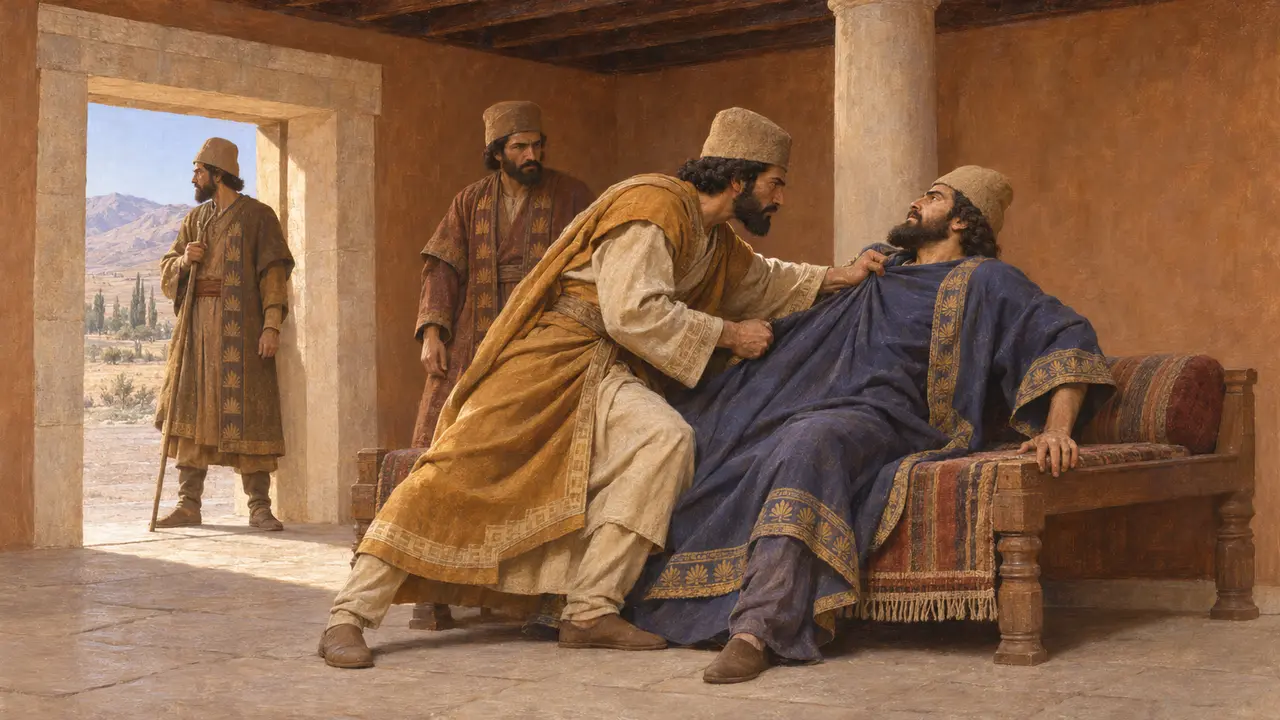
DisputedMany historians suspect that Darius, who came from a side branch of the royal house, killed the true son of Cyrus and invented the impostor. A royal brother murdered in secret, with no one noticing, is hard to believe, and Darius's inscription was written to justify him. Others answer that no evidence disproves his account. Herodotus and Ctesias, who calls the magus Sphendadates, add detail but probably drew on the official version, so the question remains open.
P. Briant, From Cyrus to Alexander, 2002; Ctesias, Persica
Sources
- DB §10-14, §68
- Herodotus 3.30, 3.61-79
- P. Briant, From Cyrus to Alexander, 2002
- A. Kuhrt, The Persian Empire: A Corpus of Sources, 2007
- Ctesias, Persica
- M. Dandamaev, A Political History of the Achaemenid Empire, 1989