Atossa
Persian queen, daughter of Cyrus and mother of Xerxes, late 6th-early 5th century BCE
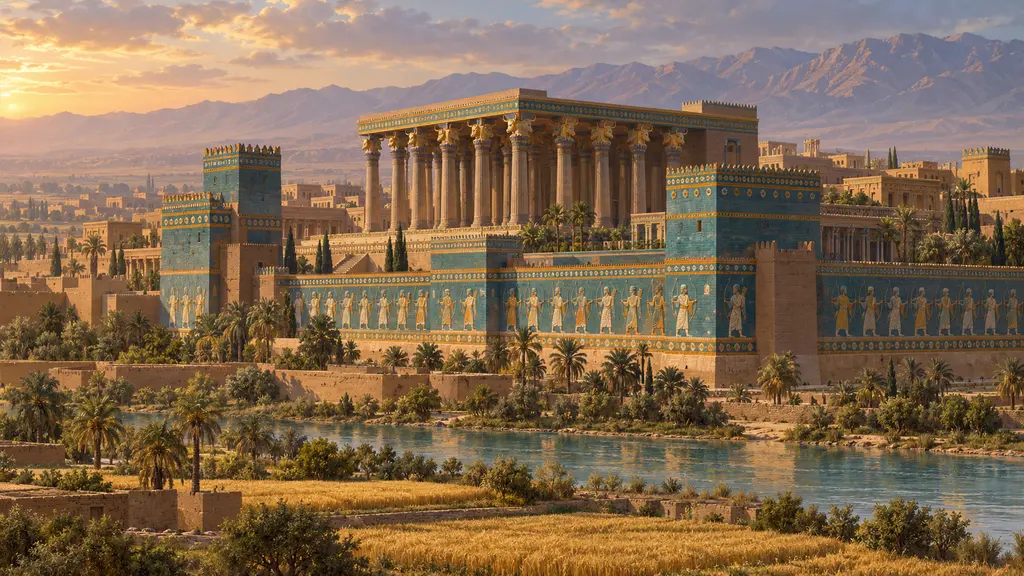
Atossa was a daughter of Cyrus the Great who, by Herodotus's account, was married in turn to Cambyses, to the Magus who seized the throne, and to Darius. Her son by Darius was Xerxes. Greek writers made her the most powerful woman at the Persian court, but the Persian record barely names her, if at all, so her real influence is hard to measure.
In the game: The game's chronicle note follows Herodotus but calls her a wife of Bardiya where Herodotus says the Magus; who that ruler really was is disputed. No Persian text credits her with Xerxes' succession.
Daughter of Cyrus and wife of kings
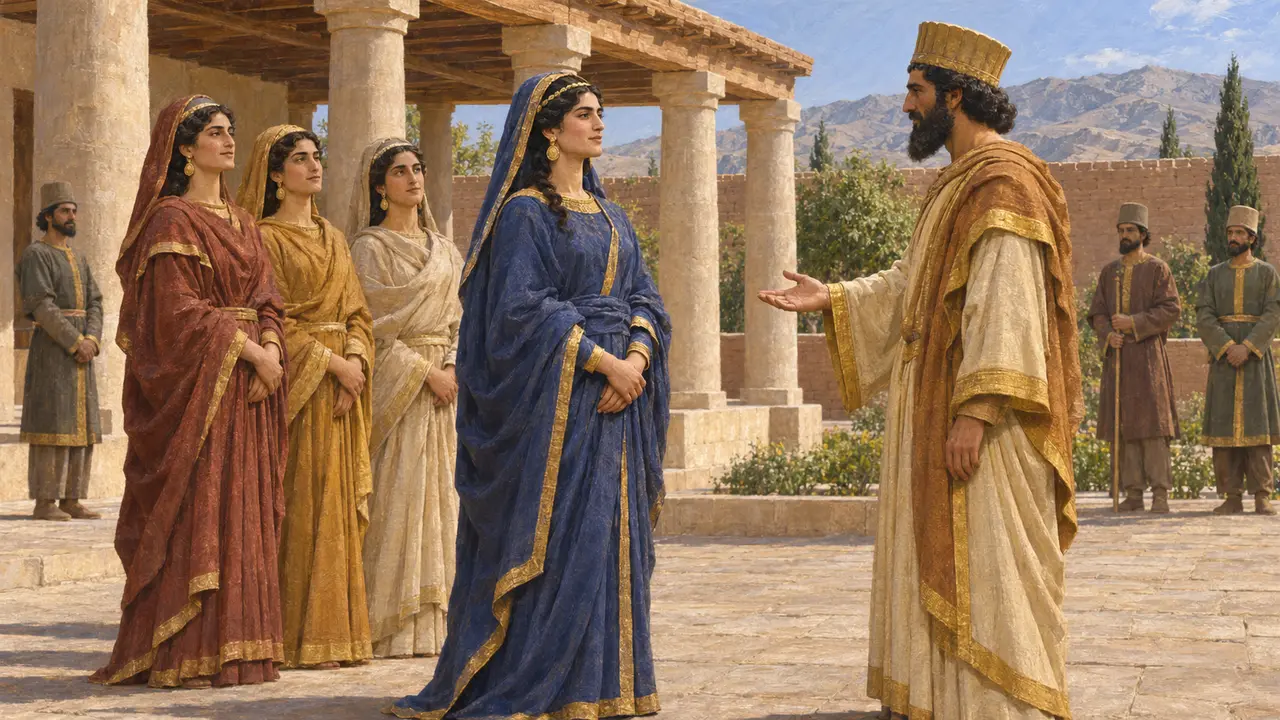
Ancient accountHerodotus says Atossa was a daughter of Cyrus, married first to her brother Cambyses and then to the Magus who ruled after him. When Darius took the throne he married her, her sister Artystone, Parmys, a granddaughter of Cyrus, and Phaidyme, daughter of Otanes. Modern historians read these marriages as Darius's way of tying his new line to the house of Cyrus.
Herodotus 3.68, 3.88
Herodotus on the succession of Xerxes
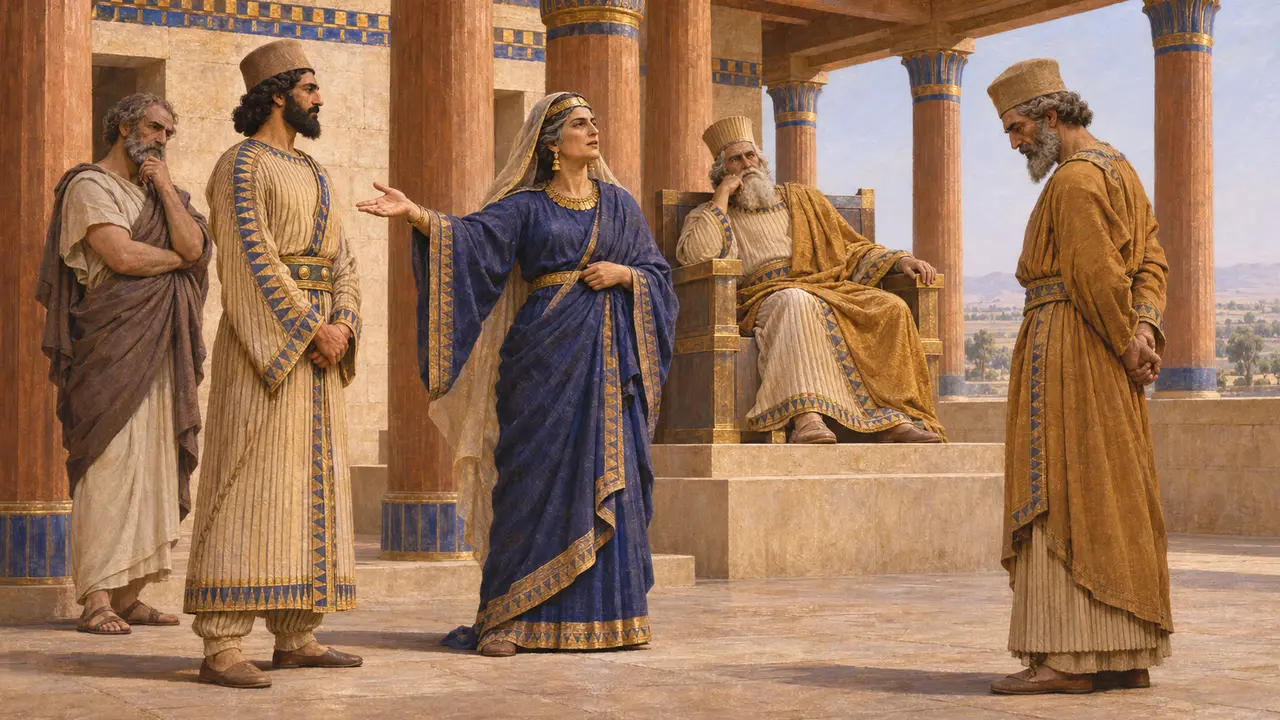
Ancient accountHerodotus tells of a dispute between Artobazanes, Darius's eldest son by an earlier wife, and Xerxes, the eldest son born after Darius became king. He says Demaratus of Sparta advised Xerxes on his claim, but adds that Xerxes would have won anyway, because Atossa held all the power. This is his judgement, not a Persian report.
Herodotus 7.2-3
What the Persian record shows
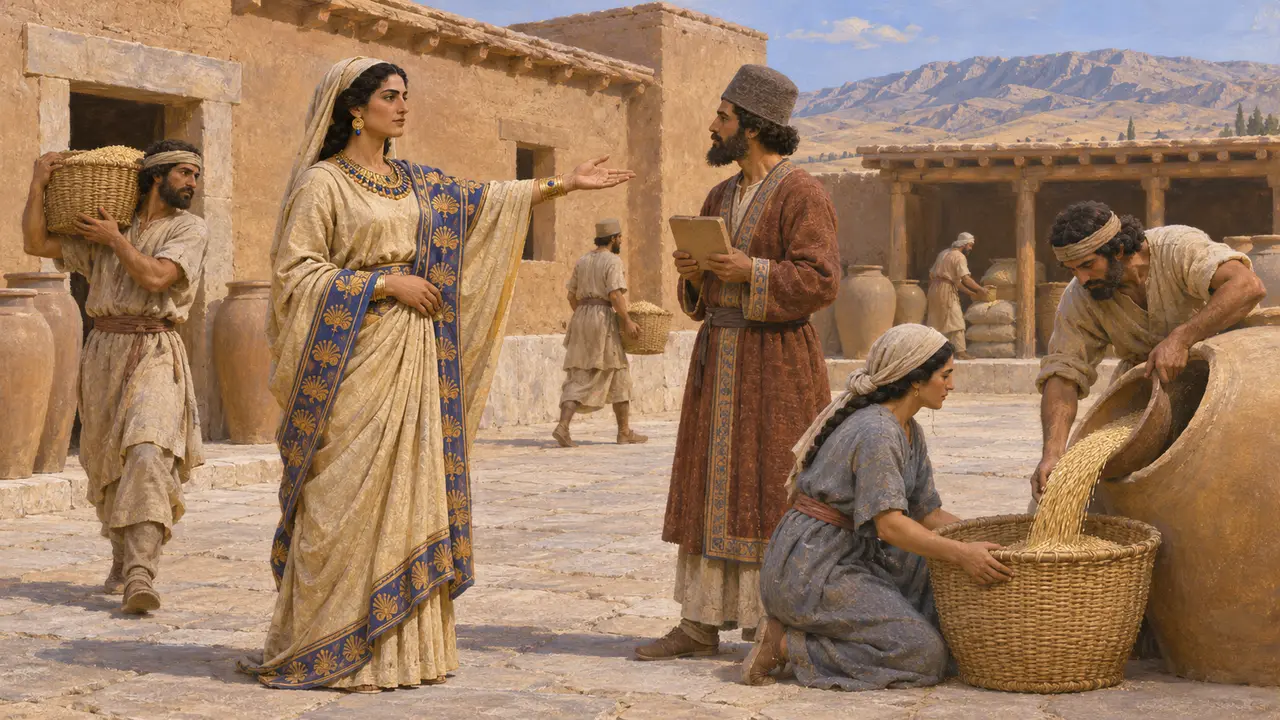
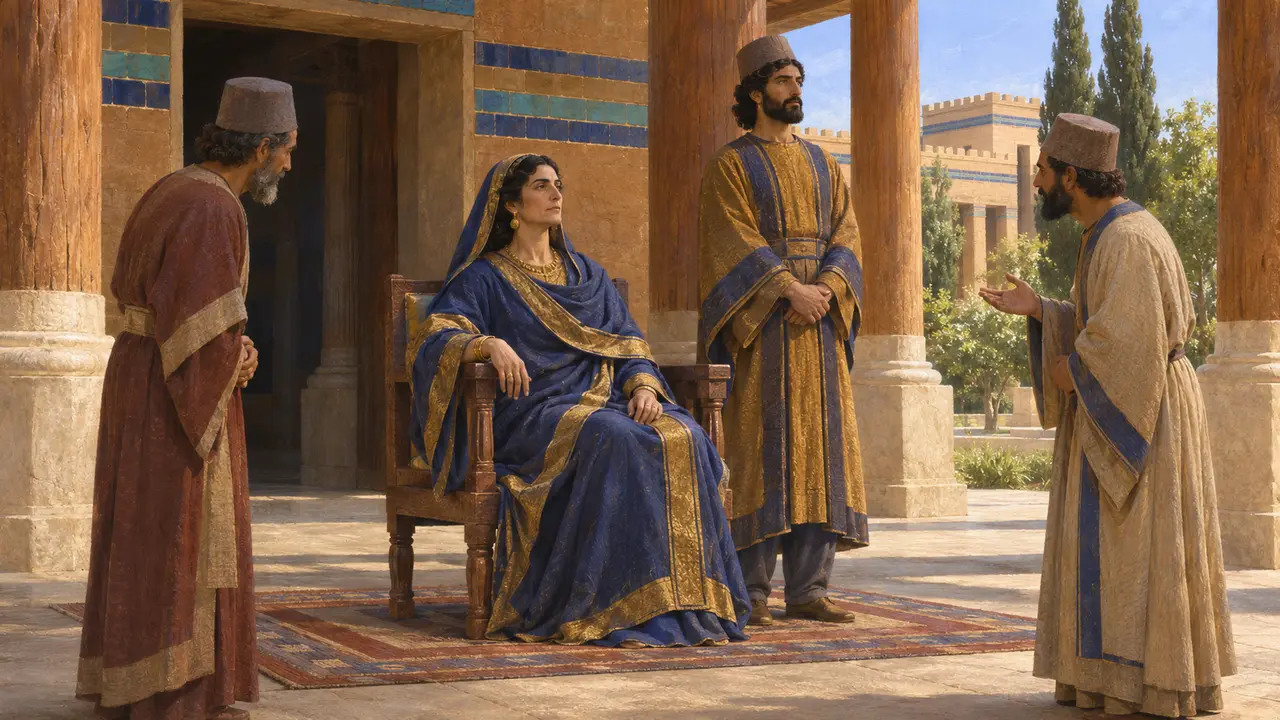
In the recordDarius's inscriptions do not name Atossa. Xerxes, in a text from Persepolis, says Darius had other sons but made him the greatest after himself, and does not mention his mother. The Fortification tablets show royal women such as Irtashduna, the Artystone of Herodotus, and Irdabama running estates and workforces, so queens could hold real economic power.
XPf; R. T. Hallock, Persepolis Fortification Tablets, 1969
How powerful was she
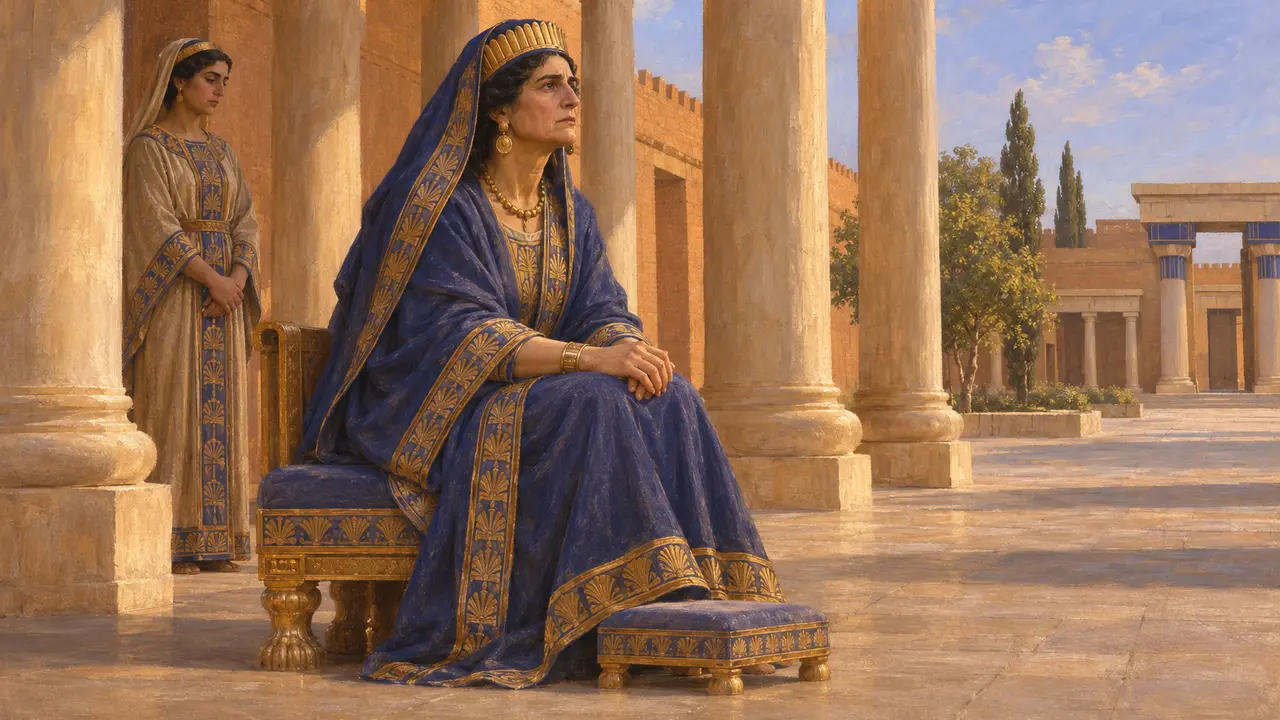
DisputedHistorians disagree over how far to trust the Greek picture of Atossa as the queen who ruled the palace. Some accept that her descent from Cyrus gave Xerxes a strong claim. Others note that Greek writers liked to show Persian courts run by scheming women, and that the tablets document other wives of Darius far better. A woman called Udusana in one Fortification tablet may be Atossa, but the identification is uncertain.
M. Brosius, Women in Ancient Persia, 559-331 BC, 1996; P. Briant, From Cyrus to Alexander, 2002
The queen in Greek stories
Later legendHerodotus tells how the Greek doctor Democedes cured a growth on her breast and in return had her urge Darius to attack Greece, a tale shaped to explain a war through the bedchamber. Aeschylus's Persians, staged at Athens in 472, shows Xerxes' mother waiting at Susa for news of Salamis, though the play never names her. The Greek writer Hellanicus, as quoted by the Christian author Tatian, made her the first person to compose letters.
Herodotus 3.133-134; Aeschylus, Persians; Tatian, Oration to the Greeks
Sources
- Herodotus 3.88, 3.133-134, 7.2-3
- Aeschylus, Persians
- XPf
- M. Brosius, Women in Ancient Persia, 559-331 BC, 1996
- P. Briant, From Cyrus to Alexander, 2002
- R. T. Hallock, Persepolis Fortification Tablets, 1969