Sparta
Chief city of Laconia in southern Greece, leading Greek power in 480-479 BCE
In the game: Level 7: Sardis Burns, Level 8: The Bay of Marathon, Level 10: The Hot Gates
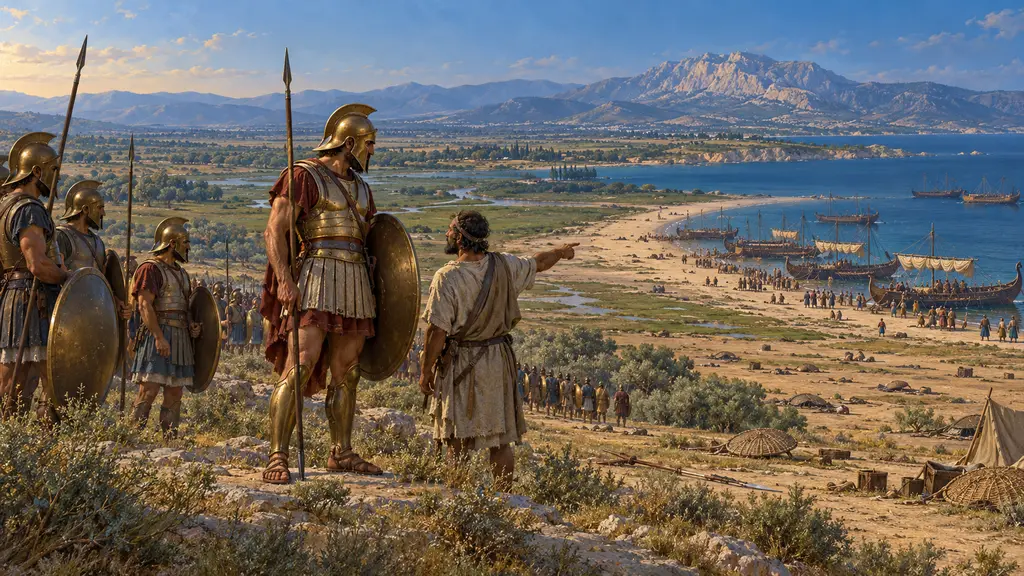
Sparta was the chief city of Laconia in the southern Peloponnese. It was ruled by two kings and lived on the labour of the helots. In the Persian period it led the strongest alliance of Greek states, refused the King's demands, and supplied the commanders of the Greek resistance at Thermopylae and Plataea.
In the game: The game lists Sparta as a trade partner. This is a simplification: no source shows regular Spartan trade with Persia, and in 480-479 Sparta led the Greek war against the King.
Villages on the Eurotas
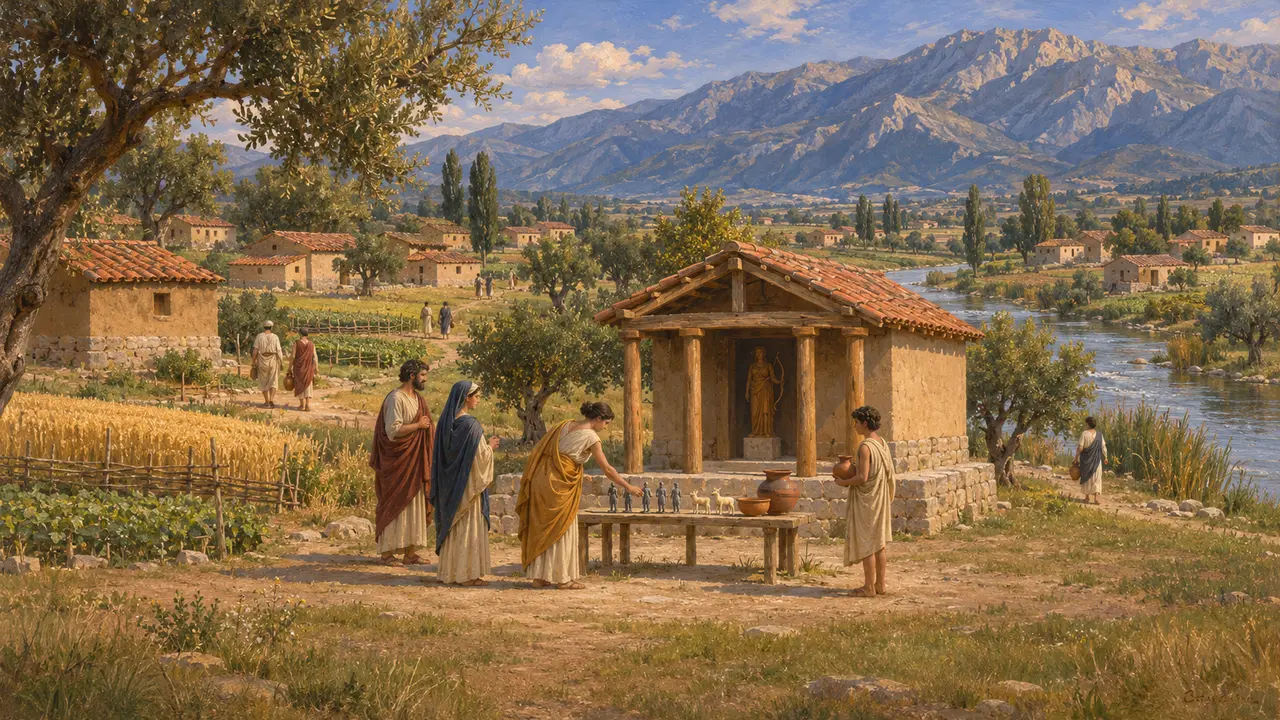
In the recordSparta lay in the valley of the Eurotas river and was made up of a cluster of villages without a city wall. Excavations by the British School at Athens at the sanctuary of Artemis Orthia uncovered thousands of small lead figurines, carved ivories and pieces of Laconian pottery left as offerings. Little monumental building of the period survives on the site today.
R. M. Dawkins, The Sanctuary of Artemis Orthia at Sparta, 1929
Kings, ephors and helots
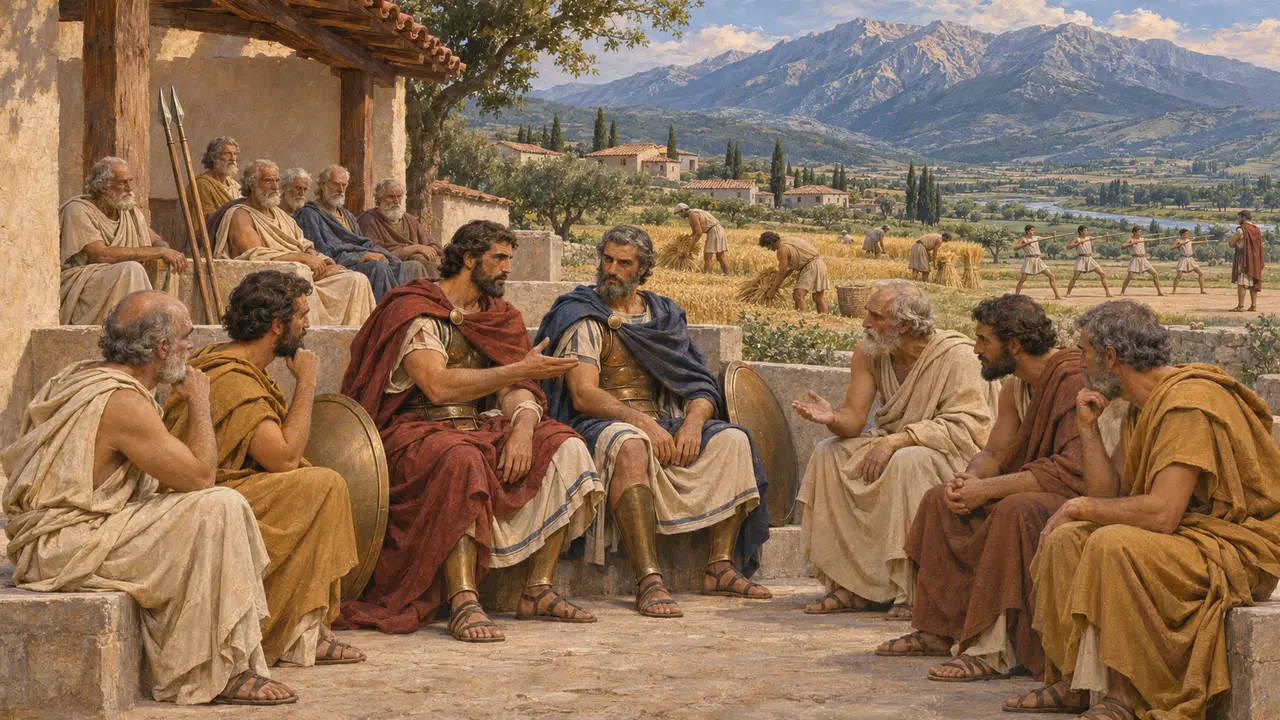
Ancient accountHerodotus and Xenophon describe a state with two hereditary kings from the Agiad and Eurypontid houses, five ephors elected each year and a council of elders. The citizen men, the Spartiates, trained for war from boyhood and lived from estates worked by the helots, a subject population of Laconia and Messenia. By about 500 Sparta led most of the Peloponnese through a network of alliances.
Herodotus 6.56-58; Xenophon, Constitution of the Lacedaemonians
Envoys and refusals
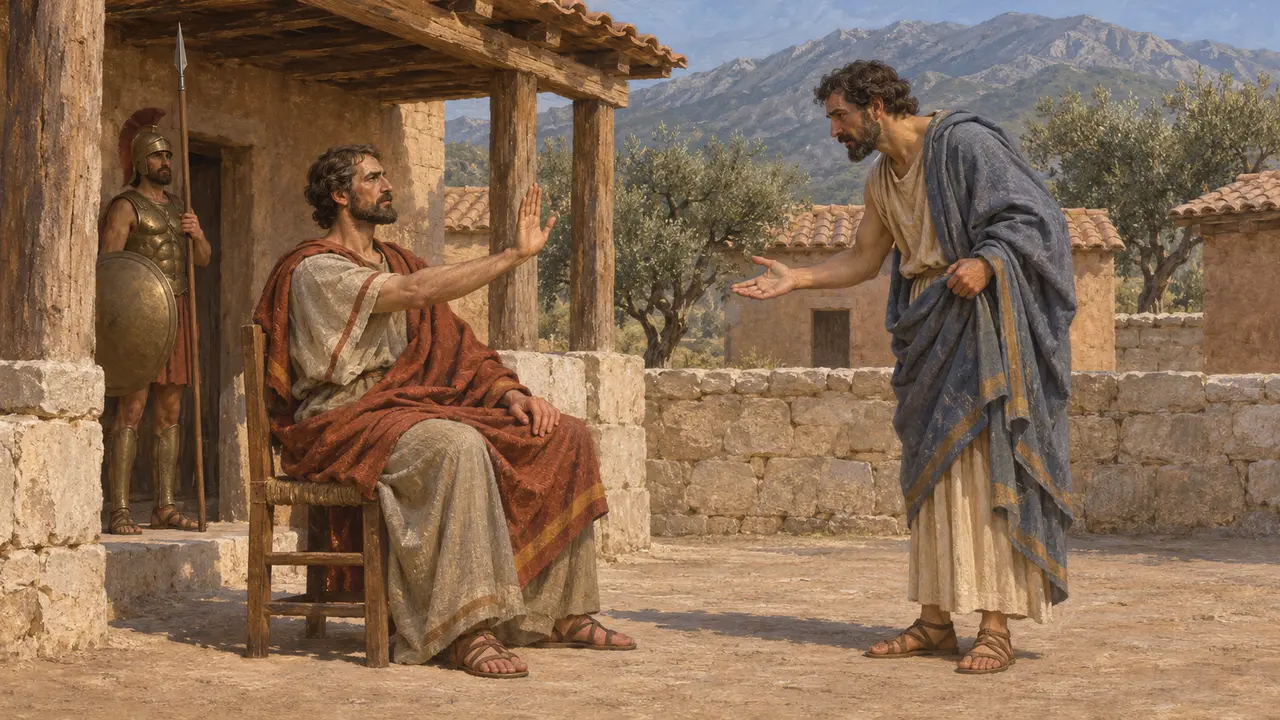
Ancient accountHerodotus says Sparta sent a herald to warn Cyrus away from the Greek cities of Asia after the fall of Sardis, and that Cyrus asked who the Spartans were. About 499 King Cleomenes turned down Aristagoras of Miletus once he learned Susa lay three months' march from the sea. Herodotus also says the Spartans threw Darius's heralds into a well, and in 490 their troops reached Marathon only after the battle.
Herodotus 1.152-153; 5.49-51; 7.133; 6.106; 6.120
How open was Sparta
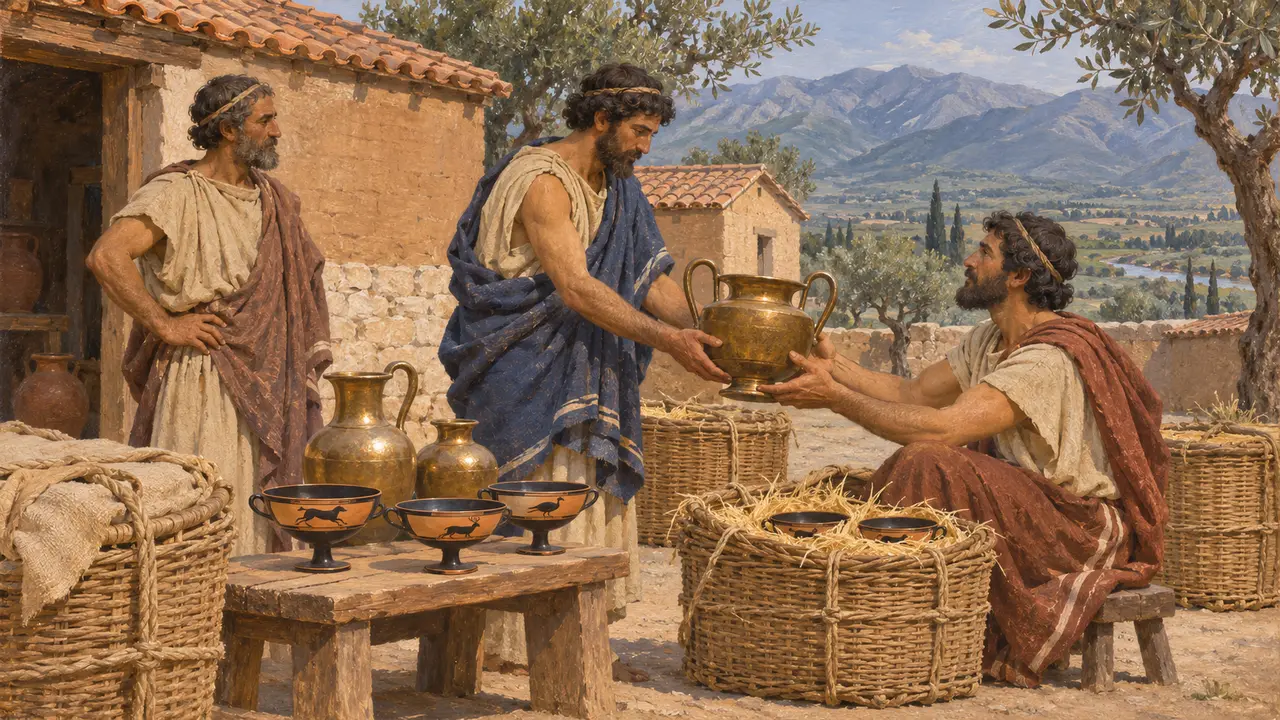
DisputedLater writers pictured Sparta as a closed and austere state that used iron bars instead of silver and expelled foreigners. Historians call this picture the Spartan mirage and argue over how far it fits the sixth century, when Laconian pottery and bronzes travelled as far as Samos, Etruria and Cyrene. Herodotus says Sparta was allied with Croesus of Lydia, but no source shows regular trade with the Persian empire.
F. Ollier, Le mirage spartiate, 1933; P. Cartledge, Sparta and Lakonia, 1979; Herodotus 1.69
Lycurgus the lawgiver
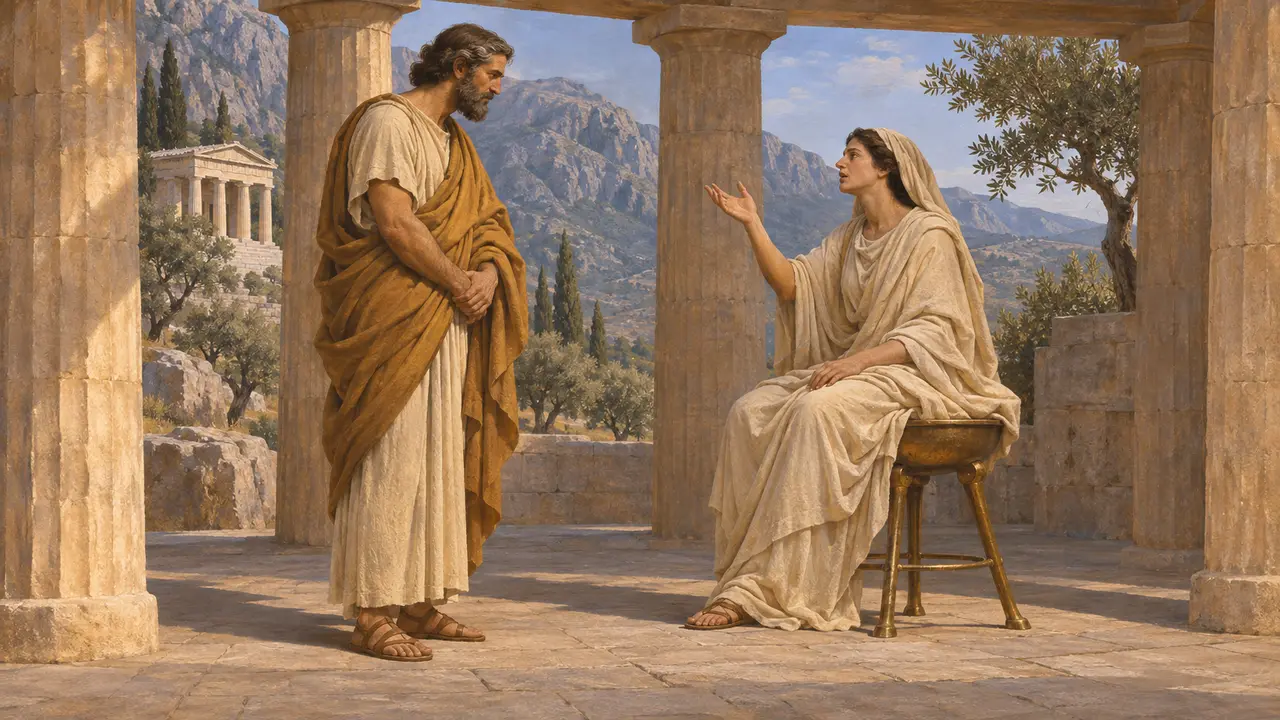
Later legendSpartans credited their way of life to a single lawgiver, Lycurgus. Some versions said he received his laws from the oracle at Delphi. Herodotus already tells this story and Plutarch later wrote a full life of him, but ancient writers could not agree on when he lived. Most historians now treat him as a figure of tradition rather than a known person.
Herodotus 1.65; Plutarch, Lycurgus
Sources
- Herodotus, Histories
- Xenophon, Constitution of the Lacedaemonians
- P. Cartledge, Sparta and Lakonia, 1979
- R. M. Dawkins, The Sanctuary of Artemis Orthia at Sparta, 1929
- F. Ollier, Le mirage spartiate, 1933
- Plutarch, Lycurgus