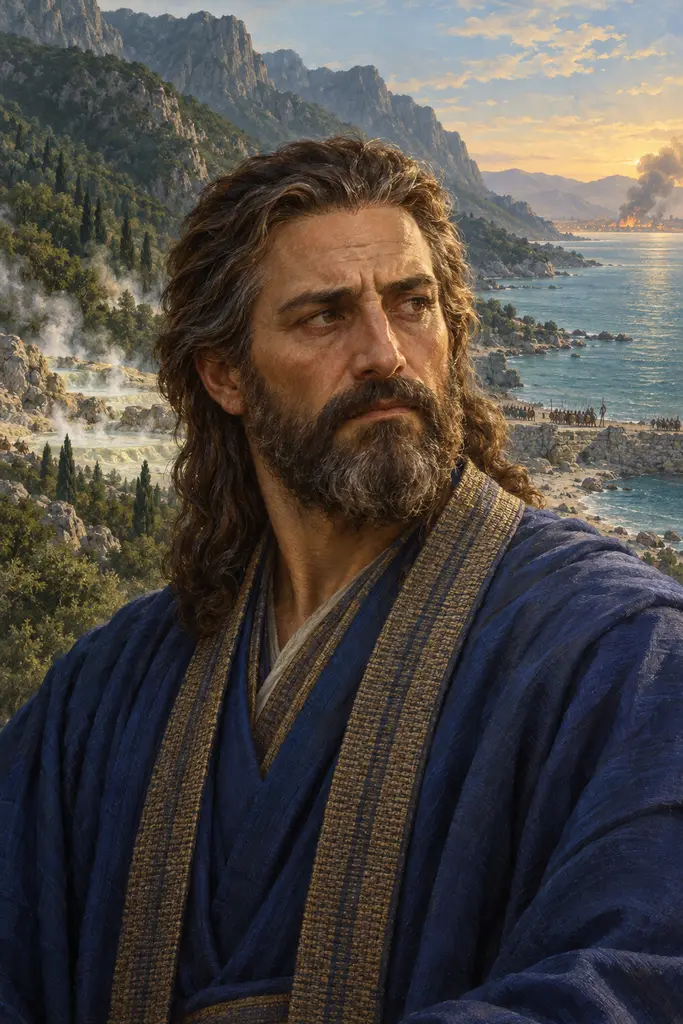
Demaratus
Eurypontid king of Sparta, later an exile at the Persian court, about 515-480 BCE
In the game: Level 10: The Hot Gates
Demaratus was one of Sparta's two kings until about 491, when his fellow king Cleomenes had him deposed. He fled to Darius, received lands in western Anatolia and, according to Herodotus, marched with Xerxes in 480 as an adviser on Greek and especially Spartan ways. Almost everything known of him comes from Herodotus, and no Persian document names him.
In the game: The game shows Demaratus only in its chronicle note, as the exile who told Xerxes that Spartans fear their law more than his subjects fear him. This follows Herodotus 7.104, a speech probably of Herodotus's own making.
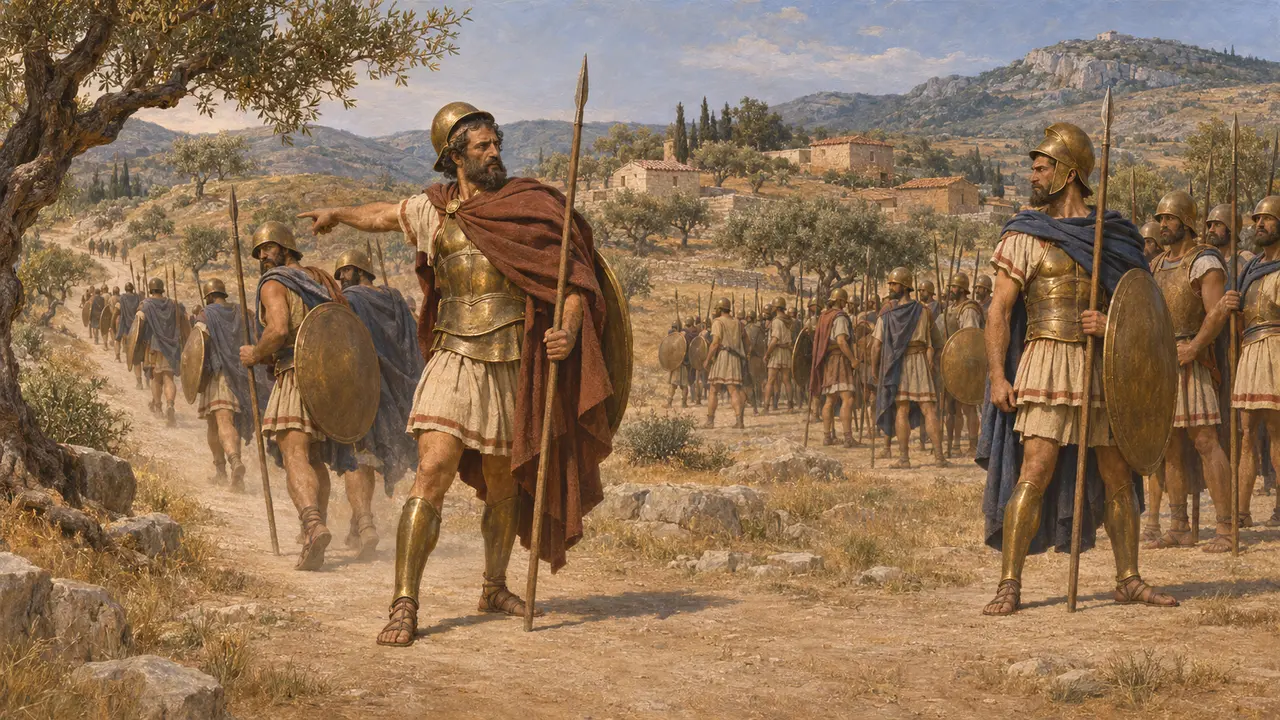
A king against Cleomenes
Ancient accountHerodotus says Demaratus, son of Ariston, belonged to the Eurypontid royal house, the junior line of Sparta's double kingship. During the invasion of Attica in about 506 he broke with the Agiad king Cleomenes and went home, and the army broke up. Herodotus links this quarrel to a Spartan rule that both kings should not lead the same campaign. The rivalry flared again when Demaratus obstructed Cleomenes' action against Aegina in about 491.
Herodotus 5.75; 6.50-51; 6.61
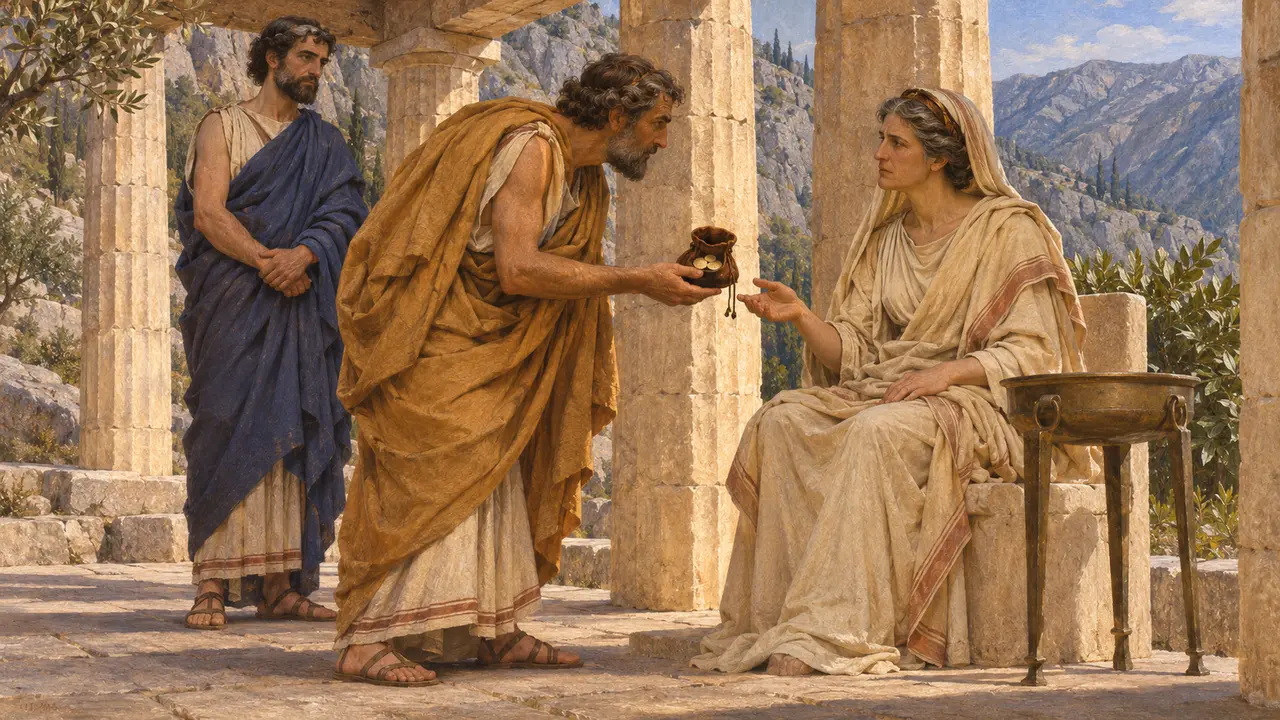
Deposed by a bribed oracle
Ancient accountHerodotus tells how Cleomenes backed Leotychides, who claimed that Demaratus was not truly Ariston's son. The question was put to Delphi, and Cleomenes used a Delphian named Cobon to persuade the priestess to give the answer he wanted. Demaratus was removed and Leotychides became king. When the fraud later came out, Herodotus says, Cobon was exiled and the priestess lost her office.
Herodotus 6.63-66
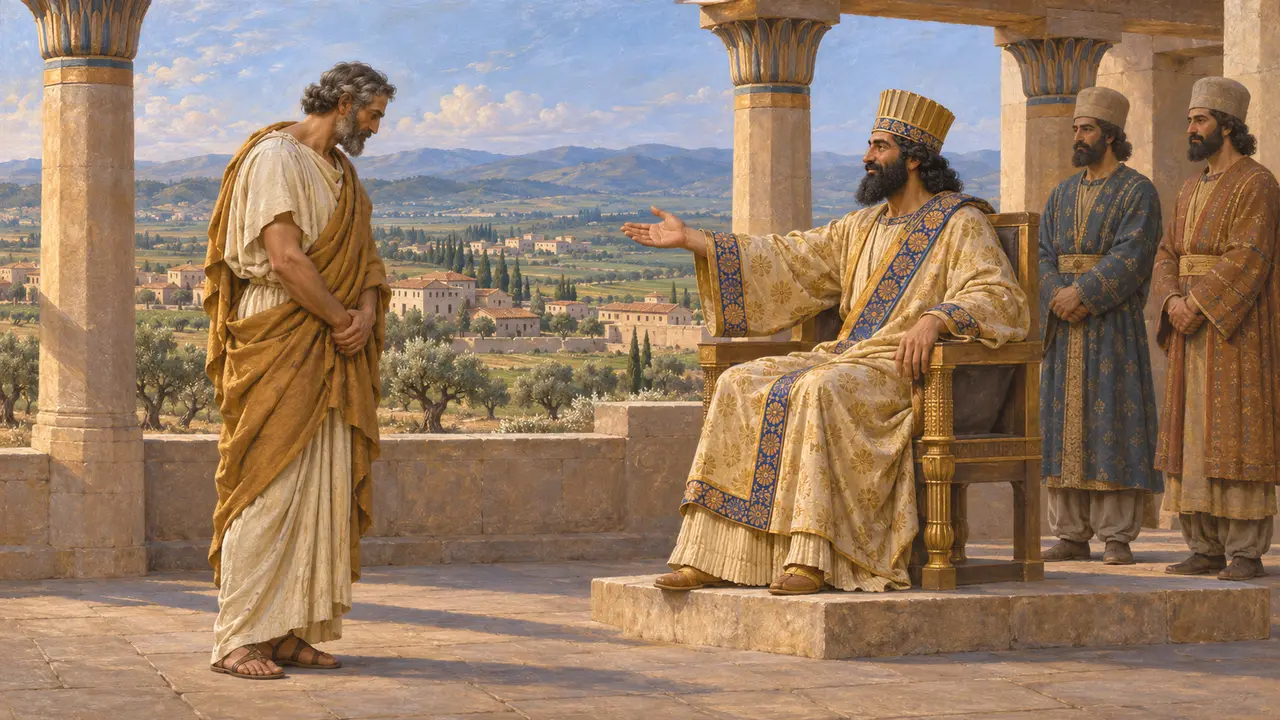
Exile and lands in Asia
Ancient accountLeotychides insulted Demaratus at the Gymnopaediae festival. Demaratus then left Sparta, evaded pursuit by way of Elis and Zacynthus, and reached Darius, who Herodotus says gave him land and cities. Xenophon reports that his descendants Eurysthenes and Procles still ruled Teuthrania and Halisarna in Mysia in 399, but says the land was a reward for joining the expedition against Greece. Historians see such grants as a regular Persian way of rewarding useful exiles.
Herodotus 6.67-70; Xenophon, Hellenica 3.1.6
Adviser on Xerxes' march
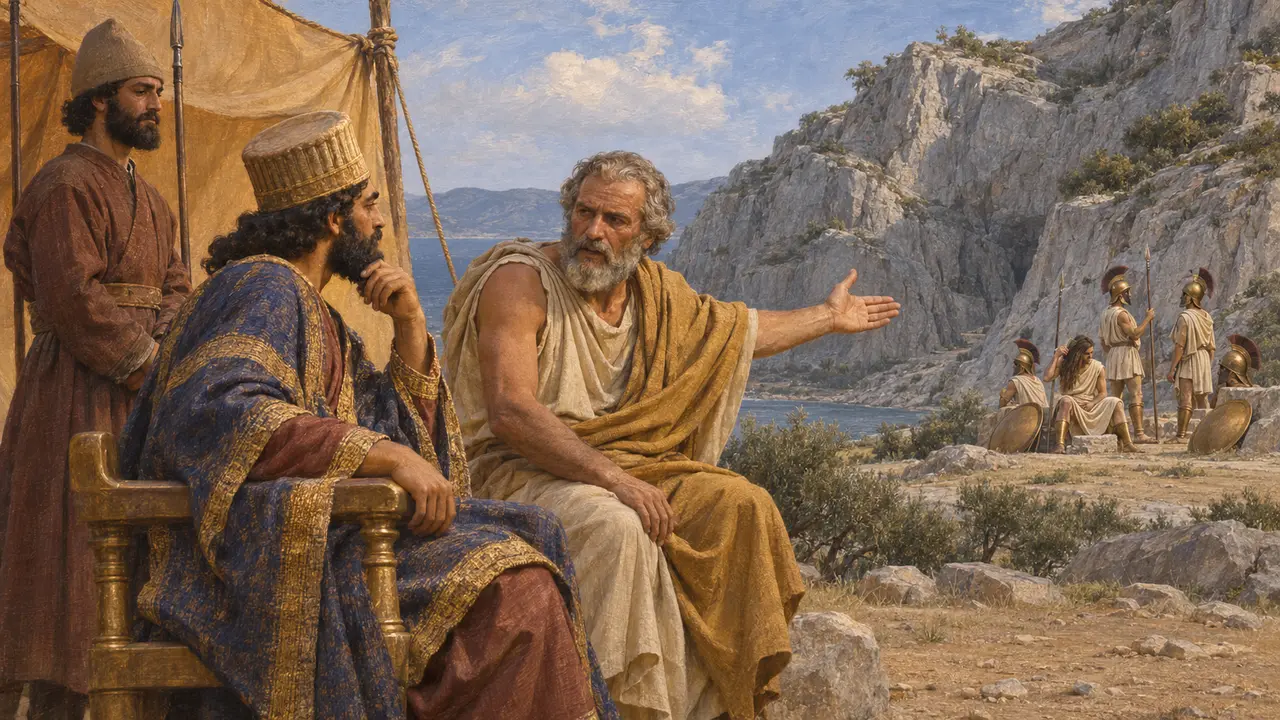
Ancient accountHerodotus places Demaratus beside Xerxes at several points. At Doriscus he warned that the Spartans would fight whatever the odds. Before Thermopylae he explained that Spartans combing their hair were preparing to die. After the pass fell he urged sending ships to Cythera to distract Sparta, a plan Herodotus says Achaemenes talked Xerxes out of.
Herodotus 7.101-104; 7.209; 7.234-237
Speeches, succession and a secret warning
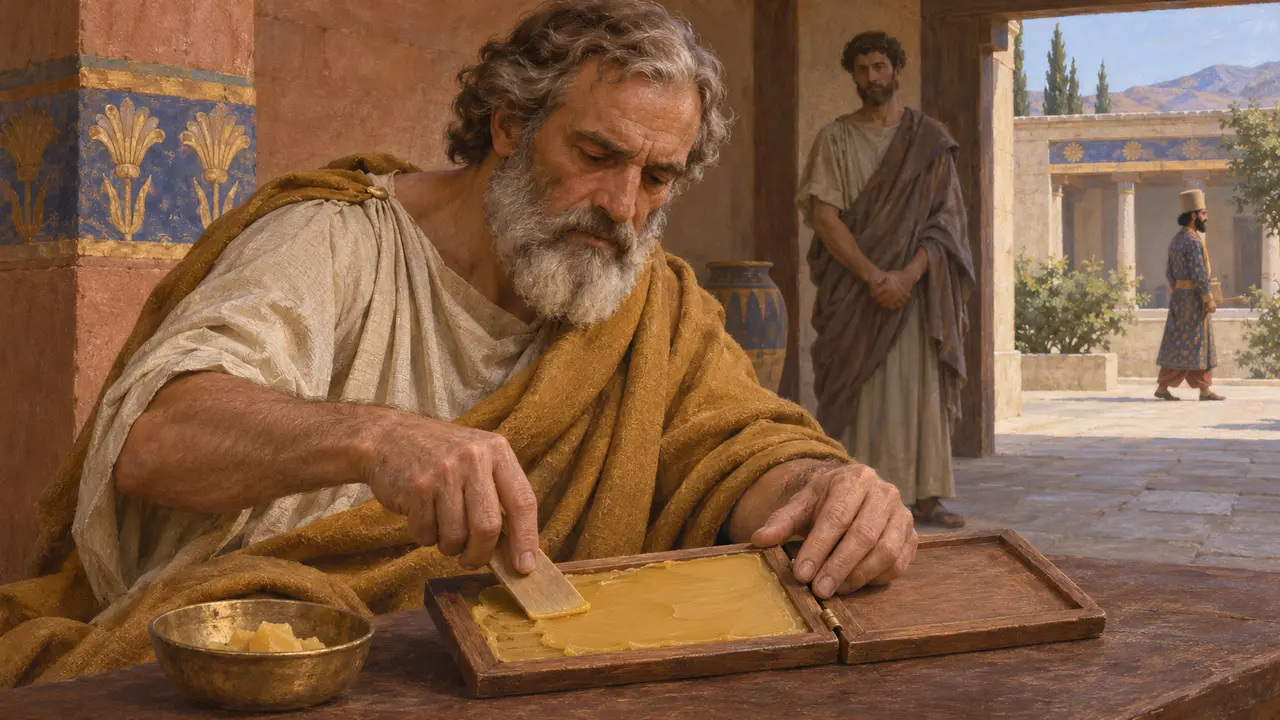
DisputedHistorians treat the Doriscus dialogue as largely Herodotus's own composition, setting free Greeks ruled by law against subjects ruled by one man. Herodotus also credits Demaratus with advising Xerxes on the succession, while adding that Xerxes would have become king anyway through Atossa's power. His tale of a warning sent to Sparta under the wax of a writing tablet is doubted, by Herodotus as to motive and by some scholars as a later addition.
Herodotus 7.3; 7.104; 7.239
The story of his birth
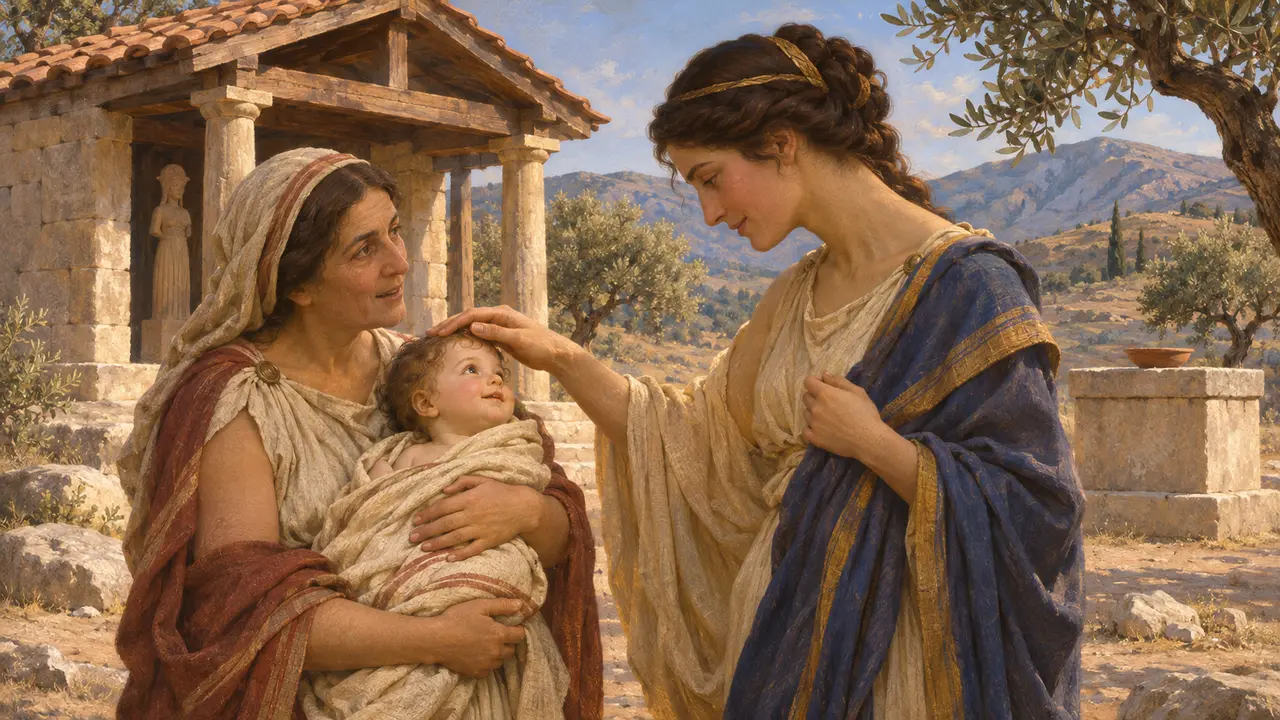
Later legendHerodotus gives a folk tale behind the doubt over his birth. His mother, an ugly infant, was made beautiful by a woman who appeared at Helen's shrine, and Ariston later won her from his friend Agetus by a trick. She is said to have told Demaratus that his father was either Ariston or the hero Astrabacus, who came to her in Ariston's likeness. The tale has the shape of a story, not a record.
Herodotus 6.61-63; 6.68-69
Sources
- Herodotus 6.61-70
- Herodotus 7.3, 7.101-104, 7.209, 7.234-237, 7.239
- Herodotus 5.75
- Xenophon, Hellenica 3.1.6
- P. Briant, From Cyrus to Alexander, 2002
- P. Cartledge, Sparta and Lakonia, 1979