The kings of Sparta and the ephors
Sparta's two hereditary kings and five yearly magistrates, Laconia, 6th-5th centuries BCE
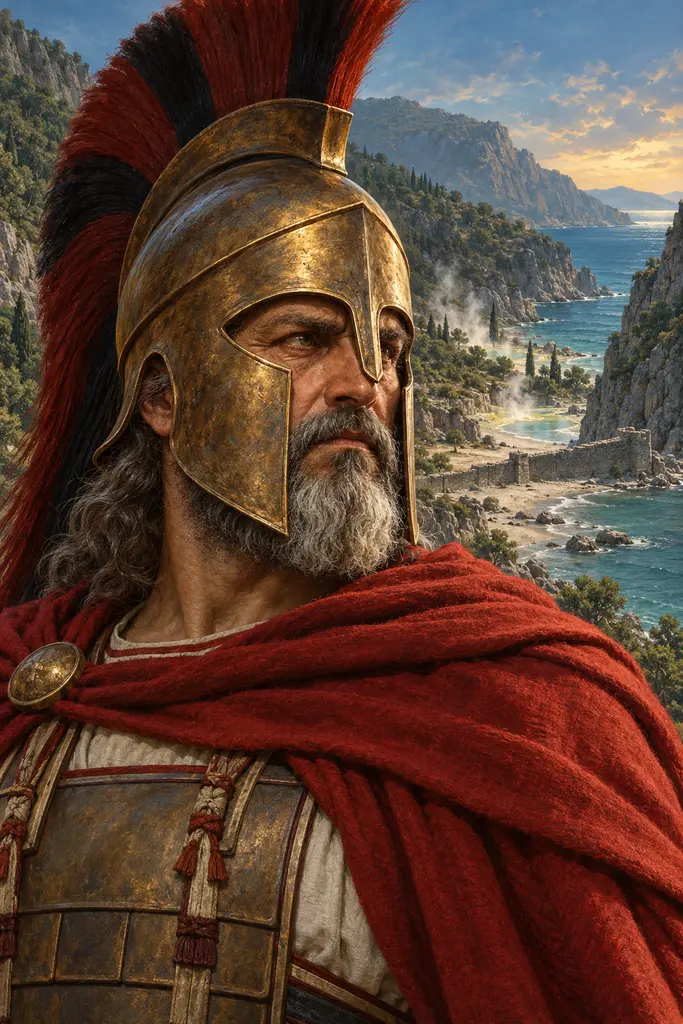
Sparta had two kings at once, one from each of two royal houses, who led its armies and held priesthoods for life. Beside them stood five ephors, elected each year, who could summon, judge and restrain the kings. This double system shaped how Sparta met Persia, from refusing help to the Ionian revolt to the campaigns of Thermopylae, Plataea and Mycale.
In the game: The game presents Leonidas, Cleomenes, Demaratus and Leotychides as Spartan kings, and Pausanias as regent rather than king. This follows Herodotus, who says Pausanias commanded at Plataea for Leonidas's young son.
Two royal houses
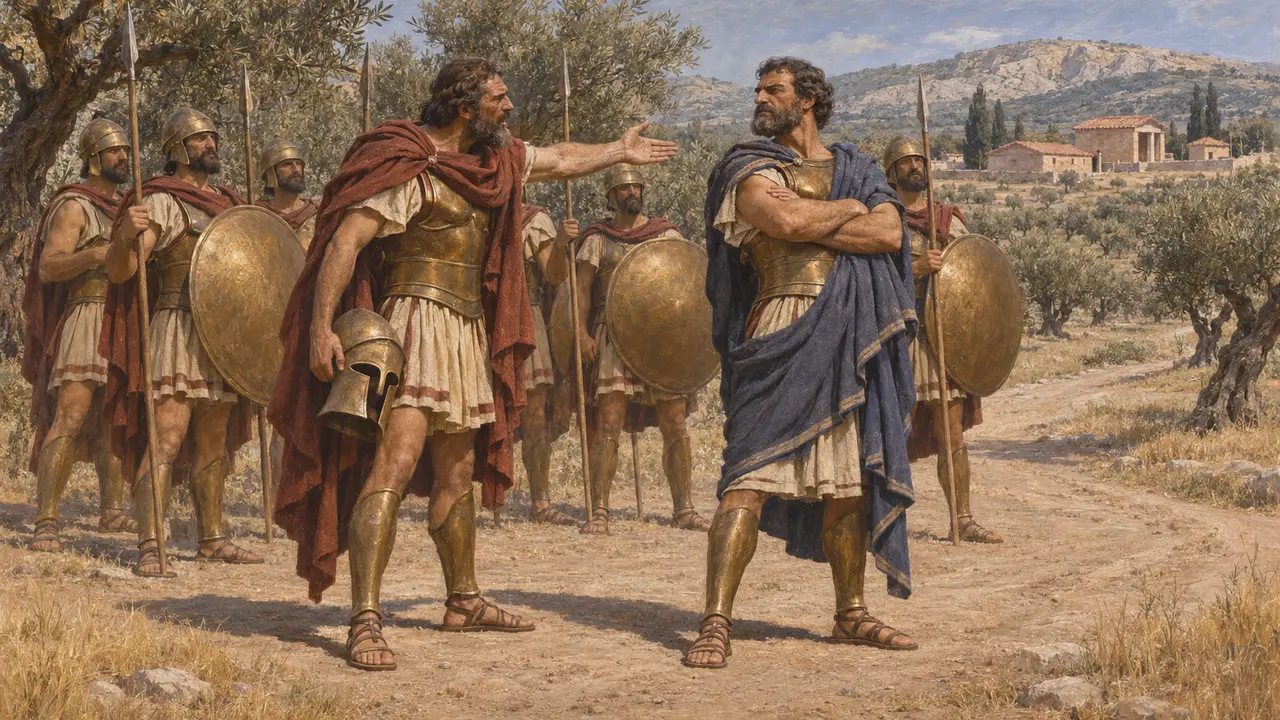
Ancient accountHerodotus says the Agiad and Eurypontid houses ruled side by side, each claiming descent from Heracles. He lists the kings' privileges: priesthoods, a double share at sacrifices, command in war and an elaborate public mourning at death. He reports that Cleomenes and Demaratus quarrelled on campaign near Eleusis in about 506, and that a law then barred both kings from going out with the army together.
Herodotus 5.75; 6.51-52; 6.56-58
The ephors and their power
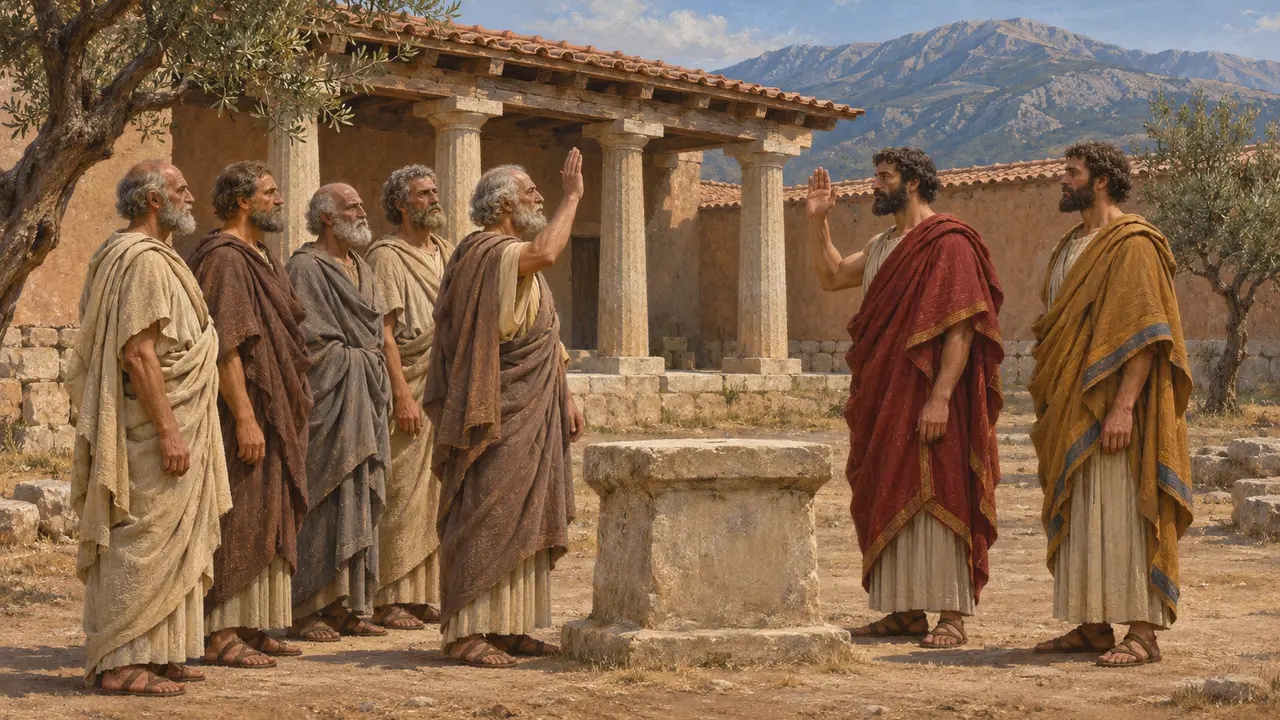
DisputedFive ephors were chosen yearly. Xenophon says they exchanged oaths with the kings each month: the kings swore to rule by the laws, and the city swore to uphold the kingship while they did. The origin of the office is argued over. Herodotus credits the lawgiver Lycurgus, while Plutarch says it was added later, under King Theopompus. In 479, Herodotus says, it was the ephors who delayed and then sent the army out to Plataea.
Xenophon, Constitution of the Lacedaemonians 15.7; Herodotus 1.65; 9.7-11; Plutarch, Lycurgus 7
Cleomenes, Demaratus and Persia
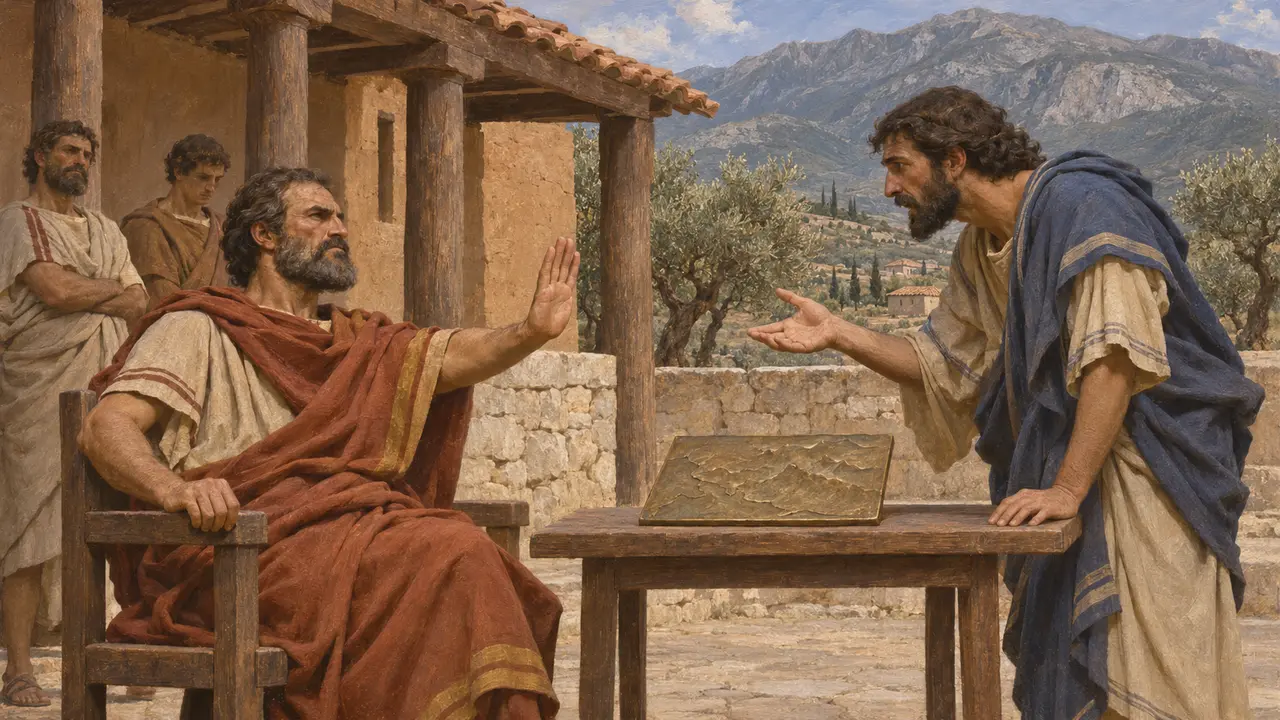
Ancient accountHerodotus tells how Cleomenes refused Aristagoras's appeal for help against Persia in about 499 when he learned Susa lay three months inland. Cleomenes later had his fellow king Demaratus deposed on a charge of illegitimacy, backed by a bribed Delphic priestess, and Leotychides took his throne. Demaratus fled to Darius and later advised Xerxes on the march into Greece.
Herodotus 5.49-51; 6.61-70; 7.101-104
Leonidas, Pausanias and Leotychides
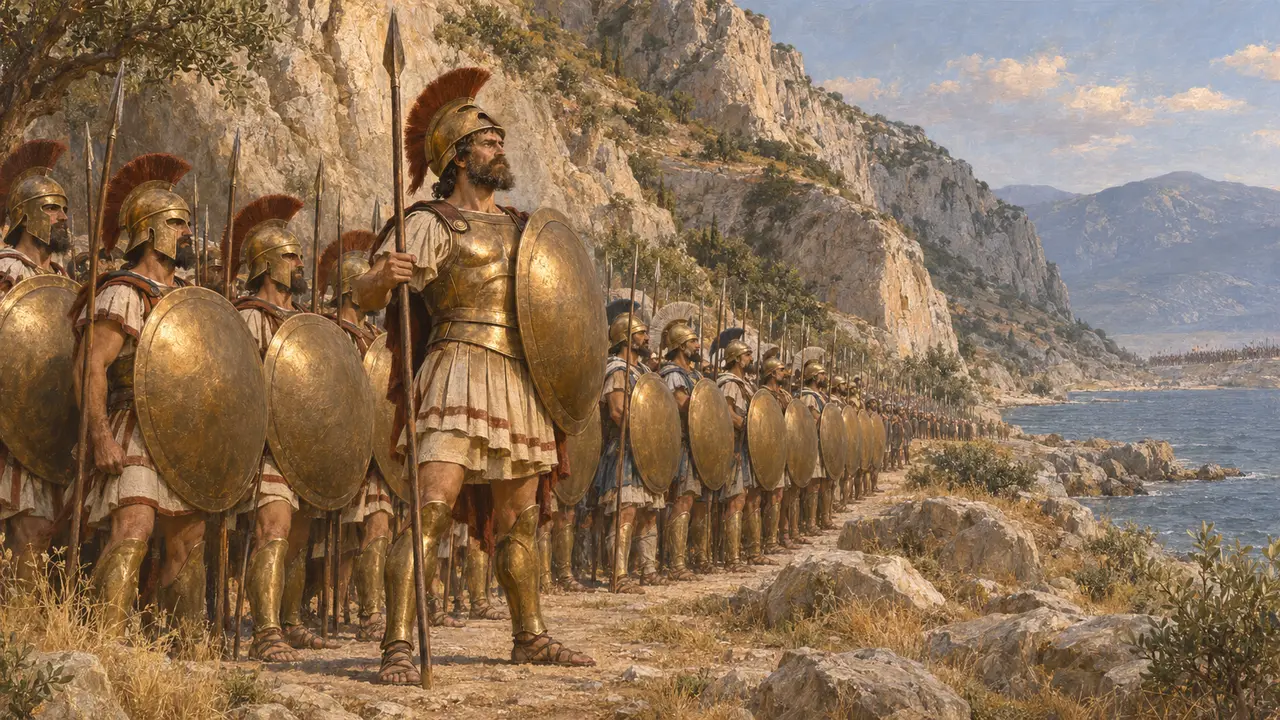
Ancient accountIn 480 Leonidas, the Agiad king, held Thermopylae with allies and 300 Spartans, chosen, Herodotus says, from men who had living sons. He died there. Because his son Pleistarchus was a boy, his nephew Pausanias commanded the Greek army at Plataea in 479 as regent. In the same year Leotychides, the Eurypontid king, led the Greek fleet and landed its troops to defeat the Persians at Mycale.
Herodotus 7.204-205; 7.220-224; 9.10; 9.96-106
The oracle of a king's death
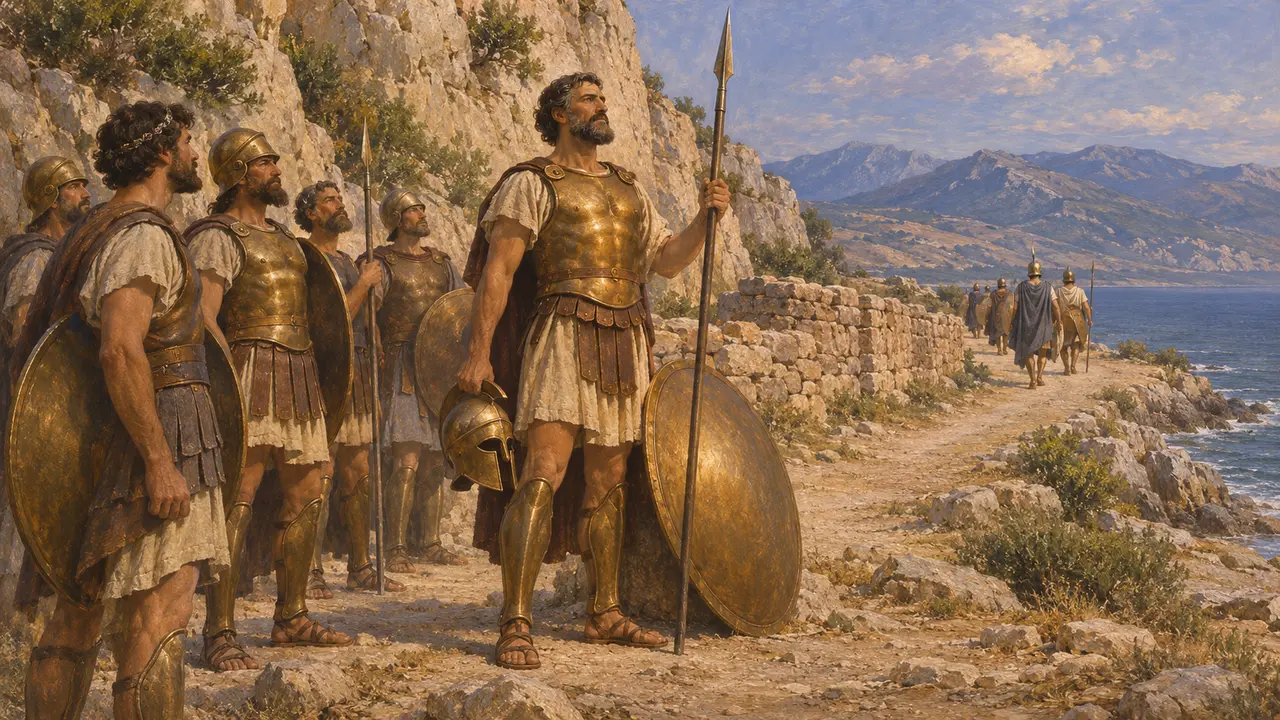
Later legendHerodotus reports a Delphic oracle given at the start of the war: either Sparta would be sacked by the Persians or Sparta would mourn a king of Heracles' line. He presents Leonidas as choosing to stay at Thermopylae partly to fulfil it and win glory for Sparta. The verses were probably shaped after the event, and the story works as a moral tale of royal sacrifice.
Herodotus 7.220
Sources
- Herodotus, Histories, books 1, 5-9
- Xenophon, Constitution of the Lacedaemonians
- Plutarch, Lycurgus
- Aristotle, Politics 2.9
- P. Cartledge, Sparta and Lakonia, 2002
- P. Cartledge, Agesilaos and the Crisis of Sparta, 1987