Aristagoras of Miletus
Deputy tyrant of Miletus and leader of the Ionian revolt, died about 497 BCE
In the game: Level 7: Sardis Burns
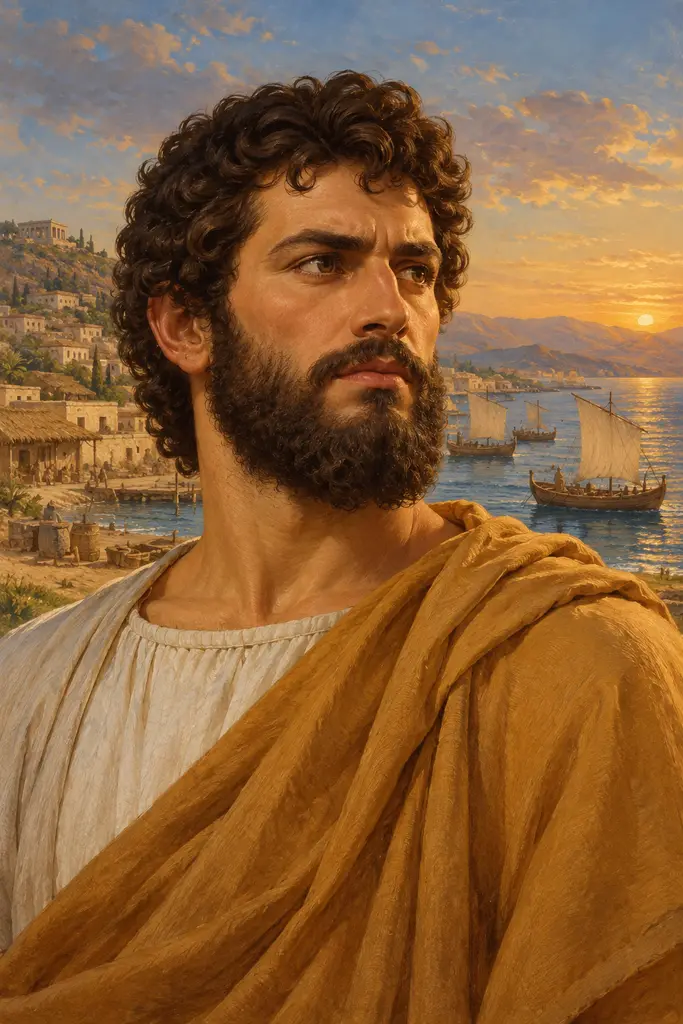
Aristagoras governed Miletus for his kinsman Histiaeus. In 499 he turned a failed Persian expedition against Naxos into a revolt of the Ionian cities. He brought Athenian and Eretrian ships into the war, and Herodotus saw this as the beginning of the long conflict between Persia and the Greeks.
In the game: The game names him only in its chronicle notes, as the tyrant of Miletus who led the revolt of 499 and won ships from Athens and Eretria. Strictly, he ruled Miletus as Histiaeus's deputy rather than in his own right.
Deputy at Miletus and the Naxos venture
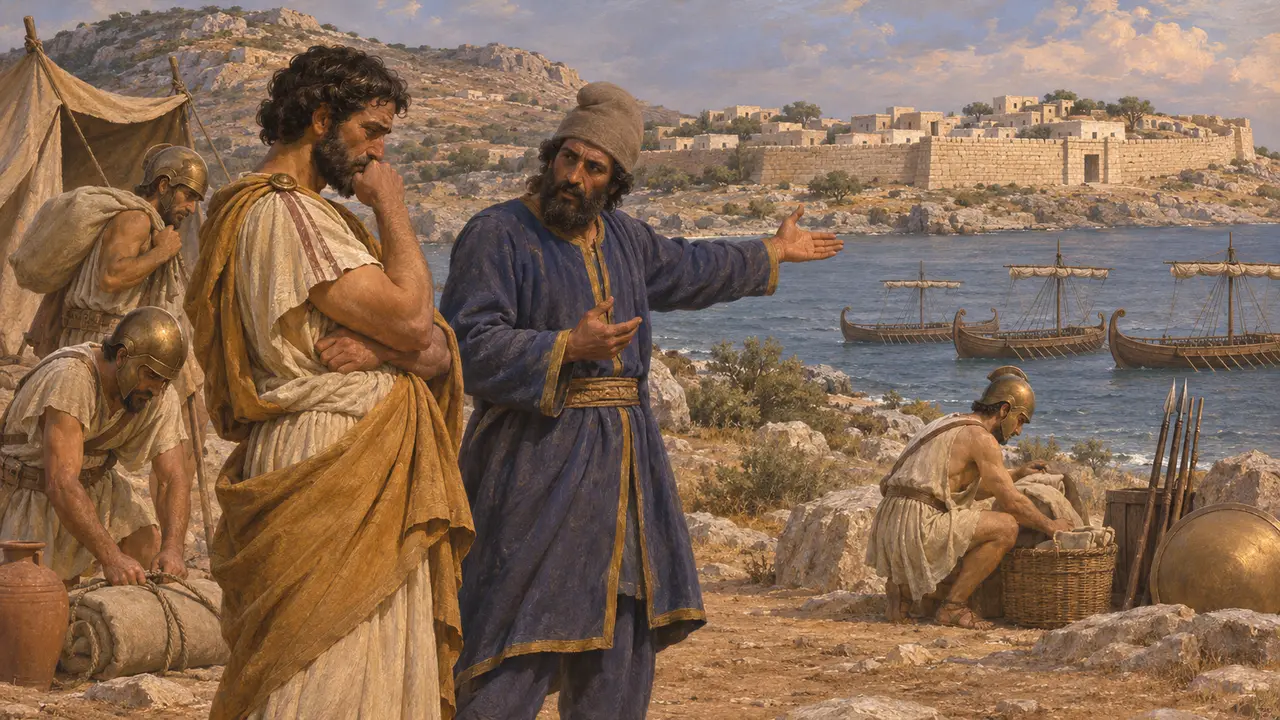
Ancient accountHerodotus says Aristagoras, son of Molpagoras, was the cousin and son-in-law of Histiaeus, the tyrant of Miletus whom Darius kept at his court. Aristagoras ruled the city as his deputy. When exiles from Naxos asked for help, he persuaded Artaphernes, satrap at Sardis, to back an attack, and Darius approved a fleet under Megabates. The siege lasted four months and failed, leaving Aristagoras unable to meet his promises.
Herodotus 5.30-35
Revolt and the search for allies
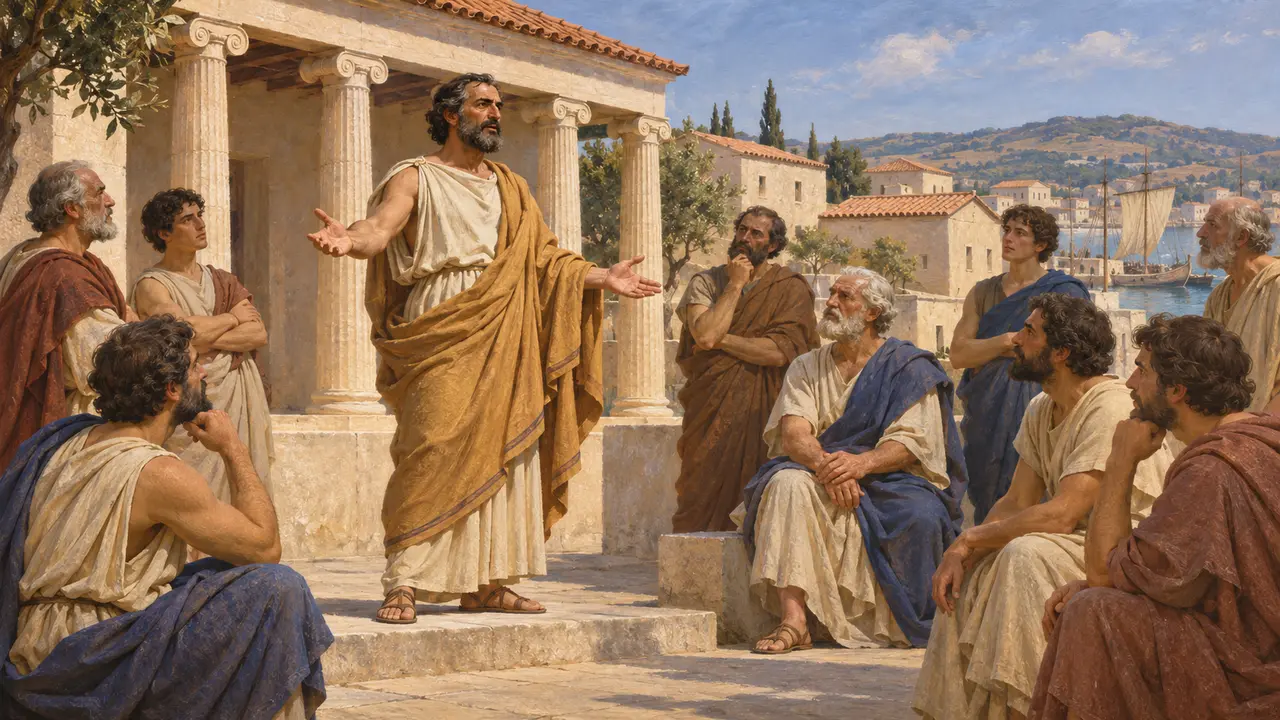
Ancient accountIn 499, Herodotus says, Aristagoras gave up his tyranny, proclaimed equal rights for the Milesians and had the Persian-backed tyrants of other Ionian cities seized. He then sailed to mainland Greece, where Cleomenes of Sparta refused him but Athens sent twenty ships and Eretria five. In 498 the allies marched inland and burned Sardis. Aristagoras stayed at Miletus and gave the command to his brother Charopinus and to Hermophantus.
Herodotus 5.37-38, 5.49-51, 5.97-102
Flight and death in Thrace
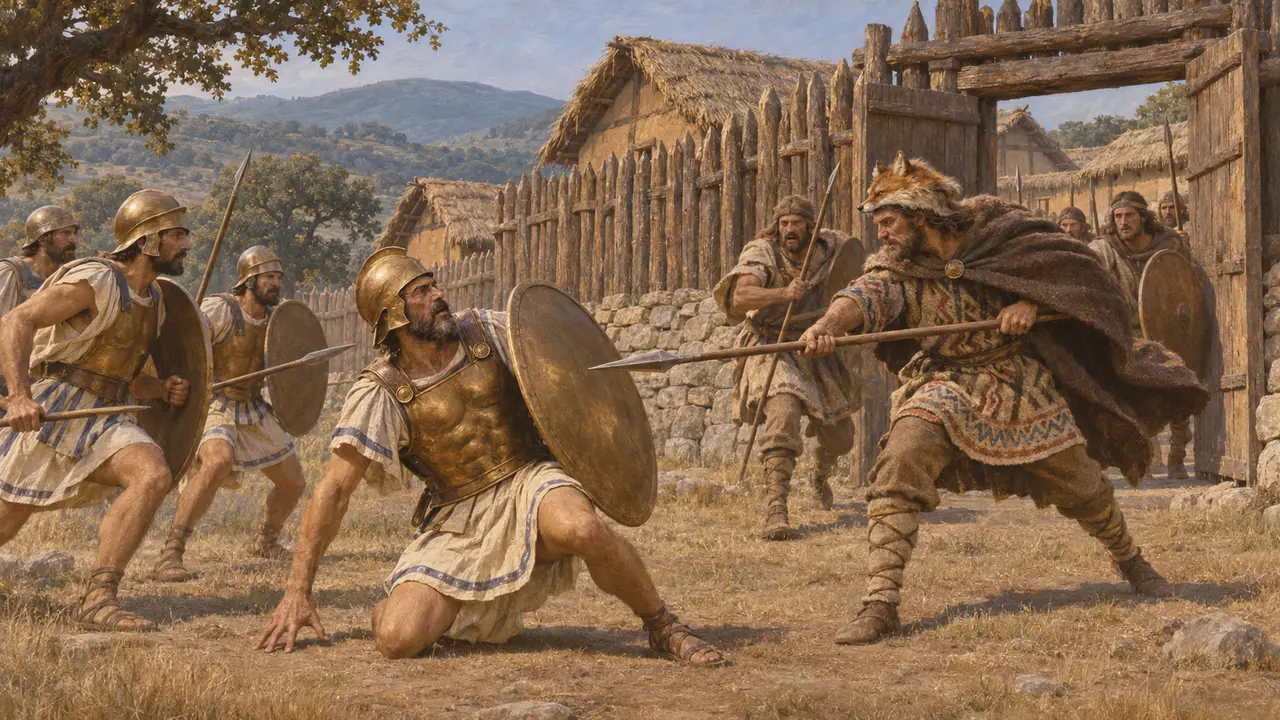
Ancient accountAfter Persian armies recovered Cyprus and the cities of the Hellespont and Caria, Aristagoras left Miletus, which Herodotus puts down to a lack of courage. He handed the city to a respected citizen named Pythagoras and sailed to Myrcinus, the Thracian town Darius had once granted to Histiaeus. Thracians killed him while he was besieging a nearby town, probably about 497 or 496. The revolt went on without him until the Ionian defeat at Lade in 494.
Herodotus 5.108-126
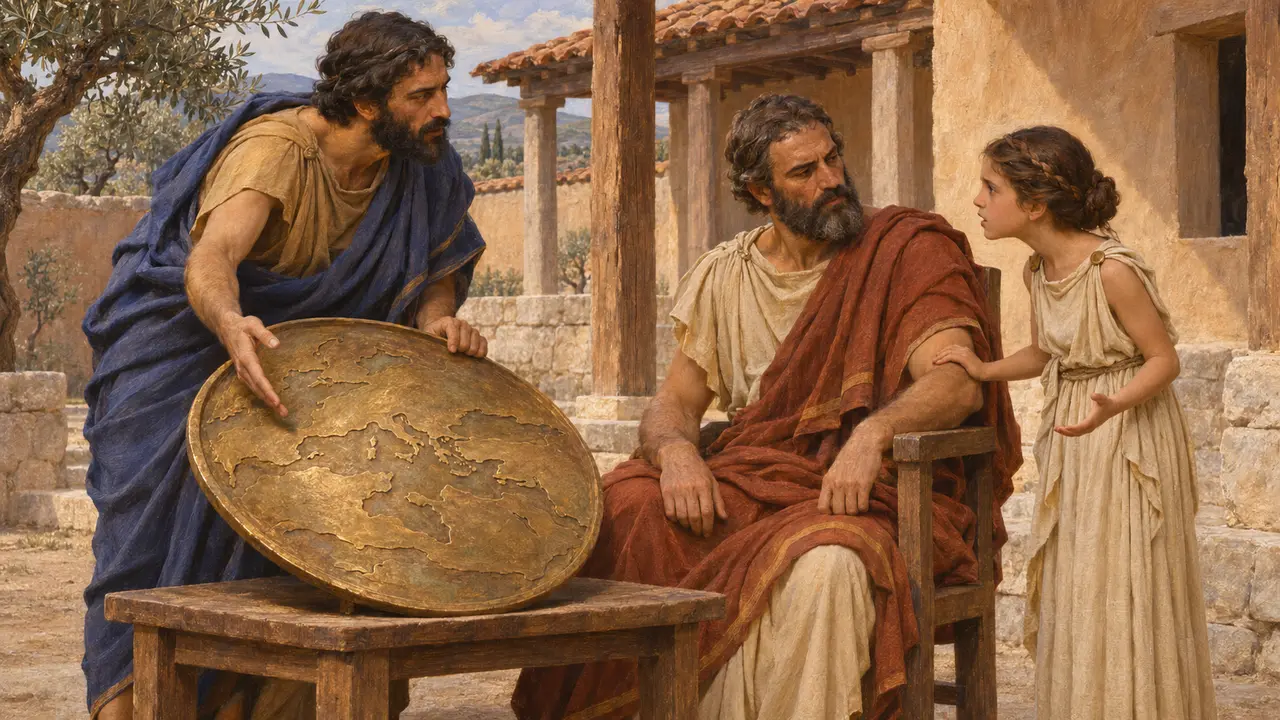
The tattooed scalp and the bronze map
Later legendHerodotus tells that Histiaeus, held at Susa, shaved a slave's head, tattooed on it a message urging revolt, and sent him once the hair had grown back. At Sparta, he says, Aristagoras showed Cleomenes a bronze map of the world and offered ever larger bribes, until the king's young daughter Gorgo warned her father that the stranger would corrupt him. Both stories have the shape of moral tales and cannot be checked.
Herodotus 5.35, 5.49-51
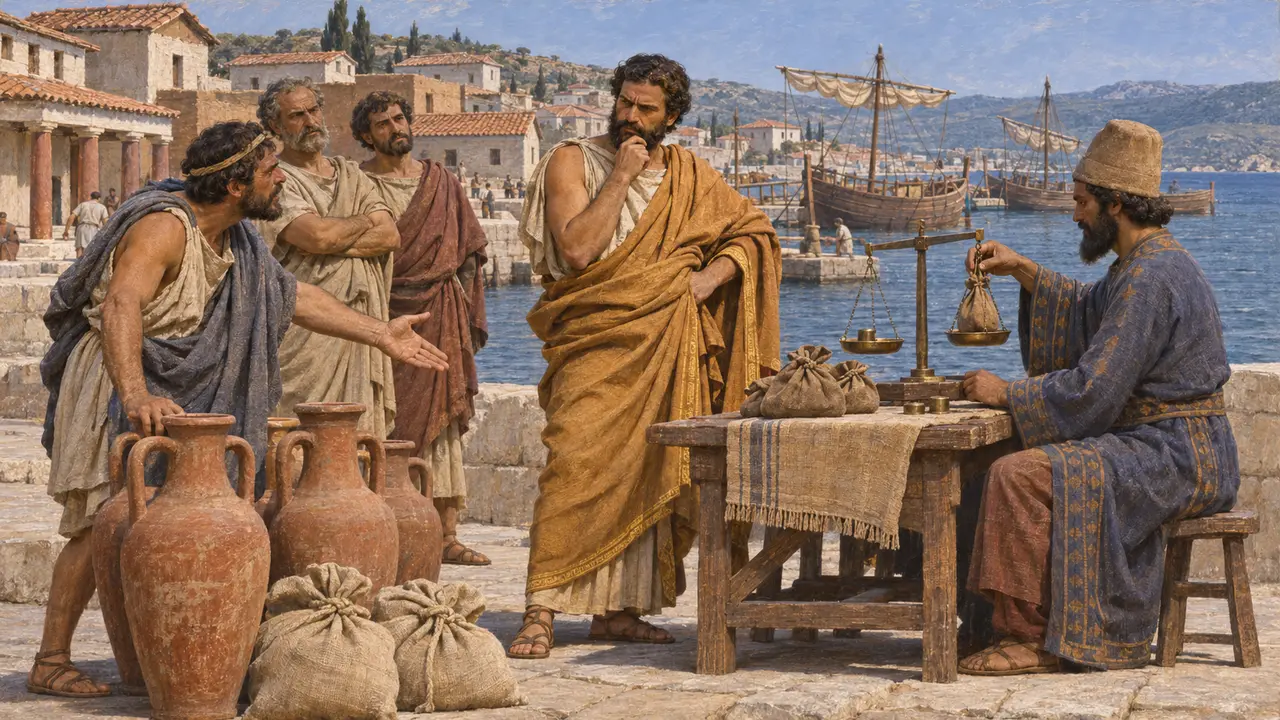
Why Ionia revolted
DisputedHerodotus explains the revolt through the private ambitions and fears of Aristagoras and Histiaeus. Modern historians look wider, and some point to resentment of tyrants imposed by Persia, the burden of tribute and military service, or pressure on Ionian trade. How much weight each cause deserves is still argued. No Persian text mentions Aristagoras, so these events are known only through Greek writers.
O. Murray, 'The Ionian Revolt', Cambridge Ancient History IV, 1988; P. Briant, From Cyrus to Alexander, 2002
Sources
- Herodotus, Histories, book 5 (5.30-38, 5.49-51, 5.97-126)
- O. Murray, 'The Ionian Revolt', Cambridge Ancient History IV, 1988
- P. Briant, From Cyrus to Alexander, 2002
- A. Kuhrt, The Persian Empire: A Corpus of Sources from the Achaemenid Period, 2007