Cyprus
Island of copper and small kingdoms in the eastern Mediterranean, 6th to 5th century BCE
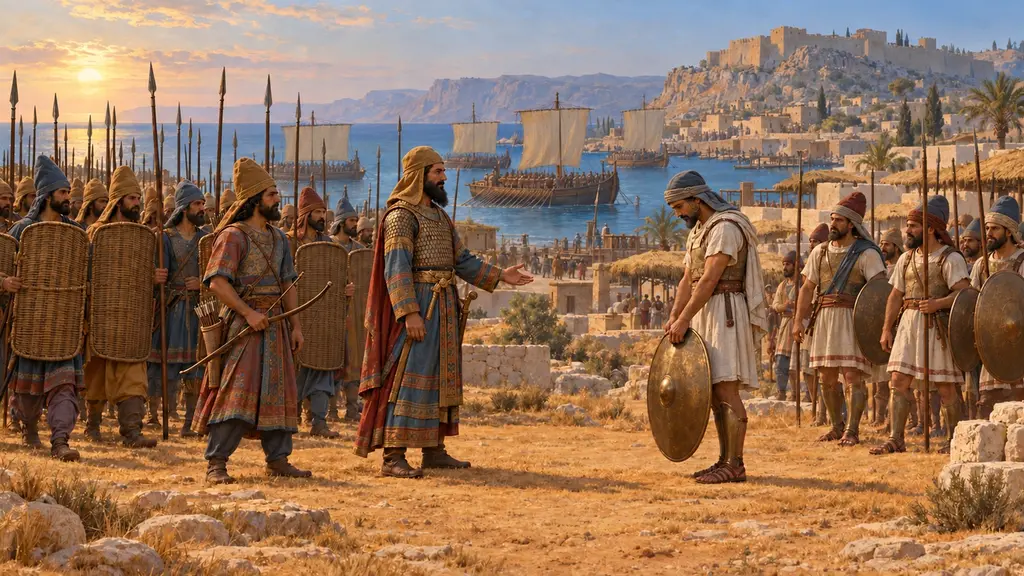
Cyprus was an island of Greek and Phoenician towns, each under its own king, rich in copper and timber. It passed to Persian rule under Cambyses, and in 498 most of its cities joined the Ionian Revolt under Onesilus of Salamis. The Persians crushed the rising within about a year.
In the game: Cyprus has no level or mechanic of its own. The game mentions it in the event articles on the revolt of Cyprus and Onesilus's rising, where the siege at Paphos is described.
An island of small kingdoms
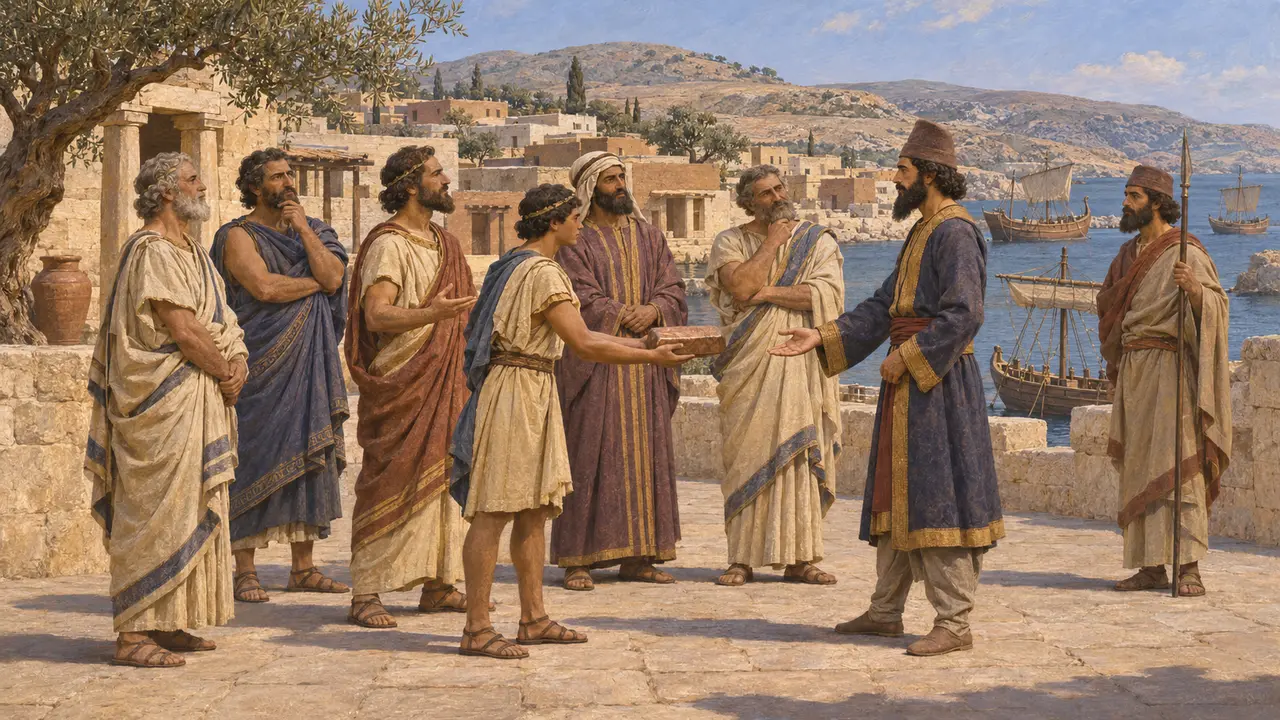
Ancient accountHerodotus describes Cyprus as divided among several kings, with Greek cities and a Phoenician settlement at Amathus. He says Amasis of Egypt had earlier conquered the island, and that the Cypriots gave themselves to Cambyses when he marched on Egypt. He lists them among the Darius-era tribute districts, together with the Phoenicians and Syrians.
Herodotus 2.182; 3.19; 3.91
Cyprus in the Persian fleet
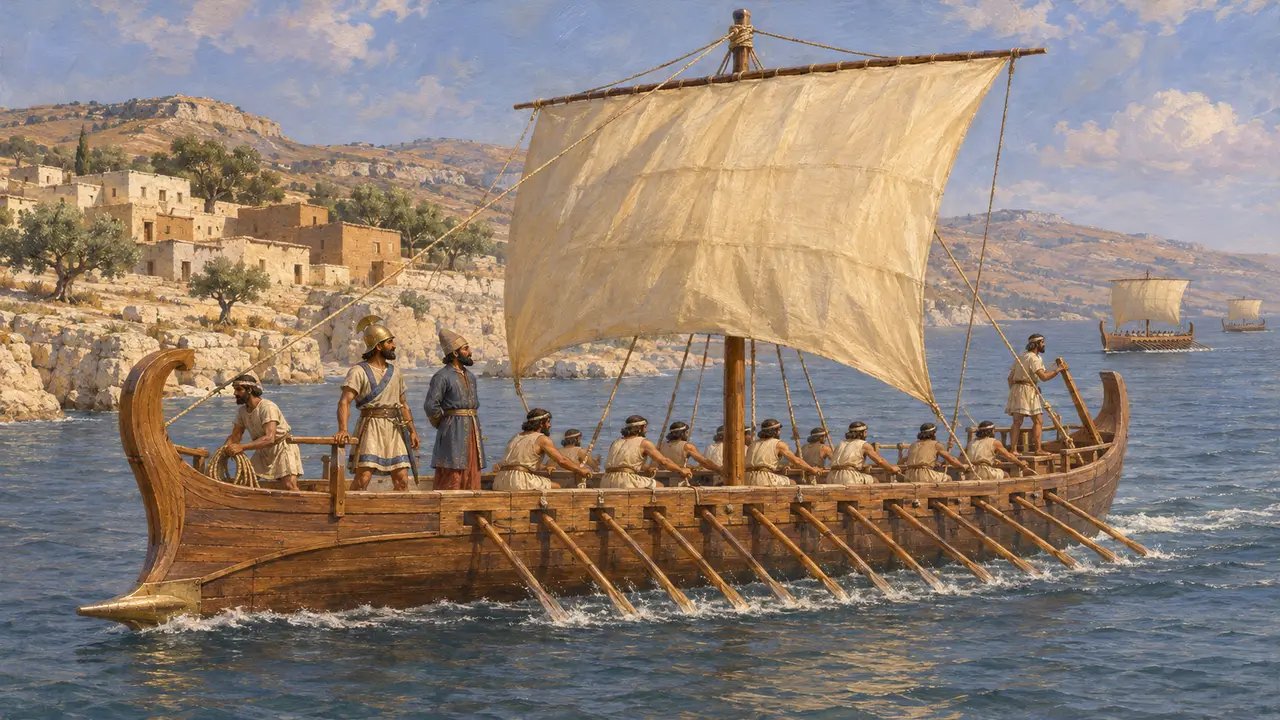
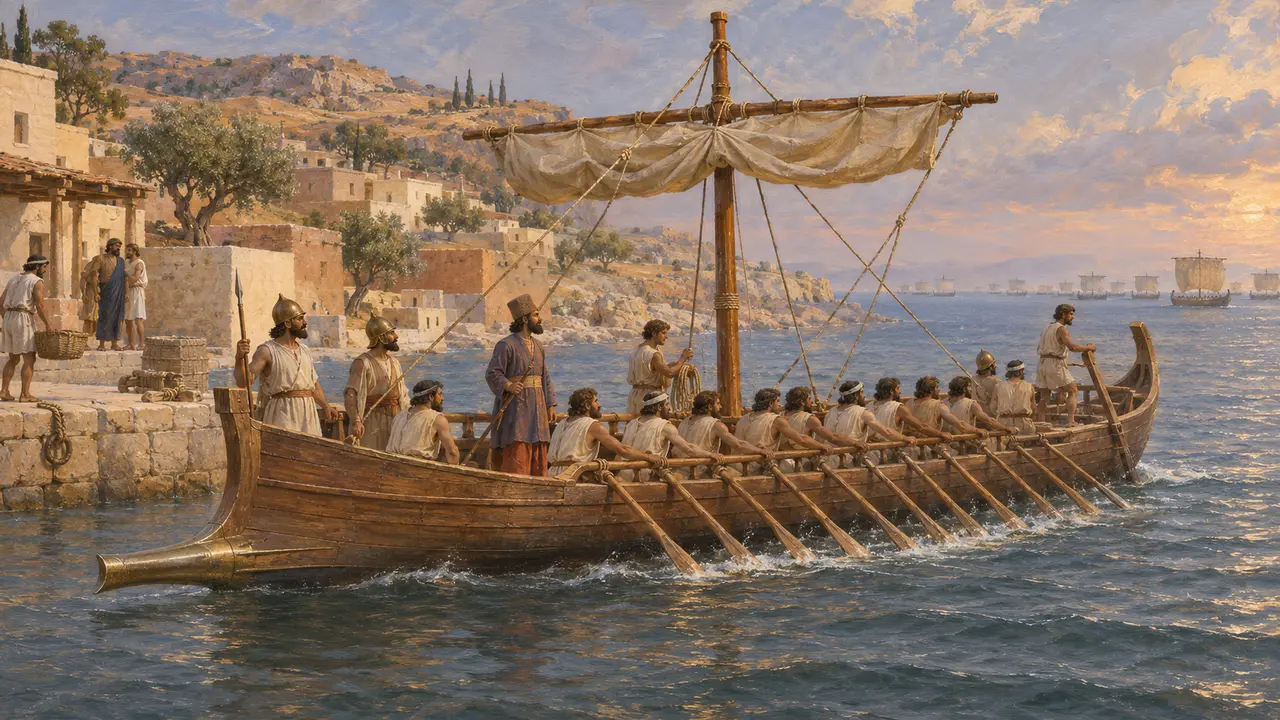
Ancient accountHerodotus reports that Cyprus supplied ships to Cambyses for the Egyptian campaign, and that the Cypriots again served in the fleet of Xerxes. He gives their number as 150 ships, a figure that is his own and probably too high. Persian rule seems to have left the local kings in place, but the sources say little about the terms.
Herodotus 3.19; 7.90
Onesilus and the revolt of 498
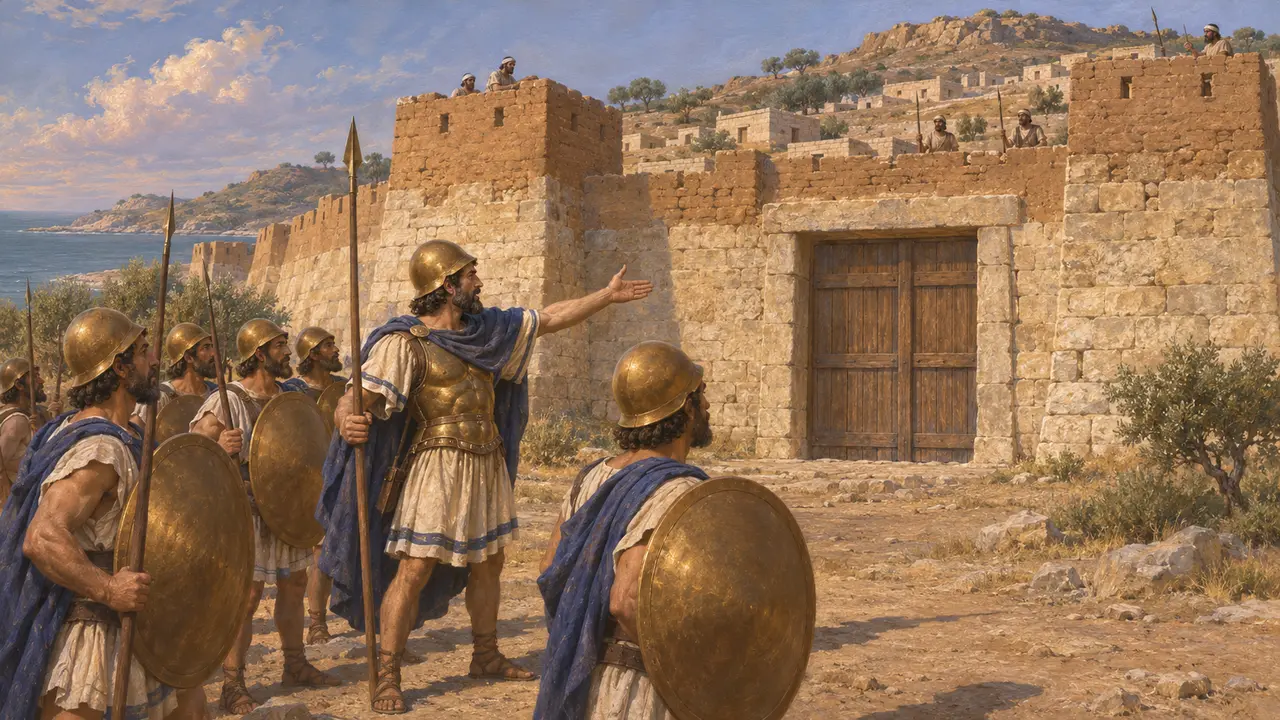
Ancient accountHerodotus says that Onesilus, brother of King Gorgus of Salamis, urged revolt, and that when Gorgus refused he shut him out of the city and took power. All the Cypriot cities joined except Amathus, and Onesilus besieged Amathus.
Herodotus 5.104
The Persian response
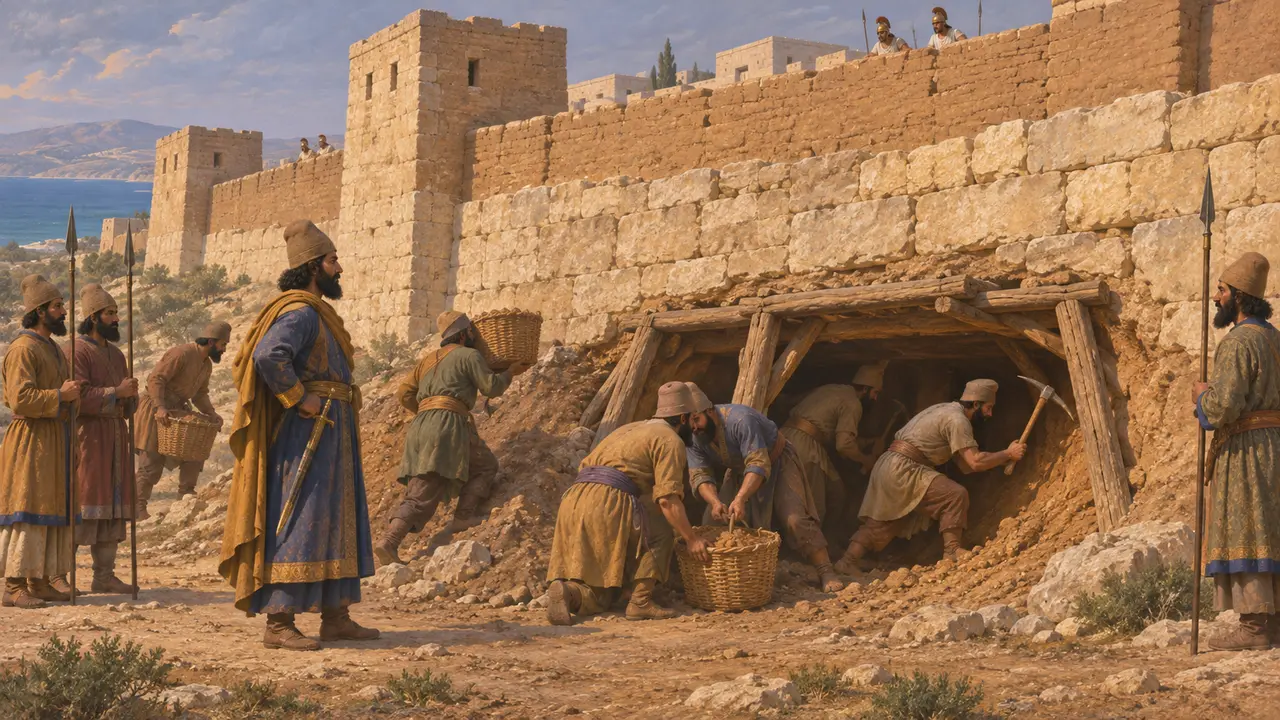
Ancient accountHerodotus says a Persian army under Artybius crossed from Cilicia, while a Phoenician fleet also came. The Ionians beat the Phoenicians at sea, but on land Onesilus was killed and the Salaminian chariots and the king of Curium changed sides. The Persians then besieged the remaining cities, and Soli held out for about five months before it fell to mining.
Herodotus 5.108-5.115
The ramp at Paphos
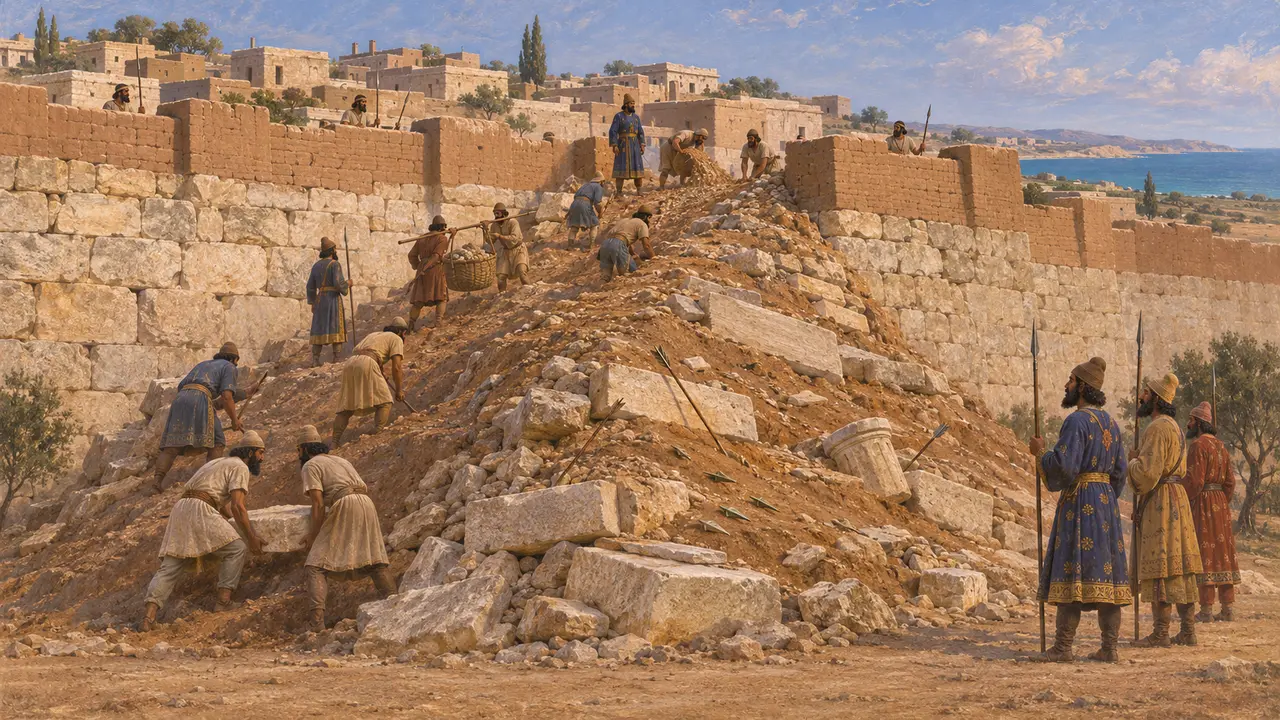
DisputedExcavations at Palaepaphos found a large siege ramp built against the city wall, made partly of stone from nearby sanctuaries and containing many weapons. Most scholars link it to a Persian attack in the revolt of about 498, but the date and the details of the assault are argued. Herodotus does not describe this siege, so the ramp is the main evidence for it.
V. Karageorghis and F. G. Maier, Paphos: History and Archaeology, 1984
Afterwards
Ancient accountHerodotus says Cyprus was enslaved again after one year of freedom. Cypriot ships later served in Xerxes' fleet. Little is known of Persian rule there after 497.
Herodotus 5.116; 7.90
Sources
- Herodotus 5.104-5.116
- Herodotus 3.19
- Herodotus 7.90
- V. Karageorghis and F. G. Maier, Paphos: History and Archaeology, 1984
- P. Briant, From Cyrus to Alexander, 2002