Encyclopedia › Battles and events
The Ionian Revolt
Rising of the Greek cities of Asia Minor against Darius, about 499-494 BCE
In the game: Level 7: Sardis Burns
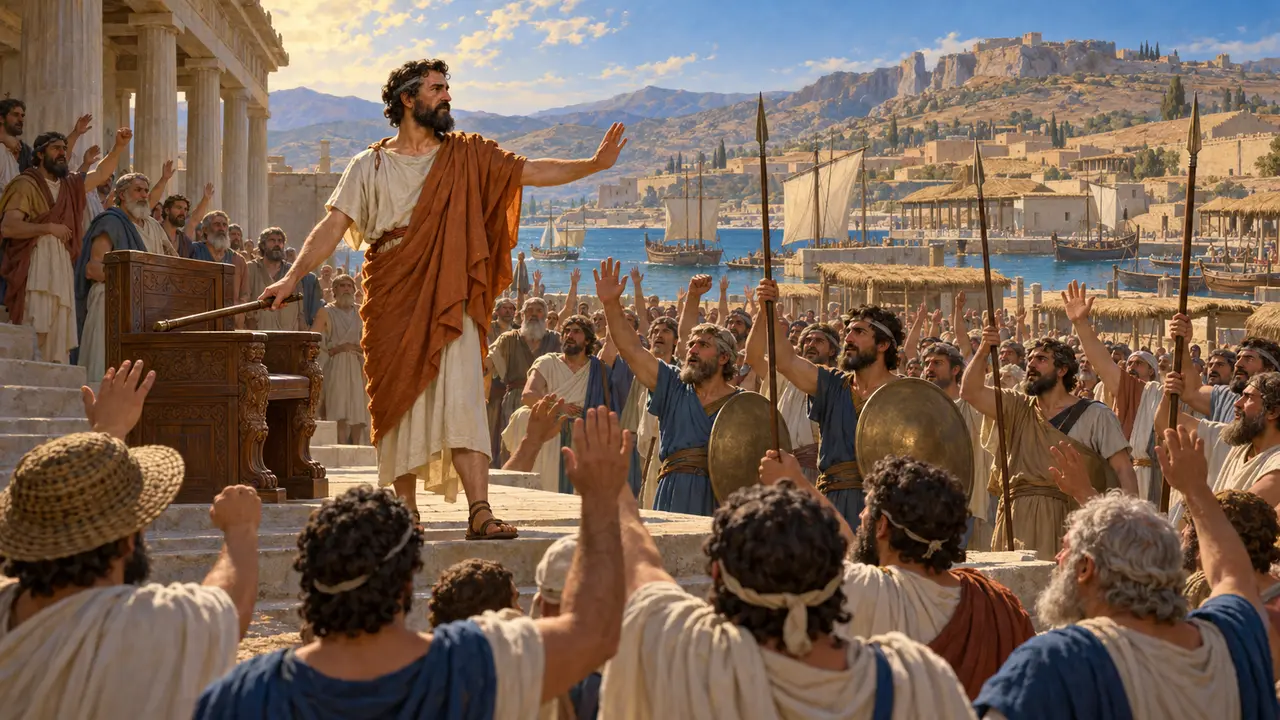
The Ionian Revolt was the rising of the Greek cities of western Asia Minor against Darius, which began at Miletus in about 499 and was broken with the fall of Miletus in 494. Athens and Eretria helped burn Sardis, which Herodotus presents as the start of the Persian quarrel with mainland Greece. Almost everything known about the revolt comes from his Histories.
In the game: The Sardis level is built around the revolt, with Ionian ports and tribute closed to the King. Herodotus's 400 talents covered a whole tax district, Carians and Lycians included, not Ionia alone.
How the revolt began
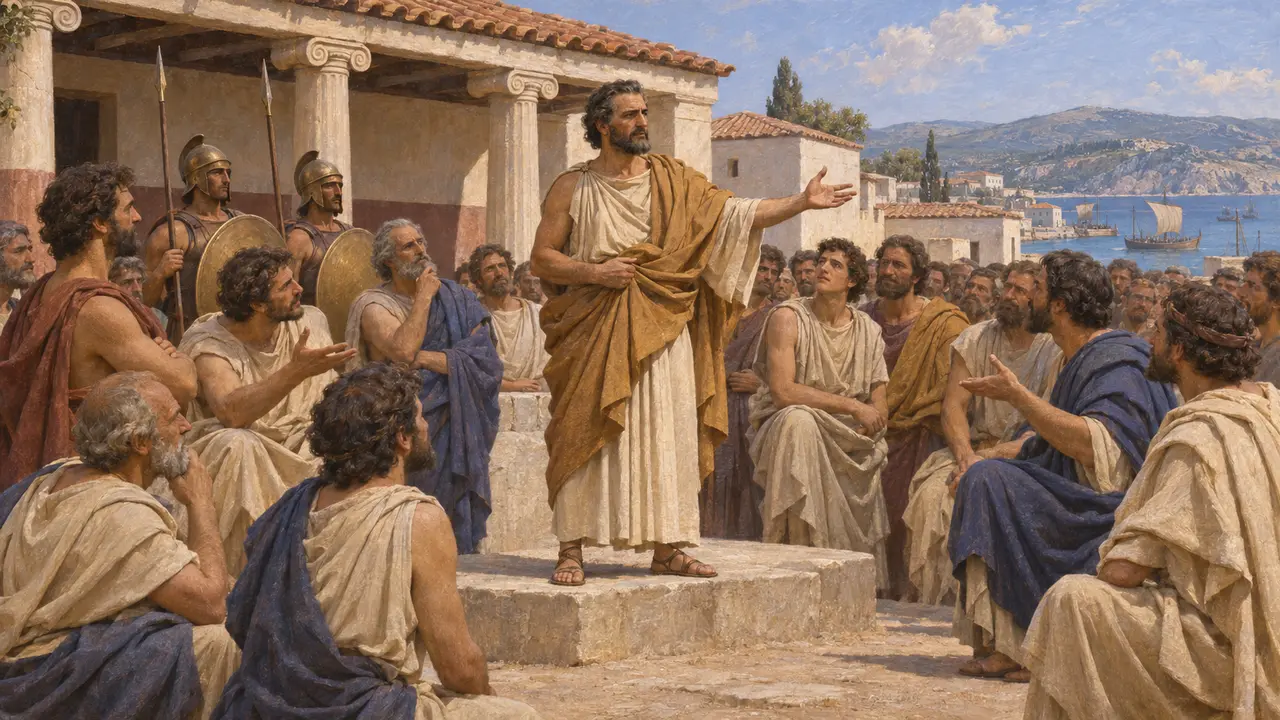
Ancient accountIn Herodotus's telling the revolt grew out of a failed Persian attack on Naxos in about 499, urged on Artaphernes by Aristagoras, deputy ruler of Miletus. Fearing for his position, and prompted by a secret message from his kinsman Histiaeus, held at Susa, Aristagoras turned against the King. Herodotus says he gave up his tyranny only in pretence and proclaimed equal rights at Miletus, while the other Ionian cities expelled their tyrants.
Herodotus 5.30-38
Allies from Greece and the burning of Sardis
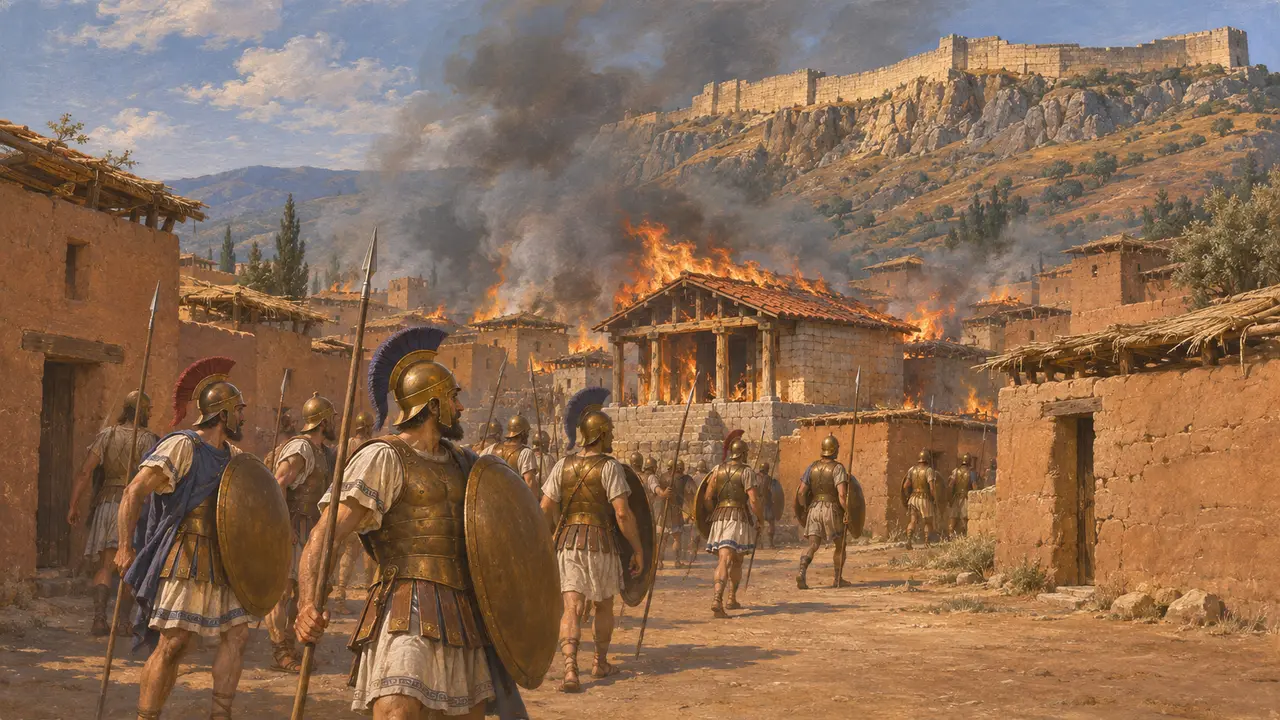
Ancient accountHerodotus says Cleomenes of Sparta refused to help once he learned that Susa lay three months' march from the sea. The Athenians voted twenty ships and the Eretrians five, and Herodotus calls these ships the start of troubles for Greeks and barbarians alike. In 498 the allies took the lower town of Sardis, which burned along with its temple of Cybebe, while Artaphernes held the citadel. They were beaten near Ephesus on the way back, and the Athenians went home.
Herodotus 5.49-51, 5.97-103
Spread of the revolt and the fall of Miletus
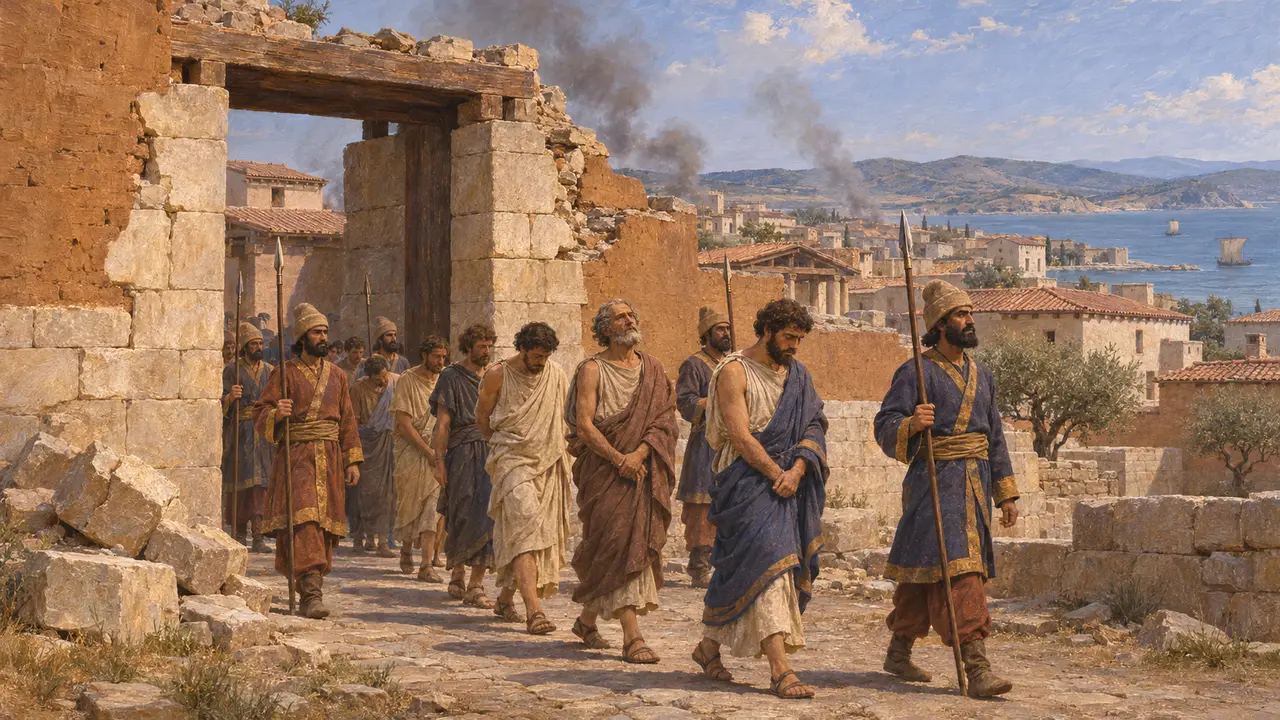
Ancient accountAfter Sardis the revolt spread to Byzantium and the Hellespont, to Caria and to Cyprus, where Onesilus of Salamis led a rising that was crushed within a year. Persian armies retook the Hellespont towns and fought hard battles in Caria. In 494 the Ionian fleet met the royal fleet off Lade, where most of the Samian ships deserted. Miletus was then taken, its men killed or deported, and the shrine at Didyma burned.
Herodotus 5.103-126, 6.6-21
Why the cities rose
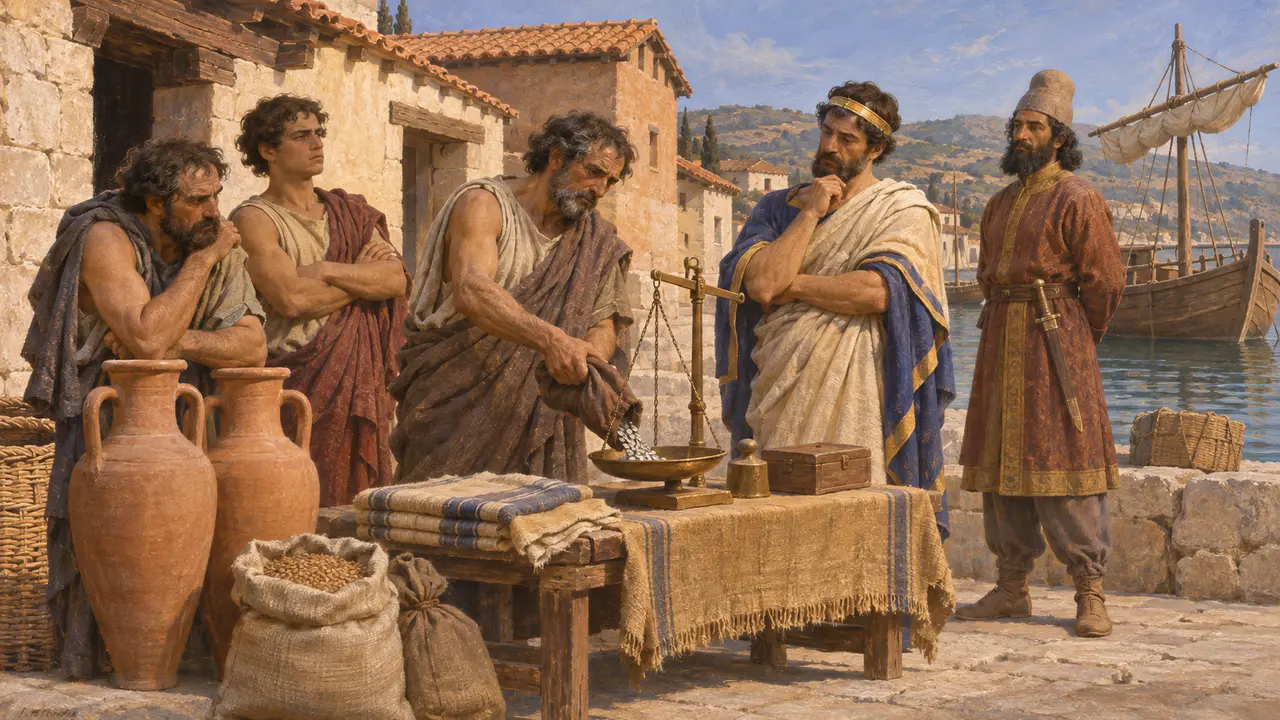
DisputedHerodotus explains the revolt mainly through the personal ambitions of Aristagoras and Histiaeus, and he writes of the Ionians with little sympathy. Modern historians look for wider causes. These include resentment of tyrants who ruled with Persian backing, the weight of tribute, and possible strains on trade. They also argue over whether the revolt began in 500 or 499.
O. Murray, The Ionian Revolt, Cambridge Ancient History IV, 1988
The silence of the Persian record
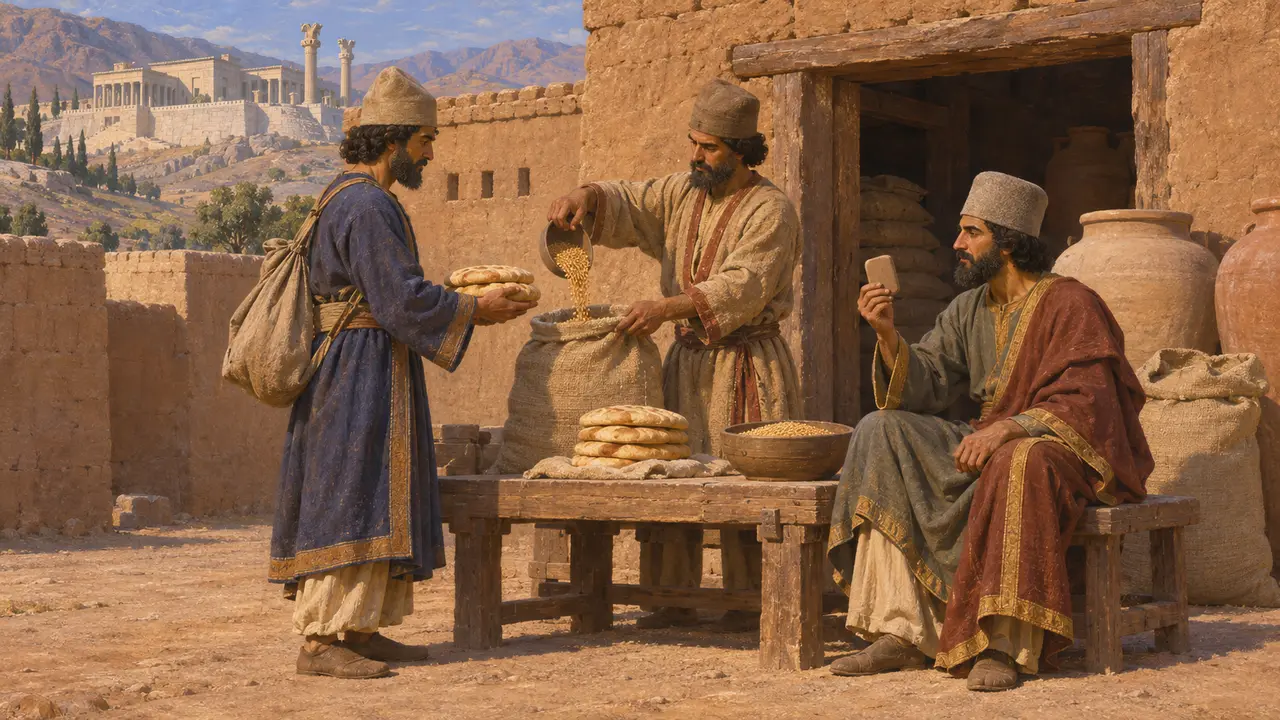
In the recordNo royal inscription of Darius mentions the revolt. The Persepolis Fortification archive may give one glimpse of it. A tablet of early 494 records travel rations for a man named Datiya on a journey to the King. David Lewis argued that this Datiya was Datis, later a commander at Marathon, but the identification is not certain.
D. M. Lewis, Datis the Mede, Journal of Hellenic Studies 100, 1980
Sources
- Herodotus, Histories, books 5 and 6
- O. Murray, The Ionian Revolt, Cambridge Ancient History IV, 1988
- P. Briant, From Cyrus to Alexander, 2002
- D. M. Lewis, Datis the Mede, Journal of Hellenic Studies 100, 1980
- P. Tozzi, La rivolta ionica, 1978