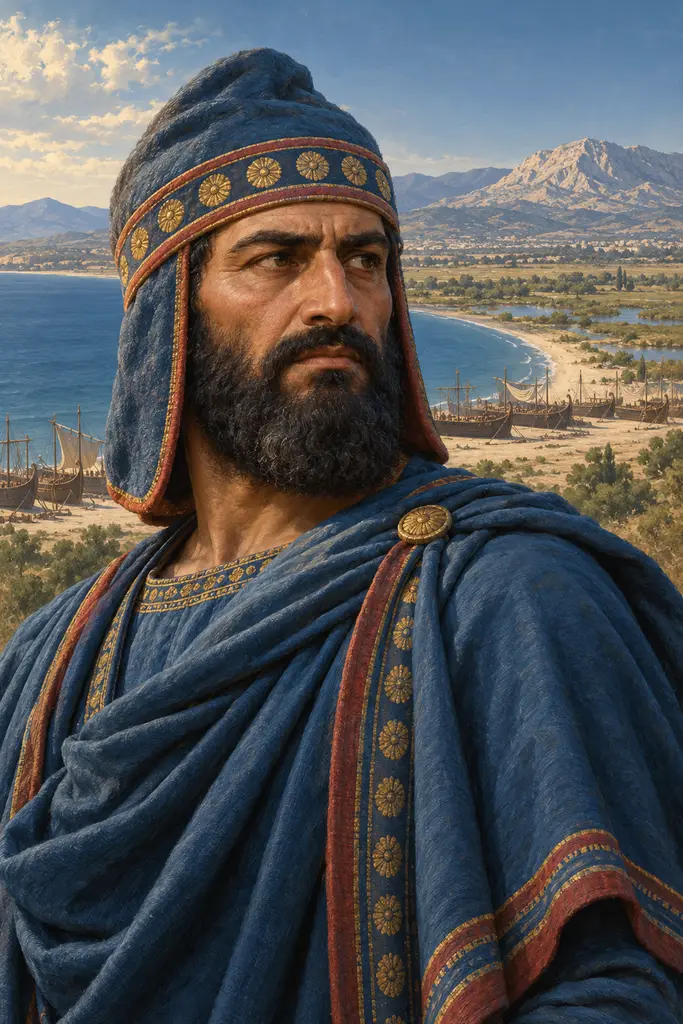
Datis the Mede
Median general of Darius I, commander of the expedition of 490 BCE
In the game: Level 8: The Bay of Marathon
Datis was a Mede who commanded the seaborne expedition Darius sent against Eretria and Athens in 490, sharing the command with Artaphernes the younger. He took Naxos and Eretria and treated Delos with respect, but his army was defeated at Marathon. He was one of several Medes who held high command under the Persian kings, and Greek writers remembered him as the face of the first invasion.
In the game: The Chronicle names Datis as the Median commander of 490 who spared Delos, took Eretria and lost at Marathon, which follows Herodotus. It leaves out that he shared the command with Artaphernes the younger.
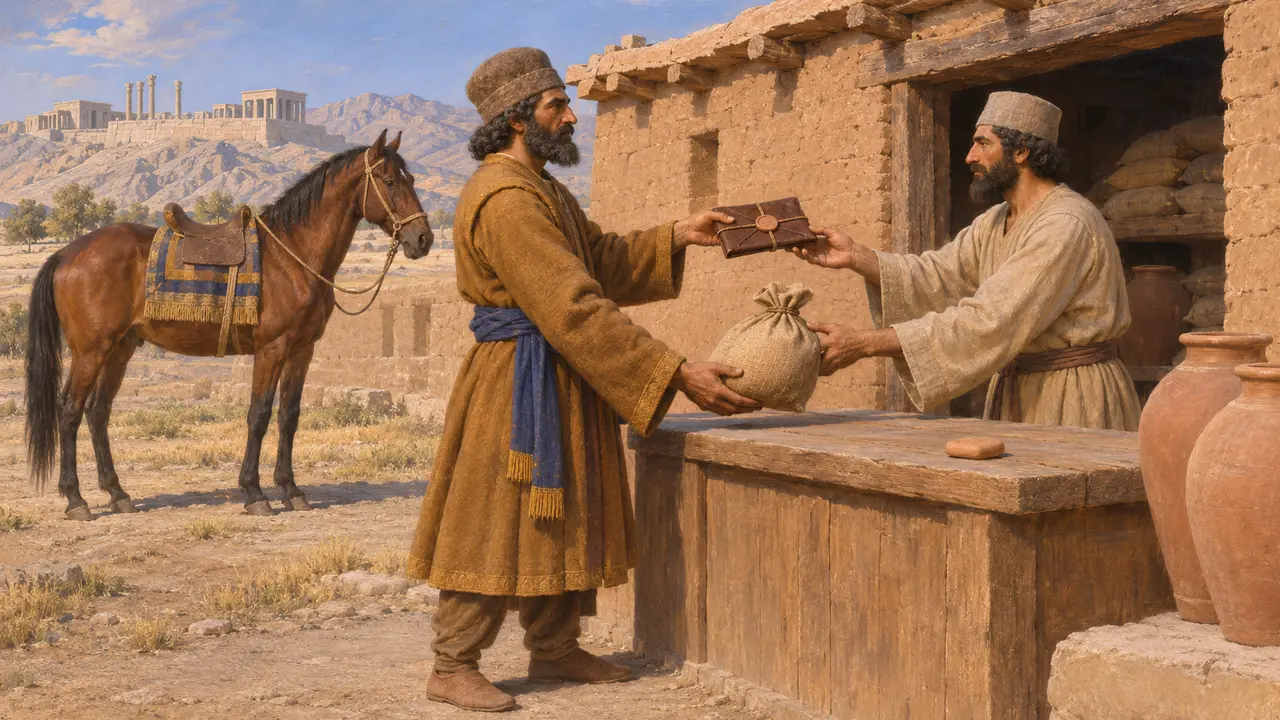
A Datiya on the Persepolis tablets
In the recordOne Persepolis Fortification tablet, dated to about 494, records travel rations for a man called Datiya who carried a sealed document of the King and was going to the King. David Lewis argued that this was Datis and linked his journey to the years of the Ionian revolt. If the identification is right, it is the only trace of him in Persian records, and it shows a trusted officer travelling on the royal ration system some years before Marathon.
D. Lewis, Datis the Mede, Journal of Hellenic Studies 100, 1980
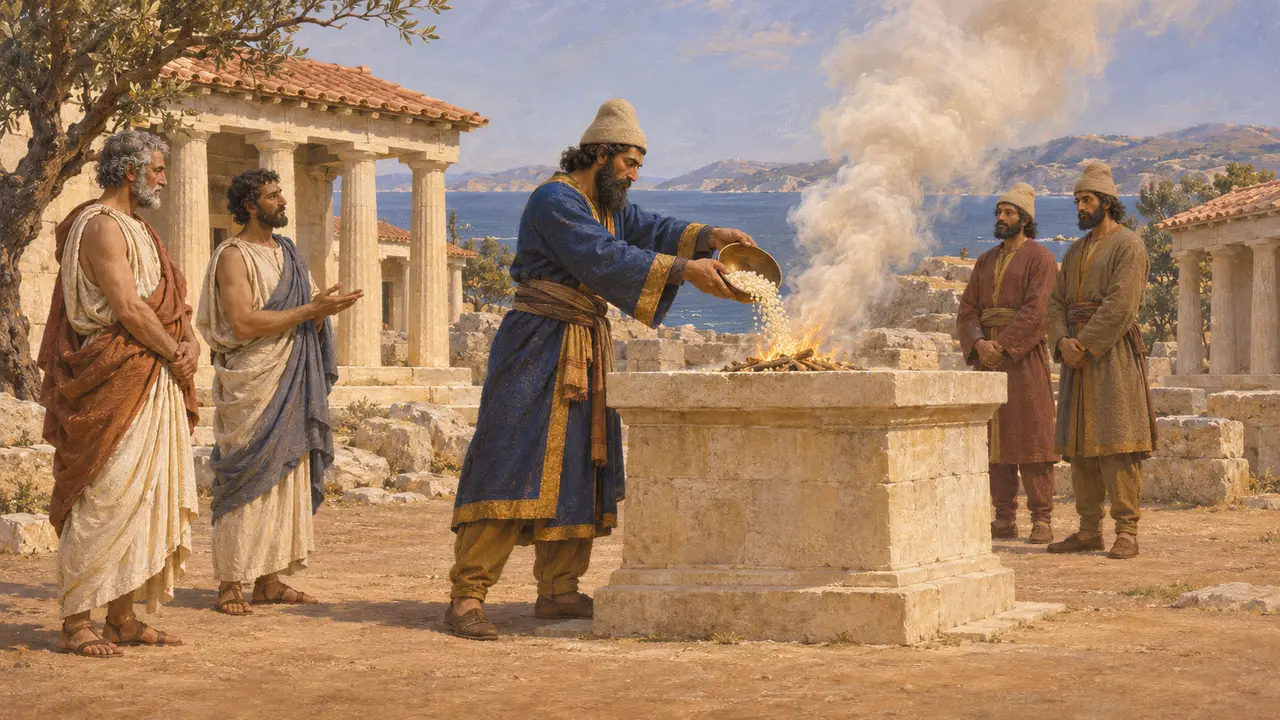
Naxos, Delos and Eretria
Ancient accountHerodotus says Darius gave the command to Datis, a Mede, and to his own nephew Artaphernes son of Artaphernes, in place of Mardonius. The fleet sailed from Cilicia through the islands and burned Naxos. At Delos Datis reassured the islanders and burned a large offering of frankincense on Apollo's altar. Eretria held out for six days until two citizens betrayed it; its temples were burned and its people taken captive.
Herodotus 6.94-101
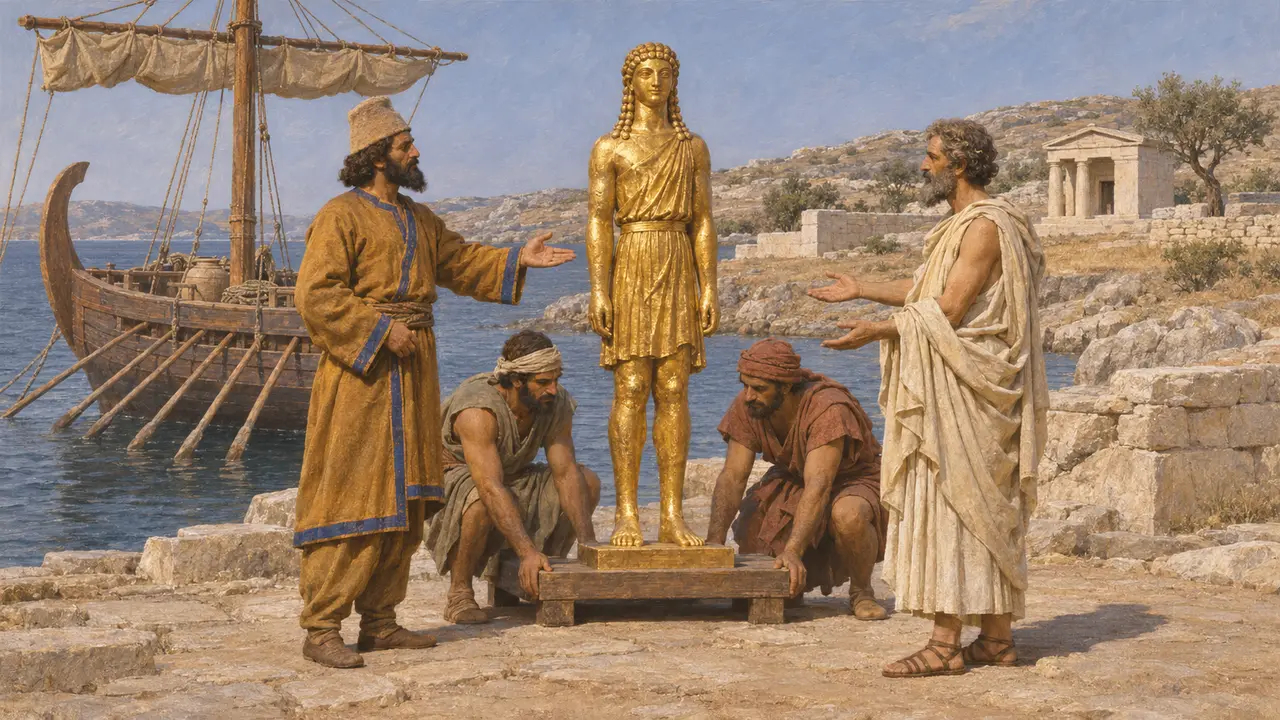
Marathon and the return
Ancient accountGuided by the exiled Athenian tyrant Hippias, the army landed at Marathon, where Athenians and Plataeans defeated it; Herodotus gives 6,400 Persian dead against 192 Athenians. Sailing home, Datis found a gilded statue of Apollo on a Phoenician ship and left it at Delos to be returned to Delium. He brought the Eretrian captives to Darius, who settled them at Ardericca in Cissia, and Herodotus later names two sons of Datis among Xerxes' cavalry commanders.
Herodotus 6.102-119; Herodotus 7.88
Did Datis die at Marathon
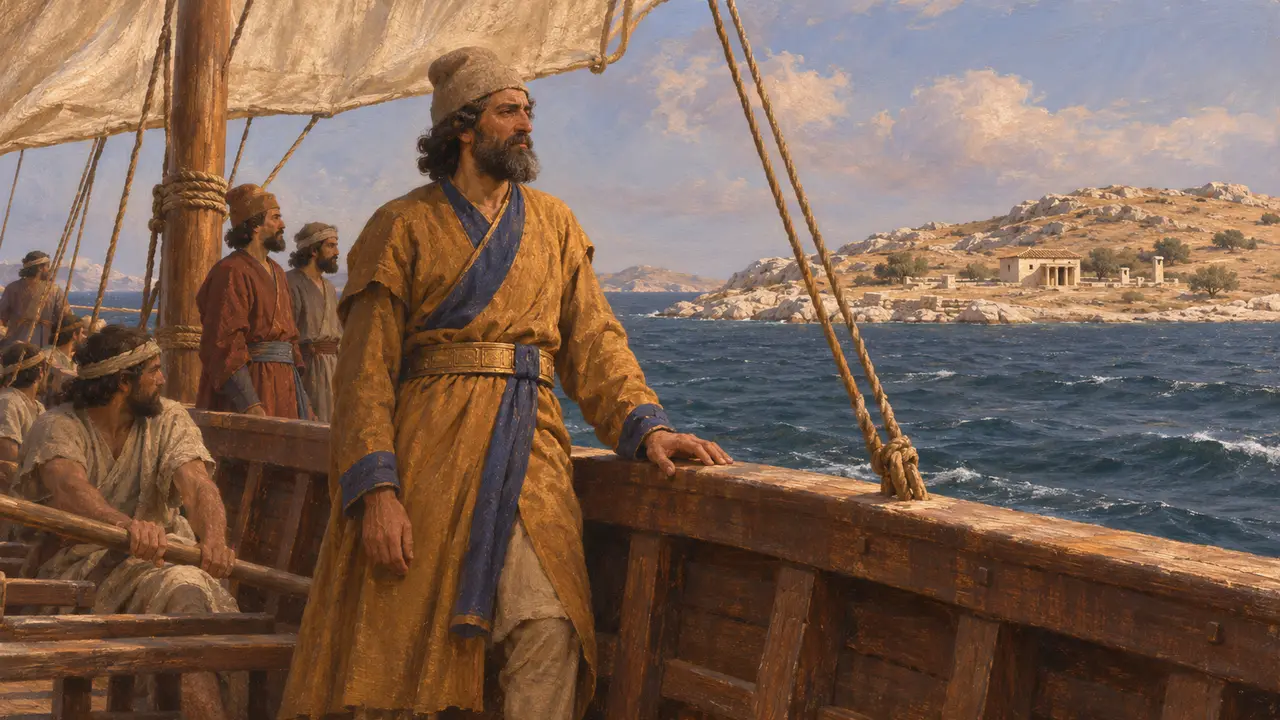
DisputedCtesias, in the summary made by Photius, says Datis was killed at Marathon and that the Athenians refused to give up his body. Herodotus has him alive after the battle, sailing home by Mykonos and Delos and delivering the Eretrians to Darius. Most historians prefer Herodotus here, since Ctesias is often unreliable on this period, but the question cannot be fully settled.
Ctesias, Persica, in Photius, Bibliotheca 72; Herodotus 6.118-119
The siege of Lindos
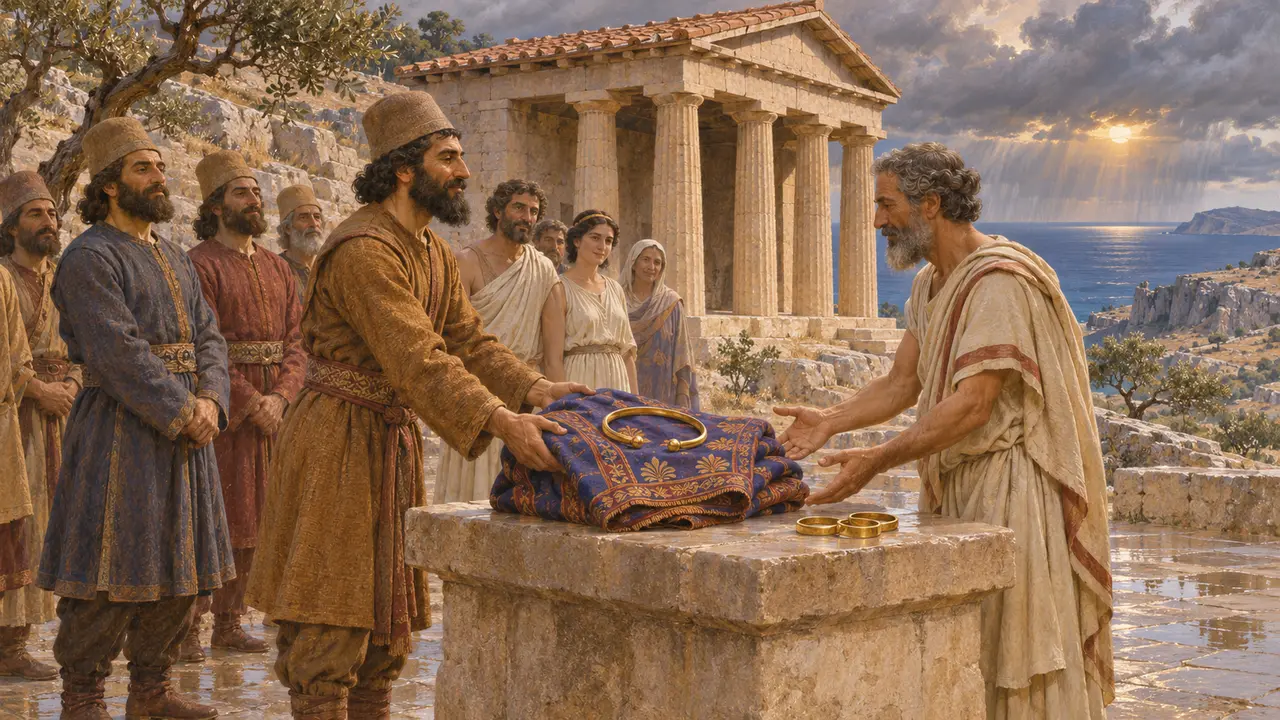
Later legendThe Lindian Chronicle, an inscription set up on Rhodes in 99, tells how Datis besieged Lindos until its water ran out. Athena appeared in a dream and promised rain. When the rain fell, Datis made peace and dedicated his own robe, torque and other ornaments to the goddess. The story was written down four centuries later to glorify the temple, and Herodotus does not mention it.
Lindian Chronicle; C. Higbie, The Lindian Chronicle and the Greek Creation of Their Past, 2003
Sources
- Herodotus 6.94-119
- Herodotus 7.88
- D. Lewis, Datis the Mede, Journal of Hellenic Studies 100, 1980
- Ctesias, Persica, in Photius, Bibliotheca 72
- C. Higbie, The Lindian Chronicle and the Greek Creation of Their Past, 2003
- P. Briant, From Cyrus to Alexander, 2002