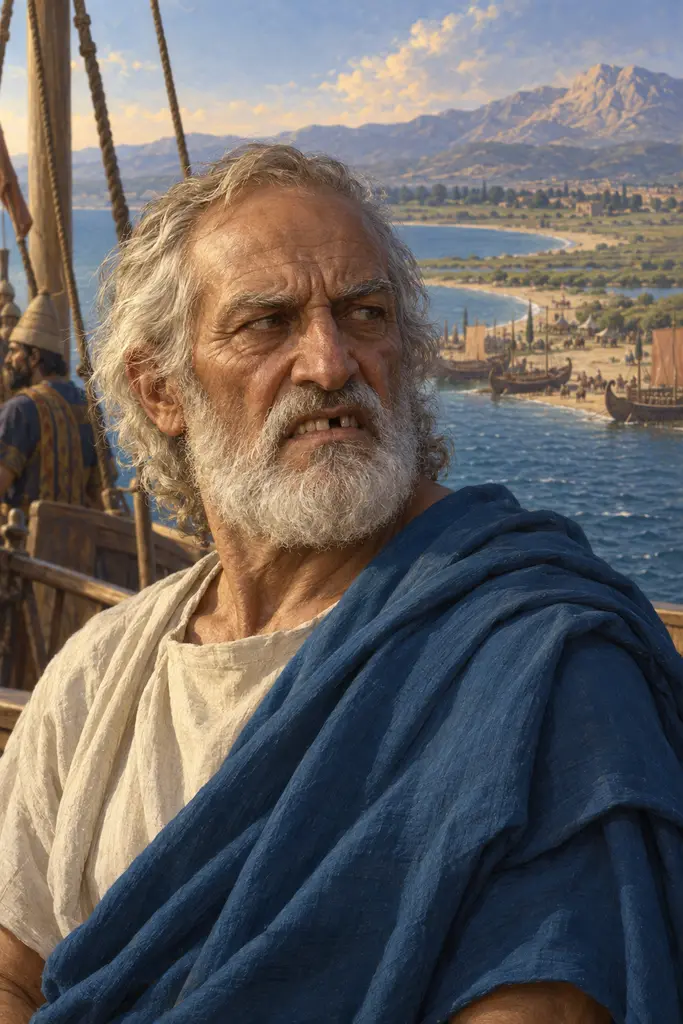
Hippias
Tyrant of Athens about 527-510 BCE, later an exile who turned to Persia
In the game: Level 8: The Bay of Marathon
Hippias, son of Pisistratus, was the last of his family to rule Athens as tyrant, from about 527 until the Spartans drove him out in 510. In exile he turned to the Persians, and in 490 he guided the fleet of Datis and Artaphernes to Marathon, hoping to be restored. His career shows how Persia used exiled Greek rulers as allies and guides in the west.
In the game: The game's chronicle names Hippias as the exiled tyrant who guided Datis's fleet to Marathon, which follows Herodotus. Its dates of 527-510 are approximate, since his father probably died in 528/7.
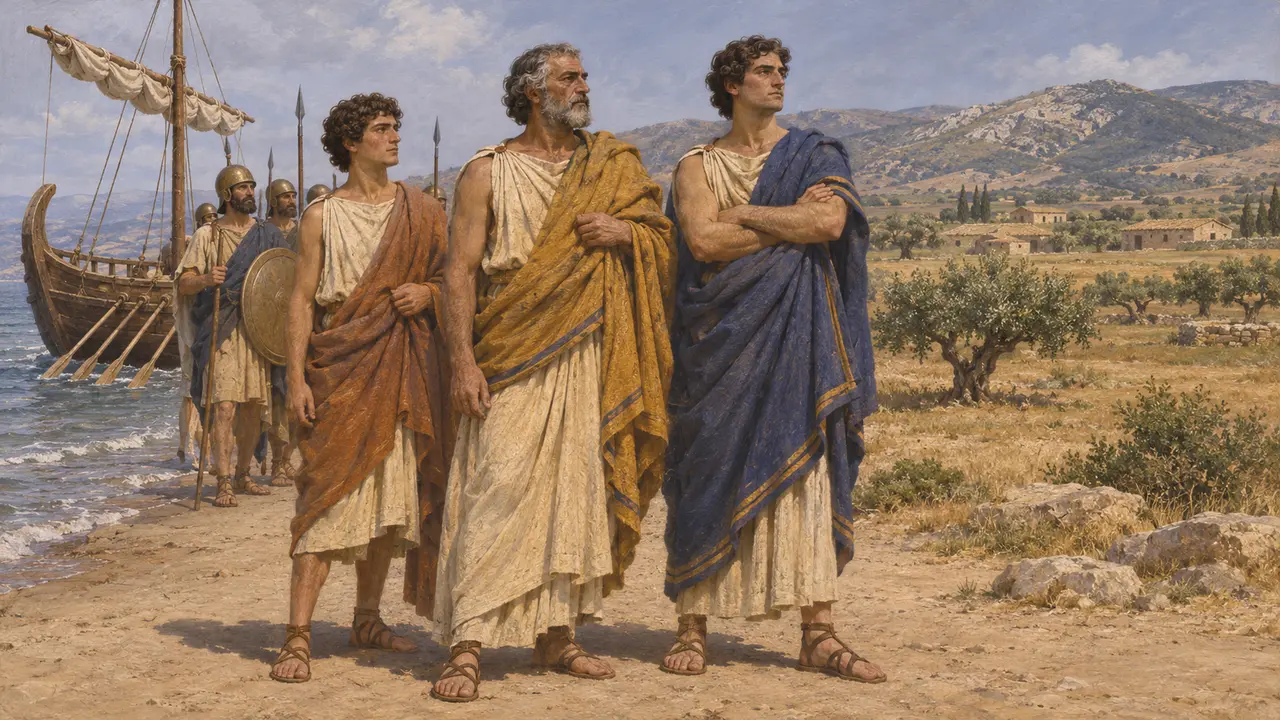
Heir of Pisistratus
Ancient accountHerodotus says that when Pisistratus seized Athens for the third time, probably in about 546, he landed at Marathon with his sons beside him. After Pisistratus died, probably in 528/7, power passed to his sons. Thucydides insists that Hippias, the eldest, held the rule, not his younger brother Hipparchus as many Athenians believed. He adds that the family kept the city's laws in form while placing their own men in office.
Herodotus 1.62-64; Thucydides 6.54-55; Athenaion Politeia 17
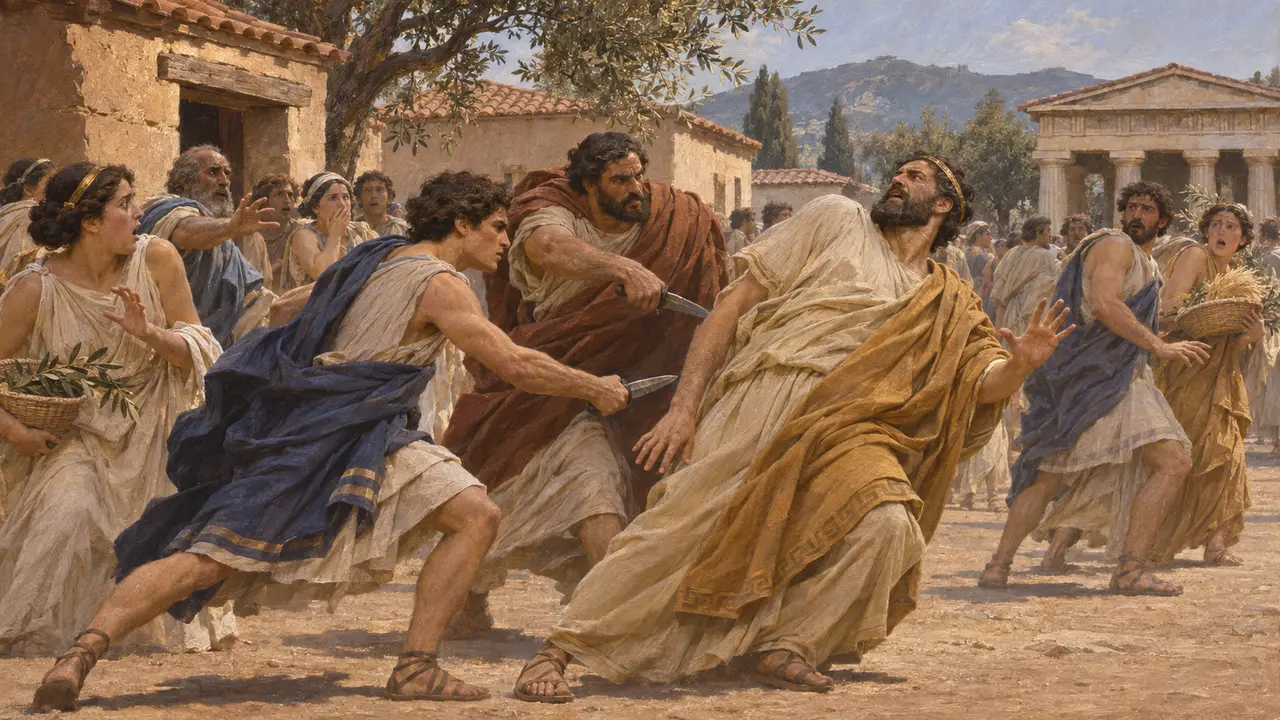
The murder of Hipparchus
DisputedIn 514 Harmodius and Aristogeiton killed Hipparchus at the Panathenaic festival, and later Athenians honoured the pair as the liberators of the city. Thucydides disagreed with that view. He says the motive was a private love quarrel, that Hippias himself escaped unharmed, and that his rule grew harsher afterwards. Herodotus also says the tyranny lasted four more years and pressed harder on the Athenians.
Thucydides 6.53-59; Herodotus 5.55-56
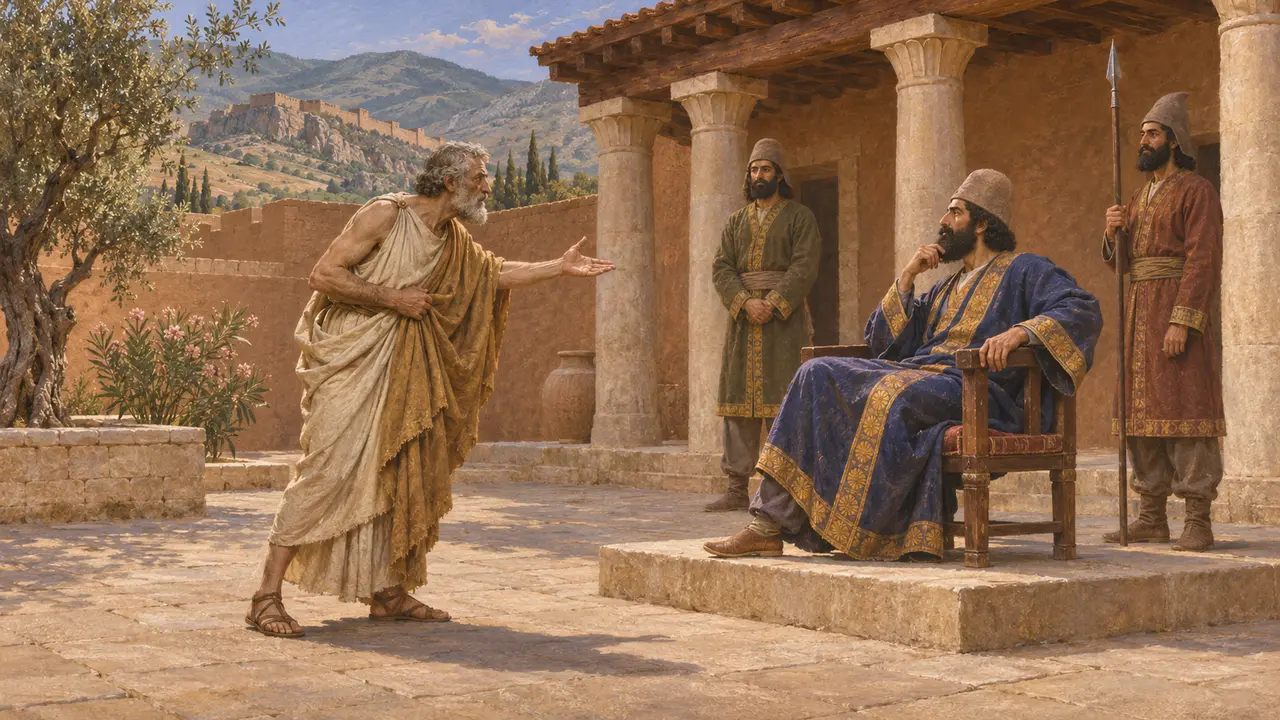
From Athens to Sardis
Ancient accountHerodotus says the exiled Alcmaeonids bribed the Delphic priestess to urge Sparta to free Athens, and in 510 King Cleomenes besieged Hippias on the Acropolis. When his children were captured, Hippias agreed to leave for Sigeum near the Hellespont. Sparta's allies later refused to restore him, so he went to Sardis and urged the satrap Artaphernes against Athens. When Athens refused to take him back, Herodotus says, it became an open enemy of Persia.
Herodotus 5.62-65; Herodotus 5.91-96
Guide to Marathon
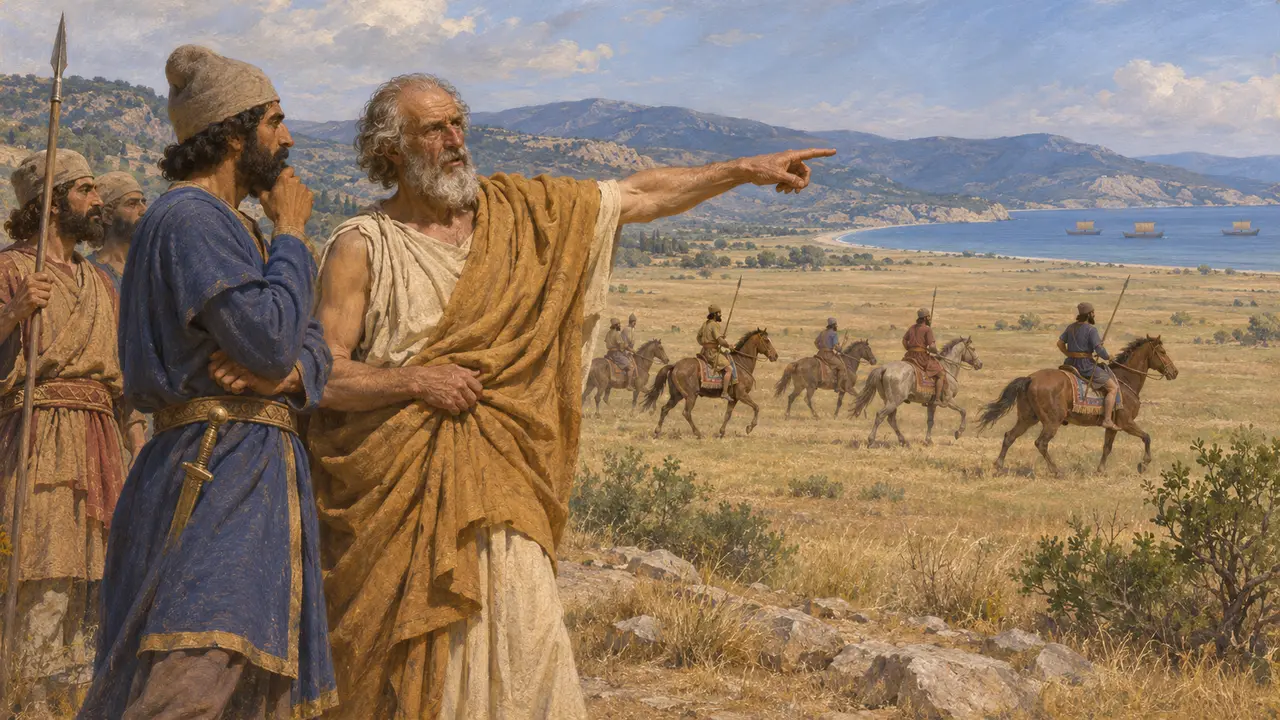
Ancient accountHerodotus says Hippias led the Persians to Marathon because its plain suited cavalry and lay close to Eretria. He also placed the Eretrian captives on the islet of Aegilia. Thucydides says Hippias went by way of Lampsacus to Darius, and years later came to Marathon as an old man with the Medes. No Persian document names him, so his whole story comes from Greek writers.
Herodotus 6.102, 6.107; Thucydides 6.59
The lost tooth and his end
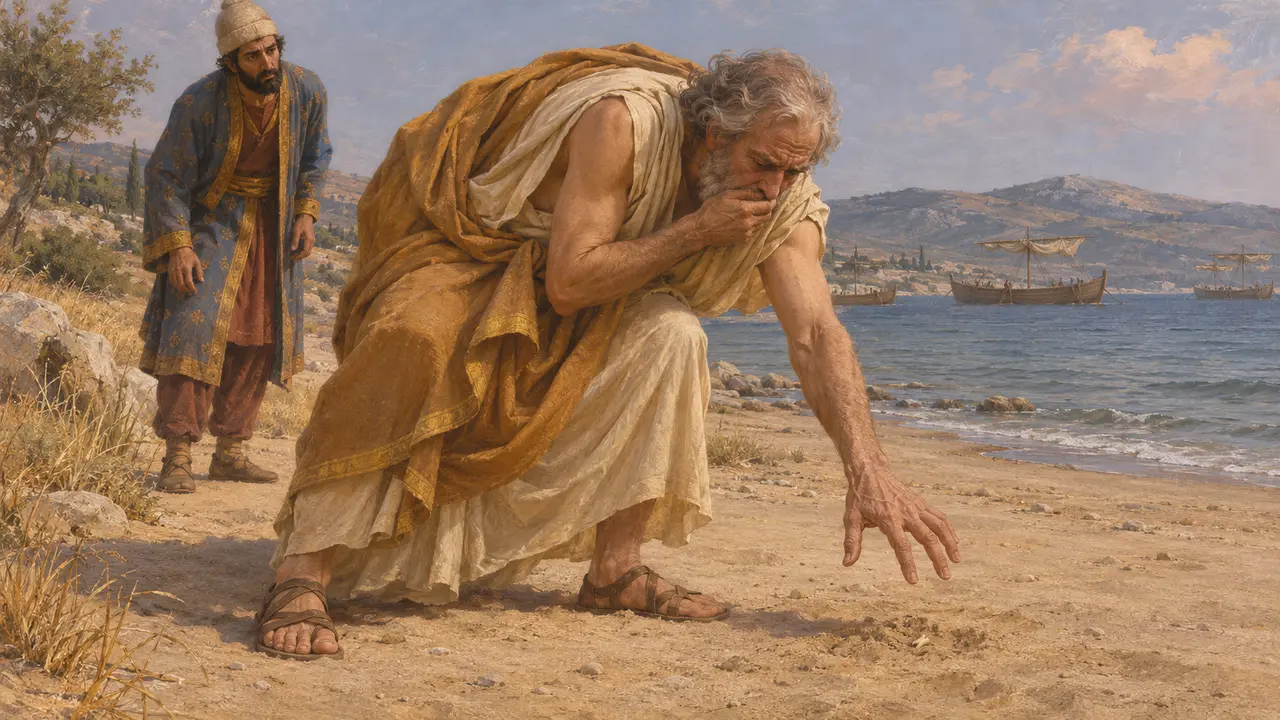
Later legendHerodotus tells that Hippias dreamed of lying with his mother and read it as a sign that he would regain Athens and die old in his homeland. On landing he sneezed and coughed so hard that a loose tooth fell into the sand and was lost, and he declared that the land would never be theirs. The story is shaped as an omen of failure. Herodotus does not say how Hippias died, while much later writers such as Justin claimed he fell at Marathon.
Herodotus 6.107; Justin, Epitome of Pompeius Trogus
Sources
- Herodotus, Histories 1.59-64, 5.55-65, 5.91-96, 6.102-107
- Thucydides 1.20, 6.53-59
- Aristotle (or his school), Athenaion Politeia 17-19
- Justin, Epitome of Pompeius Trogus
- P. Briant, From Cyrus to Alexander, 2002
- P. Krentz, The Battle of Marathon, 2010