Marathon
Bay and plain in Attica, scene of a Persian landing and defeat in 490 BCE
In the game: Level 6: The Bridge of Boats, Level 8: The Bay of Marathon, Level 9: The Canal
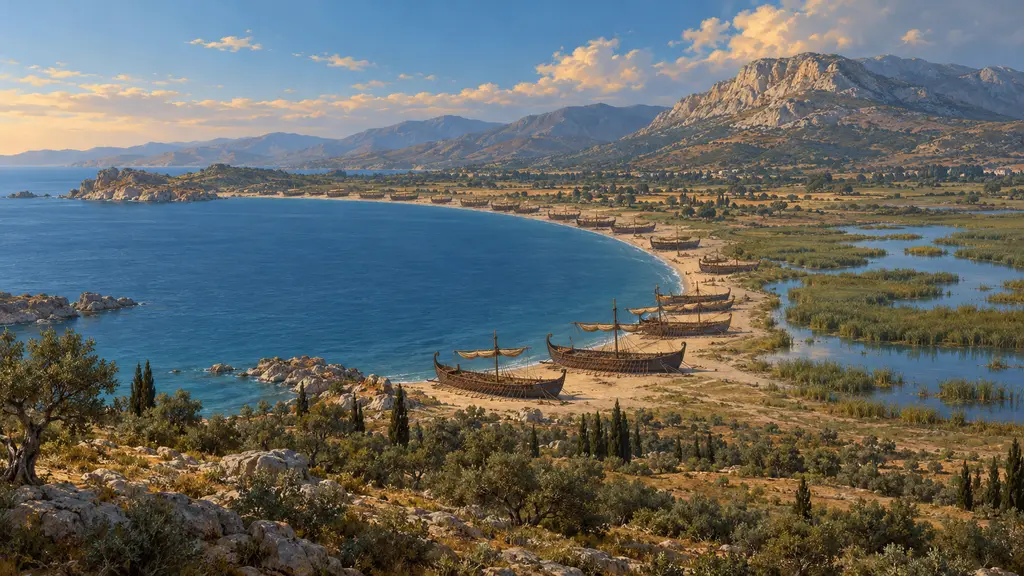
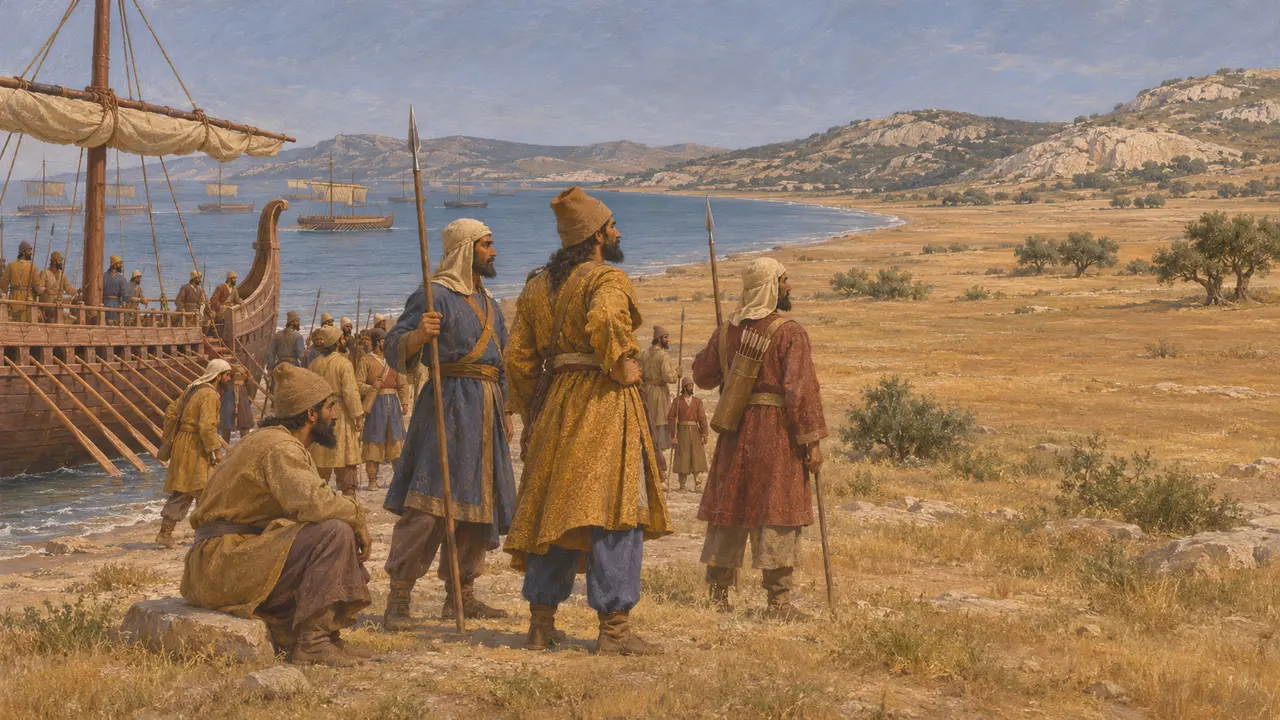
Marathon is a bay and coastal plain in north-east Attica, about 40 kilometres from Athens. In 490 a seaborne Persian force under Datis and Artaphernes landed here, guided by the exiled Athenian tyrant Hippias, and was beaten by the Athenians and Plataeans. For Greeks the battle became a founding story of Athenian pride; for the Persian court it was a setback at the far edge of a campaign that had already taken Naxos and Eretria.
In the game: The Marathon level is set on this bay and plain in 490. The game's chronicle note follows Herodotus in naming Hippias as the guide and the Athenians and Plataeans as the victors, and it places the Athenian dead under the Soros.
The landing and the battle
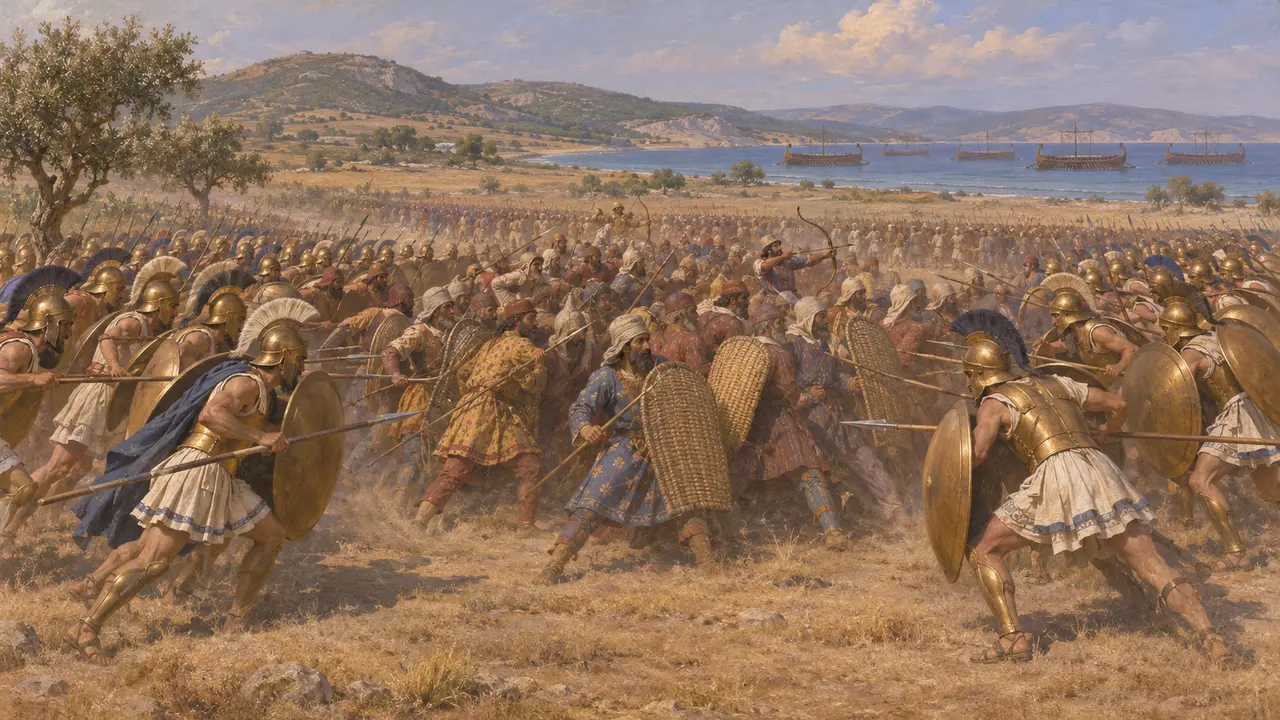
Ancient accountHerodotus says the fleet came on from Eretria, and that Hippias chose Marathon because the plain suited horsemen and lay nearest to Eretria. The Athenians, led by ten generals and the polemarch Callimachus, were joined by the whole Plataean levy, and Miltiades pressed for battle. Herodotus says they charged at a run over eight stades; their thin centre gave way, but both wings won and then turned together on the Persian centre.
Herodotus 6.102-113
At the ships and afterwards
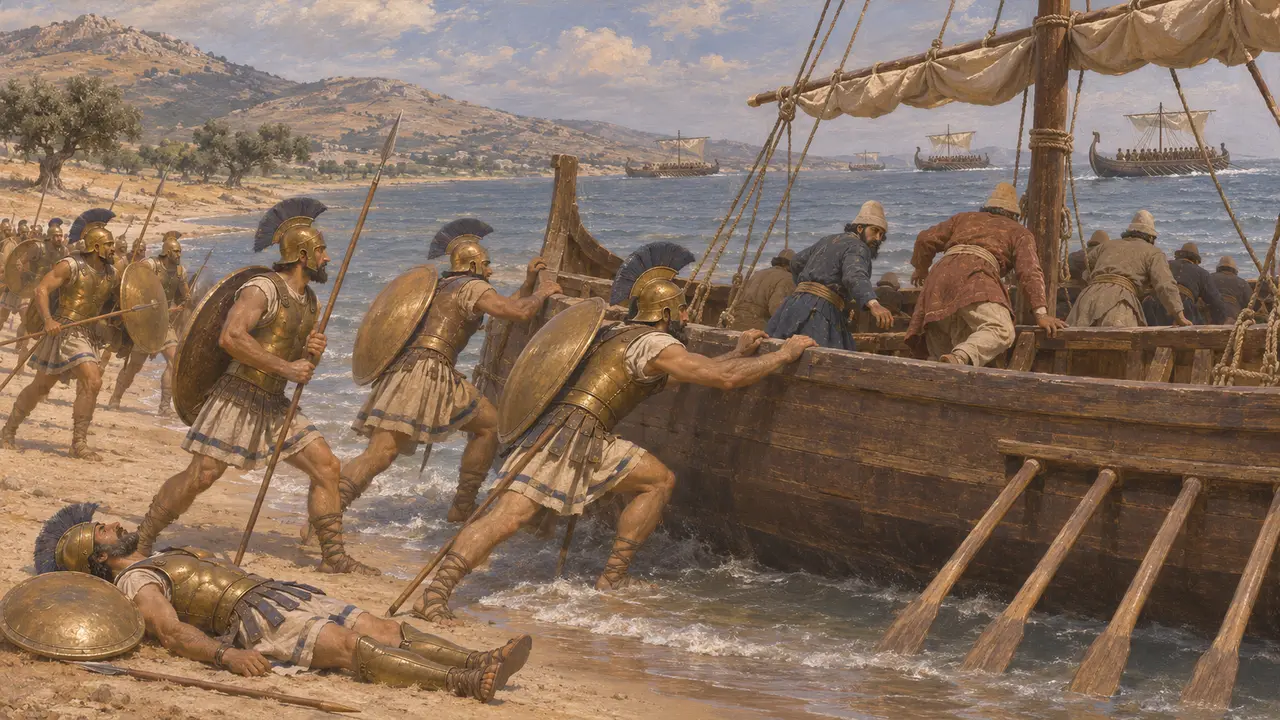
Ancient accountHerodotus says the Athenians chased the beaten troops to the shore and took seven ships, and that Callimachus fell in the fighting there. The rest of the fleet sailed round Sunium towards Phaleron, but the Athenians marched home first and the Persians sailed back to Asia. He gives 6,400 dead on the Persian side and 192 Athenians, and says a Spartan force of 2,000 arrived after the battle and went to view the fallen.
Herodotus 6.114-120
The mound and the stones
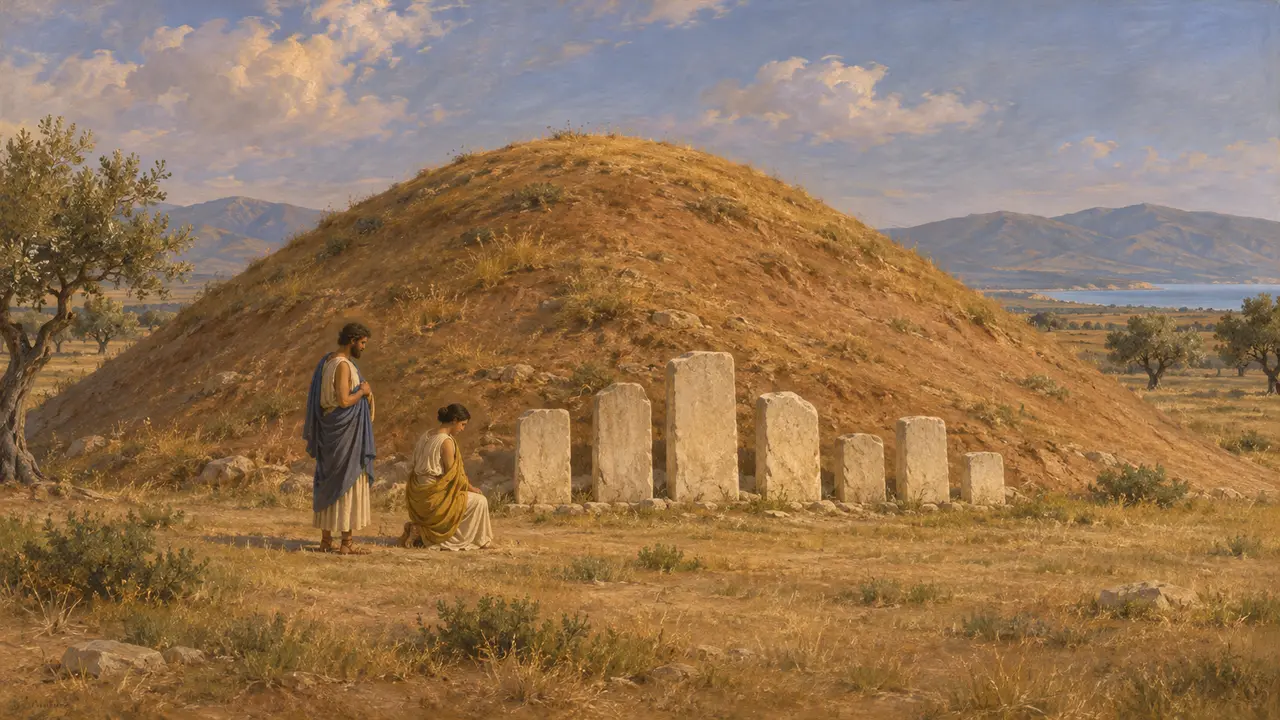
In the recordThe Soros still rises on the plain, about 9 metres high. Valerios Stais excavated it in 1890-91 and found ash, burnt bones and pottery of about the date of the battle, which fits Pausanias's report of an Athenian grave on the plain with the names of the dead on stelae, listed by tribe. A casualty list for the tribe Erechtheis, found in 2000 at the villa of Herodes Atticus at Loukou in the Peloponnese, was probably brought there from Marathon.
V. Stais, excavation of the Soros, 1890-91; Pausanias 1.32.3
What the sources leave open
DisputedNo Persian text mentions Marathon, so every detail comes from Greek writers. Herodotus gives the fleet as 600 triremes but no army total; later authors inflate it to hundreds of thousands, and modern estimates are far lower. He also says nothing clear about the Persian cavalry during the battle, and historians still argue whether it was away, re-embarking or simply ineffective, and why the Athenians attacked when they did.
Herodotus 6.95, 6.112; P. Krentz, The Battle of Marathon, 2010
Runners and ghosts
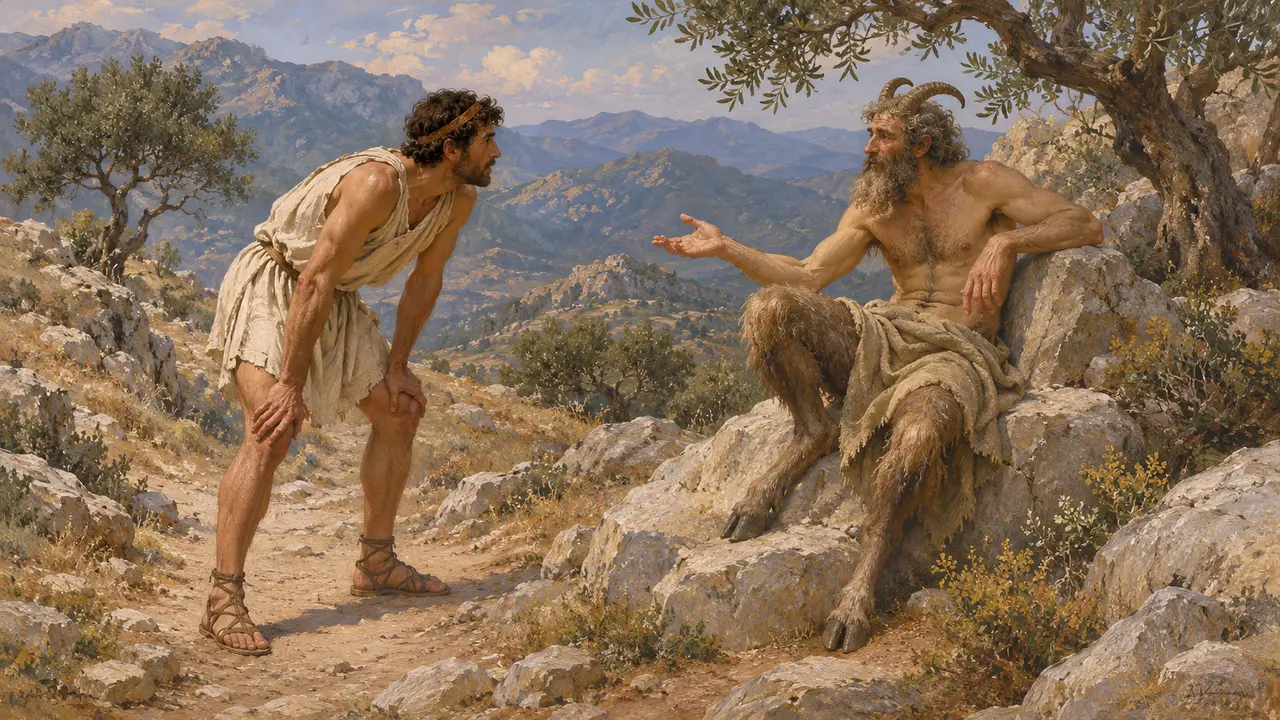
Later legendHerodotus says the courier Pheidippides ran to Sparta to ask for help and met the god Pan on the way. The tale of a runner who brought news of victory from Marathon to Athens and died on arrival appears only centuries later, in Plutarch and Lucian, and it inspired the marathon race of 1896. Pausanias reports that the noise of battle was heard on the plain at night and that locals honoured a hero, Echetlaeus, who fought with a plough.
Herodotus 6.105-106; Plutarch, On the Glory of the Athenians 3; Lucian, A Slip of the Tongue in Greeting 3; Pausanias 1.32.4-5
Sources
- Herodotus, Histories 6.94-120
- Pausanias 1.32.3-5
- P. Krentz, The Battle of Marathon, 2010
- P. Briant, From Cyrus to Alexander, 2002
- Plutarch, On the Glory of the Athenians 3