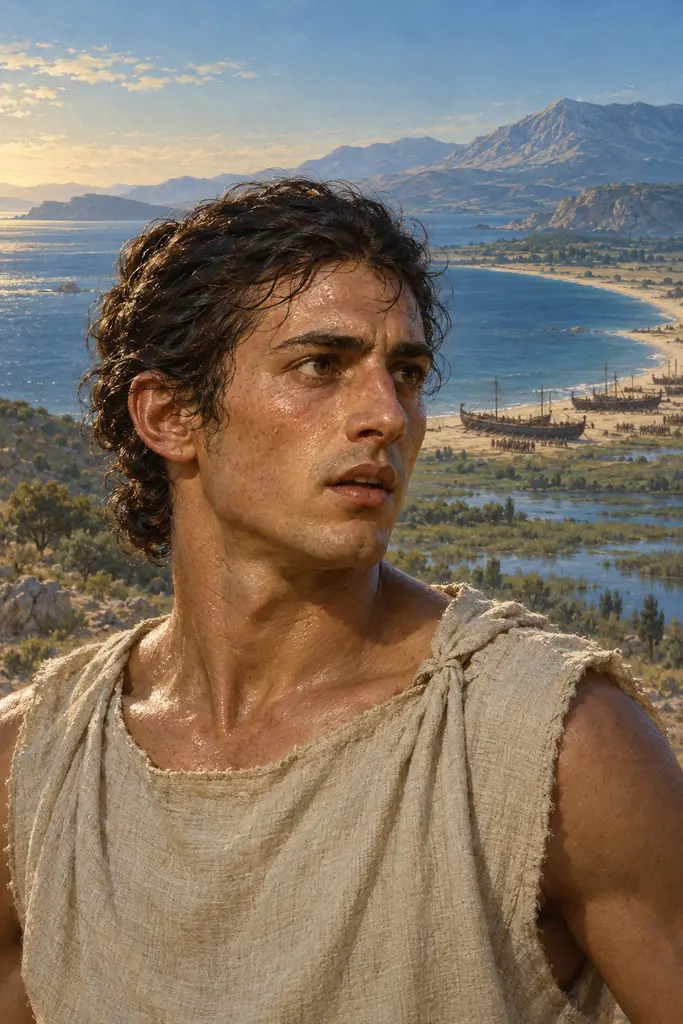
Pheidippides
Athenian long-distance runner sent to Sparta before Marathon, 490 BCE
In the game: Level 8: The Bay of Marathon
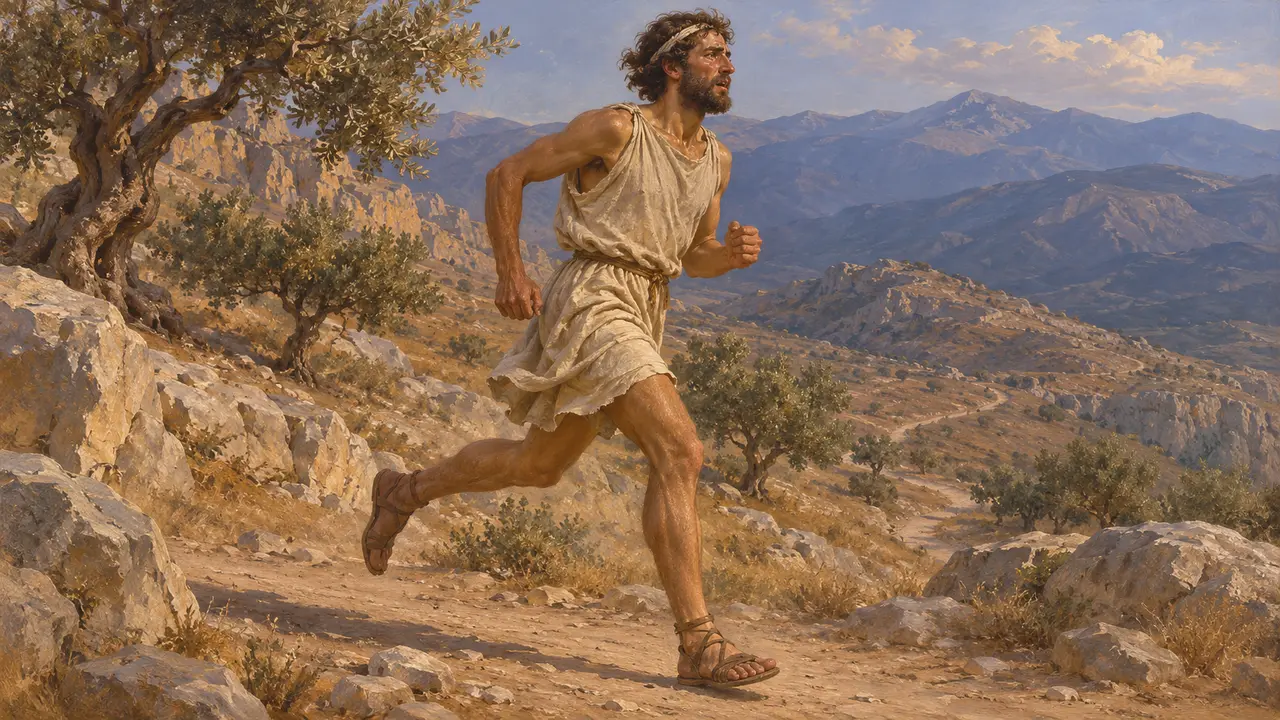
Pheidippides was a trained runner whom the Athenian generals sent to Sparta in 490 to ask for help against the Persian force that had landed at Marathon. Herodotus says he reached Sparta the day after he left Athens, a distance of about 240 km by modern reckoning. He is remembered today for a run he never made, the one from Marathon to Athens.
In the game: The game presents him in a chronicle note: the runner sent to Sparta before Marathon, arriving the day after he left Athens. The note rightly keeps him apart from the later Marathon-to-Athens story.
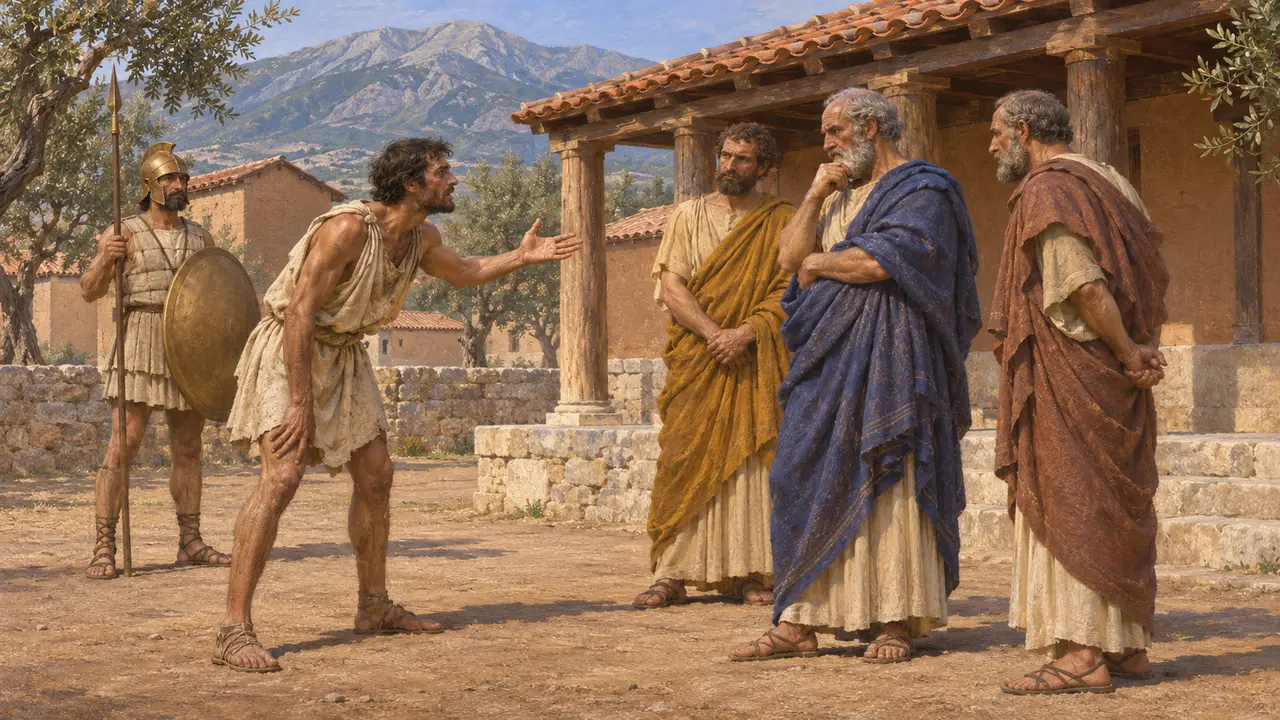
The message to Sparta
Ancient accountHerodotus says that while the generals were still in the city, they sent Pheidippides, an Athenian and a trained day-runner, to Sparta. He reached Sparta on the day after he left Athens and asked the Spartans not to let one of the oldest Greek cities fall into slavery to foreigners. He pointed out that Eretria had already been enslaved.
Herodotus 6.105-106
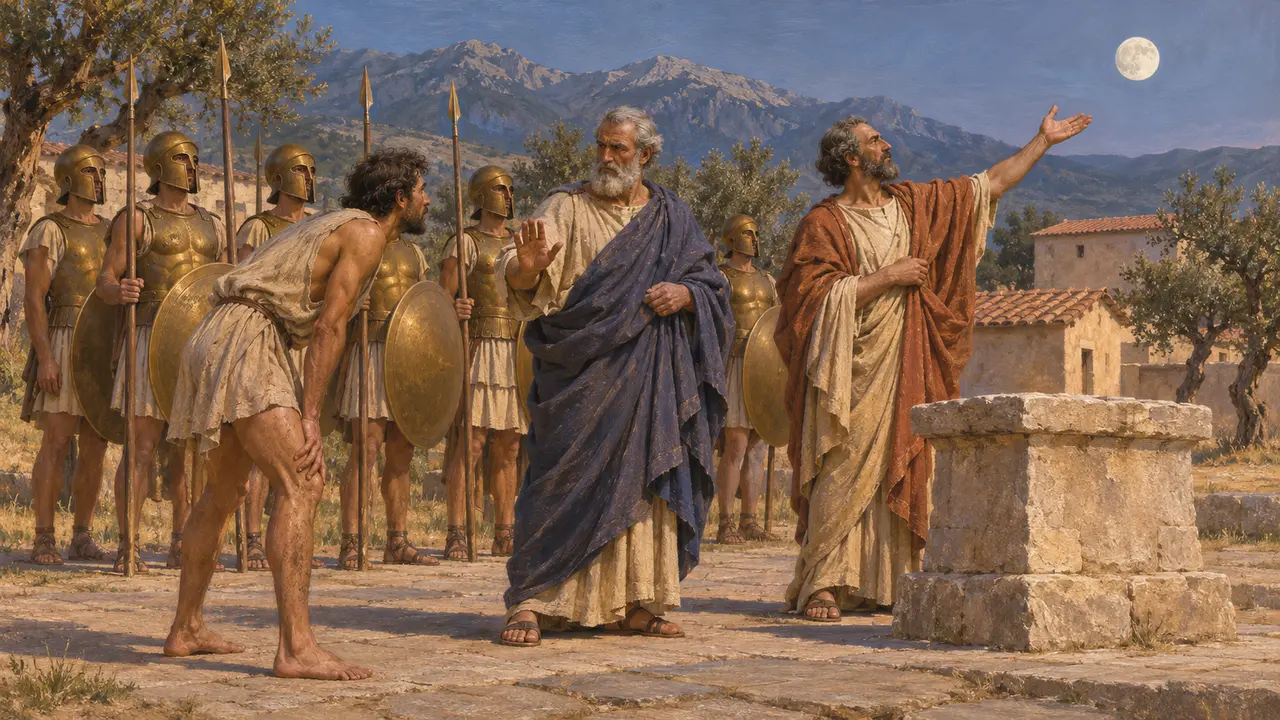
Why the Spartans waited
DisputedHerodotus says the Spartans wished to help but would not march before the full moon, because of religious law. They arrived with 2,000 men after the battle was over. Some historians accept the religious reason, often linking it to the Carneia festival. Others suspect an excuse or a real crisis at home, since Plato mentions a war with the Messenians delaying Sparta at the time.
Herodotus 6.106, 6.120; Plato, Laws 698e
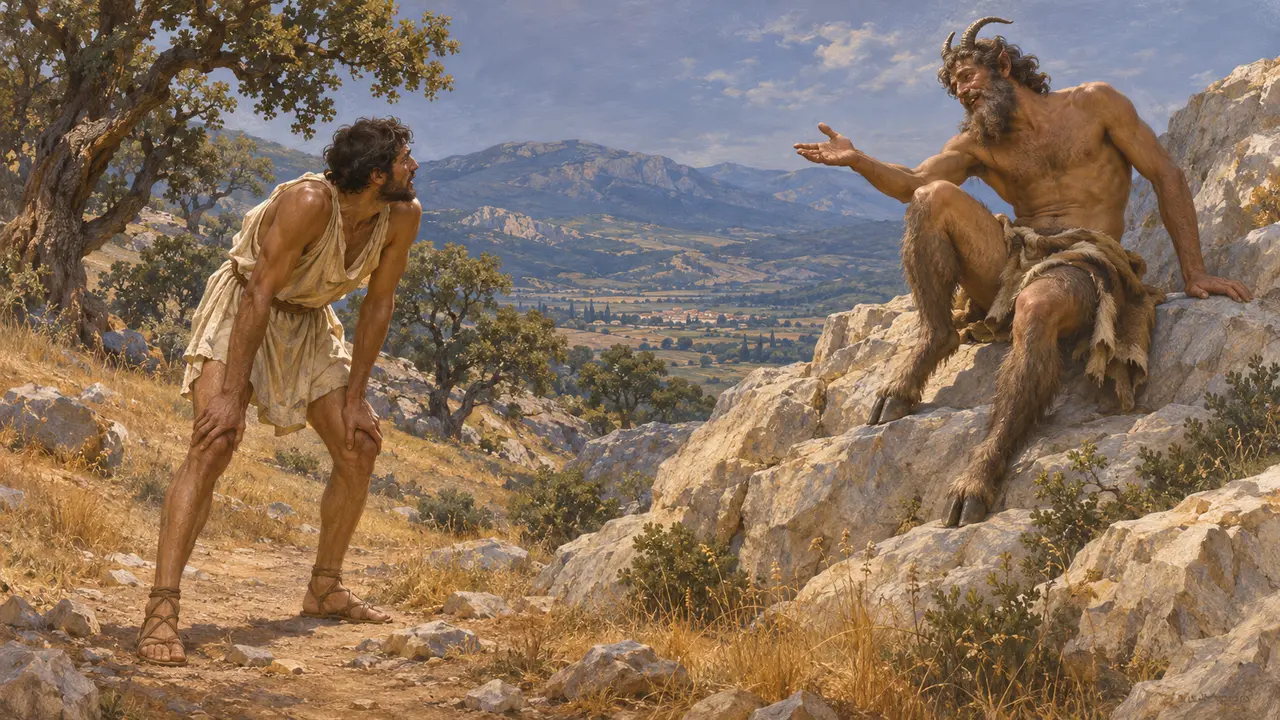
Pan on Mount Parthenion
Ancient accountHerodotus reports Pheidippides' own claim that on Mount Parthenion, above Tegea, the god Pan called him by name. Pan asked why Athens paid him no honour, though he had helped them before and would again. Herodotus says that after the victory the Athenians founded a shrine of Pan below the Acropolis, with yearly sacrifices and a torch race.
Herodotus 6.105
His name and his feat
DisputedThe manuscripts of Herodotus disagree on his name. Some give Pheidippides and others Philippides, and many scholars prefer the second, the form used by later writers. Some doubted that anyone could run so far so fast, but modern runners have shown it can be done. The Spartathlon, a race from Athens to Sparta first held in 1983, grew out of a test of his reported time.
Herodotus 6.105; P. Krentz, The Battle of Marathon, 2010
The run that was not his
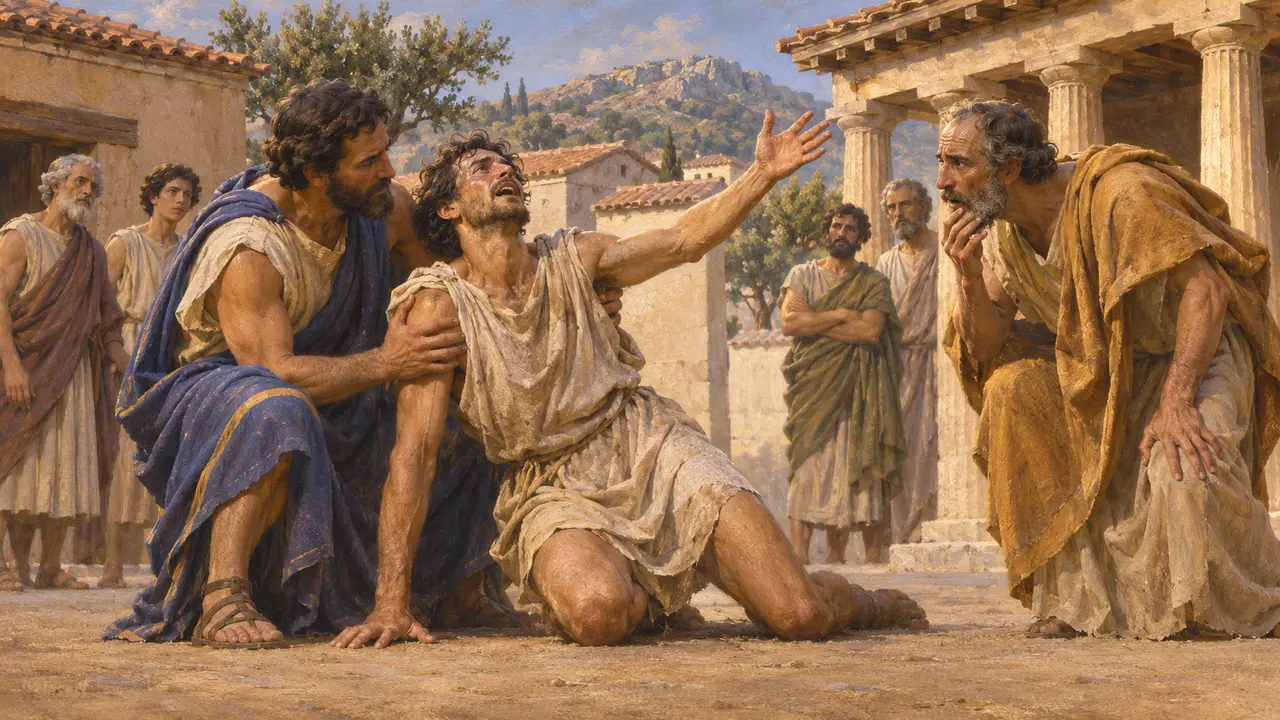
Later legendHerodotus says nothing of a runner carrying news of victory from Marathon to Athens, and that tale appears much later. Plutarch says Heraclides Ponticus named the messenger Thersippus, but most writers named Eucles, who died after giving the news. Lucian, in the 2nd century CE, gave the deed to Philippides. Robert Browning's poem of 1879 fixed this version, and the marathon race of the 1896 Olympics took it as its model.
Plutarch, On the Glory of the Athenians 347c; Lucian, A Slip of the Tongue in Greeting 3
Sources
- Herodotus 6.105-106
- Herodotus 6.120
- Plutarch, On the Glory of the Athenians 347c
- Lucian, A Slip of the Tongue in Greeting 3
- Plato, Laws 698e
- P. Krentz, The Battle of Marathon, 2010