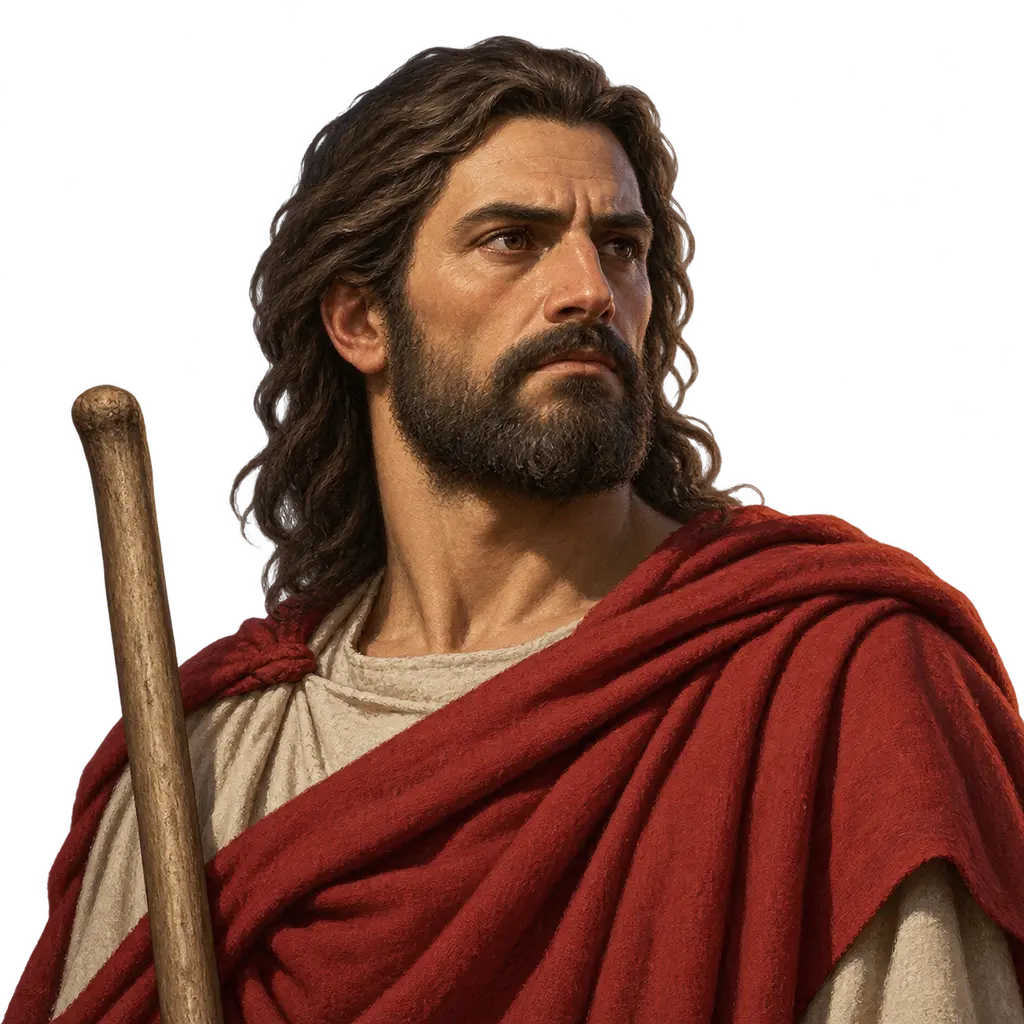
The Spartans
The citizens of Sparta in Laconia, the leading land power of Greece, about 550-479 BCE
In the game: Level 10: The Hot Gates, Level 11: The Finale
The Spartans were the citizens of Sparta in Laconia, the strongest land power in Greece in the sixth century. A small body of full citizens, the Spartiates, lived off land worked by helots and led a league of Peloponnesian allies. They refused Darius earth and water, and their soldiers fought Xerxes' army at Thermopylae in 480 and led the Greek victory at Plataea in 479.
In the game: The game lists Sparta as a trade partner, but no trade between Sparta and the Persian court is recorded, so this is a simplification. Spartan soldiers appear at Thermopylae and Plataea, as they fought there.
What excavation shows at Sparta
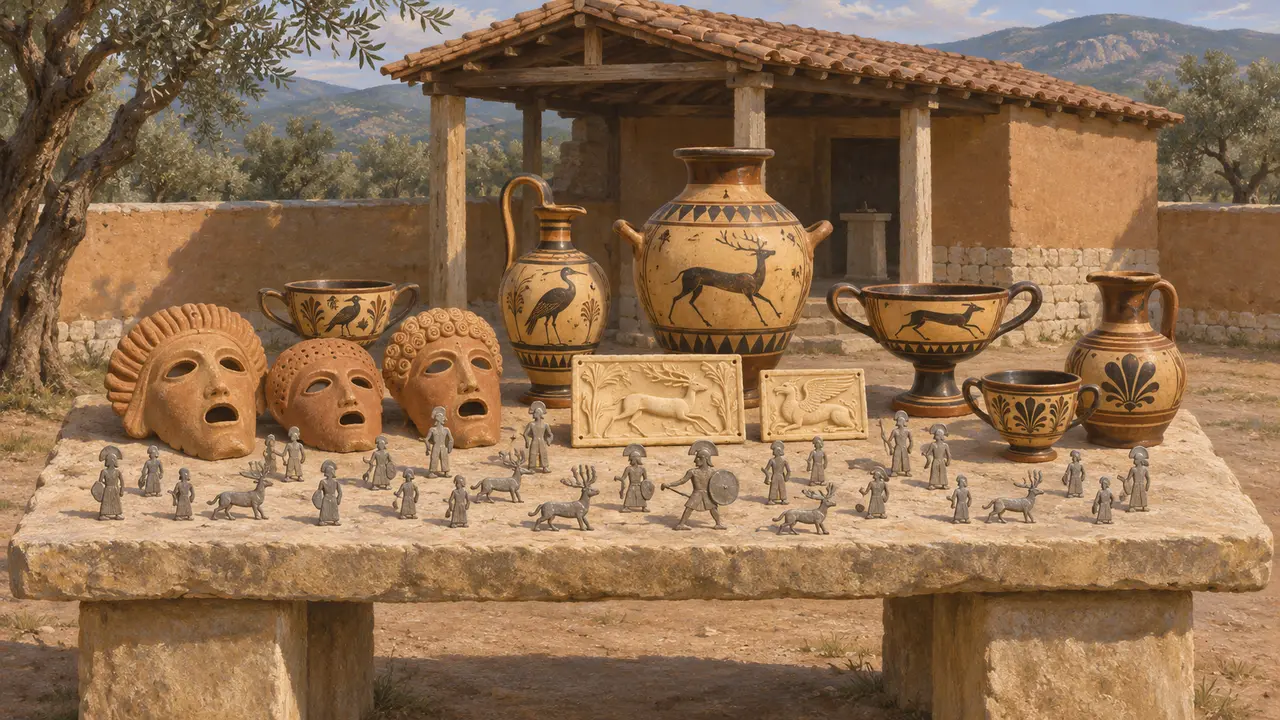
In the recordThe British School at Athens excavated the sanctuary of Artemis Orthia between 1906 and 1910. It recovered thousands of small lead figurines, along with ivories and clay masks. Laconian painted pottery of the sixth century has been found at Samos, at Cyrene and in Etruria. These finds show a city that made and exported fine goods, which complicates the later picture of Sparta as closed and austere.
R. M. Dawkins (ed.), The Sanctuary of Artemis Orthia at Sparta, 1929
Sparta and the Persian kings
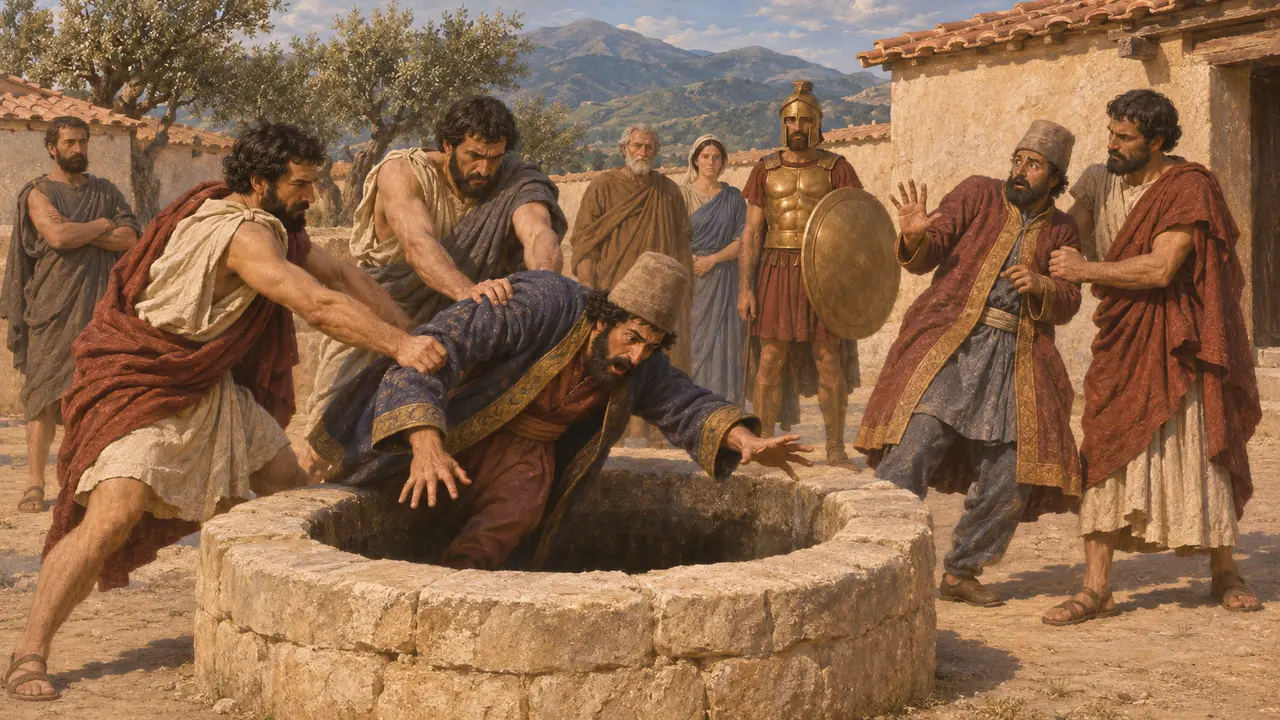
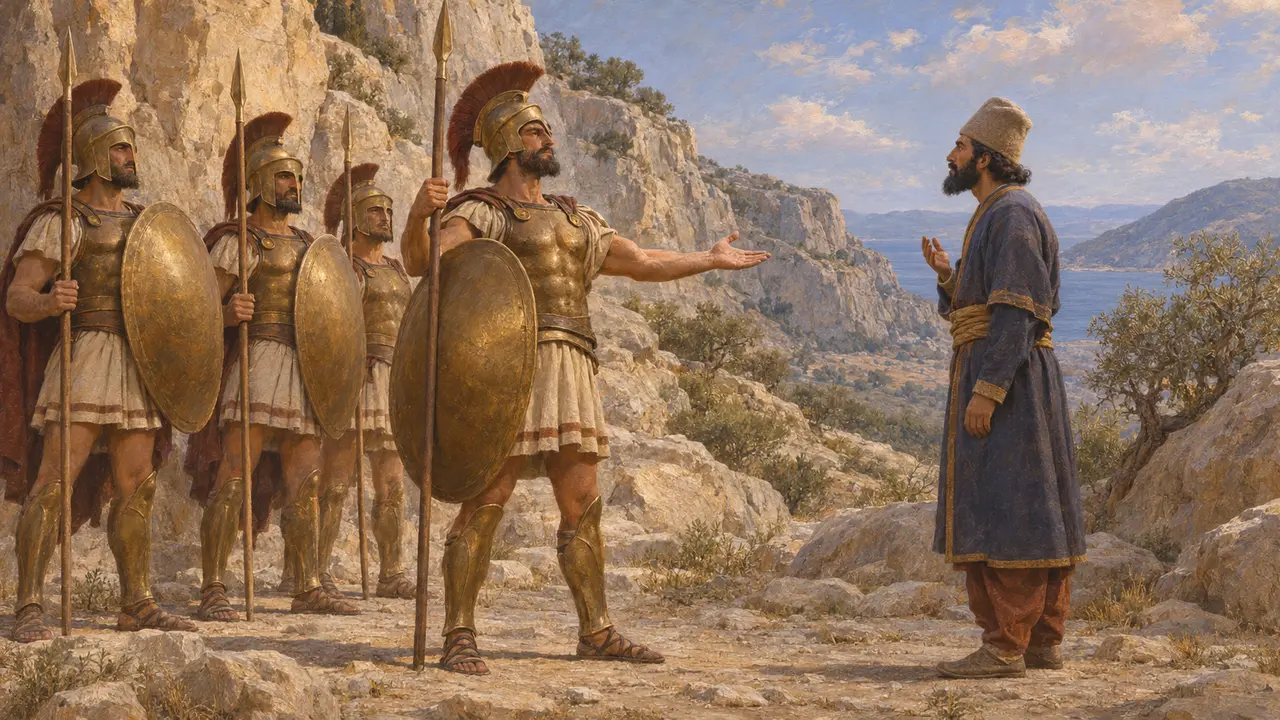
Ancient accountHerodotus says Croesus of Lydia made an alliance with Sparta. After Sardis fell, the Spartans sent a herald to warn Cyrus away from the Greek cities of Asia. Cyrus is said to have replied that he did not fear men who met in a marketplace to cheat one another. Later, King Cleomenes refused Aristagoras's plea for help in the Ionian revolt, and when Darius's heralds asked for earth and water, the Spartans threw them into a well.
Herodotus 1.69-70, 1.152-153, 5.49-51, 7.133
Why the Spartans missed Marathon
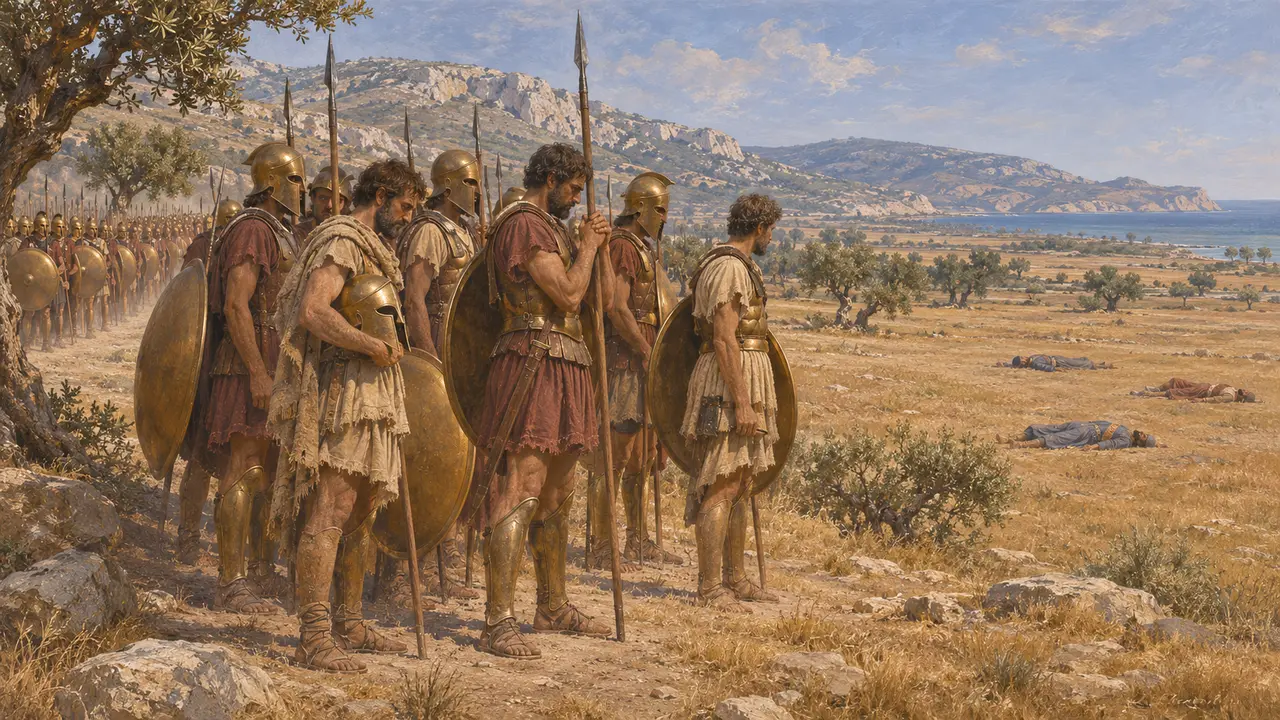
DisputedHerodotus says the Spartans agreed to help Athens in 490 but would not march before the full moon. By his account, 2,000 of them reached Attica only after the battle and went to Marathon to view the Persian dead. Plato says instead that a war with the Messenians held them back. Historians still argue over whether the delay came from a religious rule, a helot revolt, or reluctance to fight so far from home.
Herodotus 6.106, 6.120; Plato, Laws 698e
Thermopylae and Plataea
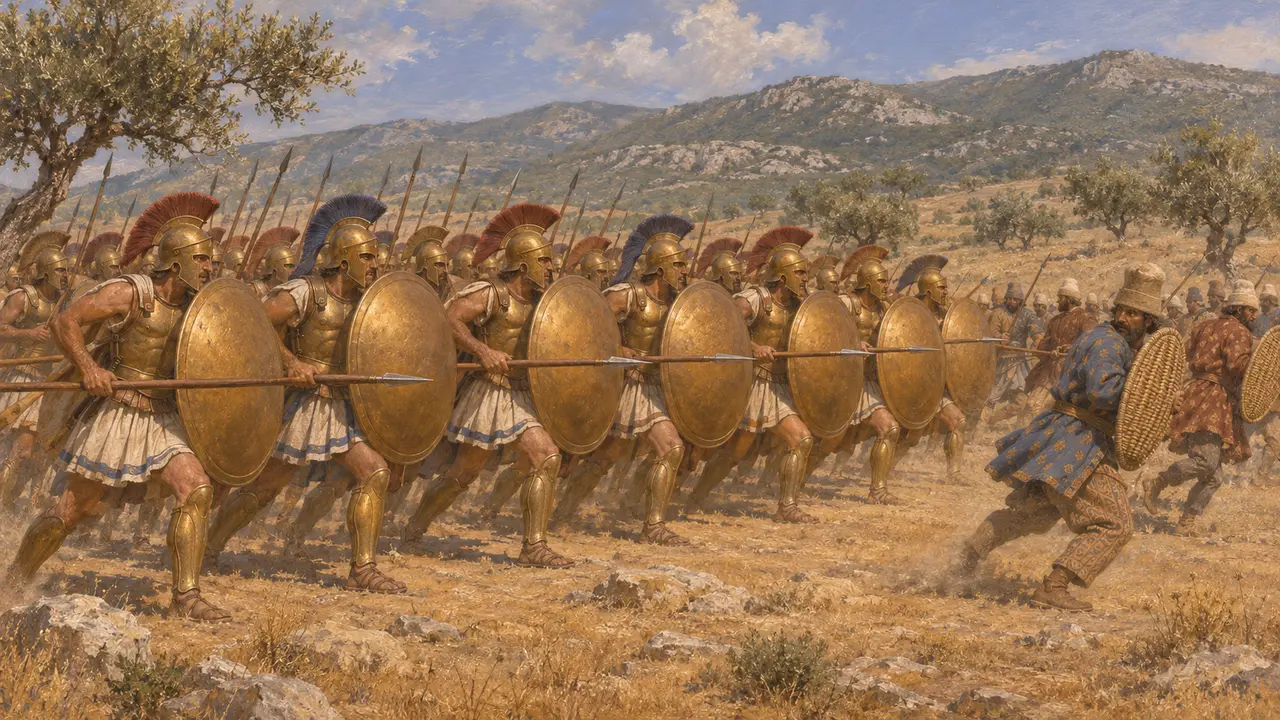
Ancient accountHerodotus says King Leonidas held the pass at Thermopylae in 480 with 300 Spartiates and several thousand allies, until a mountain path let the Persians surround them. In 479 the regent Pausanias led the Greek army at Plataea. Herodotus counts 5,000 Spartiates there with seven helots each, figures that may be inflated. The Spartans and Tegeans defeated the Persian troops around Mardonius, and Mardonius was killed.
Herodotus 7.202-228, 9.28-29, 9.61-64
The Spartan mirage
Later legendMuch of the familiar picture of Sparta comes from writers working centuries later. Plutarch, writing around 100 CE, preserves sayings such as Leonidas daring Xerxes to come and take the Spartans' weapons. He credits the whole Spartan system to a lawgiver, Lycurgus, whose date and very existence are uncertain. Modern scholars call this idealised image the Spartan mirage.
Plutarch, Sayings of Spartans; Plutarch, Lycurgus; F. Ollier, Le mirage spartiate, 1933
The emblem beside its name
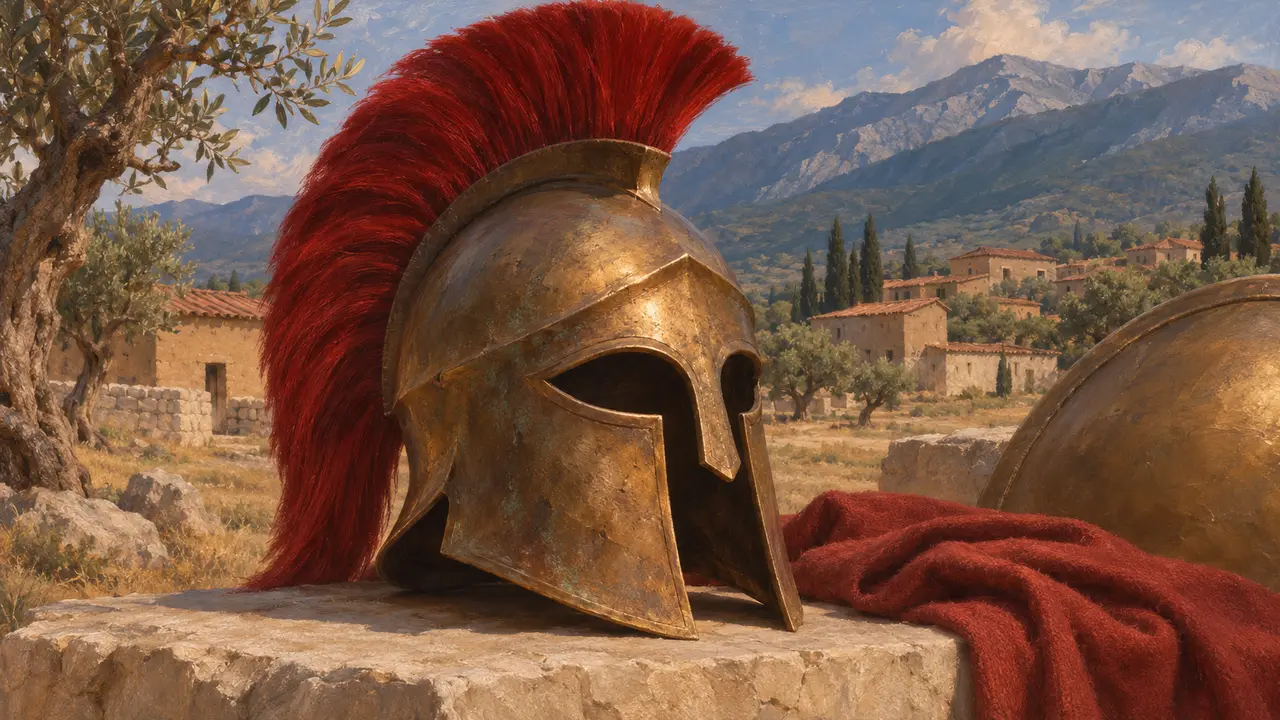
In the recordThe Spartans carry a Corinthian helmet with a horsehair crest in Spartan red, the colour Xenophon says they wore to war. The lambda on Spartan shields is attested only later and is not used. Sparta struck no coins in this period.
Xenophon, Constitution of the Lacedaemonians 11.3
Sources
- Herodotus, Histories
- P. Cartledge, Sparta and Lakonia, 2002
- R. M. Dawkins (ed.), The Sanctuary of Artemis Orthia at Sparta, 1929
- Plato, Laws 698e
- Plutarch, Lycurgus
- F. Ollier, Le mirage spartiate, 1933