Encyclopedia › Soldiers and ships
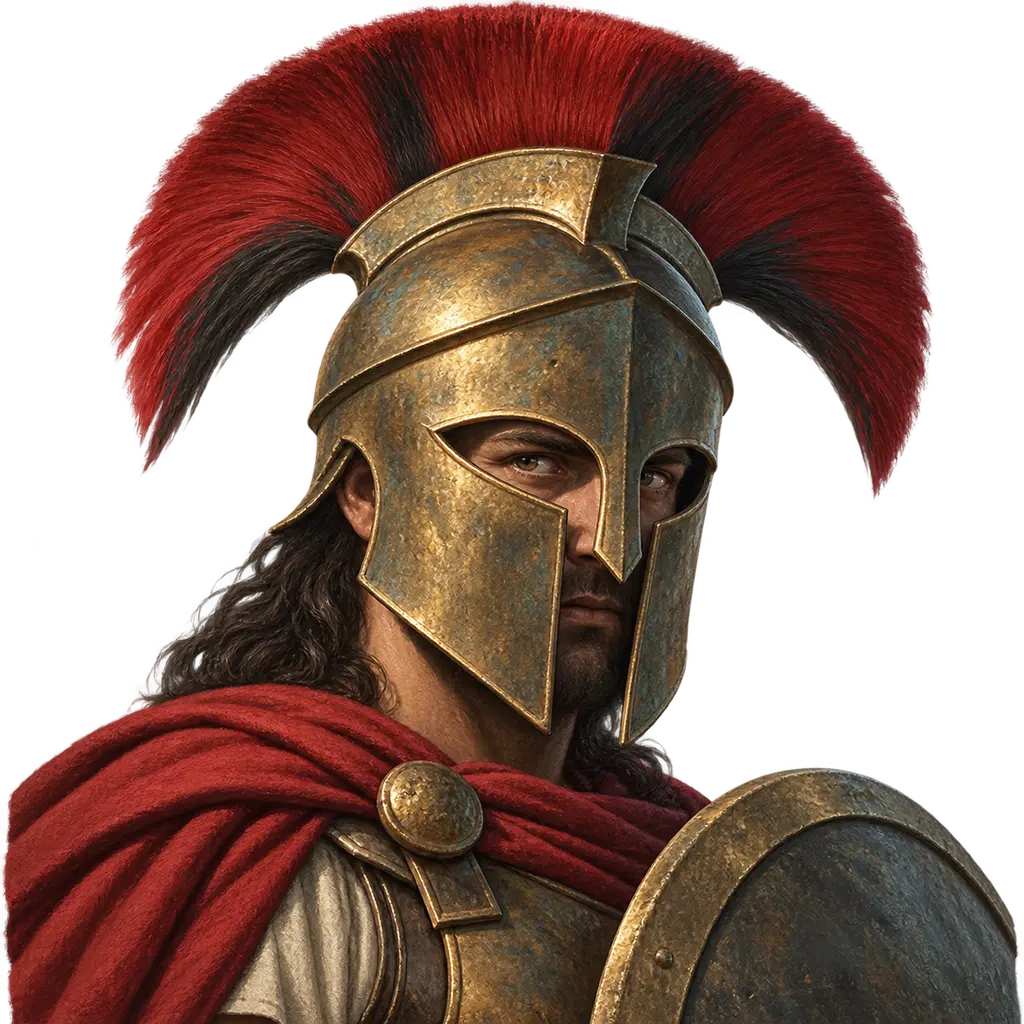
Spartan soldiers
Hoplites of Sparta who faced the Persians at Thermopylae and Plataea, 480-479 BCE
In the game: Level 10: The Hot Gates
Spartan soldiers were the hoplites of Sparta, the strongest land power in Greece, whose full citizens, the Spartiates, lived off the labour of helots and trained for war from boyhood. They formed the core of the Greek forces that held the pass at Thermopylae in 480 and broke Mardonius's army at Plataea in 479. Nearly everything known of them comes from Greek writers, since no Persian document names them.
In the game: Spartans appear in the Thermopylae and Plataea levels as the Spartan Champion and Spartan Officer. These are game labels: Spartan armies had officers but no rank of champion, and the battle of Plataea itself was fought in 479.
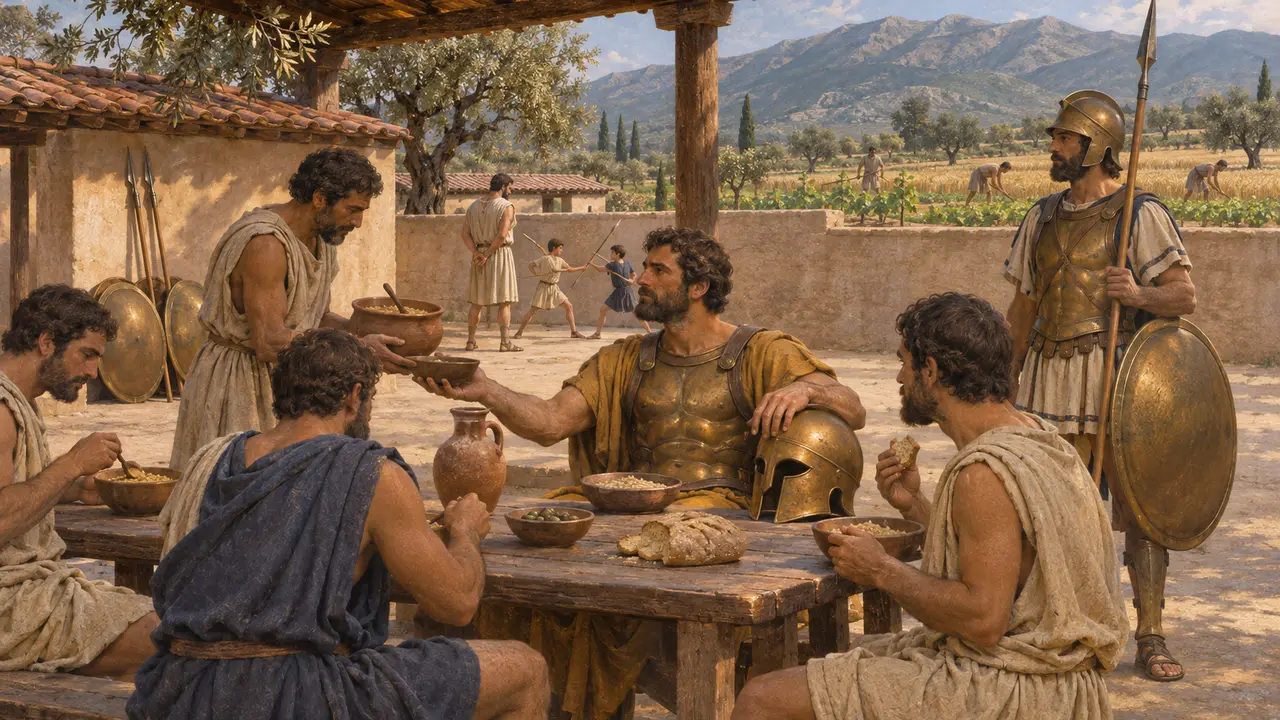
Citizens trained for war
Ancient accountHerodotus and Xenophon describe the Spartiates as a small body of full citizens whose land was worked by helots, a subject population of Laconia and Messenia. Boys passed through a state upbringing, and men ate together in common messes. Alongside them fought the perioikoi, free men of the surrounding towns, while helots often served as attendants or light troops.
Xenophon, Constitution of the Lacedaemonians; Herodotus 1.65, 9.28-29
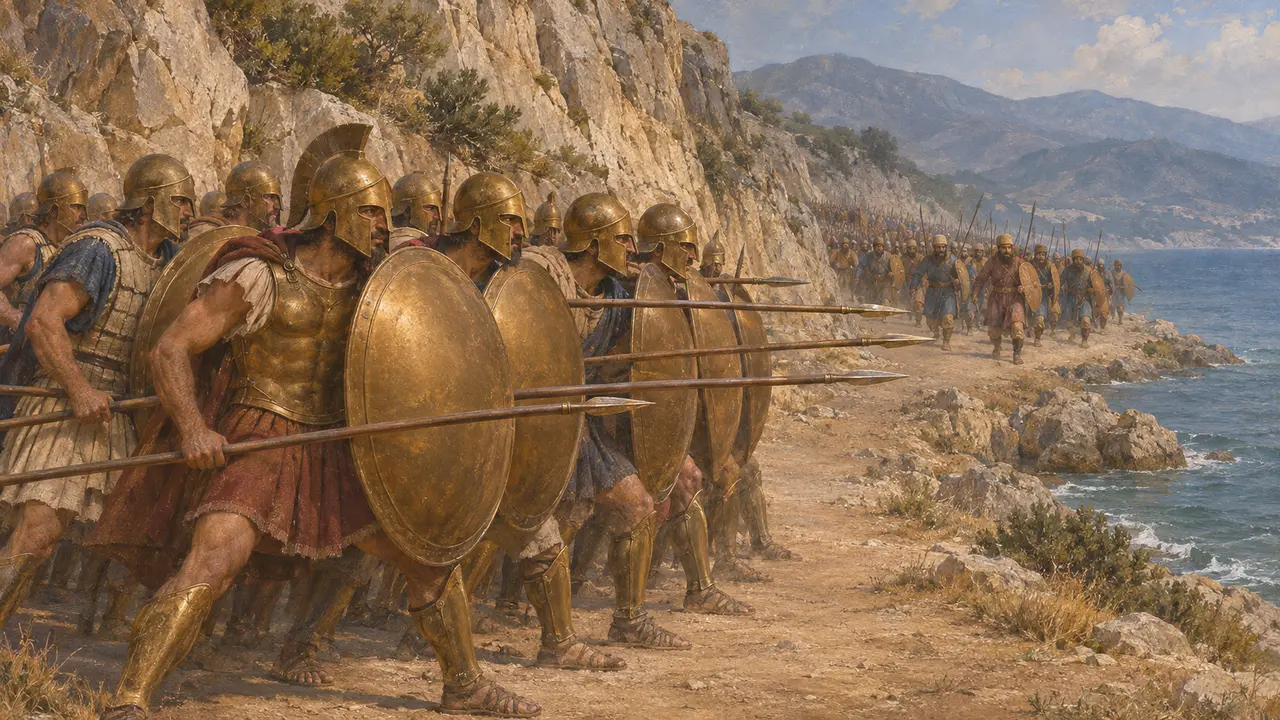
The stand at Thermopylae
Ancient accountHerodotus says Leonidas brought 300 Spartiates, all chosen from men who had living sons, together with several thousand other Greeks. They held the narrows for two days and drew the Persians on with feigned retreats. When Ephialtes guided Hydarnes over the Anopaea path, Leonidas sent most of the allies away. He died there with the Spartans and the Thespians, while most of the Thebans kept back with him surrendered.
Herodotus 7.202-225, 7.233
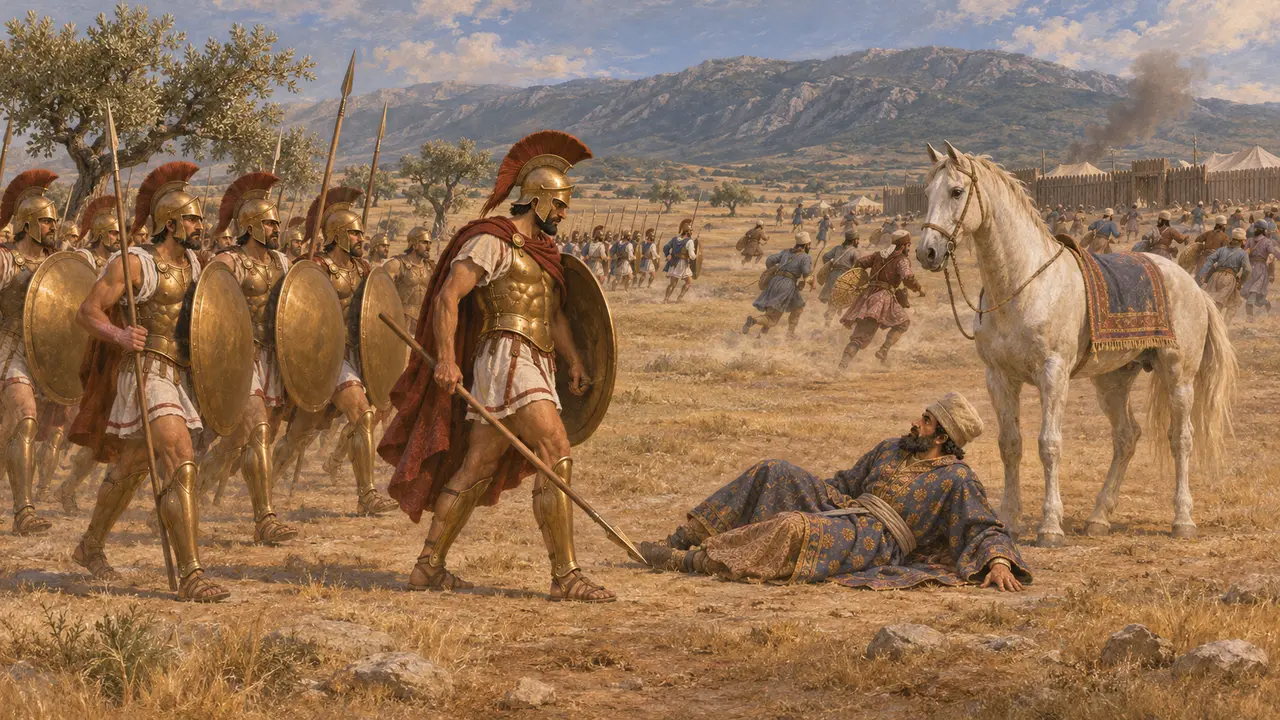
The victory at Plataea
Ancient accountHerodotus says Sparta sent 5,000 Spartiates, each with seven helots, and 5,000 hoplites of the perioikoi. Many historians accept his hoplite figures more readily than his helot total. Under Pausanias the Spartans held the right wing, facing the Persian troops themselves. Herodotus says a Spartan named Arimnestus killed Mardonius, after which the Persian line broke and the survivors fled to their fortified camp.
Herodotus 9.10-11, 9.28-31, 9.61-65
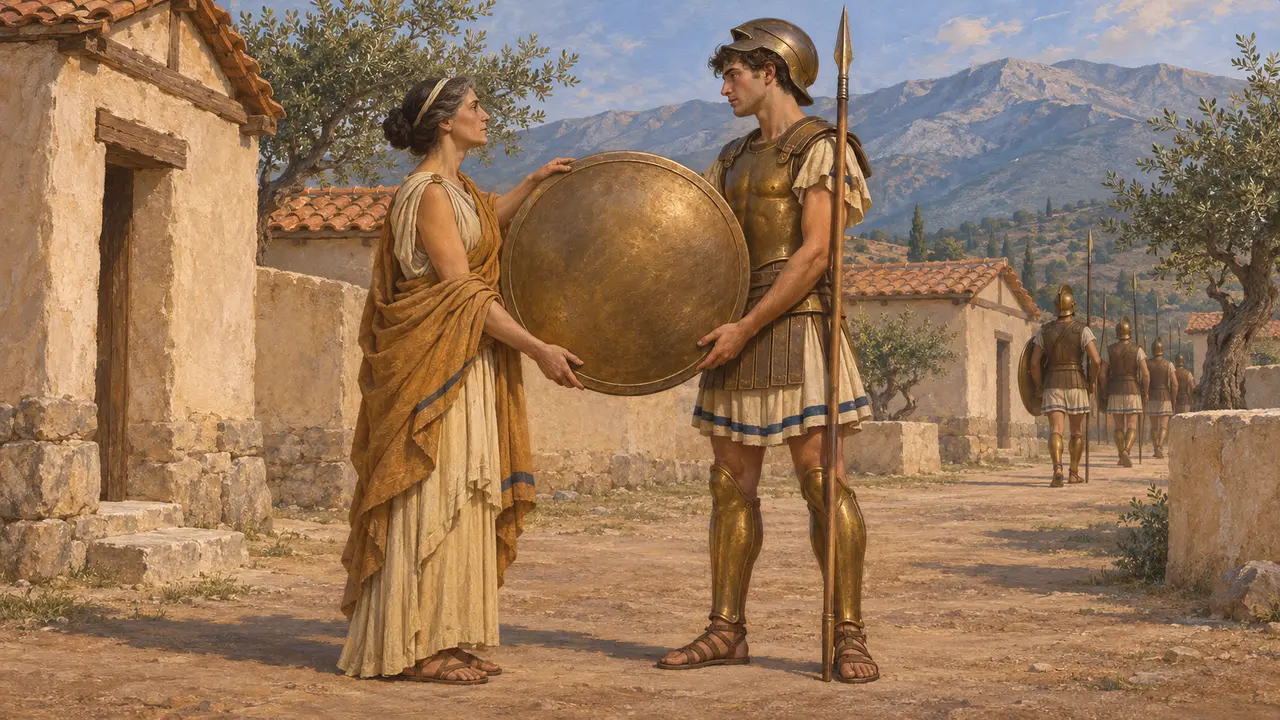
Sayings of the Spartans
Later legendCollections of sayings made by Plutarch, nearly six centuries later, have Leonidas reply to a demand to give up his arms by telling the Persians to come and take them. Another has a Spartan mother tell her son to come home with his shield or upon it. These are moral tales from a later age, and they are not evidence for what was said in 480.
Plutarch, Sayings of Spartans; Plutarch, Sayings of Spartan Women
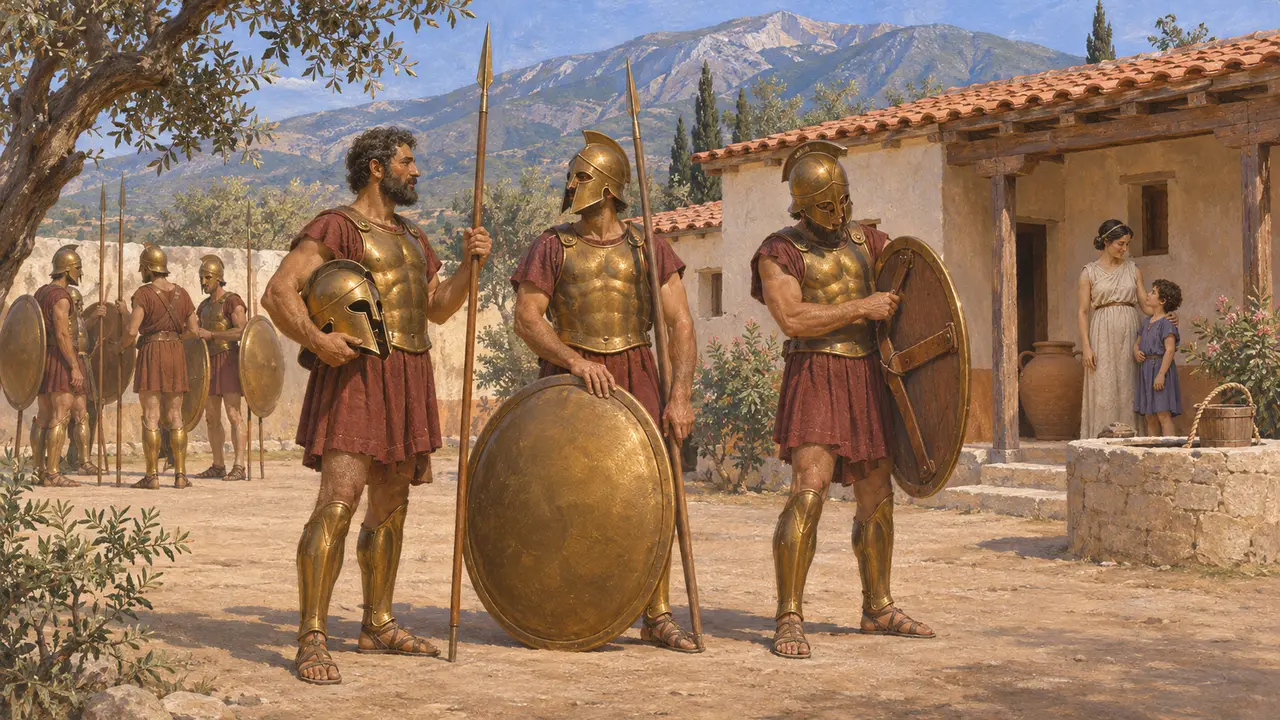
How unusual were the Spartans
DisputedModern historians speak of a Spartan mirage: an image of austere, unbeatable warriors shaped by admirers in Athens and by later writers. Some, such as Stephen Hodkinson, argue that Spartan wealth, family life and training were less exceptional than the sources claim, while others defend a truly distinctive military system. Because the Persian record is silent, the Persian side of these battles survives only through Greek writers, Herodotus above all.
F. Ollier, Le mirage spartiate, 1933; S. Hodkinson, Property and Wealth in Classical Sparta, 2000
Sources
- Herodotus, Histories, books 7 and 9
- Xenophon, Constitution of the Lacedaemonians
- P. Cartledge, Sparta and Lakonia, 1979
- S. Hodkinson, Property and Wealth in Classical Sparta, 2000
- P. Cartledge, Thermopylae, 2006
- Plutarch, Sayings of Spartans