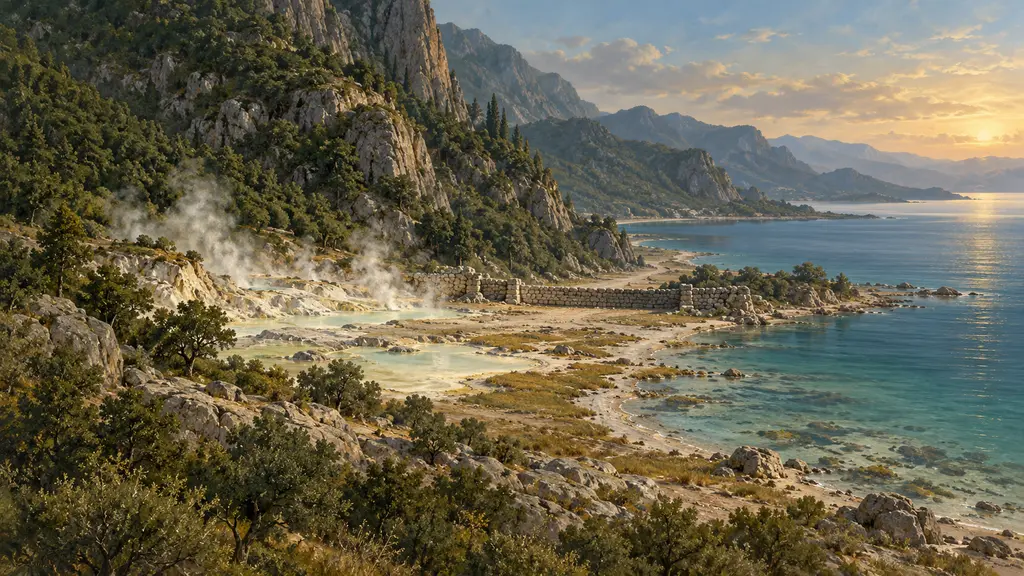
The Thespians
Boeotian Greeks of Thespiae who stood at Thermopylae, 480 BCE
In the game: Level 10: The Hot Gates
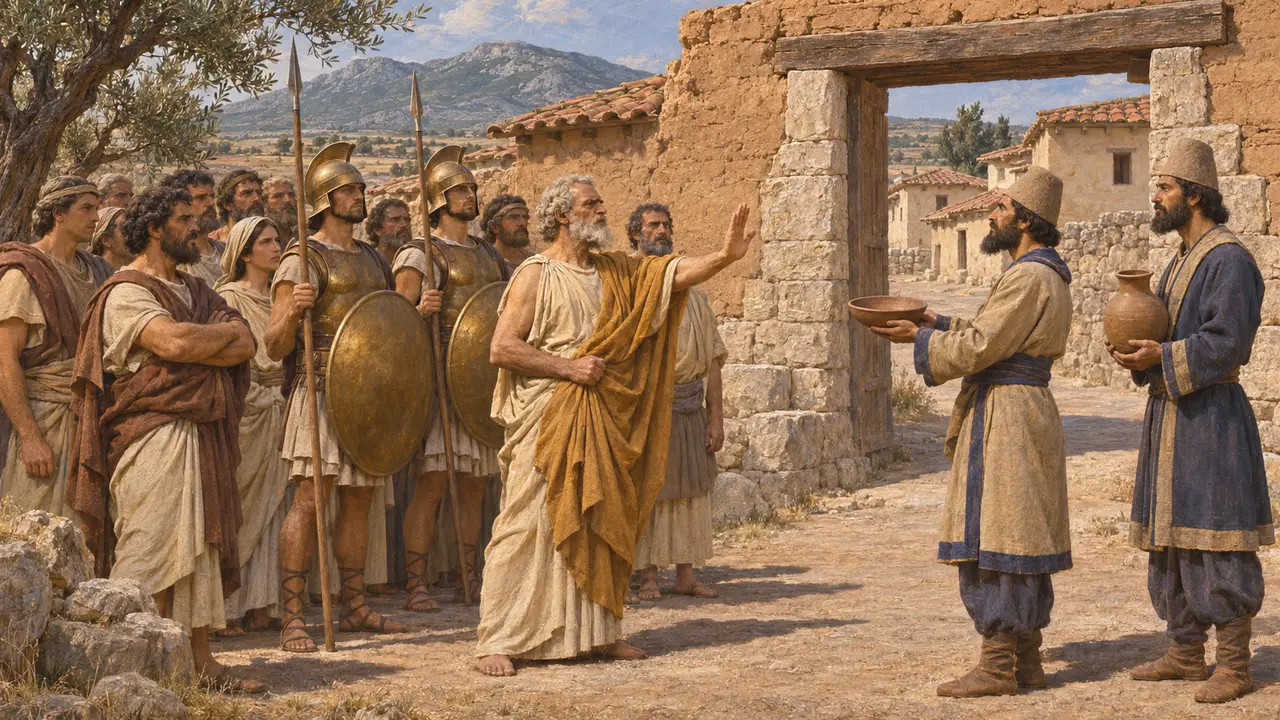
The Thespians were the people of Thespiae, a small city in Boeotia. Herodotus says they sent seven hundred men to Thermopylae and that these stayed to die with Leonidas and the Spartans. Unlike most Boeotians they did not give earth and water to Xerxes, and Herodotus reports that their city was later burned.
In the game: The game names the Thespians in the Chronicle, the decrees and the field briefings as part of Leonidas's last stand. They have no mechanic of their own beyond what those texts show. The game's figure of some seven thousand Greeks is higher than Herodotus's own totals.
Seven hundred at the pass
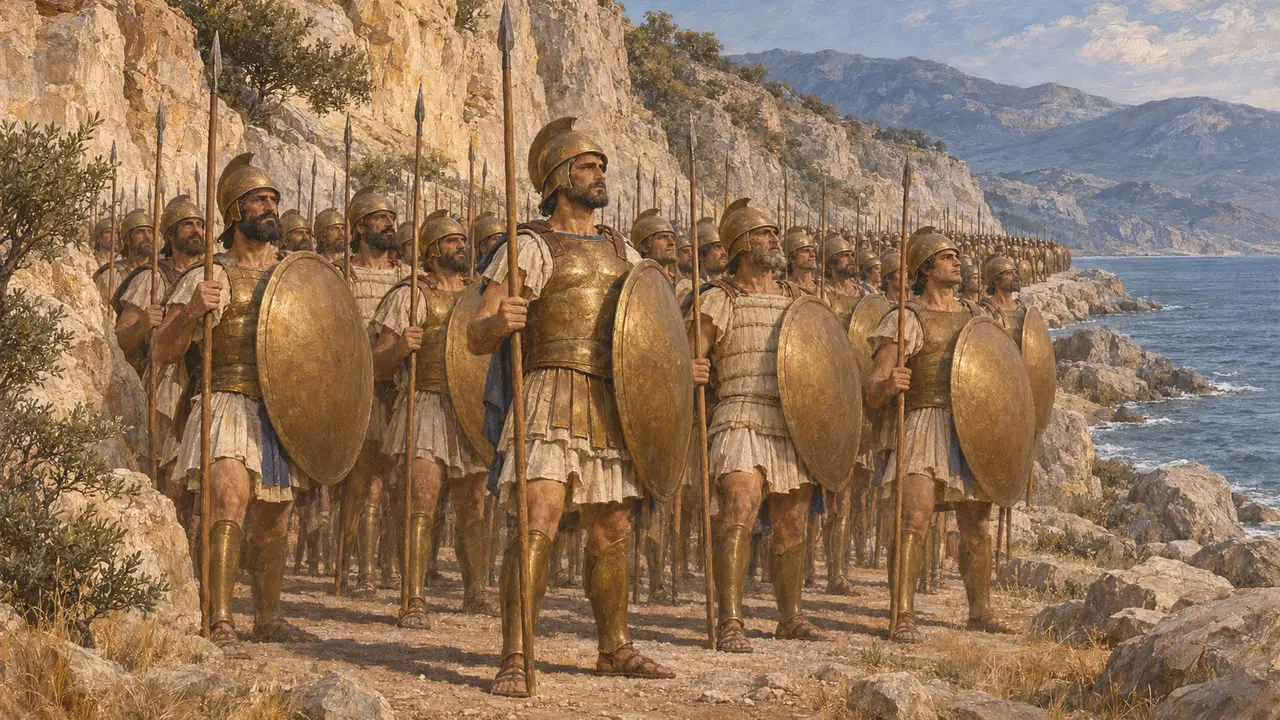
Ancient accountHerodotus lists the Greek contingents at Thermopylae and gives the Thespians seven hundred men. He names their commander as Demophilus. His own totals for the army are lower than seven thousand. The larger figure of about seven thousand is given by Diodorus, a much later writer.
Herodotus 7.202
Why they stayed
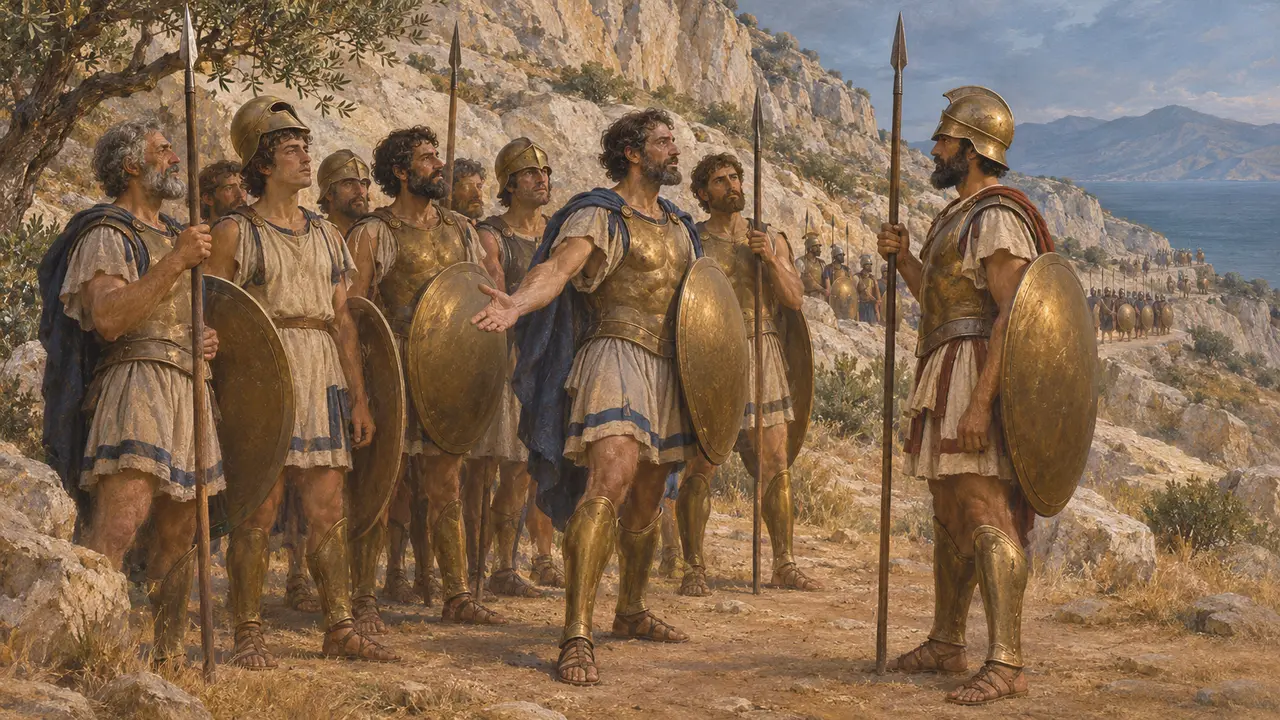
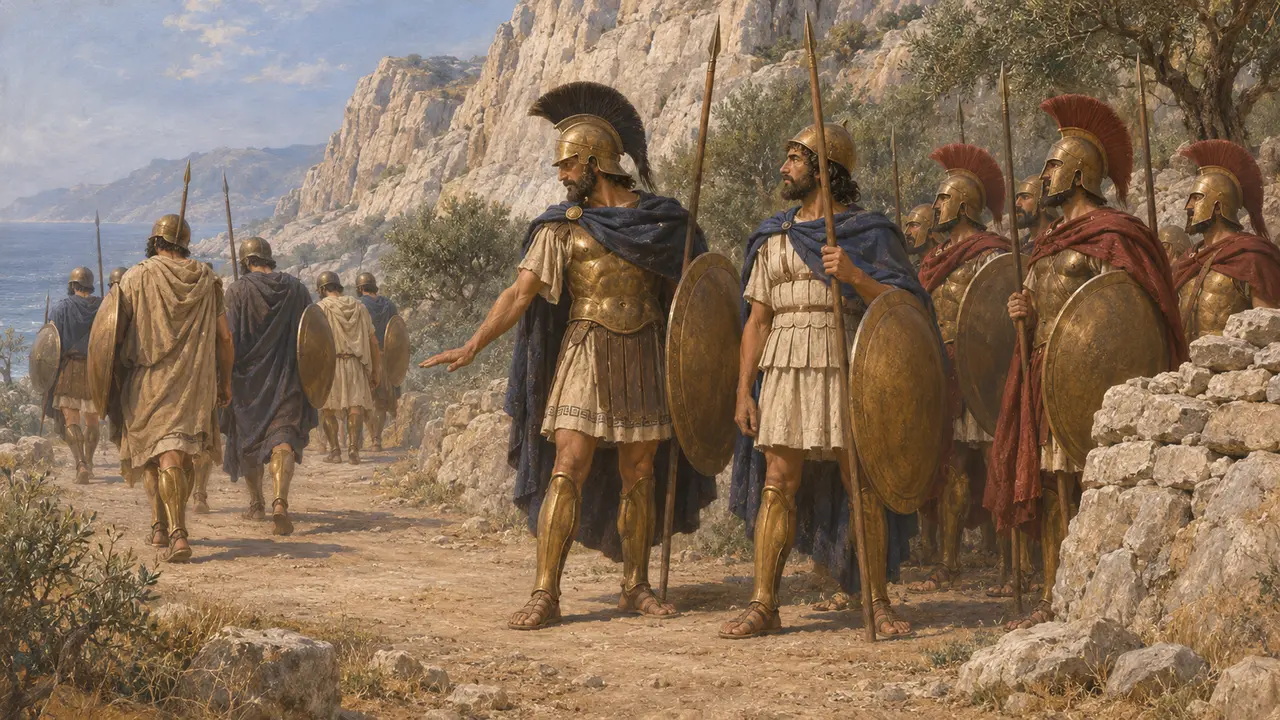
Ancient accountHerodotus says that when Leonidas dismissed the allies, the Thespians refused to leave him and stayed of their own will. They died with the Spartans on the last day. Herodotus names a Thespian, Dithyrambus son of Harmatidas, as the bravest of them. Leonidas also kept some Thebans, whom Herodotus calls hostages, and they surrendered to the Persians when the end came.
Herodotus 7.222-233
Why the allies left: a disputed reading
DisputedHerodotus gives two reasons for the allies' departure. One is that Leonidas sent them away to save them. The other is that they left in fear and he let them go. Historians still argue over which is right, and over how large the force was. No Persian text mentions the Thespians at all.
Herodotus 7.219-222
After the pass
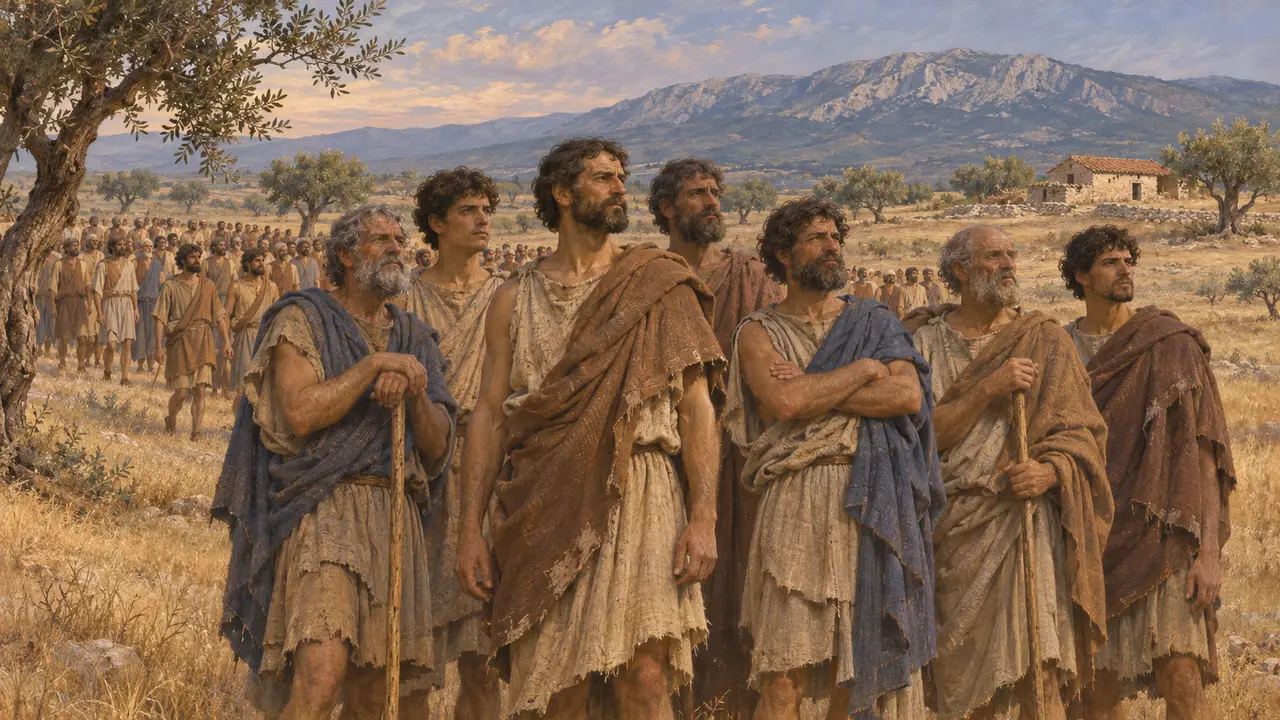
Ancient accountHerodotus says the Thespians left for the Peloponnese and that Thespiae was burned as the Persians marched through Boeotia. In 479 he reports that the Thespians fielded about eighteen hundred men at Plataea who had no proper arms.
Herodotus 8.50; Herodotus 9.30
Sources
- Herodotus 7.132
- Herodotus 7.202
- Herodotus 7.219-233
- Herodotus 8.50
- Herodotus 9.30
- Diodorus Siculus, Library of History, book 11