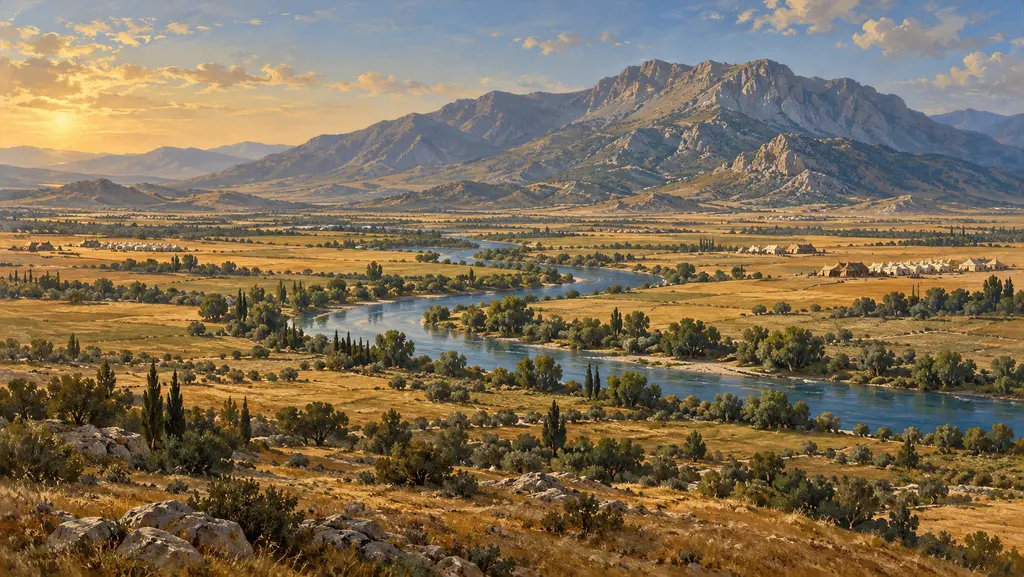
The Peloponnese
The great peninsula of southern Greece, led by Sparta, 480-479 BCE
The Peloponnese is the large peninsula of southern Greece, joined to the mainland by the Isthmus of Corinth. Sparta led most of its cities in a league, though Argos held aloof. In 480 the Peloponnesians walled the Isthmus to keep the King out, and in 479 they marched north to Plataea.
In the game: The Peloponnese is named in the Thermopylae and Plataea levels' texts: the grain ships bound for it, the Athenians who fled there, and the Peloponnesians at Mycale and Sestos.
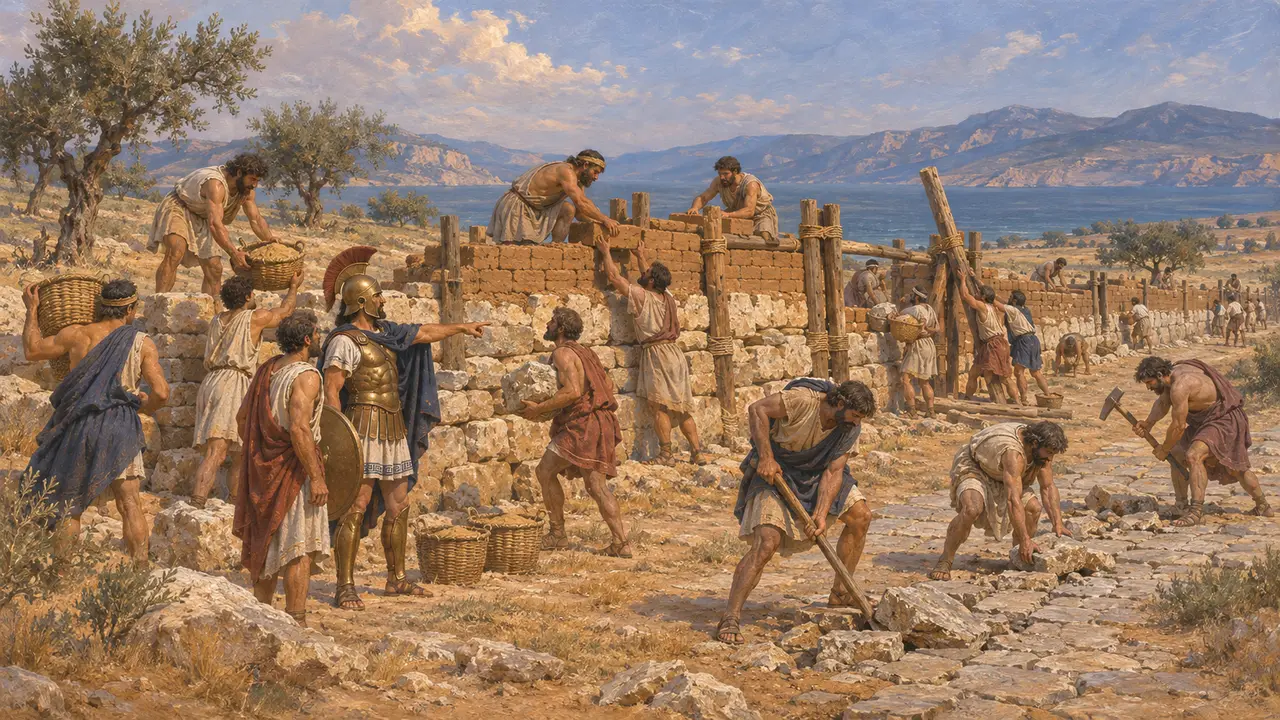
The wall at the Isthmus
Ancient accountWhen the Peloponnesians heard that Leonidas had fallen, Herodotus says, they gathered at the Isthmus under Cleombrotus, Leonidas's brother, broke up the Scironian road and built a wall across, working night and day with stones, bricks, timber and baskets of sand.
Herodotus 8.71
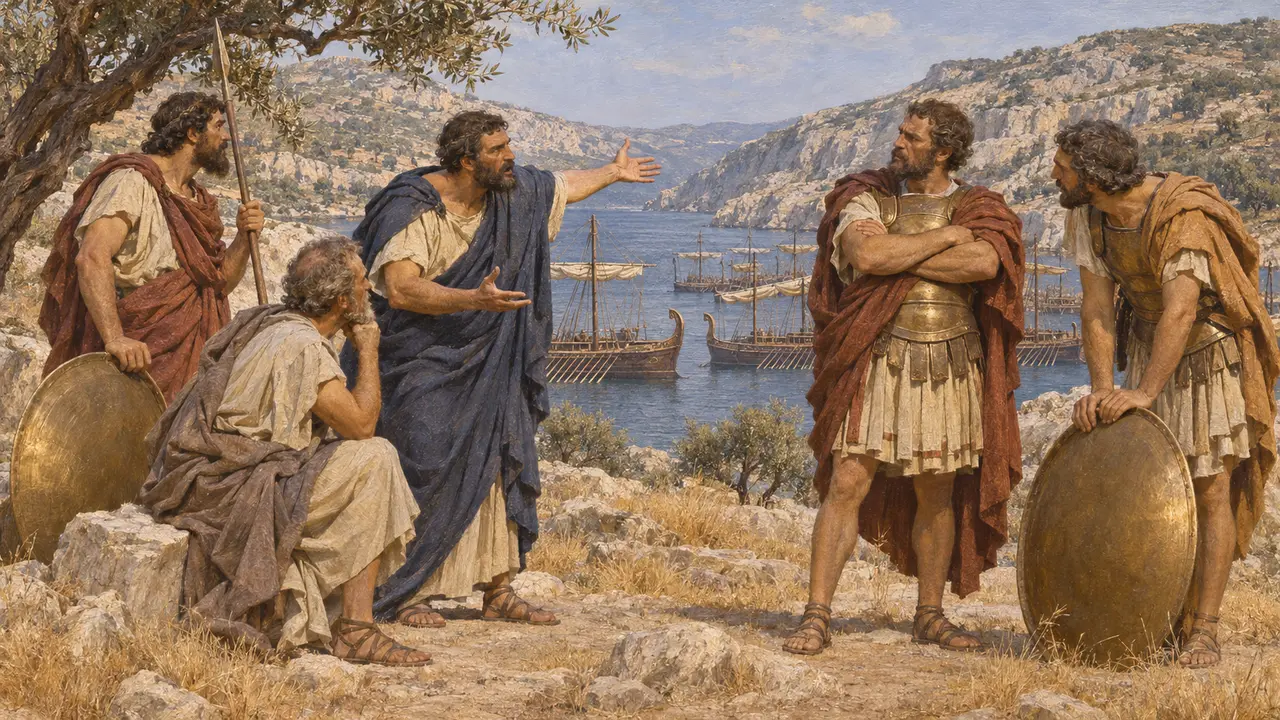
Salamis or the Isthmus
Ancient accountBefore Salamis the Peloponnesian commanders wanted to fall back and fight by the Isthmus, near their own land. Themistocles argued for the narrows of Salamis and, Herodotus says, sent word to the King to make the Greeks fight there.
Herodotus 8.49, 8.56-63, 8.74-75
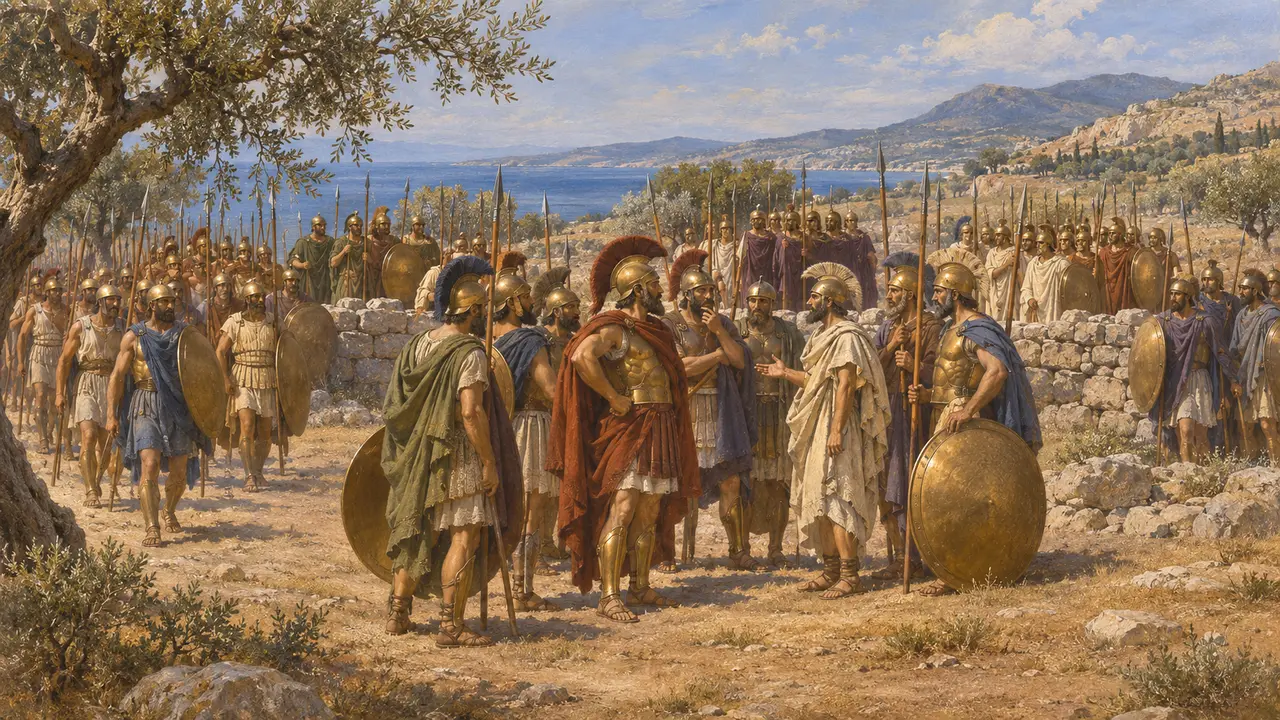
Who fought and who stayed out
Ancient accountHerodotus lists the Peloponnesians at the Isthmus: Spartans, Arcadians, Eleans, Corinthians, Sicyonians, Epidaurians, Phliasians, Troezenians and Hermionians. The rest, Argos among them, he says, sat still, and so took the King's side.
Herodotus 8.72-73
North to Plataea
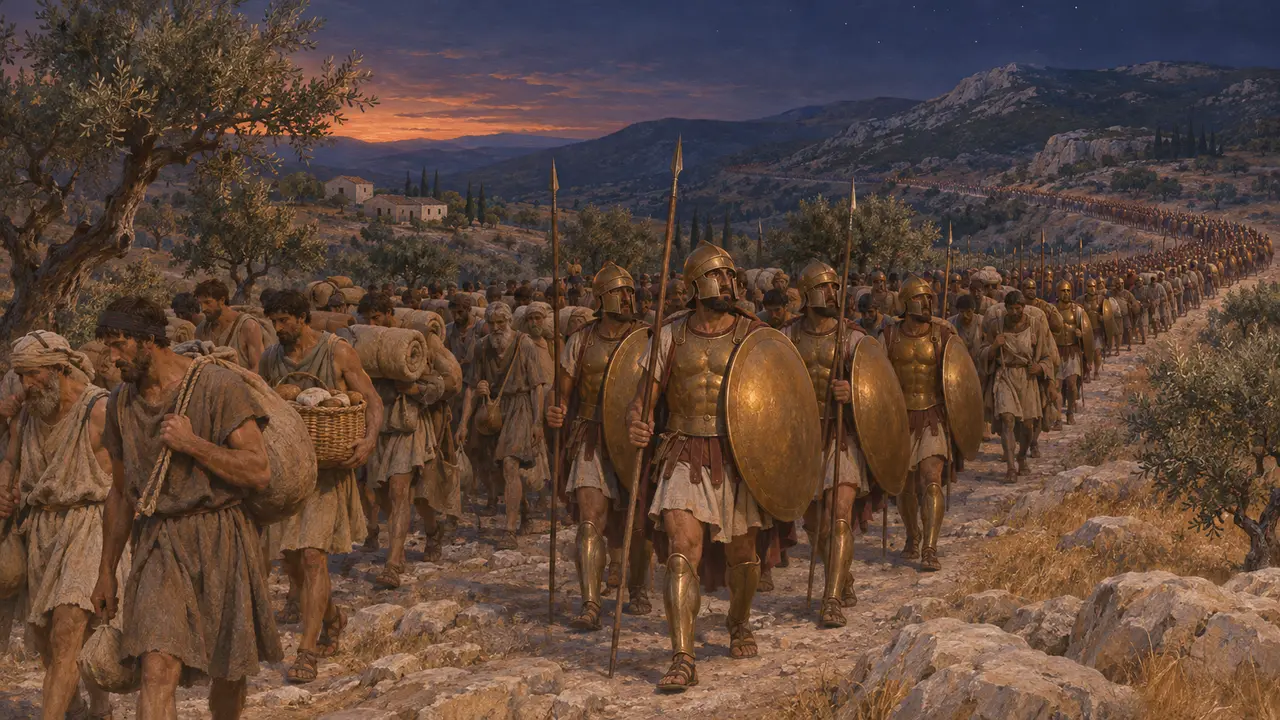
Ancient accountIn 479 the Spartans delayed while the wall was finished, until the Athenians threatened to come to terms with Mardonius. Then five thousand Spartans, each with seven helots, marched out by night, and the other Peloponnesians followed them to Plataea.
Herodotus 9.6-11, 9.28-29
Sources
- Herodotus 8.49-75, 9.6-11, 9.28-29