Mardonius
Persian general, son of Gobryas and son-in-law of Darius, died at Plataea in 479 BCE
In the game: Level 7: Sardis Burns, Level 9: The Canal, Level 11: The Finale
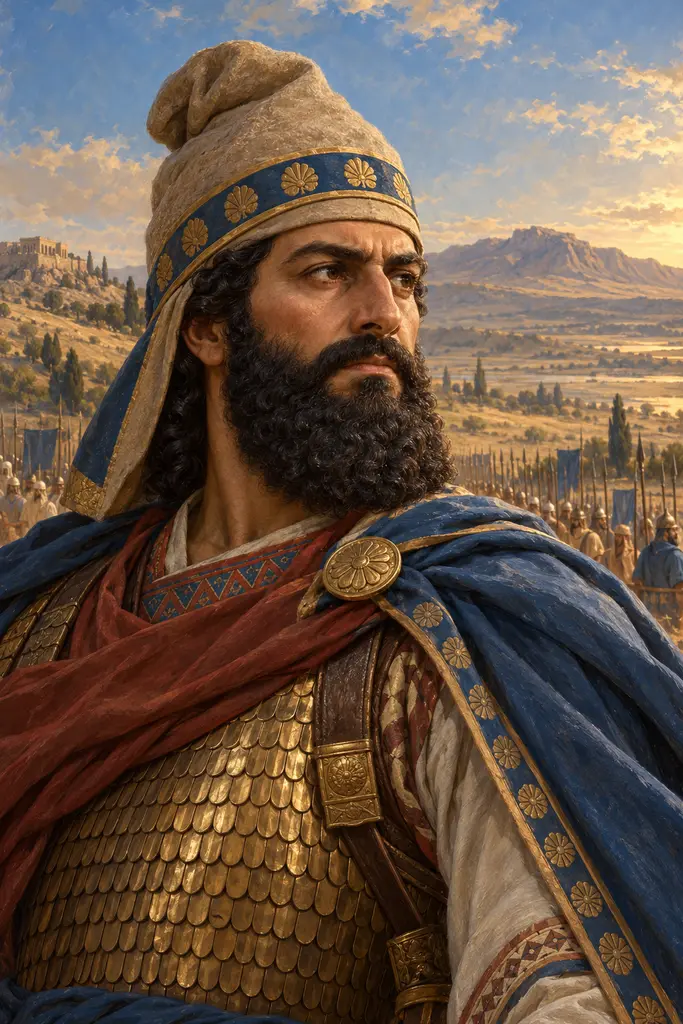
Mardonius was a Persian noble of the highest rank, son of Darius's fellow conspirator Gobryas and husband of one of Darius's daughters. He led the campaign of 492 into Thrace and Macedonia, urged Xerxes to invade Greece, and commanded the army left behind after Salamis. The defeat of his army at Plataea in 479, where he was killed, ended the King's attempt to conquer mainland Greece.
In the game: The game's chronicle note sums Mardonius up in one line: Gobryas's son and Darius's son-in-law, who lost his fleet off Athos in 492, urged Xerxes to war, stayed in Greece after Salamis and fell at Plataea.
A family close to the throne
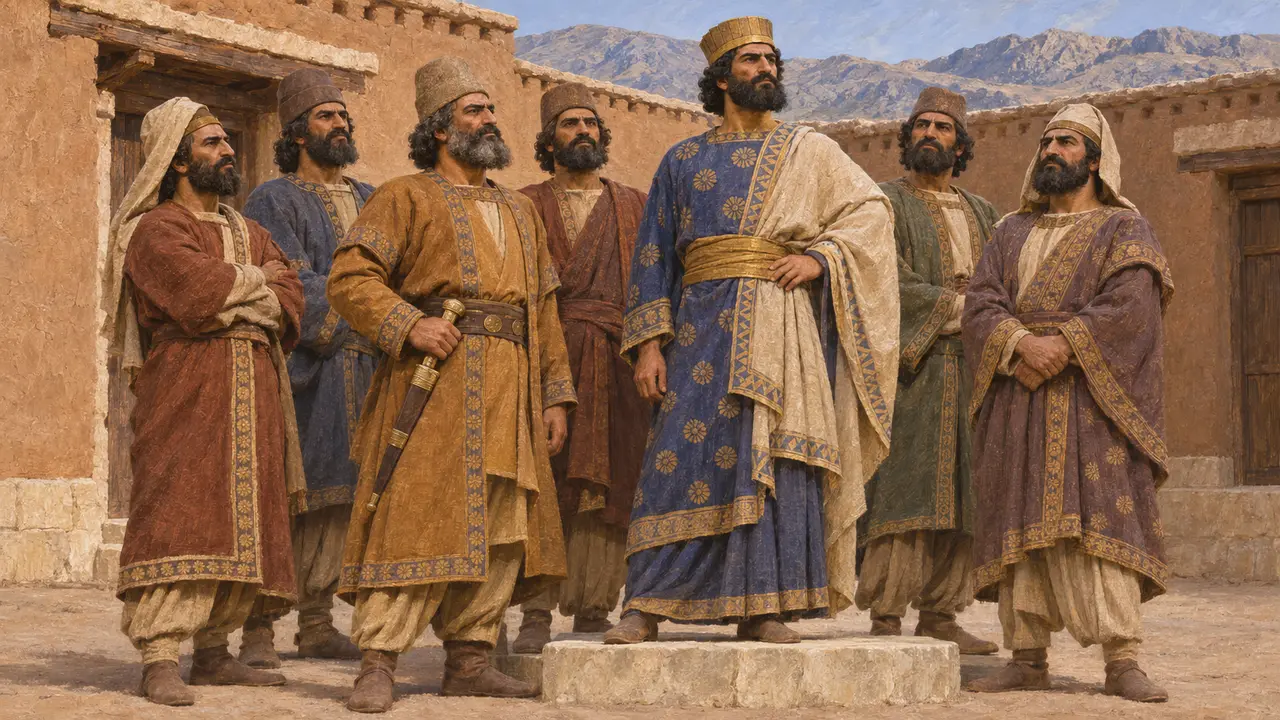
In the recordDarius's inscription at Behistun names Gaubaruva, son of Marduniya, among the six Persians who stood with him against Gaumata in 522. Gaubaruva is the Gobryas of the Greeks, and Marduniya is the Old Persian form of Mardonius. The general therefore probably bore his grandfather's name, and he came from one of the families that helped put Darius on the throne.
DB §68
The campaign of 492
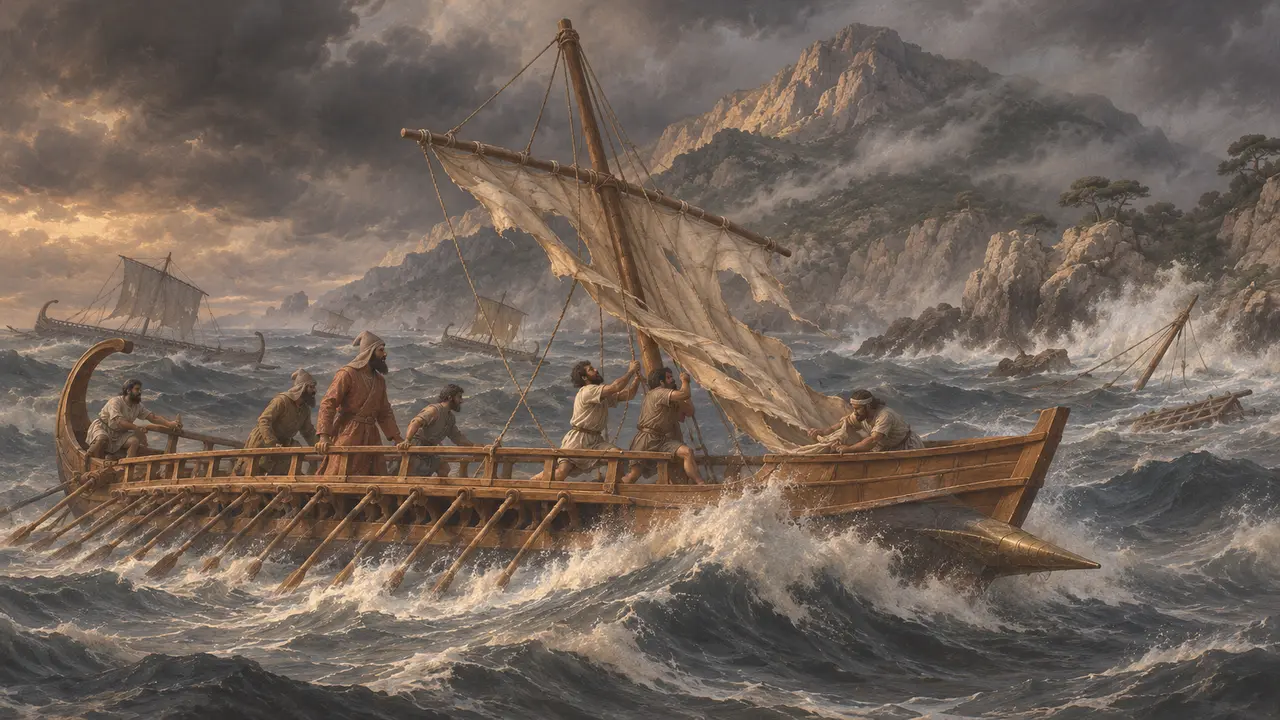
Ancient accountHerodotus says Mardonius, young and newly married to Darius's daughter Artozostra, came to Ionia, removed the Greek tyrants and allowed democracies. His fleet took Thasos without a fight, and his army added the Macedonians to the King's subjects, though Macedon had given earth and water years before. A storm off Mount Athos wrecked the fleet, by Herodotus's count 300 ships and over 20,000 men, and the Thracian Brygi wounded him in a night attack.
Herodotus 6.43-45
Voice for war and commander in Greece
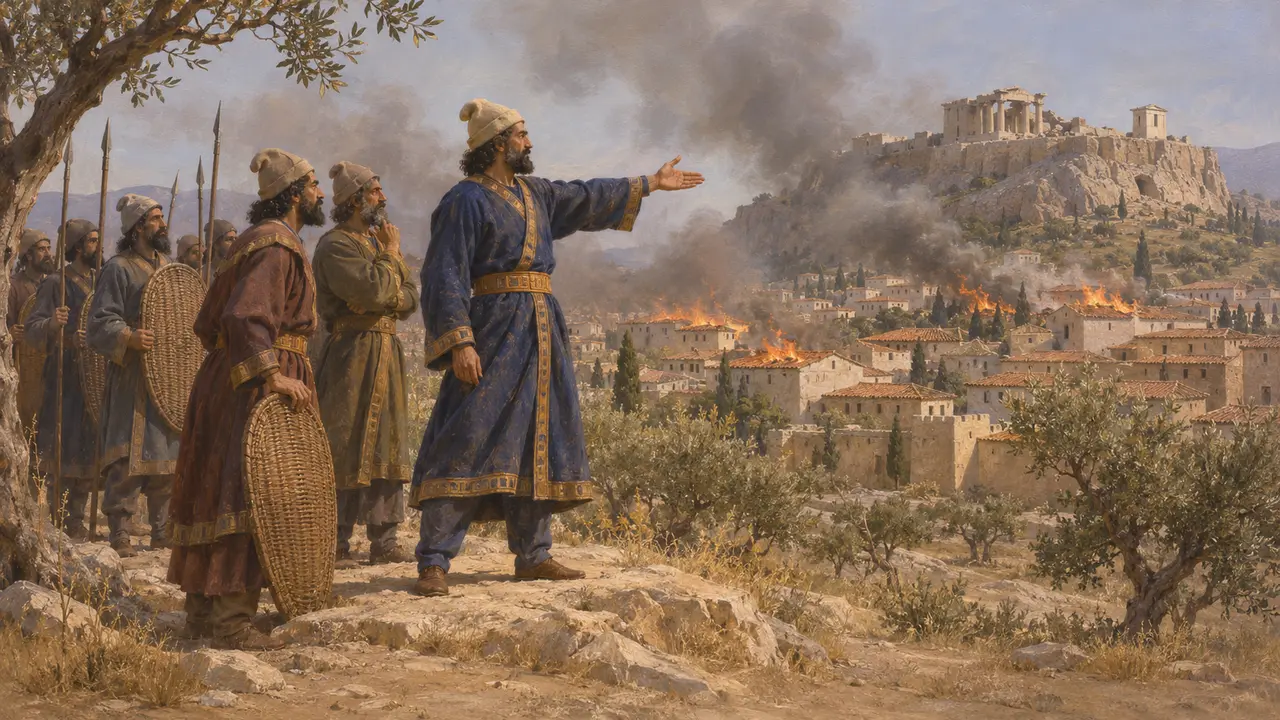
Ancient accountHerodotus makes Mardonius the chief courtier urging Xerxes to punish Athens, against the caution of Artabanus. After Salamis he offered to stay with picked troops while the King went home. He wintered in Thessaly, sent Alexander of Macedon to offer Athens an alliance, and in 479 reoccupied Athens and burned it before withdrawing to Boeotia.
Herodotus 7.5-10; Herodotus 8.100-102; Herodotus 8.113; Herodotus 8.136-140; Herodotus 9.1-13
Death at Plataea
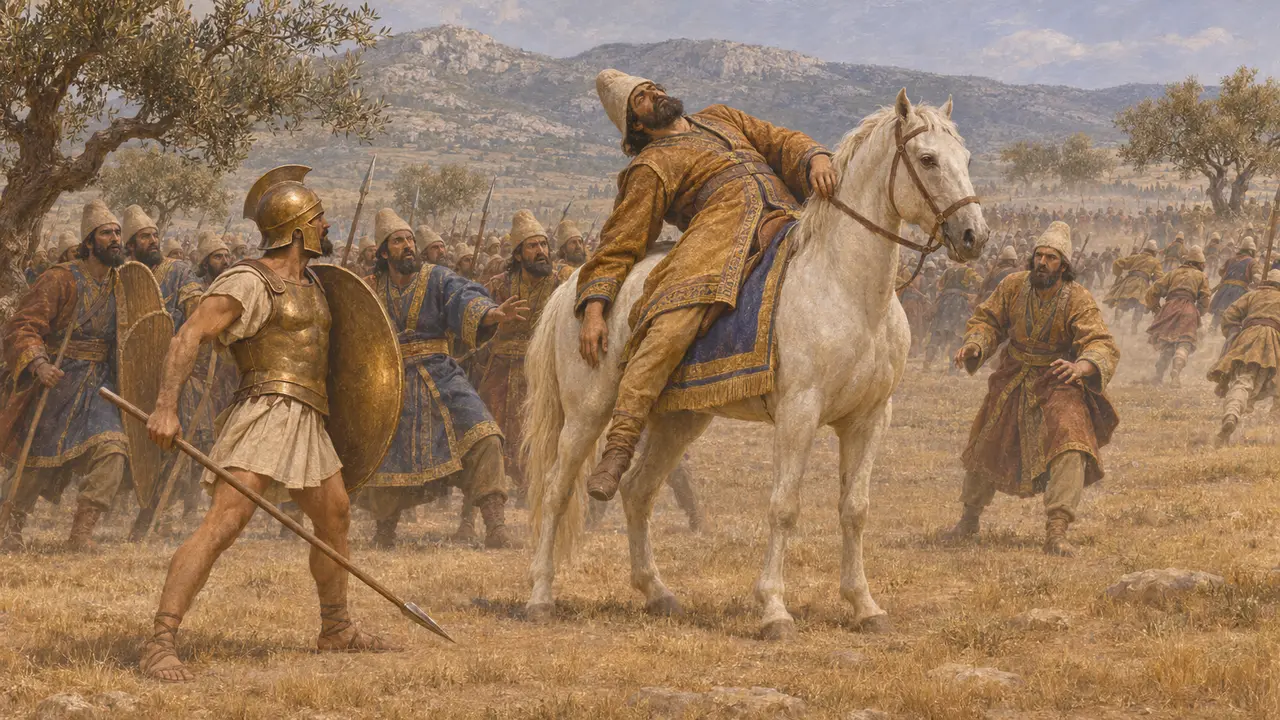
Ancient accountHerodotus says Mardonius fought on a white horse among a thousand picked Persians, and that the Persians broke once a Spartan named Arimnestus killed him. His body vanished the next day, and Herodotus heard several rival claims about who had buried it. He also reports that Pausanias refused advice to mutilate the corpse in revenge for Leonidas.
Herodotus 9.63-64; Herodotus 9.78-79; Herodotus 9.84
Reckless favourite or capable general
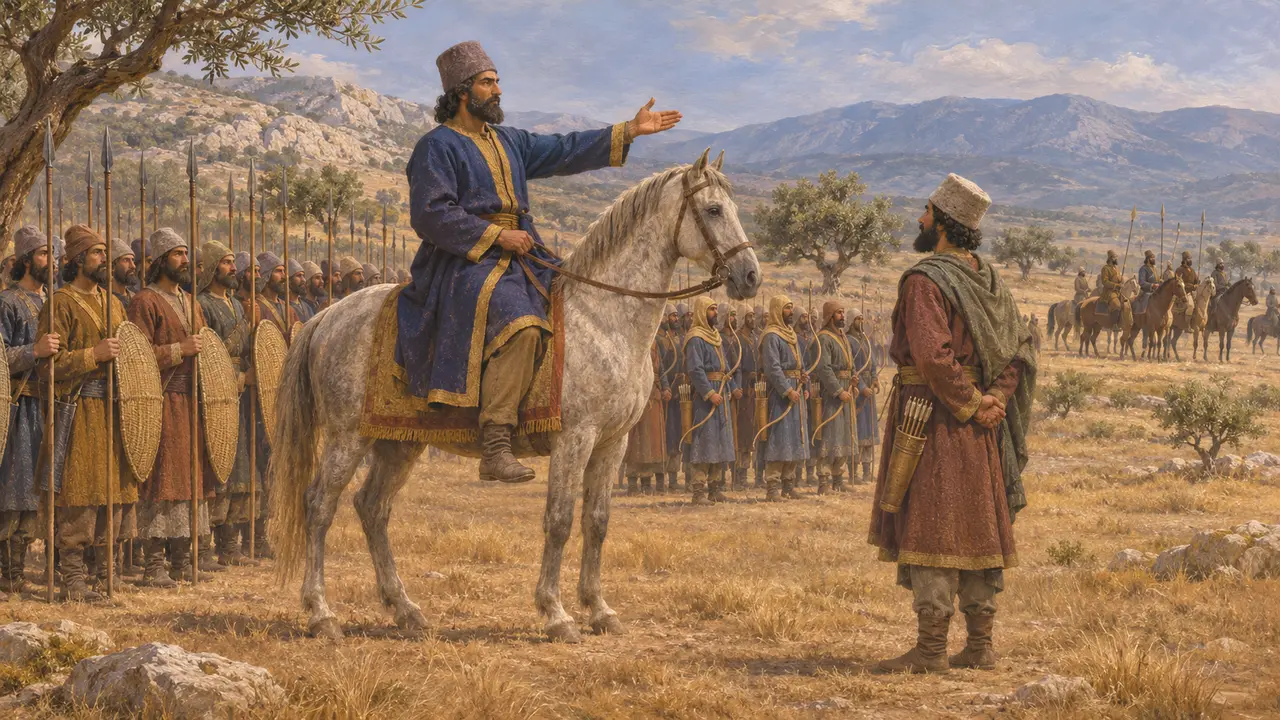
DisputedHerodotus portrays Mardonius as ambitious and eager to govern Greece. Modern historians answer that the campaign of 492 secured Thrace and Macedonia despite the storm, and that the invasion was royal policy rather than one courtier's scheme. Herodotus gives him 300,000 men at Plataea, a figure historians regard as greatly exaggerated.
P. Briant, From Cyrus to Alexander, 2002; J. F. Lazenby, The Defence of Greece 490-479 BC, 1993; Herodotus 9.32
Sources
- Herodotus, Histories, books 6-9
- DB §68
- P. Briant, From Cyrus to Alexander, 2002
- J. F. Lazenby, The Defence of Greece 490-479 BC, 1993