Thrace
The lands north of the Aegean and Hellespont, a Persian foothold in Europe, 513-479 BCE
In the game: Level 6: The Bridge of Boats
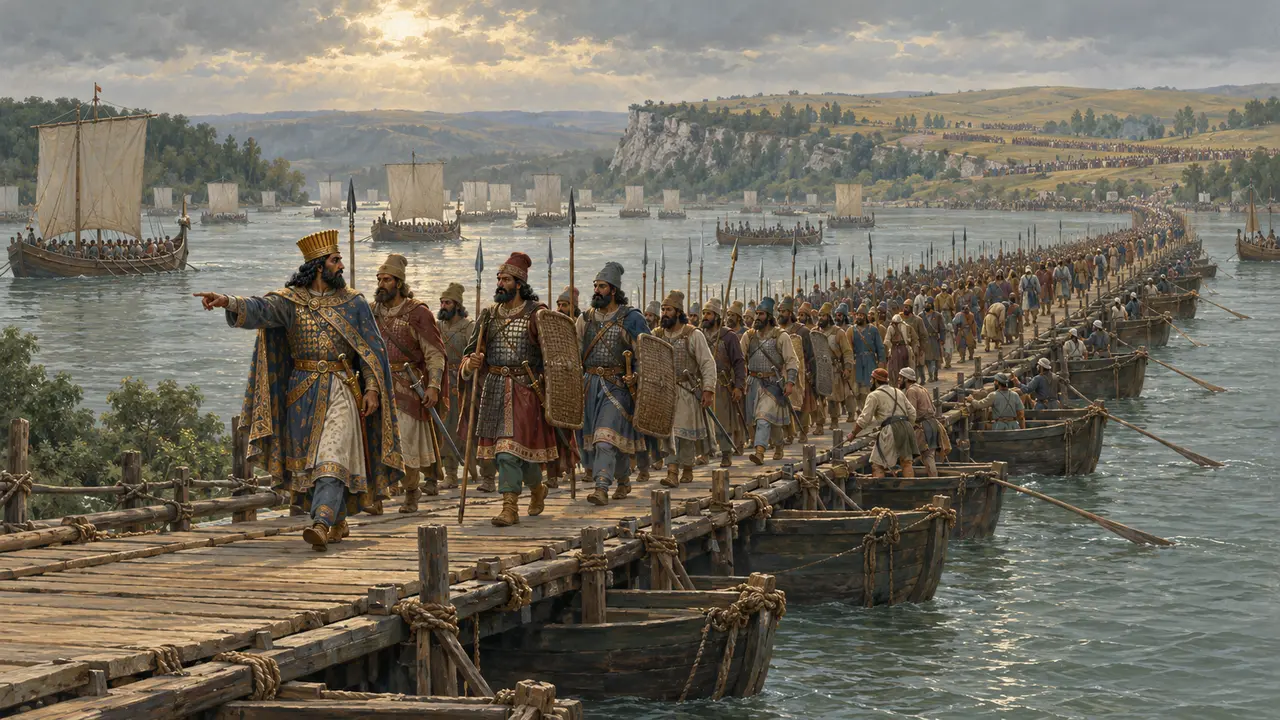
Thrace was the country north of the Aegean and the Hellespont, held by many tribes. Darius's army crossed it on the way to the Ister in about 513, and Persian garrisons held places on its coast until after 479. It gave Persia a foothold in Europe for the later campaigns against Greece.
In the game: The game names Thrace in Chronicle entries and in the event articles on the Scythian campaign, the Getae, Athos and Doriscus. It has no level, building or mechanic of its own.
A land of many tribes
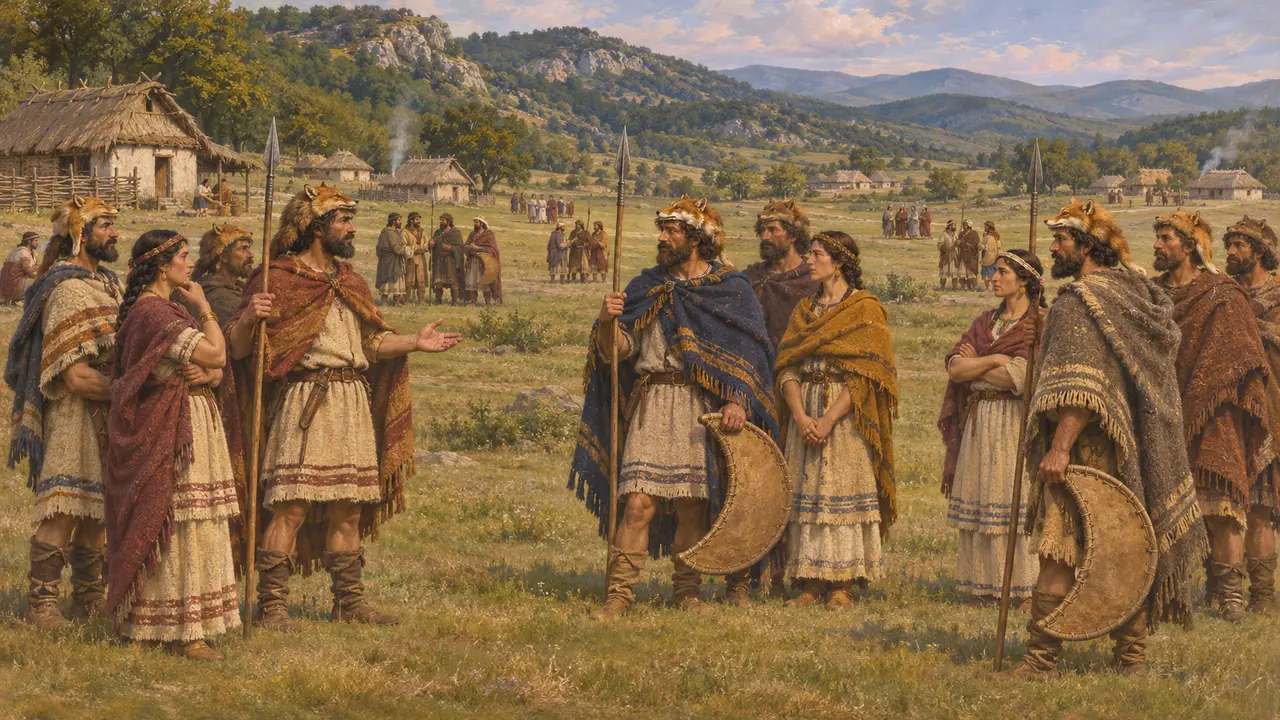
Ancient accountHerodotus describes the Thracians as the most numerous people after the Indians, divided into many tribes with different names and customs. He says they would be unbeatable if they ever united under one ruler, which he thought unlikely. This is a Greek observer's view of the country.
Herodotus 5.3
Megabazus and the conquest
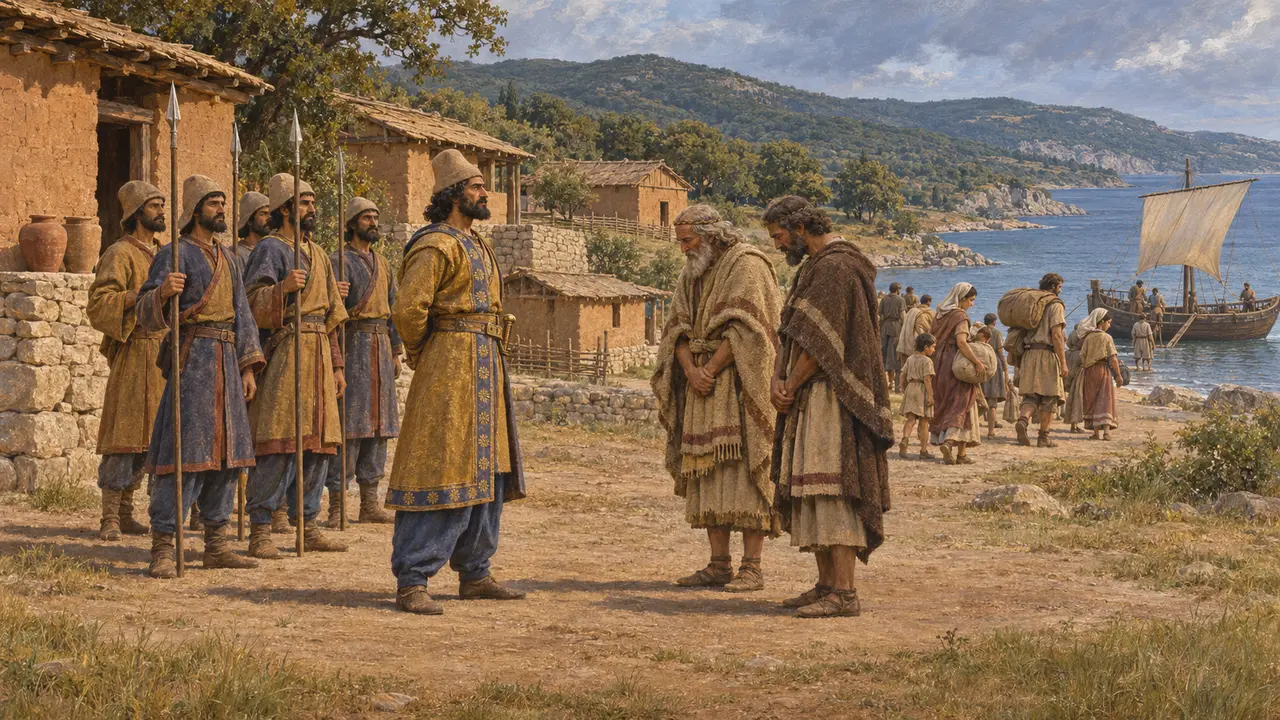
Ancient accountHerodotus says Darius left Megabazus in Europe after the Scythian expedition, and that he subdued the Thracian coast and the Paeonians, some of whom were moved to Asia. Herodotus also reports a Persian embassy to Macedonia that asked for earth and water. How far inland Persian control reached is not clear from his narrative.
Herodotus 5.1-2
Skudra in the Persian lists
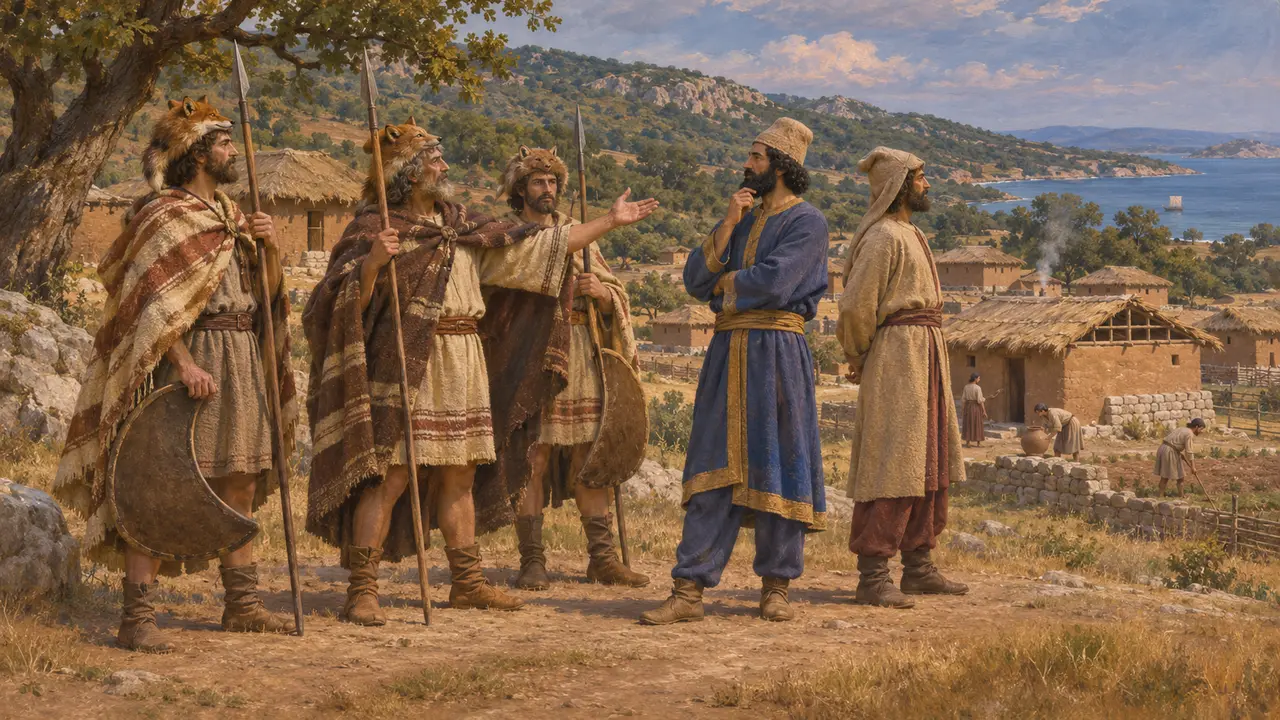
In the recordDarius's inscriptions list a land called Skudra among the subject peoples, and DNa is one example. Skudra is usually taken to mean the Persian holdings in Europe, including Thrace, but the exact extent is not fixed by the texts.
DNa
How far Persian rule reached
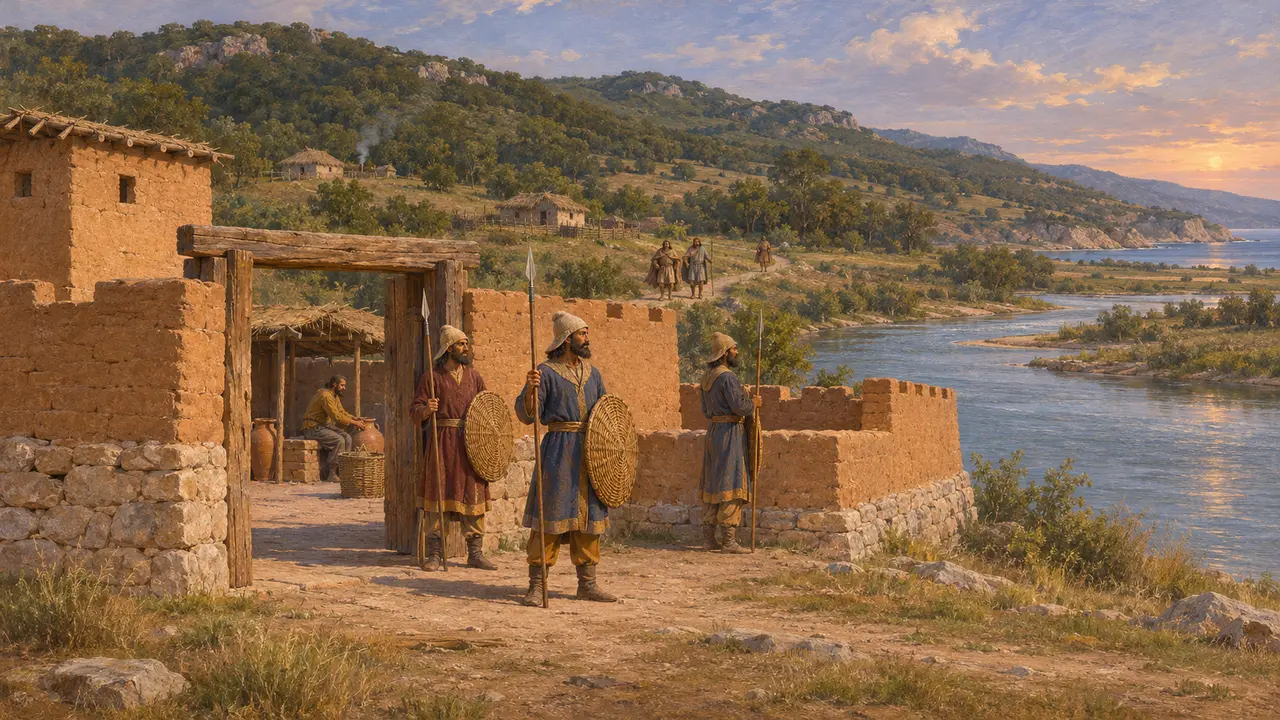
DisputedHistorians disagree about how firmly Persia held Thrace. Some see an organised province with garrisons at places such as Doriscus and Eion. Others see a loose hold on the coast and river valleys, with inland tribes paying little or nothing. Briant treats the control as real but uneven.
P. Briant, From Cyrus to Alexander, 2002
Doriscus and the road of Xerxes
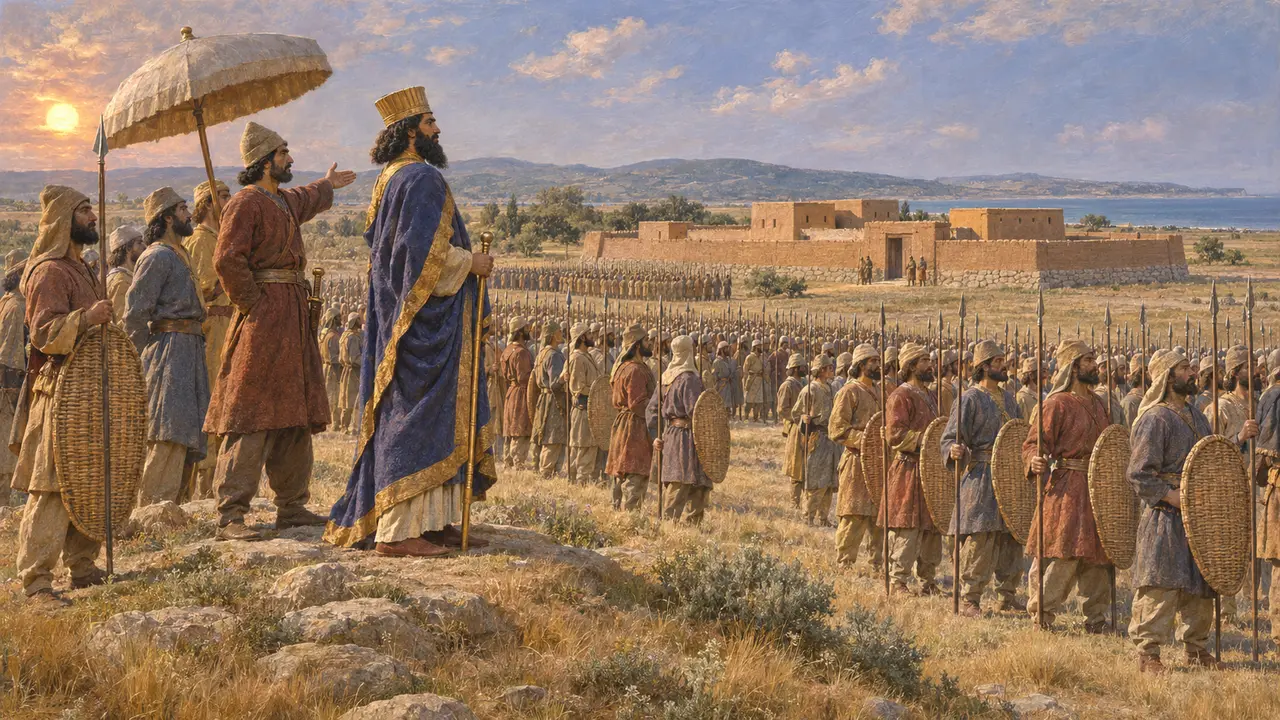
Ancient accountHerodotus says Xerxes reviewed his army on the plain of Doriscus in 480, where a Persian garrison already stood under Mascames. Herodotus says Mascames kept Doriscus afterwards. Thucydides records that Eion on the Strymon, held by a Persian garrison, was taken by the Athenians under Cimon some years later.
Herodotus 7.59, 7.105-106; Thucydides 1.98
Sources
- Herodotus 5.1-2
- Herodotus 7.59
- Herodotus 7.105-106
- DNa
- Thucydides 1.98
- P. Briant, From Cyrus to Alexander, 2002