Encyclopedia › Battles and events
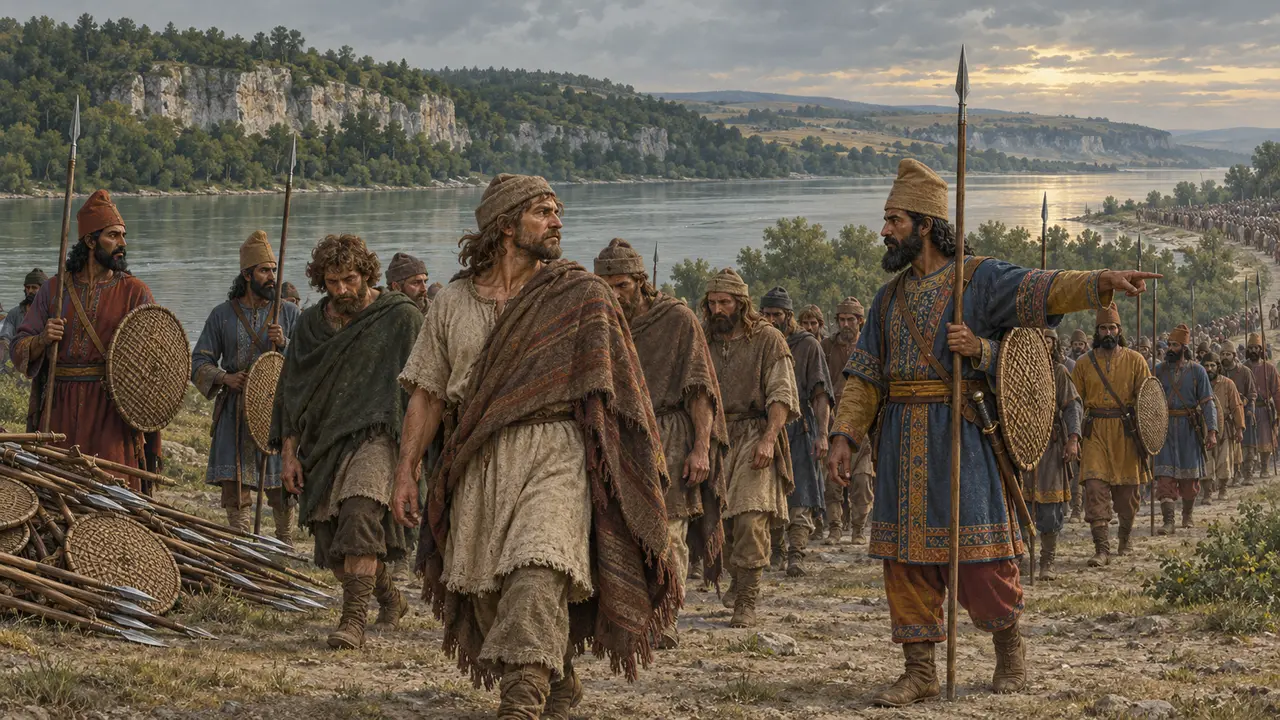
The defeat of the Getae
Darius's conquest of a Thracian people on the march to the Ister, about 513 BCE
In the game: Level 6: The Bridge of Boats
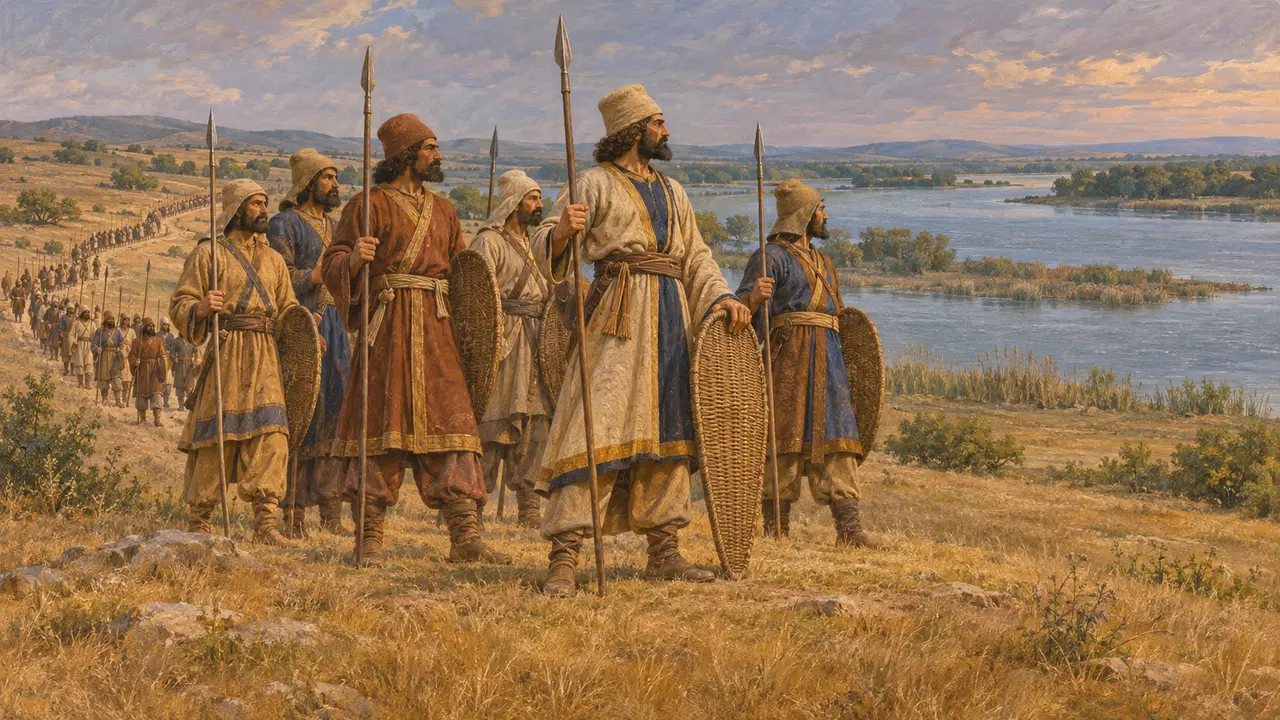
On his march against the Scythians, about 513, Darius crossed Thrace towards the Ister (the Danube). Herodotus says most Thracian peoples gave in without a fight, but the Getae resisted and were subdued. The episode is known in detail only from Herodotus, who used it to describe the Getae and their belief that they did not die.
In the game: The game shows the episode as a battle and follows Herodotus: the Getae alone stand against the King and are made to march with his army. No Persian source confirms it.
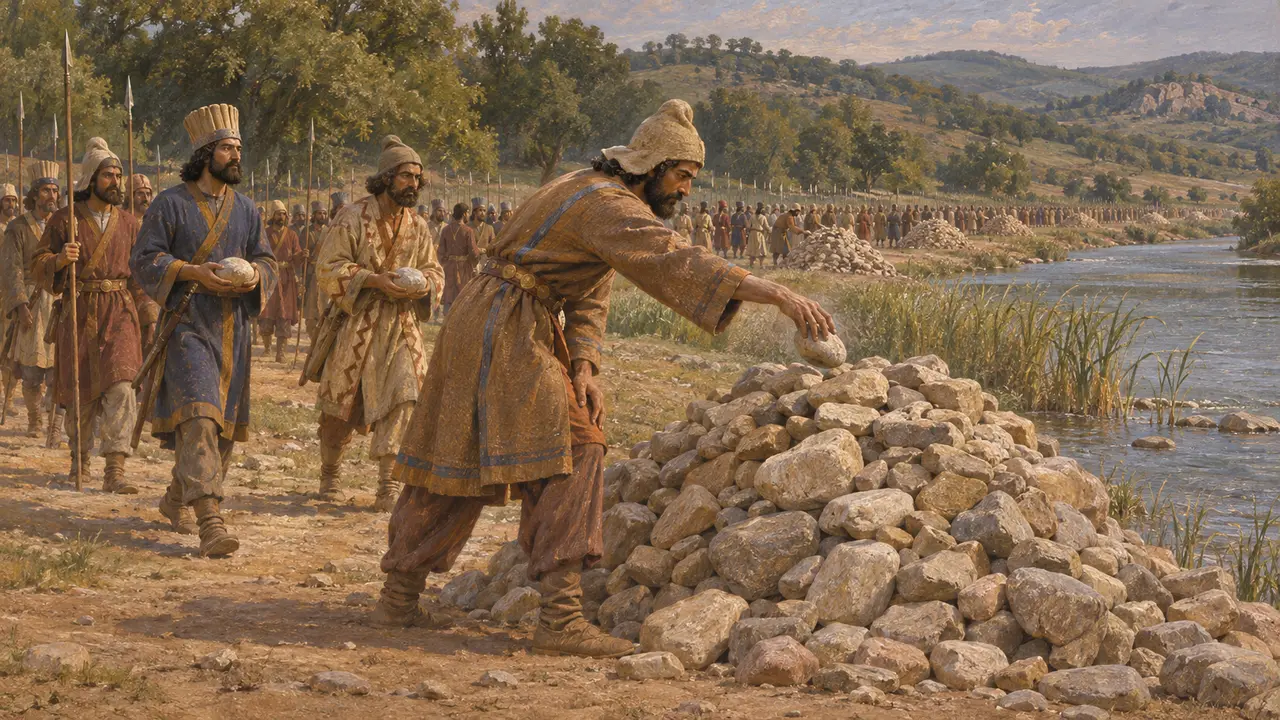
The march through Thrace
Ancient accountHerodotus says Darius crossed the Bosporus on a bridge of boats and led his army north through Thrace, while the Ionian fleet sailed into the Black Sea to bridge the Ister. On the way he camped at the springs of the Tearus and at the river Artescus. Herodotus says that at the Artescus each soldier was ordered to drop a stone, leaving great heaps behind.
Herodotus 4.89-92
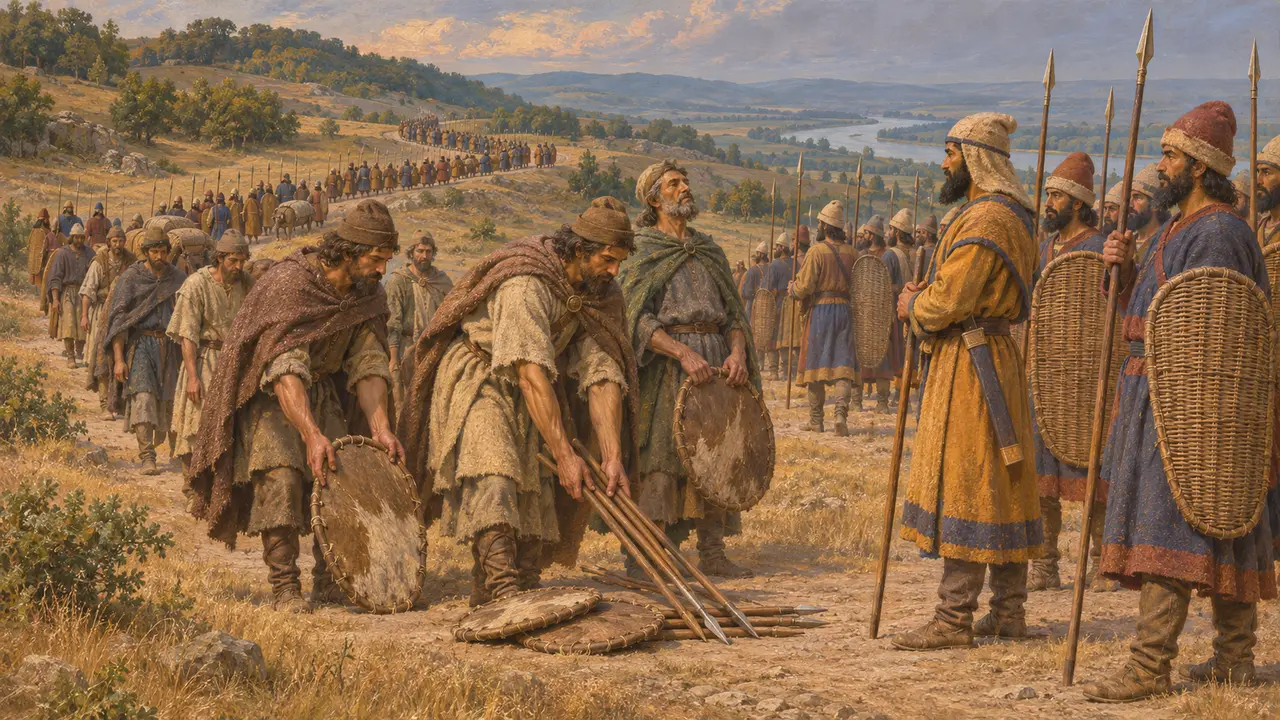
The Getae resist and are subdued
Ancient accountHerodotus says the Thracians of Salmydessus and those living inland from Apollonia and Mesambria surrendered without fighting. The Getae, whom he calls the bravest and most just of the Thracians, chose to resist and were at once overcome. He adds that, once beaten, they followed the rest of Darius's army north towards the Ister.
Herodotus 4.93, 4.96

A people who believed they did not die
Ancient accountHerodotus explains that the Getae held that the dead went to a god called Salmoxis, or Zalmoxis. Every fifth year, as he counts it, they chose a messenger by lot and sent him to the god by throwing him onto upright spears. He also says they shot arrows at the sky during thunder and lightning, threatening the god, and recognised no god but their own.
Herodotus 4.94
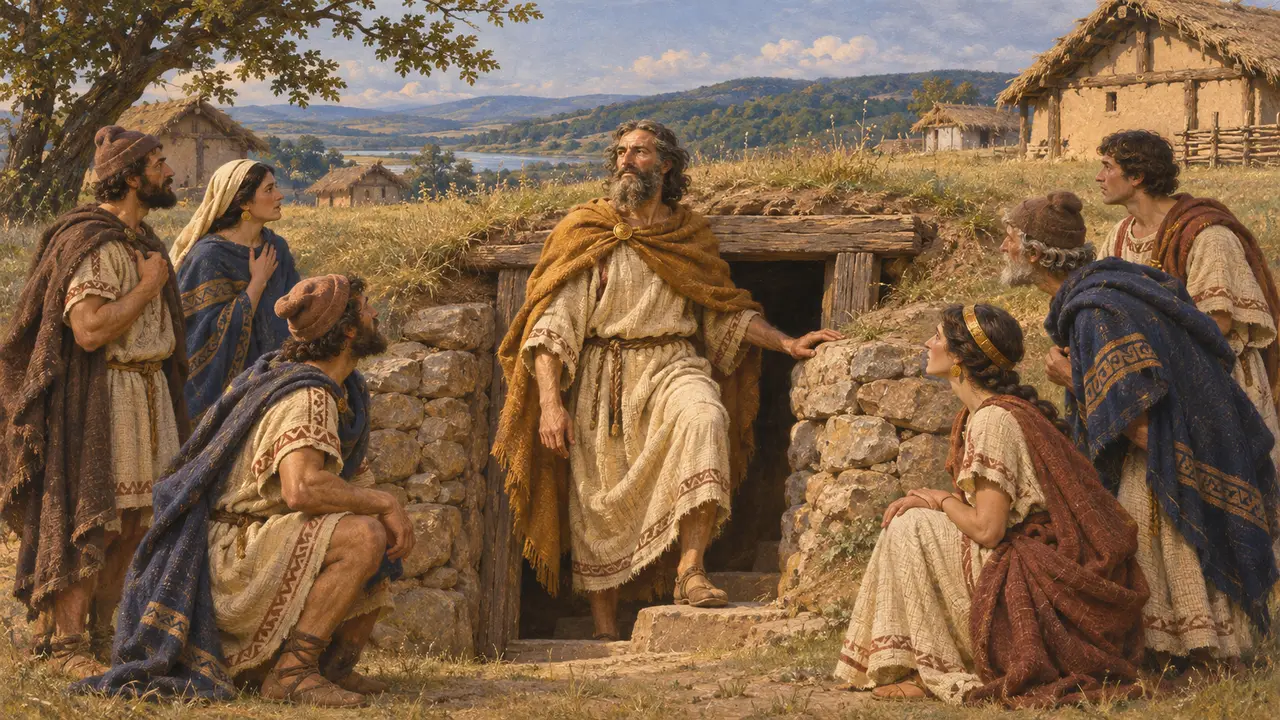
Salmoxis and Pythagoras
Later legendHerodotus reports a story told by the Greeks of the Hellespont and the Black Sea. In it, Salmoxis had been a slave of Pythagoras on Samos, grew rich, went home, taught the Thracians that they would live for ever, and hid in an underground room for three years before reappearing. Herodotus says he neither rejects nor fully believes the tale, and he thinks Salmoxis lived long before Pythagoras.
Herodotus 4.95-96
Silence of the Persian record
DisputedNo Persian inscription names the Getae. Later royal lists such as DNa include Skudra, usually taken as land in Thrace, but historians disagree on whether Darius set up lasting rule this far north. The campaign's date is uncertain, usually put between about 514 and 512. Its aims are also argued, with some historians seeing it as a move to secure Thrace and the Black Sea coast rather than to conquer Scythia.
DNa; P. Briant, From Cyrus to Alexander, 2002
Sources
- Herodotus 4.89-98
- P. Briant, From Cyrus to Alexander, 2002
- DNa
- Z. Archibald, The Odrysian Kingdom of Thrace, 1998
- M. Vasilev, The Policy of Darius and Xerxes towards Thrace and Macedonia, 2015