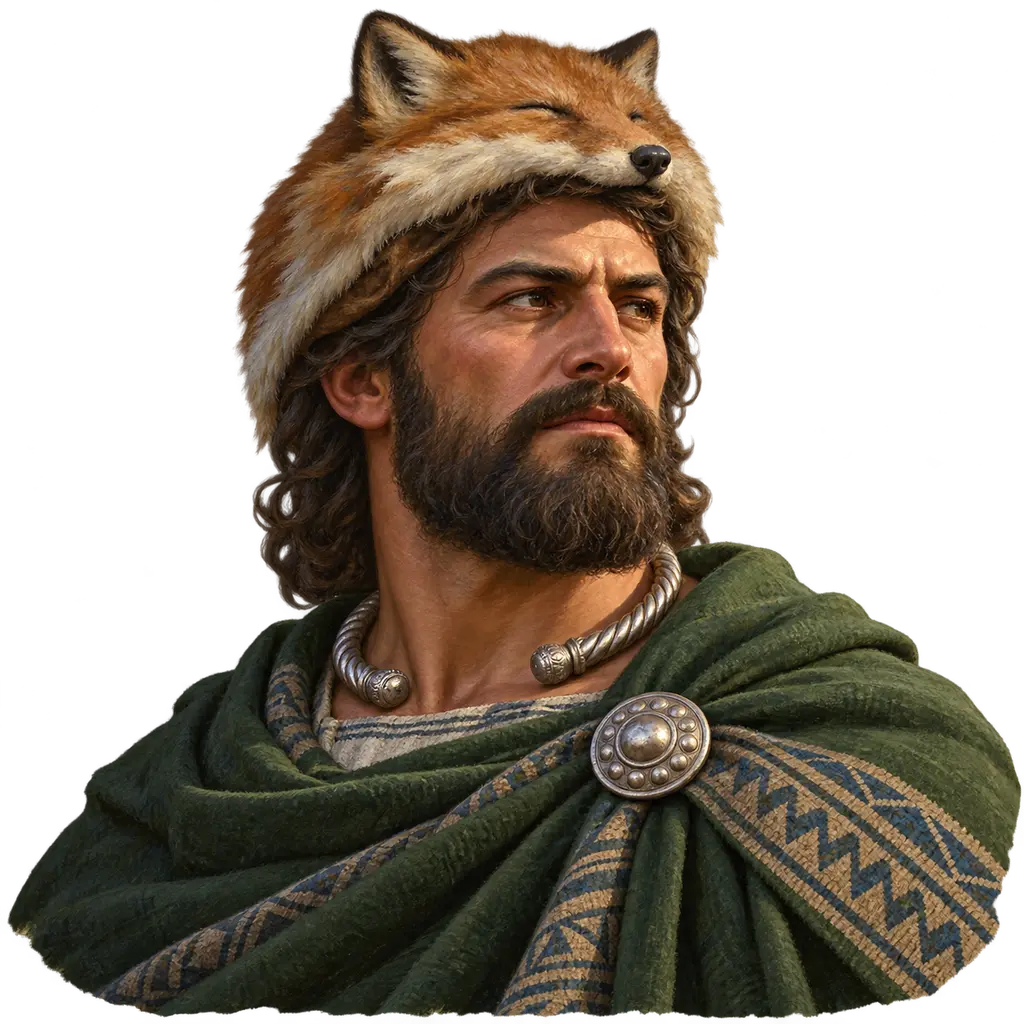
The Thracians
Peoples between the Aegean and the Ister, partly under Persian rule, about 513-479 BCE
In the game: Level 9: The Canal
The Thracians were many separate peoples living between the north Aegean coast and the lower Ister (Danube), with no single king in this period. Darius brought much of their country under Persian control from about 513. For a generation Thrace was the King's road into Europe, a land of fighting men, timber and silver mines, and the country Xerxes' army crossed in 480.
In the game: The Thracians of the coast appear as a trade partner, and Thracian peltasts and riders appear at Athos. Herodotus records no Thracian horsemen in Xerxes' army; Thracian cavalry is better attested later, in Thucydides.
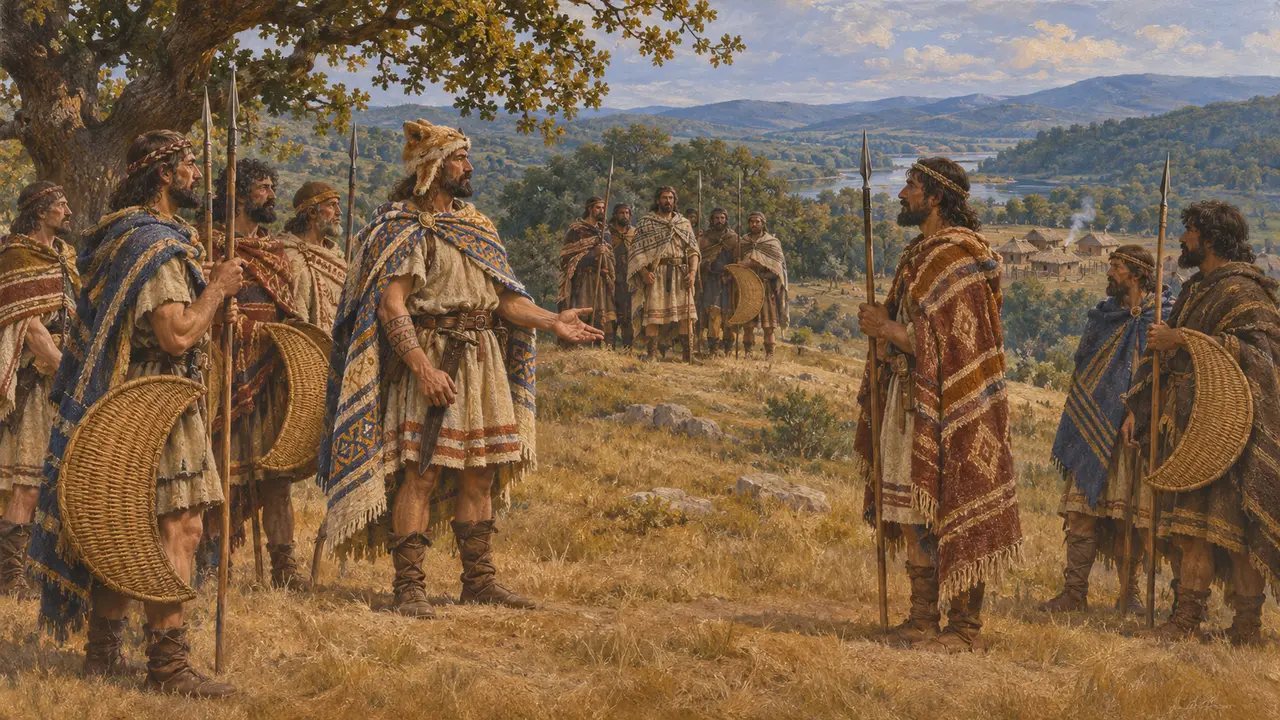
Many peoples, no single kingdom
Ancient accountHerodotus says the Thracians were the most numerous people after the Indians, and would be the strongest of all if they ever united under one ruler, which he thought would never happen. He says they went by many names in different regions, and he sets apart the Getae and Trausi for their customs. He reports that the rest counted tattooing a mark of noble birth, held farming the meanest of trades and thought living by war and plunder the most honourable.
Herodotus 5.3-6
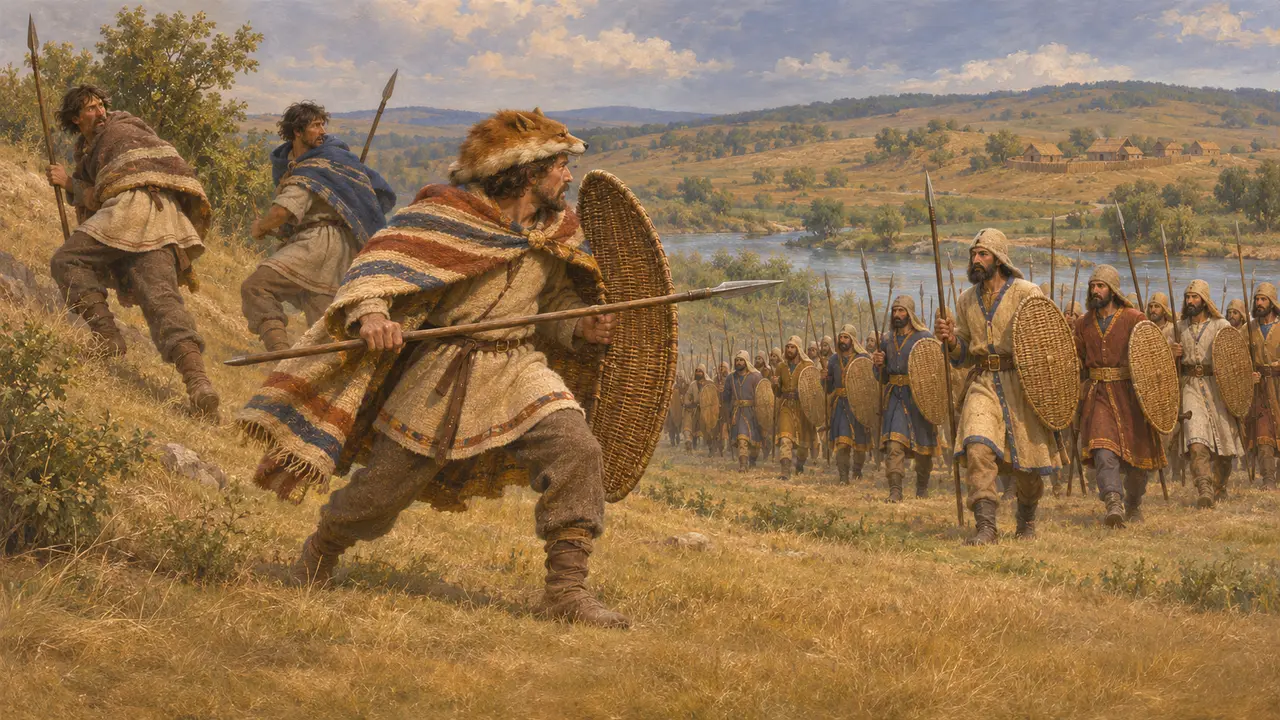
Conquest under Darius
Ancient accountHerodotus says that when Darius crossed the Bosporus to fight the Scythians, an expedition historians date to about 513, only the Getae among the Thracians resisted, and they were beaten. His general Megabazus, left in Europe, then subdued Perinthus and the coastal Thracians and deported Paeonians from the Strymon valley to Asia. In 492 the Thracian Brygi attacked Mardonius's camp at night and wounded him, though he went on to subdue them.
Herodotus 4.89-93; 5.1-2; 5.12-16; 6.45
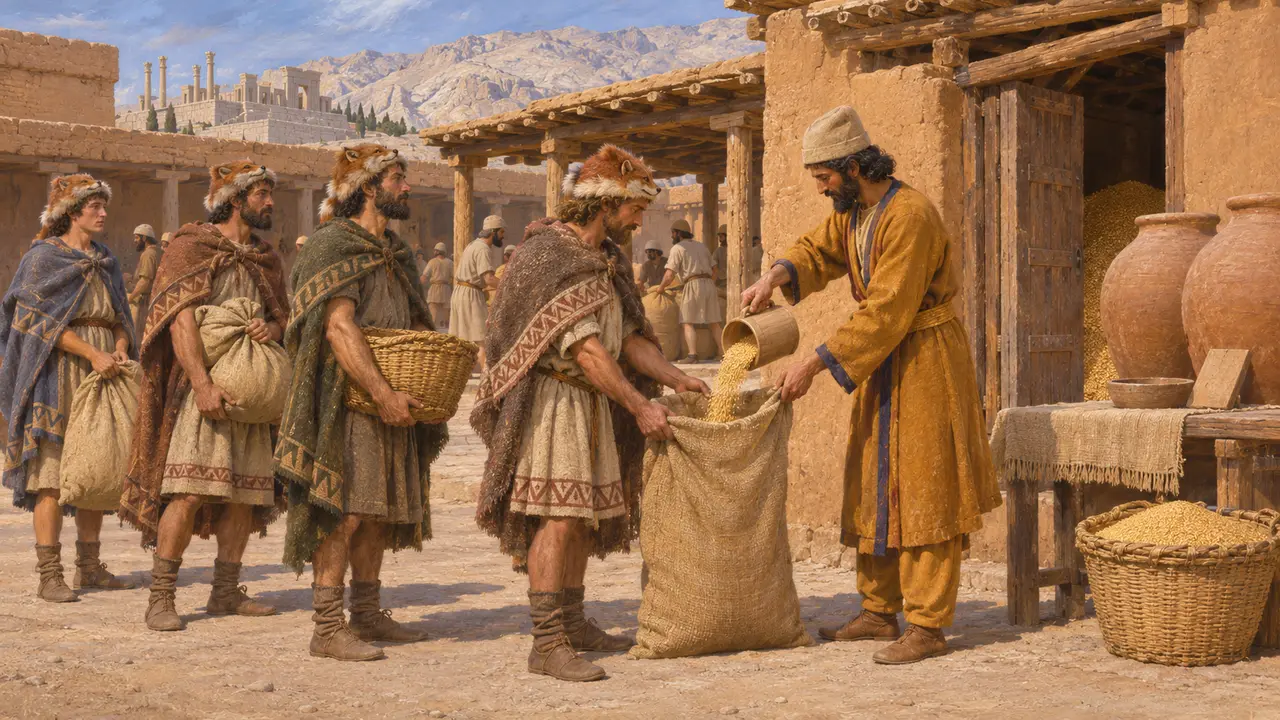
Skudra in the Persian record
In the recordDarius's tomb inscription at Naqsh-e Rostam lists Skudra among the lands of his empire, and Xerxes' inscription from Persepolis names it again. Skudra is missing from the earlier list at Behistun. Some Persepolis Fortification tablets record Skudrian workers receiving rations in Persis. The Persian texts do not say where Skudra lay or how it was governed.
DNa; XPh; DB §6; Persepolis Fortification tablets
How far Persian rule reached
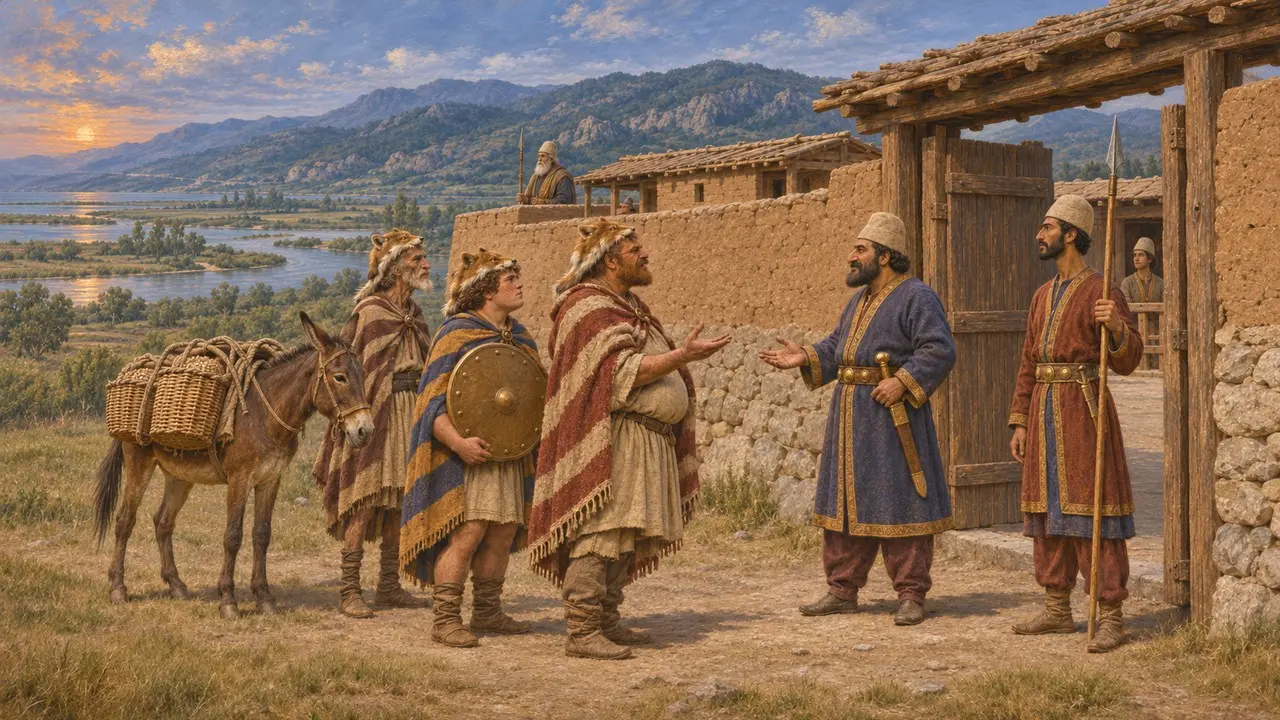
DisputedMost historians identify Skudra with Thrace, or with the King's lands in Europe generally. They disagree on whether it was a full satrapy with its own governor or a looser zone of garrisons, tribute and alliances. Herodotus describes Persian strongholds at Doriscus and Eion but says little about administration. The inland peoples, such as the Satrae, were probably never truly subject.
P. Briant, From Cyrus to Alexander, 2002; Z. Archibald, The Odrysian Kingdom of Thrace, 1998
Thracians in Xerxes' war
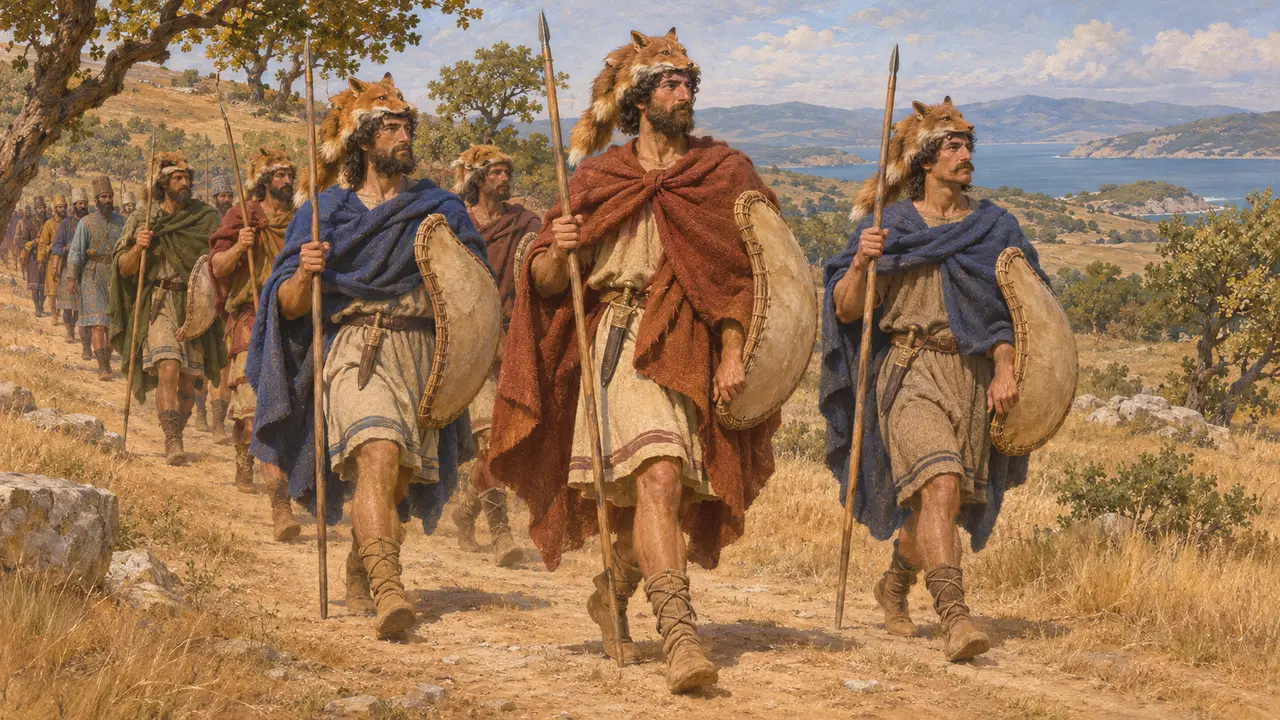
Ancient accountHerodotus describes the Thracians of Asia, the Bithynians, in Xerxes' army with fox-skin caps, bright cloaks, fawnskin boots, javelins, light shields and small daggers. He says the Thracians along the route, such as the Edoni, were made to follow, coastal peoples by ship and inland ones on foot, except the hill-dwelling Satrae. In 479, during the siege of Sestos, Apsinthian Thracians caught the Persian Oeobazus and sacrificed him to their god Pleistorus.
Herodotus 7.75; 7.110-111; 9.119
The emblem beside its name
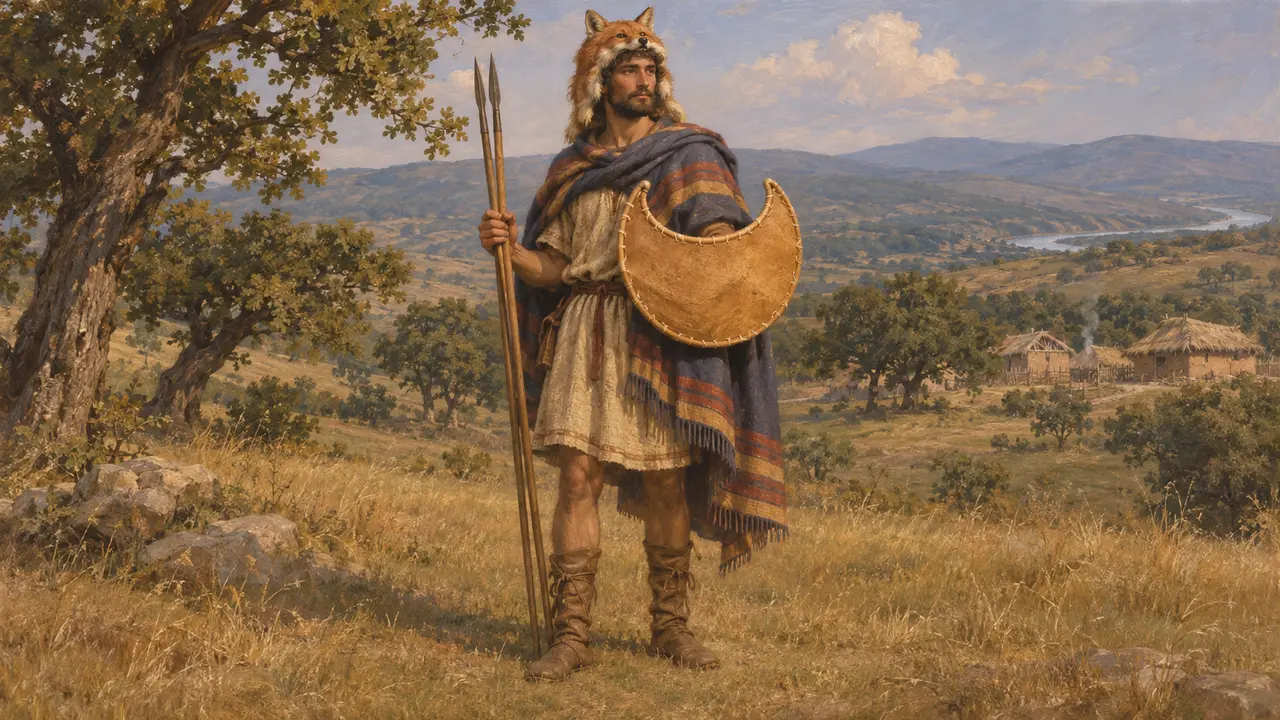
Ancient accountThe Thracians' emblem in the game is the crescent pelta, the small light shield of the Thracian foot that Herodotus describes in Xerxes' army. The Thracian tribes had no shared flag; the pelta gave Greek peltasts their name.
Herodotus 7.75
Sources
- Herodotus, Histories, books 4-9
- DNa; XPh; DB §6
- Persepolis Fortification tablets
- Z. Archibald, The Odrysian Kingdom of Thrace, 1998
- P. Briant, From Cyrus to Alexander, 2002
- Thucydides 2.96-98