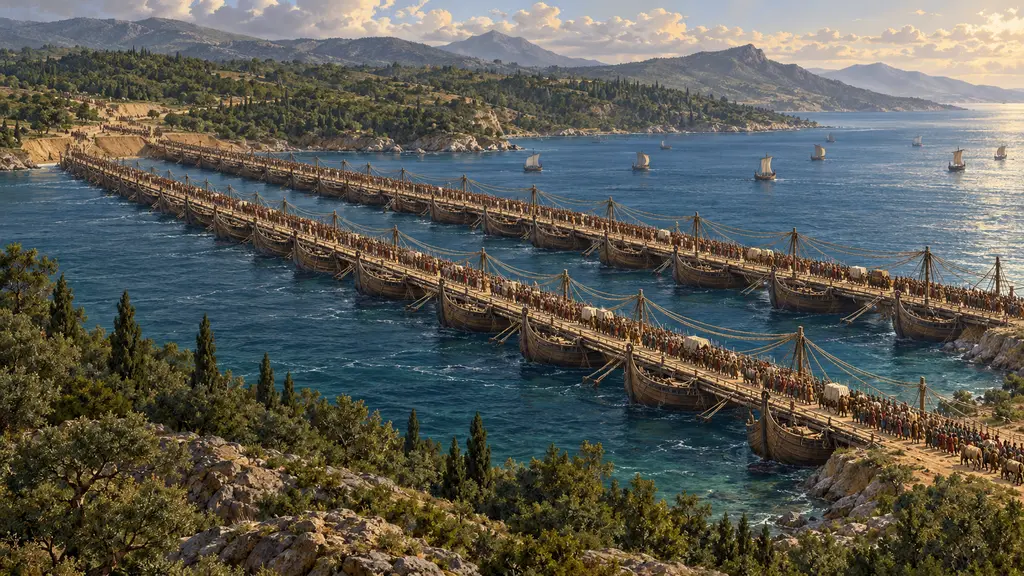
Doriscus
Persian fort on the Thracian coast, where Xerxes reviewed his army, 480 BCE
In the game: Level 9: The Canal
Doriscus was a Persian fort and coastal plain in Thrace, near the mouth of the Hebrus river. Darius placed a garrison there during his Scythian campaign. In 480 Xerxes used the plain to review his army and fleet and to count his land forces before the march into Greece. Almost everything known about it comes from Herodotus, whose figures for the army are far too large.
In the game: The game marks Doriscus as the place where Xerxes counted his army, which follows Herodotus. The counting method and the vast total are his story, not a Persian record.
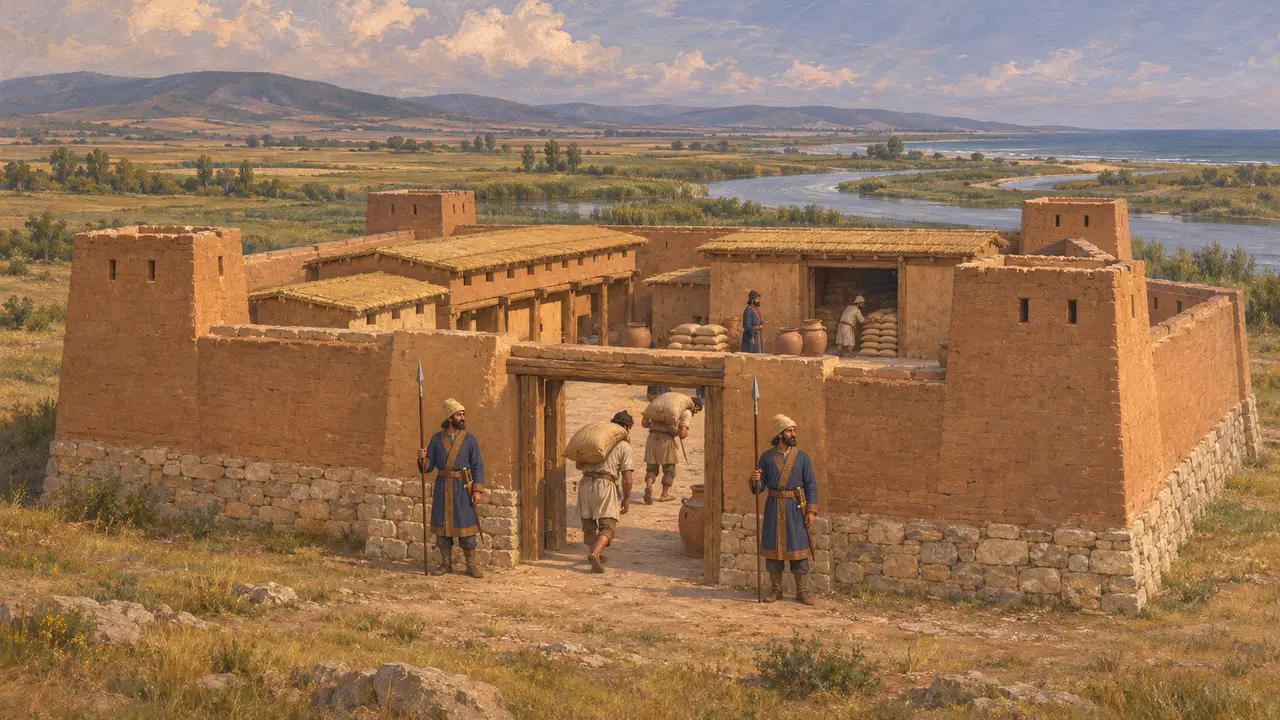
A royal fort on the Hebrus
Ancient accountDoriscus was a stretch of shore and a wide plain in Thrace, beside the mouth of the Hebrus river (the modern Evros or Maritsa). Herodotus says a royal fort stood there, and that Darius had kept a Persian garrison in it since his march against the Scythians, about 513. Xerxes later had food stored at Doriscus, one of several depots along the Thracian coast. The exact site of the fort has not been securely located.
Herodotus 7.59; Herodotus 7.25
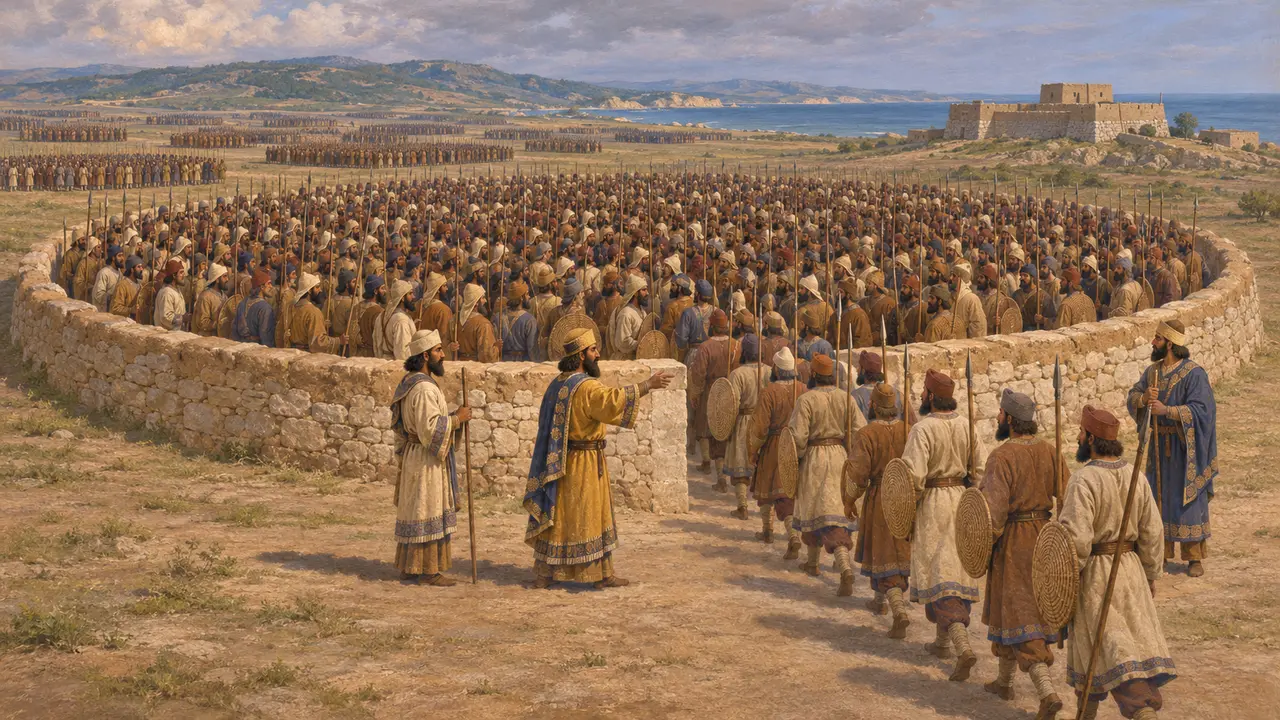
Counting by the enclosure
Ancient accountHerodotus says that in 480 Xerxes halted at Doriscus to number his land army. Officers packed 10,000 men together as tightly as they could, drew a line round them and built a wall about waist high along it. Group after group was then marched into the enclosure until the whole army had passed through. Herodotus gives the result as 170 enclosures, or 1,700,000 foot soldiers.
Herodotus 7.60
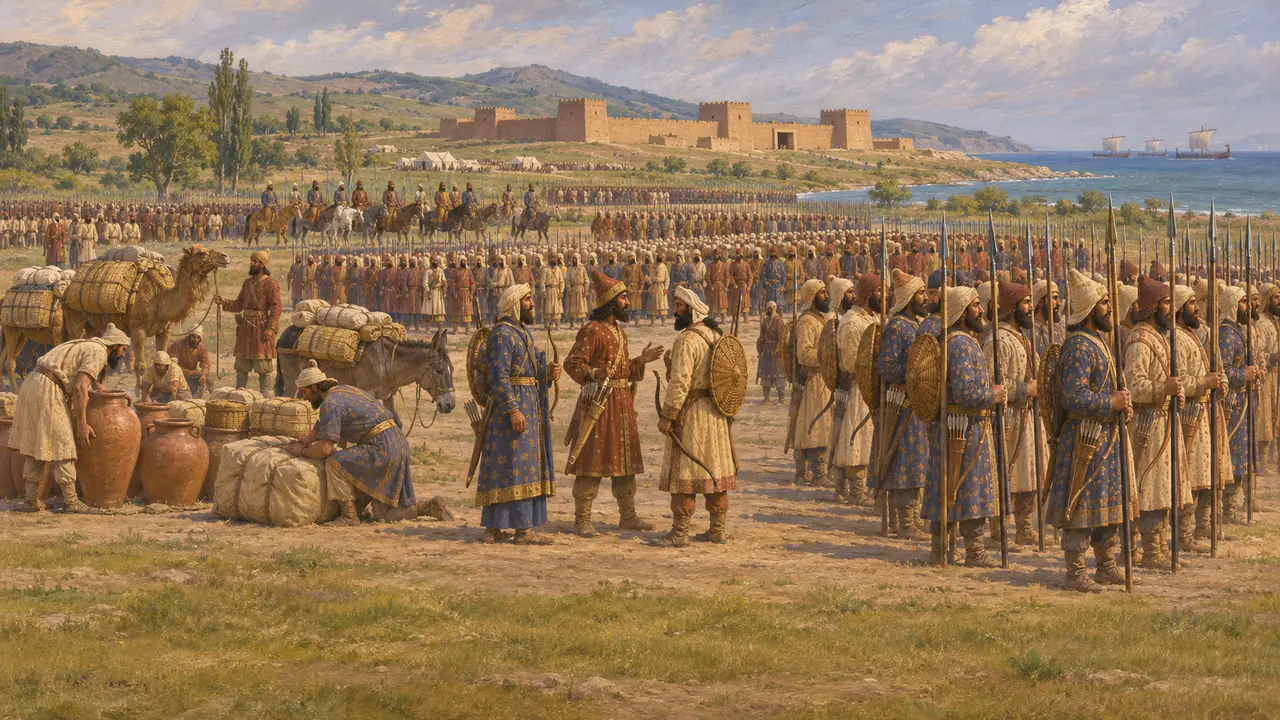
How large was the army
DisputedNo historian today accepts Herodotus's figures. Besides the 1,700,000 infantry he adds 80,000 cavalry and a fleet of 1,207 triremes. Later he reckons more than five million people once camp followers are included. The land could not have fed or watered such numbers. Modern estimates for the fighting army mostly fall between about 100,000 and 300,000, and some are lower still.
Herodotus 7.87; 7.89; 7.184-186; J. F. Lazenby, The Defence of Greece 490-479 BC, 1993
The catalogue of peoples
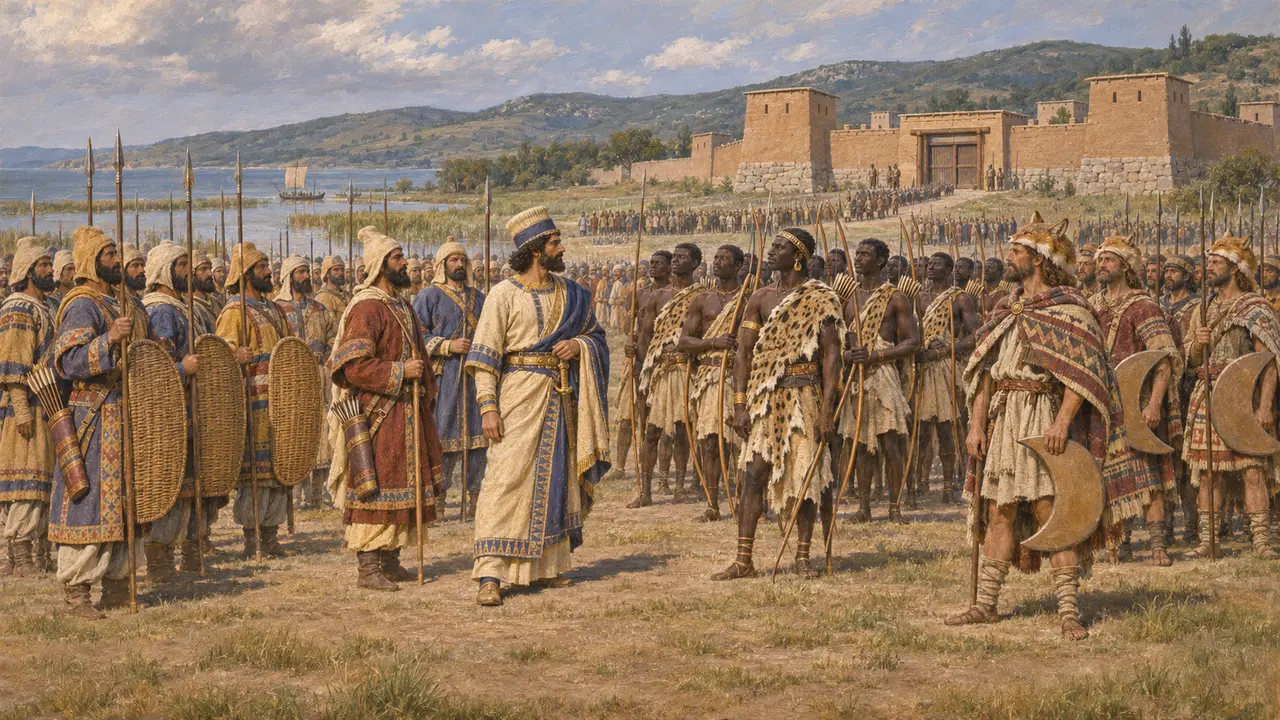
DisputedAt Doriscus Herodotus lists the army contingent by contingent, with each people's dress, weapons and commanders, from Persians and Medes to Ethiopians and Thracians. Some historians think he drew on a Persian document, or on a list like the royal inscriptions that name the lands of the empire. Others see it as largely his own composition, built from Greek knowledge and meant to show the whole empire on the march.
Herodotus 7.61-99; P. Briant, From Cyrus to Alexander, 2002
The fort that never fell
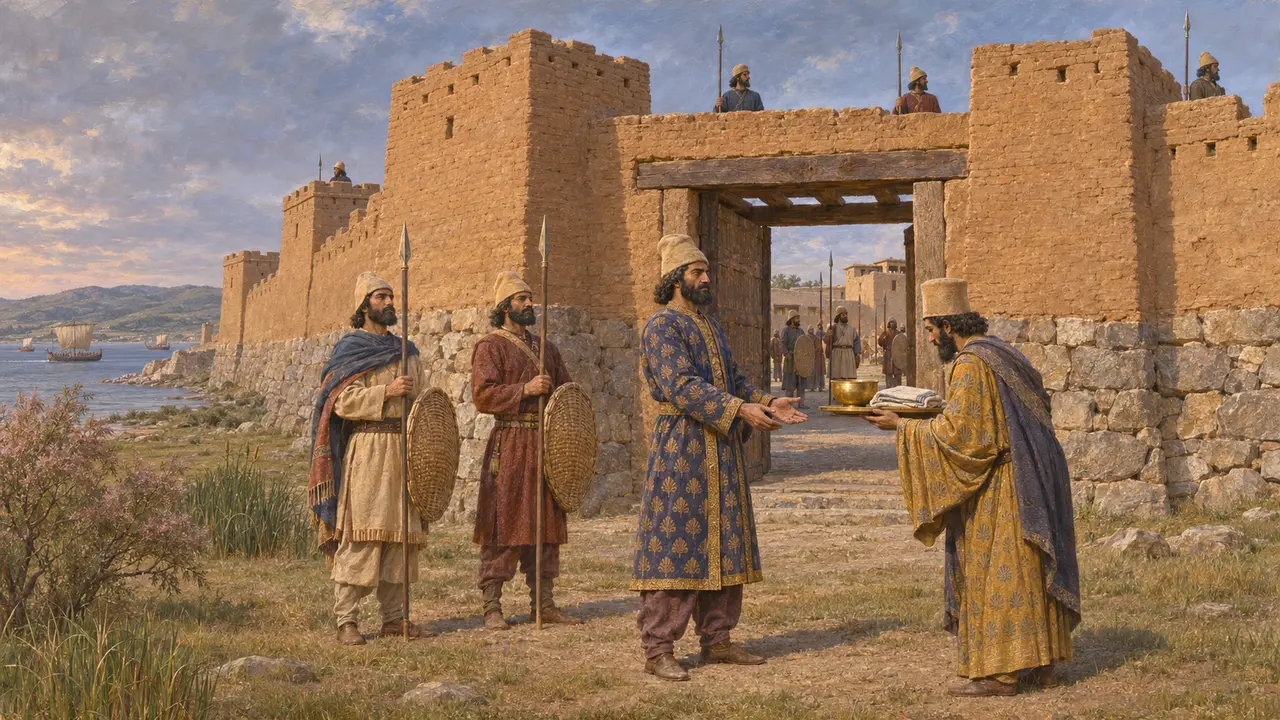
Ancient accountHerodotus says Xerxes rode past the ranks in a chariot and then sailed along the line of ships in a Sidonian vessel. He made a Persian named Mascames governor of Doriscus. When the Greeks later drove the other Persian governors out of Thrace and the Hellespont, Herodotus says none could take Doriscus from Mascames. Xerxes sent him gifts every year, and Artaxerxes kept sending them to his descendants.
Herodotus 7.100; Herodotus 7.105-106
Sources
- Herodotus, Histories 7.25, 7.59-106
- P. Briant, From Cyrus to Alexander, 2002
- J. F. Lazenby, The Defence of Greece 490-479 BC, 1993
- A. Kuhrt, The Persian Empire: A Corpus of Sources from the Achaemenid Period, 2007