The Ethiopians
Kush and the peoples south of Egypt as Persians and Greeks knew them, 6th-5th century BCE
In the game: Level 2: The Spear-bearer, Level 5: The Charter
Greek writers called the peoples south of Egypt Ethiopians. In Persian royal texts the land is Kush, on the Nile above Egypt. Cambyses marched against it after taking Egypt, and later Persian kings listed Kush among their lands and as a source of ivory.
In the game: The game names the Ethiopians in the Chronicle, the decrees and the field briefings, in the march south and in the ivory texts. They have no mechanic of their own beyond what these texts show.
Kush in the Persian inscriptions
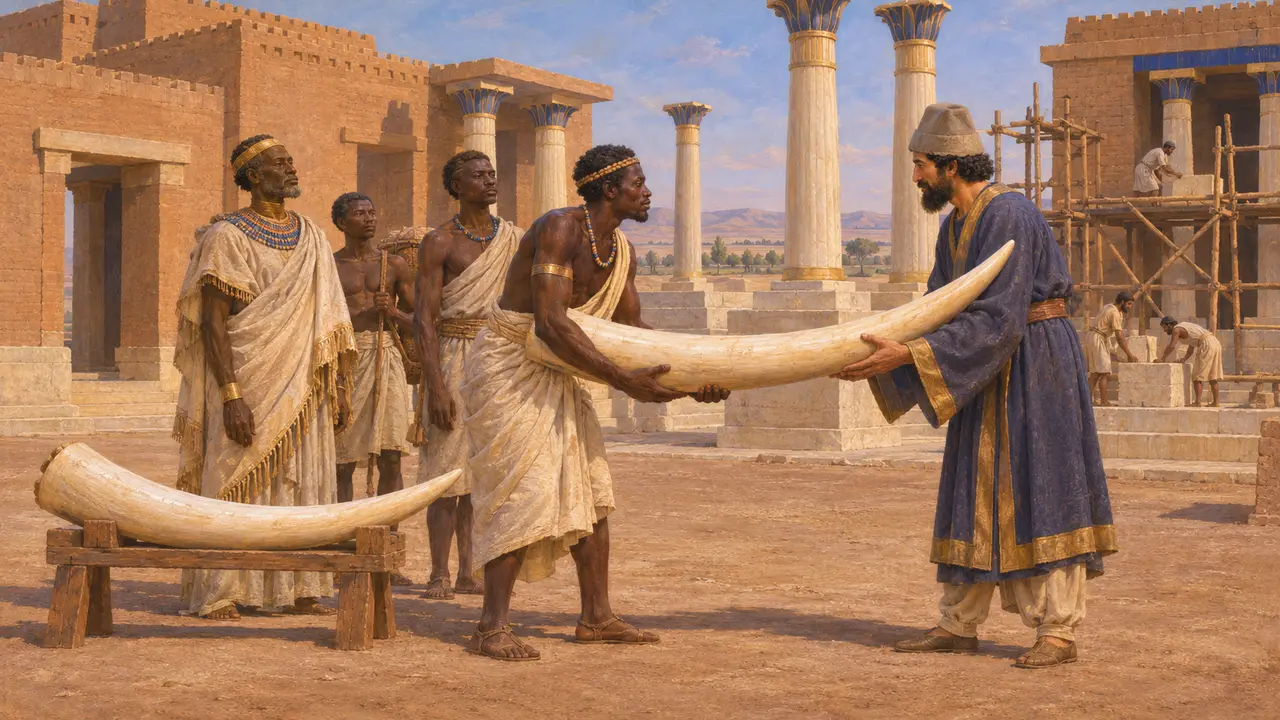
In the recordKush appears among the lands listed in the royal inscriptions of Darius and Xerxes. Darius's Susa foundation charter says the ivory used in the palace came from Kush, India and Arachosia. The texts show that the Persians counted Kush within their world, but they give no account of a conquest.
DSf
Cambyses' march south
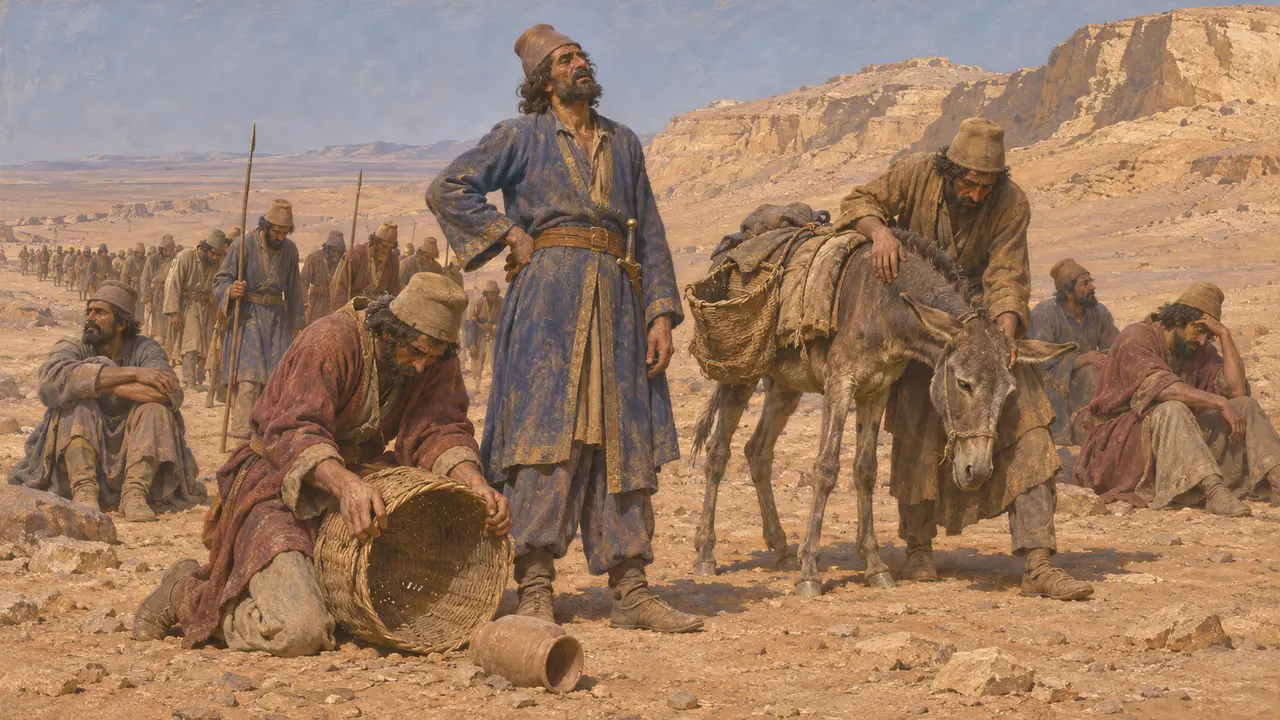
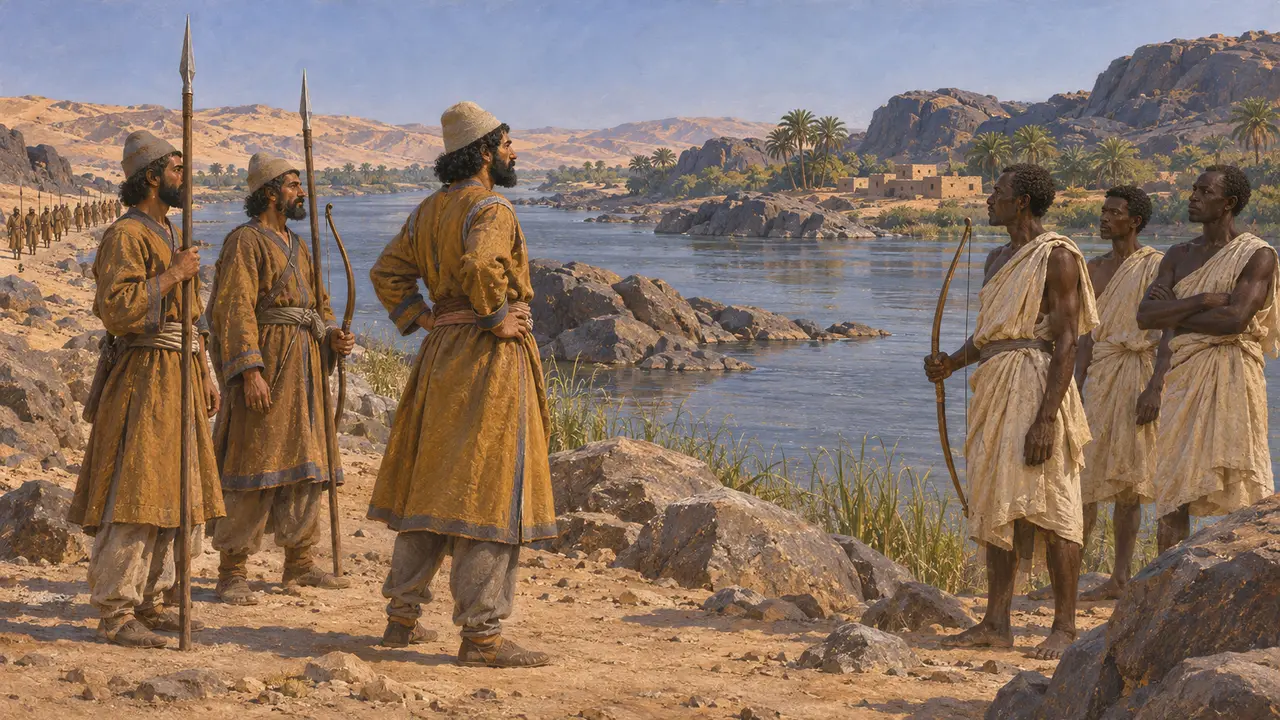
Ancient accountHerodotus says Cambyses, after Egypt, planned three ventures: against Carthage, against the Ammonians and against the long-lived Ethiopians. He says spies went first with gifts, and that the Ethiopian king answered with a bow and a mocking message. Herodotus says Cambyses marched in anger without enough provisions, and that hunger drove the army to eat its pack animals and then to draw lots to eat men before he turned back.
Herodotus 3.17-25
What the march achieved
DisputedHerodotus presents the campaign as the folly of a mad king. Modern historians doubt that picture, since the tradition about Cambyses was hostile to him. How far he got, and how much control Persia held in the south afterwards, is unclear. Later Persian texts list Kush among the lands, but they do not say what that meant in practice.
P. Briant, From Cyrus to Alexander, 2002
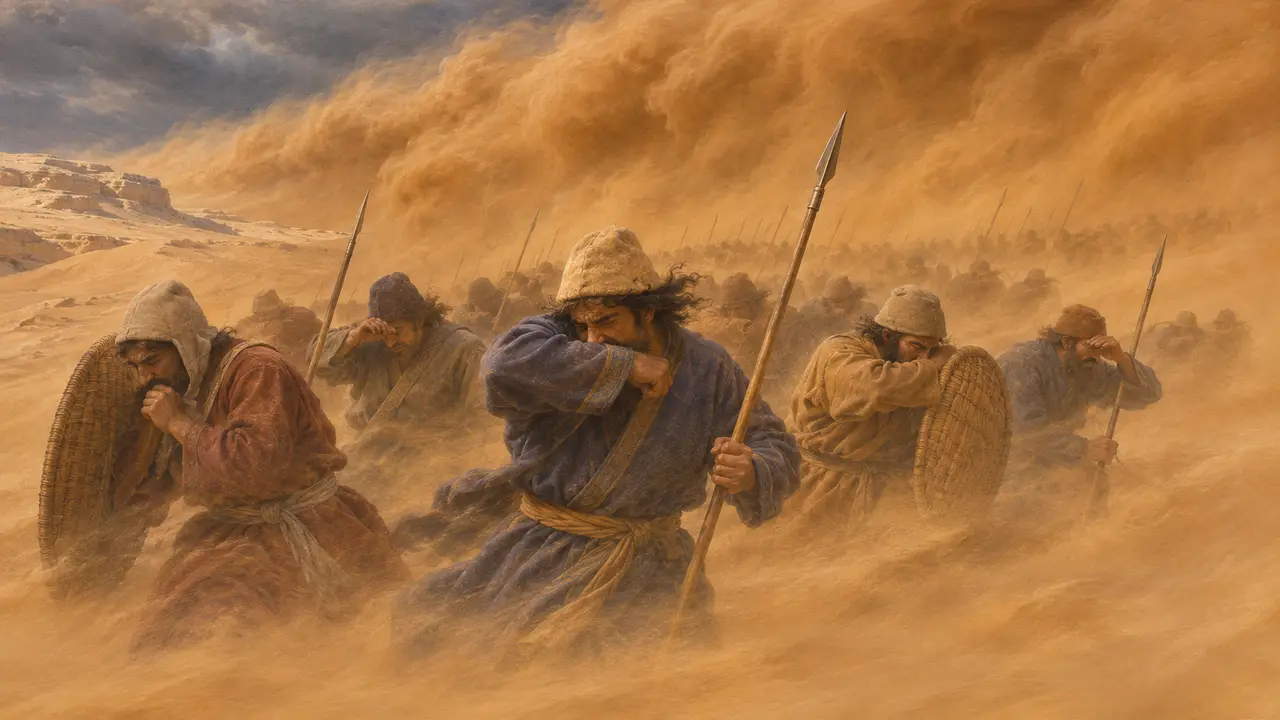
The army lost at Ammon
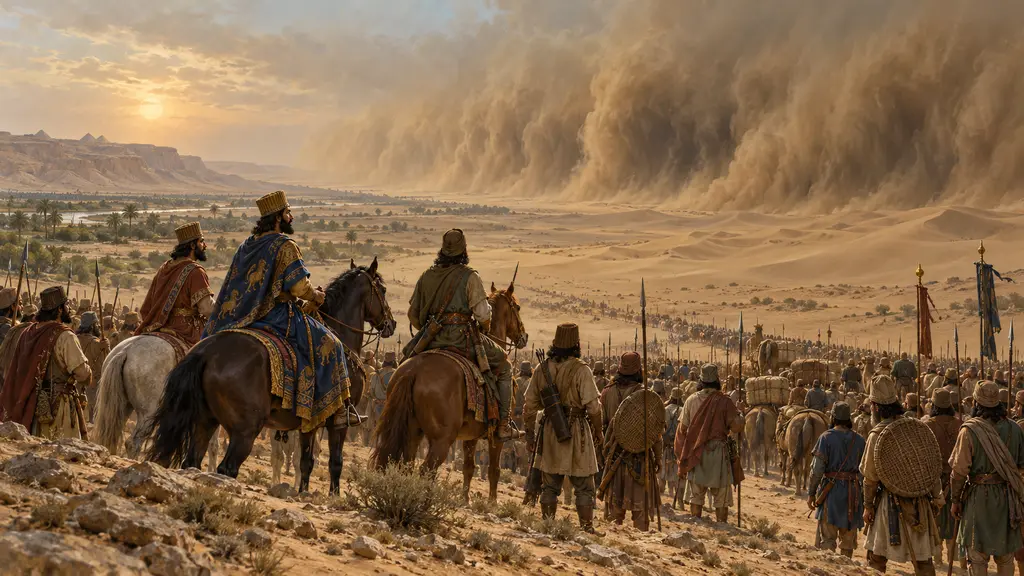
Ancient accountHerodotus says the force sent against the Ammonians set out from Thebes in Egypt and vanished in the desert. He reports the Ammonians' own story that a south wind buried it in sand. The march to Ammon and the march into Kush were separate ventures in his telling.
Herodotus 3.25-26
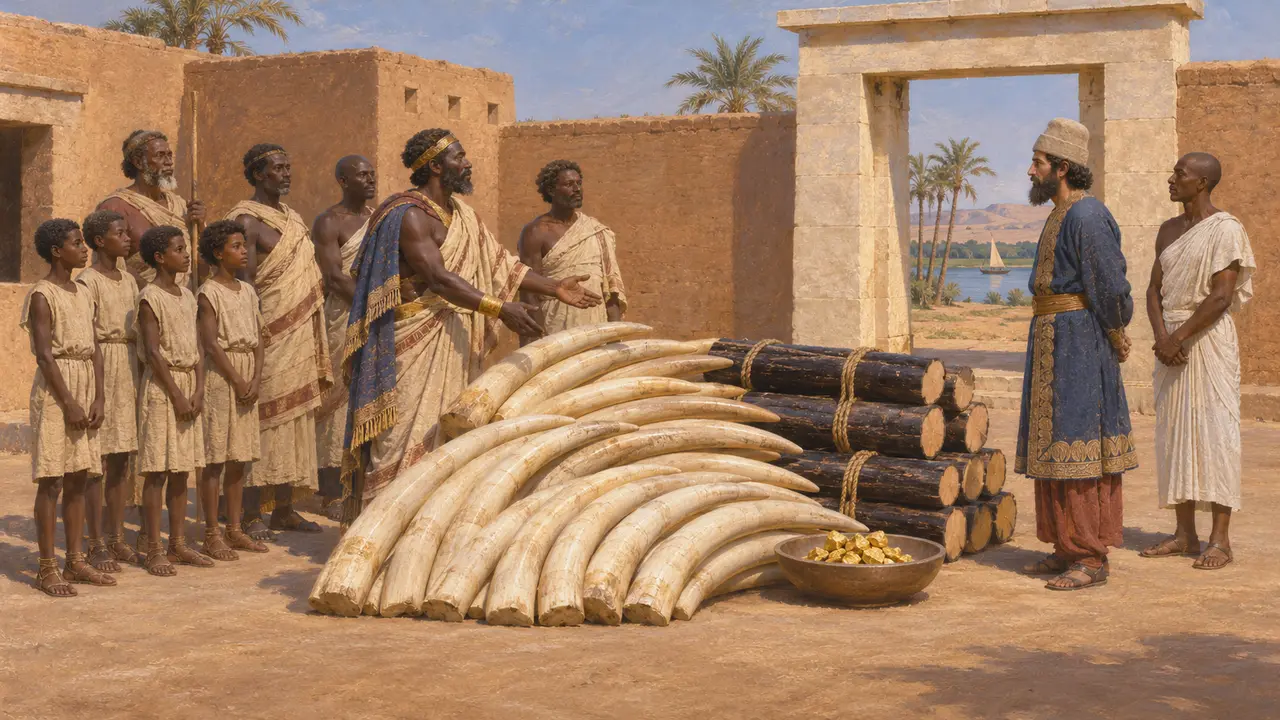
Gifts of ivory and ebony
Ancient accountHerodotus says the Ethiopians bordering Egypt gave gifts instead of regular tribute, brought every other year. He lists unrefined gold, ebony logs, five Ethiopian boys and twenty large elephant tusks. His picture of them as tall, handsome and very long-lived reflects Greek ideas of the distant south and should not be read as ethnography.
Herodotus 3.97
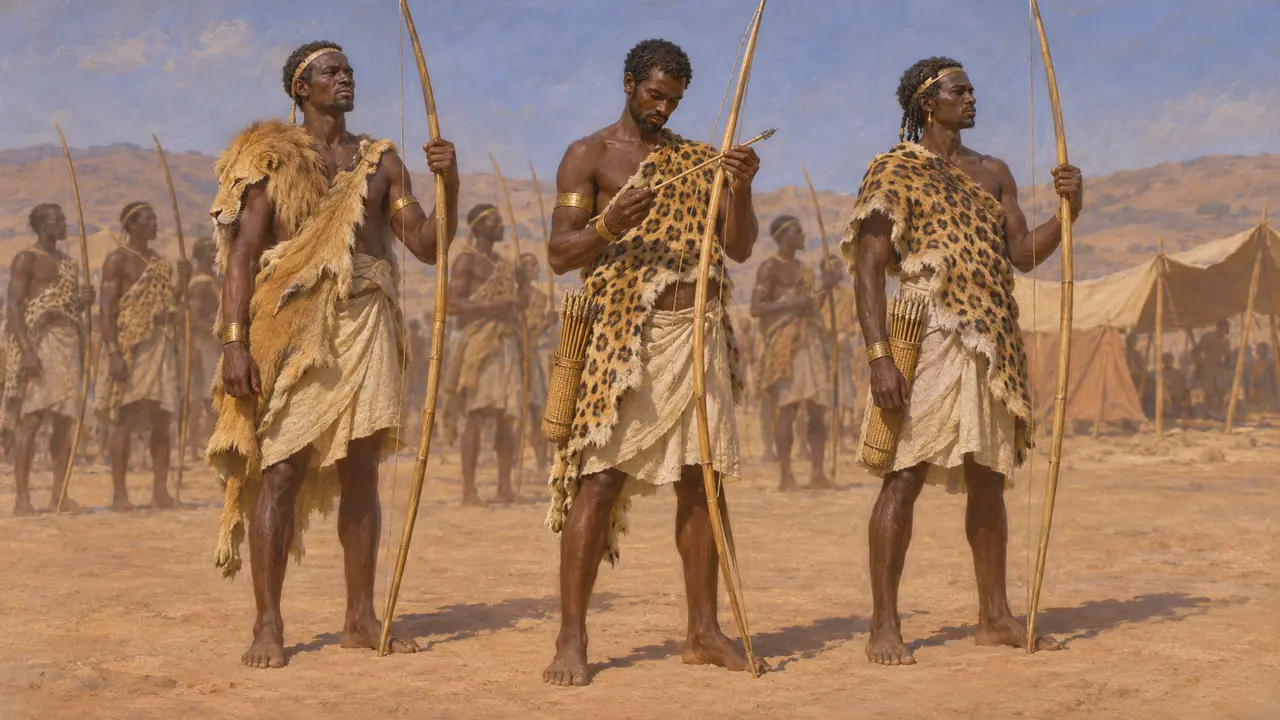
Ethiopians in Xerxes' army
Ancient accountHerodotus lists Ethiopians among the troops Xerxes gathered for Greece, dressed in leopard and lion skins and fighting with long palm-rib bows and stone-tipped arrows. He separates them from the eastern Ethiopians who served beside the Indians. His army list is a literary catalogue, and its details cannot be checked against Persian records.
Herodotus 7.69-70
Sources
- Herodotus 3.17-26
- Herodotus 3.97
- Herodotus 7.69-70
- DSf
- P. Briant, From Cyrus to Alexander, 2002