Kush (Ethiopia)
The Nile kingdom south of Egypt, known to the Persians as Kushiya, about 525-480 BCE
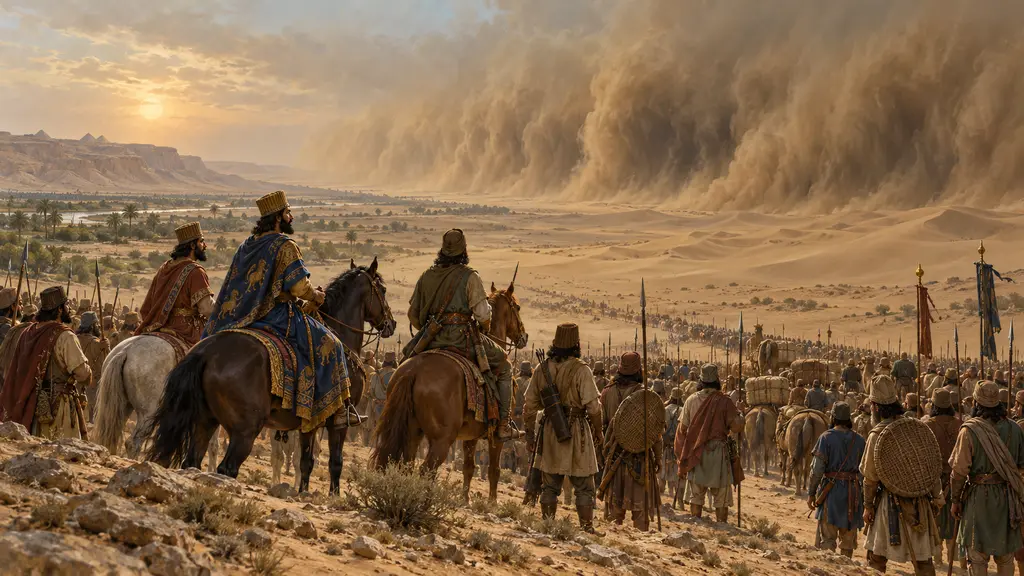
Kush was the Nile kingdom south of Egypt, with its heartland in what is now northern Sudan. Persian inscriptions name it Kushiya, and Greek writers called the land Ethiopia. It was never central to Persian policy, but Herodotus says Cambyses marched against it, and Darius's inscriptions list Kusha among the lands that belonged to him.
In the game: The game mentions Kush only in Chronicle entries and event articles, on Cambyses' march south and the Susa charter, where it is the Nile kingdom beyond Egypt and a source of ivory. It has no mechanic of its own.
Kush in the Persian inscriptions
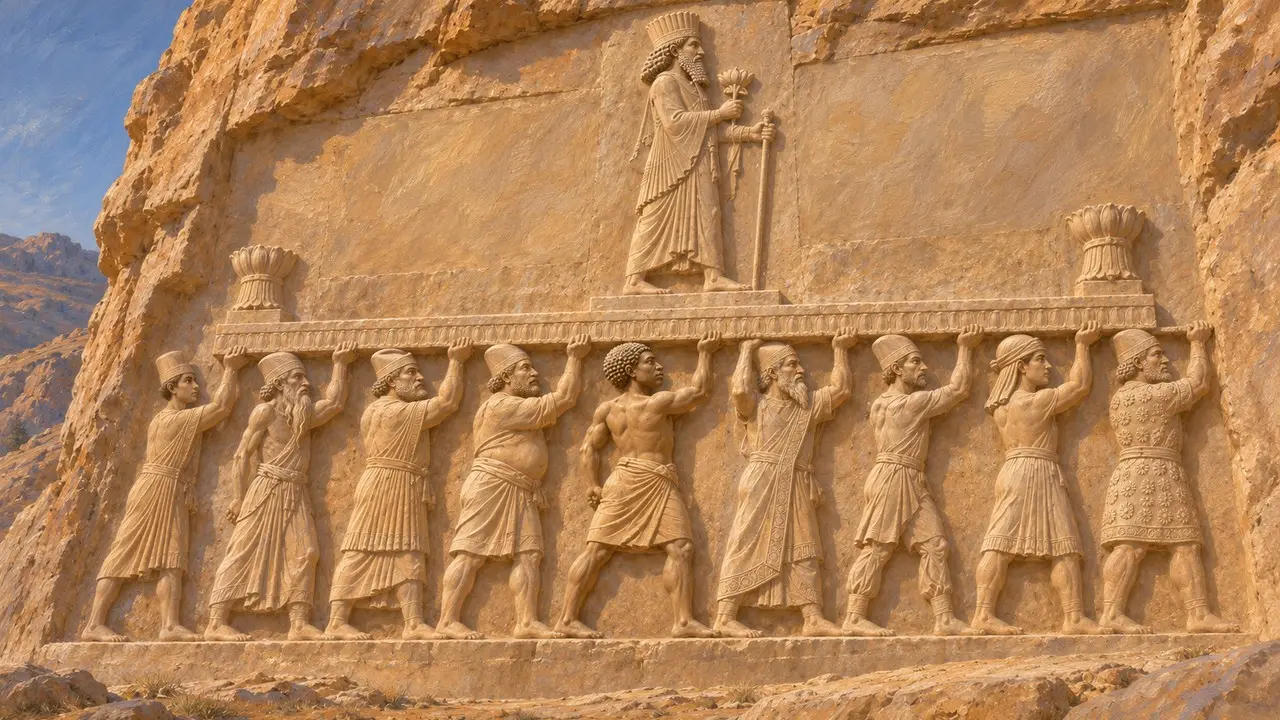
In the recordDarius's inscription on his tomb at Naqsh-e Rostam lists Kushiya among the lands that he held. The tomb reliefs there also show peoples carrying the royal platform, with a Kushite among them. These texts show that the Persians counted Kush as part of the empire, or at least as bound to it, by Darius's reign.
DNa
Cambyses' march against the Ethiopians
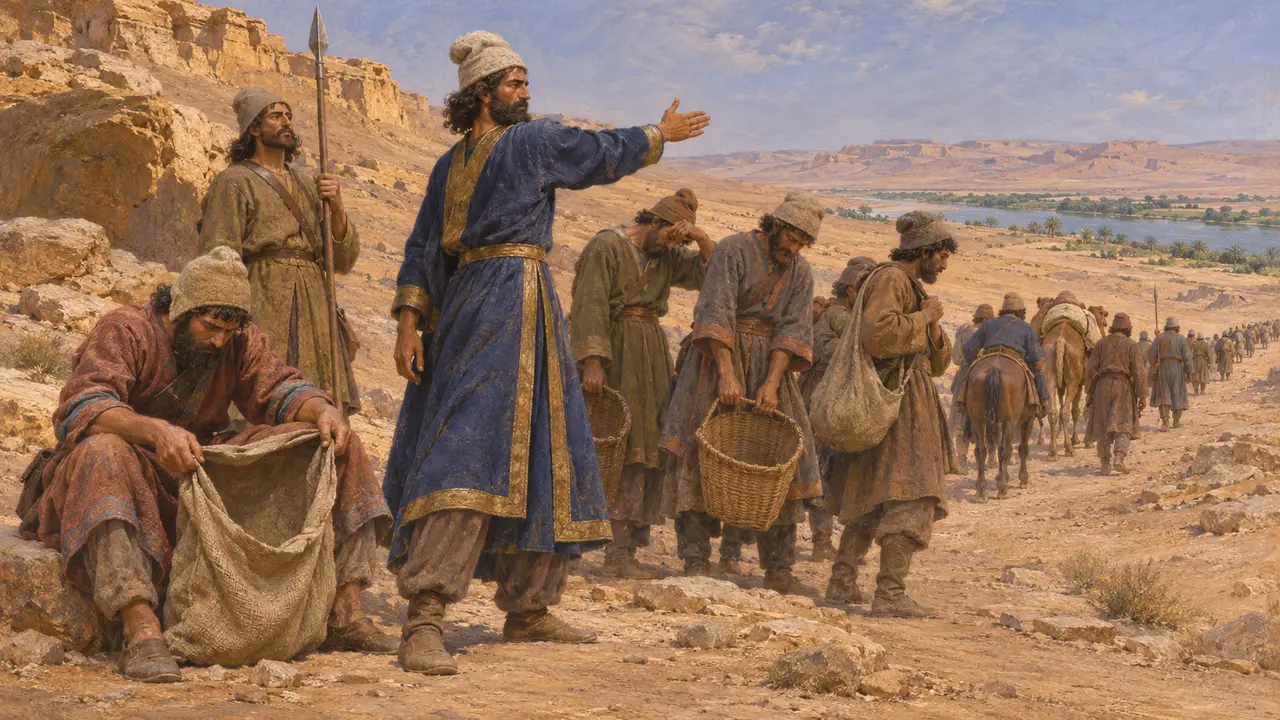
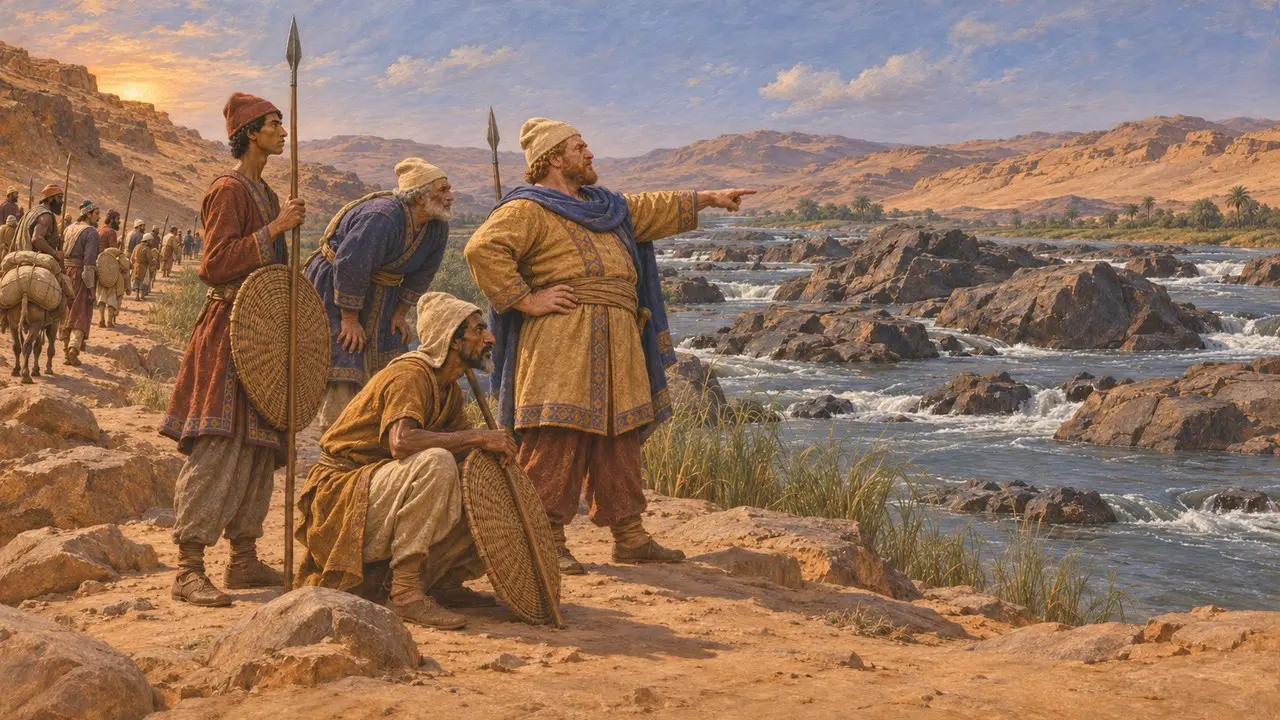
Ancient accountHerodotus says that after taking Egypt, Cambyses sent spies, whom he calls Fish-eaters, to the Ethiopian king. The king answered with a bow and a challenge. Herodotus says Cambyses set out without provisions in a fit of rage, and that the army ran short of food before it had covered a fifth of the way, so he turned back. The picture of a reckless king is Herodotus's own.
Herodotus 3.17-25
What the march achieved
DisputedModern historians doubt that Cambyses reached the heartland of Kush. Some think he advanced only into Lower Nubia, perhaps as far as the second cataract, and that Herodotus's tale of failure may exaggerate the loss. The claim that Cambyses founded a town called Meroe comes from much later writers and has no support from the time.
P. Briant, From Cyrus to Alexander, 2002
Gifts from the south
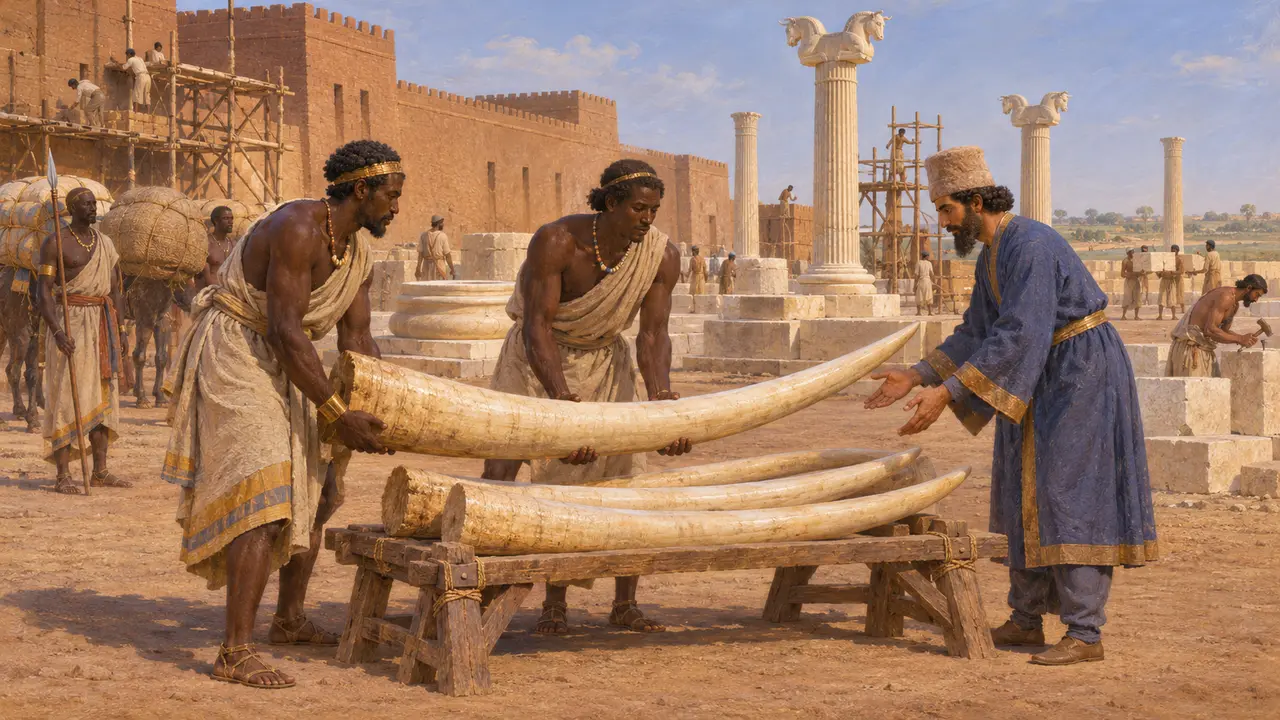
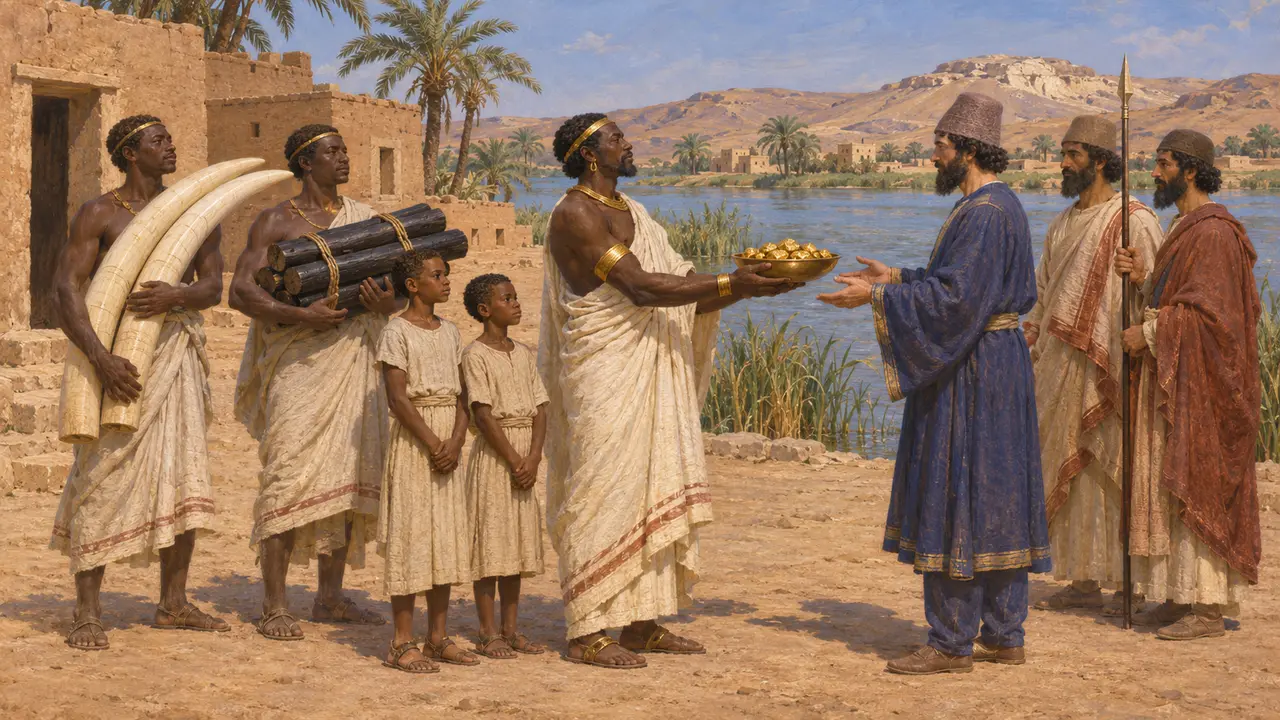
Ancient accountHerodotus says that the Ethiopians bordering Egypt, whom Cambyses had approached, paid no tribute but brought gifts every third year. He lists gold, ebony, ivory tusks and boys, and says the practice continued to his own day. Herodotus places this in his list of Darius's districts, and it suggests a looser tie than that of a province.
Herodotus 3.97
Sources
- DSf
- DNa
- Herodotus 3.17-25
- Herodotus 3.97
- P. Briant, From Cyrus to Alexander, 2002