Encyclopedia › Battles and events
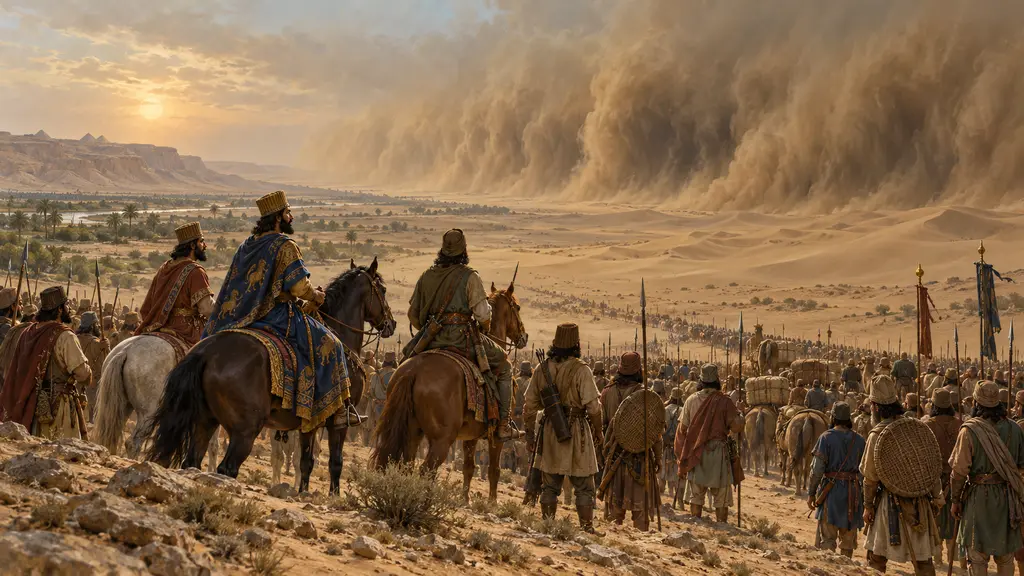
Cambyses' marches on Ammon and Ethiopia
Desert and Nile campaigns of Cambyses beyond Egypt, probably about 524 BCE
In the game: Level 2: The Spear-bearer
After taking Egypt, Cambyses tried to push Persian power west into the desert towards the oracle of Ammon at Siwa, and south up the Nile into Kush, which the Greeks called Ethiopia. Herodotus tells both as disasters caused by the king's rage. Persian records suggest the southern venture was not a complete failure, since Kush later appears among the King's subject lands.
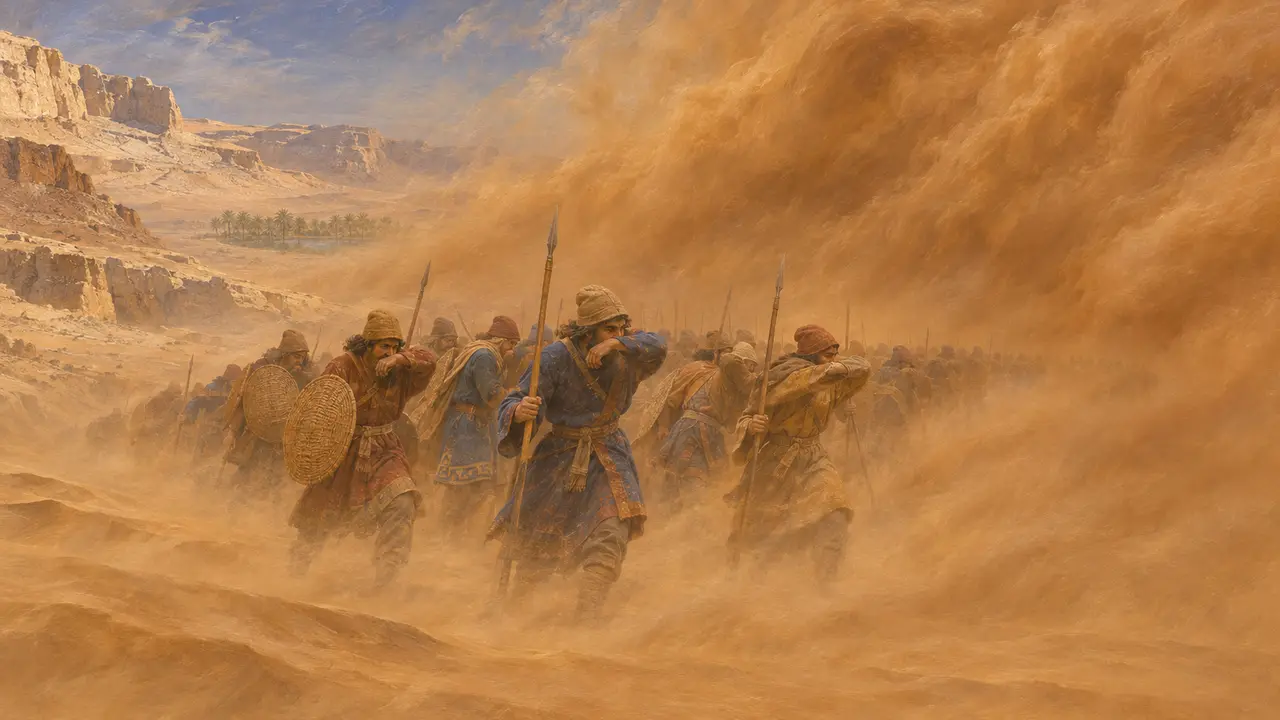
In the game: The game follows Herodotus: the Ammon army is said to be buried by a sandstorm and hunger halts the march south. It leaves out his own note that some Ethiopians were subdued, and the 524 date is a modern estimate.
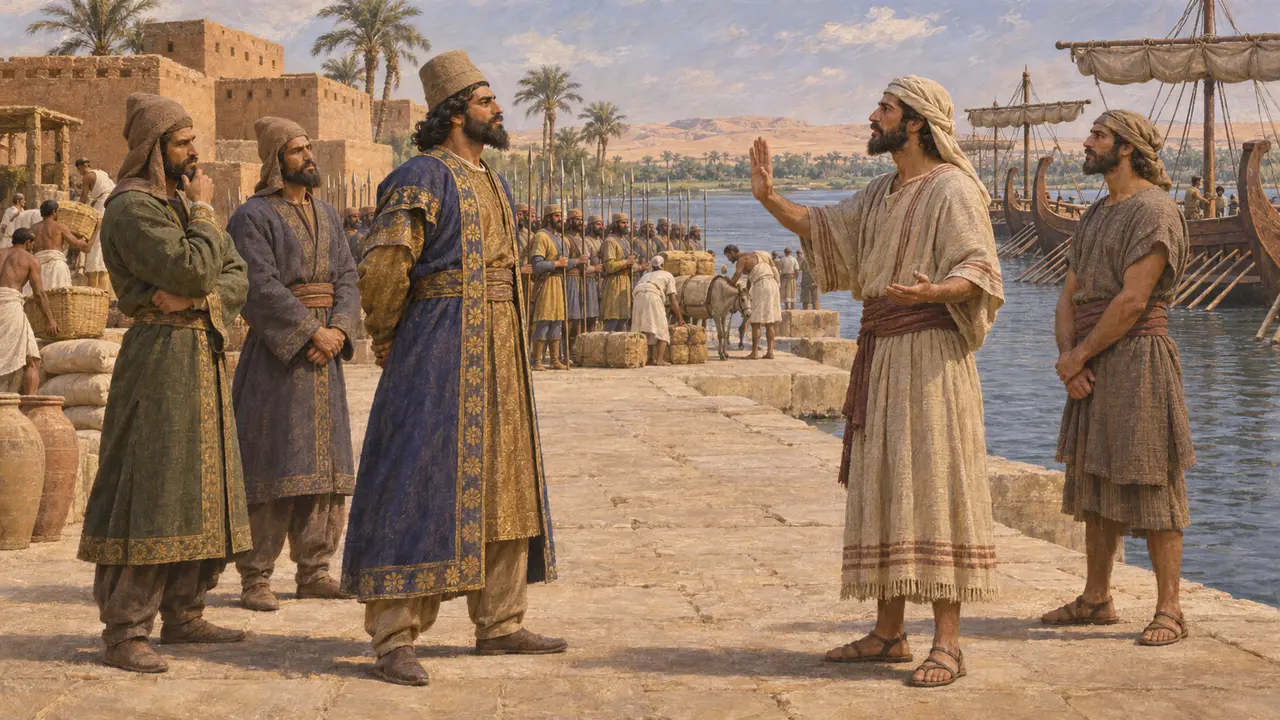
Three plans after the conquest
Ancient accountHerodotus says that once Egypt was his, Cambyses planned three campaigns: against Carthage, against the Ammonians of the western desert, and against the long-lived Ethiopians on the southern sea. The Phoenician fleet refused to sail against Carthage, its own colony, so that plan was dropped. The other two went ahead. Herodotus gives no year, and historians usually place them around 524.
Herodotus 3.17-19
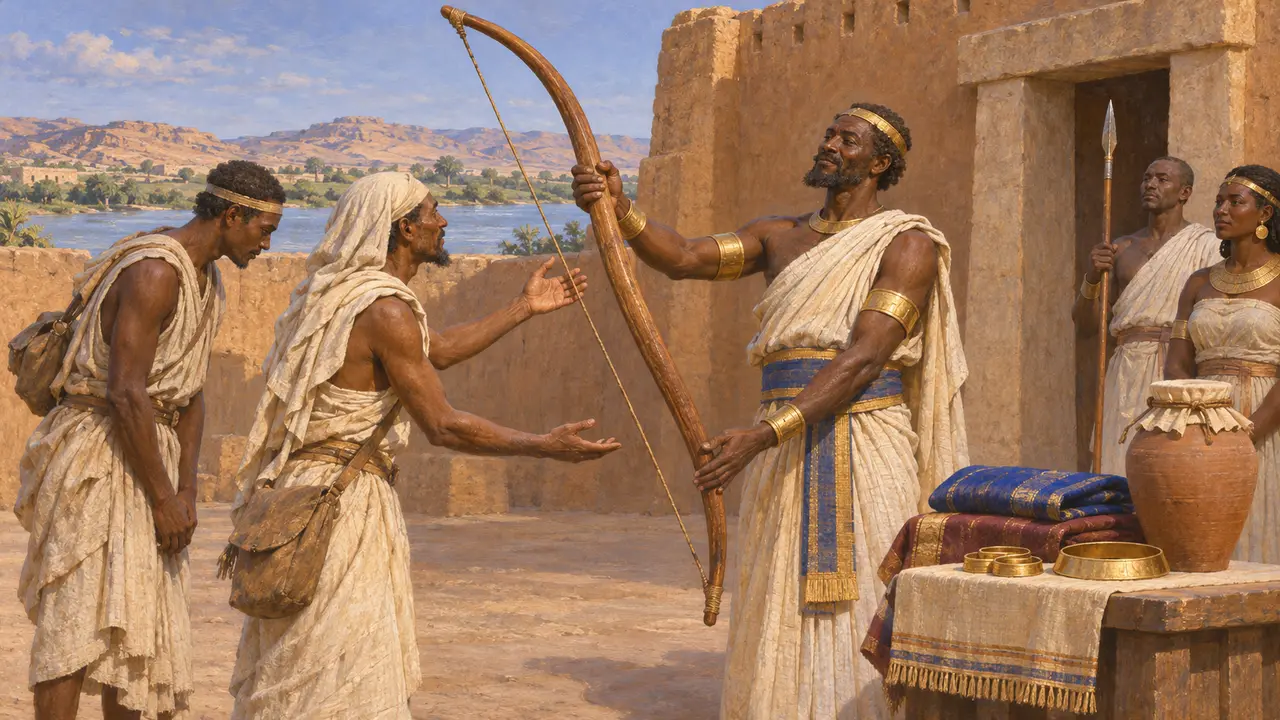
The spies and the Ethiopian king's bow
Later legendHerodotus tells how Cambyses sent Fish-eaters from Elephantine as spies bearing gifts. The Ethiopian king saw through them, mocked the gifts and sent back a huge bow, saying the Persians should come only when they could draw bows that size as easily as his people did. The story has the shape of a moral tale about a greedy conqueror and a wise, distant people, with marvels such as men living to 120 and the Table of the Sun.
Herodotus 3.18-24
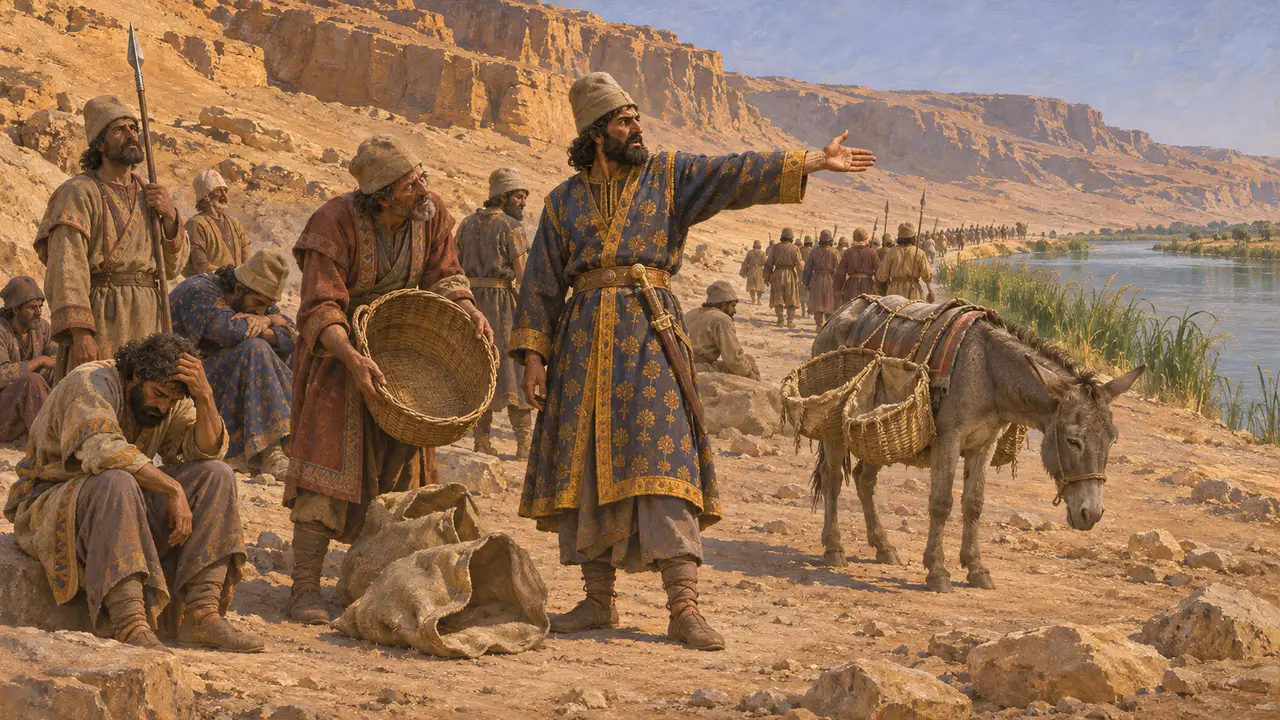
The march south up the Nile
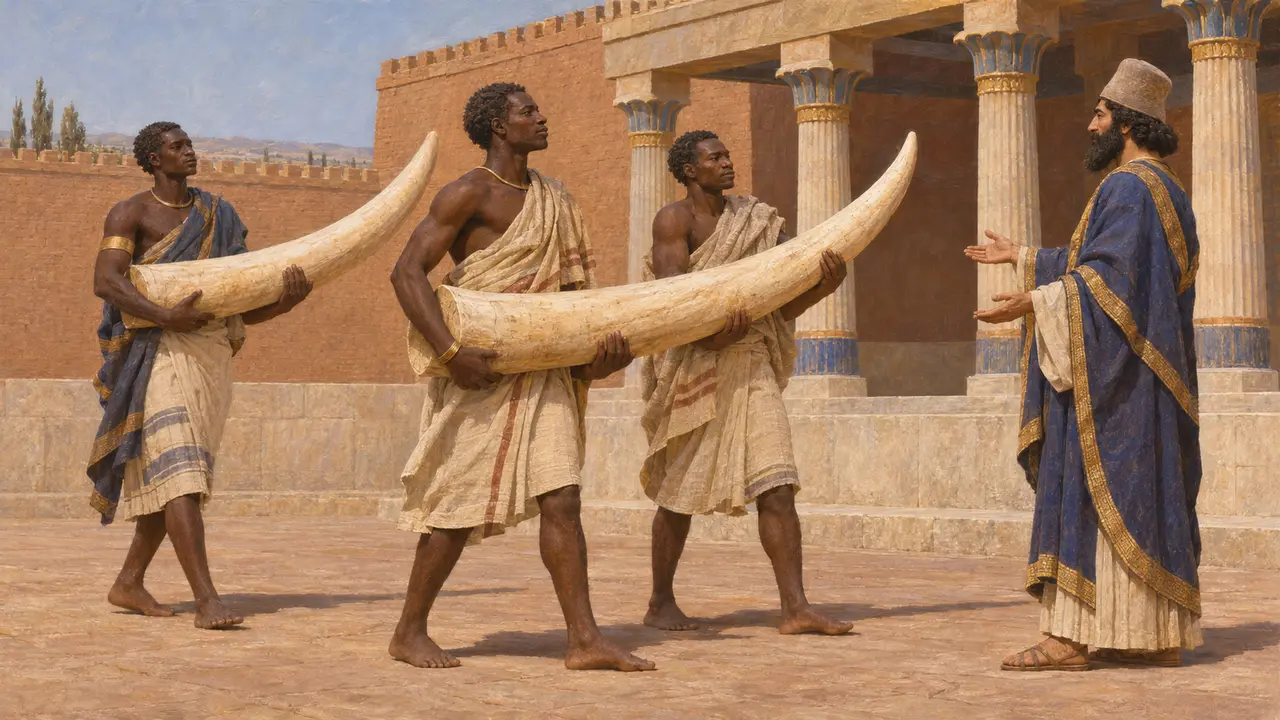
Ancient accountIn Herodotus the king set out in fury without stores of food. Before a fifth of the way was covered the supplies ran out, the men ate the pack animals and then, he says, drew lots to eat one man in ten, so Cambyses turned back to Thebes and Memphis. Yet Herodotus also says elsewhere that Cambyses subdued the Ethiopians next to Egypt on this march, and that they afterwards sent gifts of gold, ebony and ivory every other year.
Herodotus 3.25; Herodotus 3.97
The lost army in the western desert
DisputedHerodotus says about 50,000 men, probably an exaggerated figure, left Thebes to enslave the Ammonians and burn their oracle. They reached a town called Oasis and vanished; he admits the sandstorm story came from the Ammonians. Modern claims to have found their remains are unproven. O. Kaper has argued that a rebel Egyptian king, Petubastis IV, attested in the Dakhla Oasis, defeated the force and that the storm tale hid the loss.
Herodotus 3.25-26; O. Kaper, Petubastis IV in the Dakhla Oasis, 2015
Kush in the Persian record
In the recordDarius's inscriptions name Kush among the lands under the King, and his Susa building charter says ivory for the palace came from Kush. Reliefs at Persepolis show Kushite gift-bearers. These show that by Darius's reign at least northern Kush was counted within the empire's reach, though whether Cambyses or Darius first secured it cannot be settled from the records.
DNa; DSf; P. Briant, From Cyrus to Alexander, 2002
Sources
- Herodotus 3.17-26
- Herodotus 3.97
- DNa
- DSf
- P. Briant, From Cyrus to Alexander, 2002
- O. Kaper, Petubastis IV in the Dakhla Oasis, 2015